


Edwardian Style Window Bench
These edwardian style window bench pieces are versatile low seats made for placement by a sill, combining slender proportions with period upholstery.
Edwardian Style Window Bench
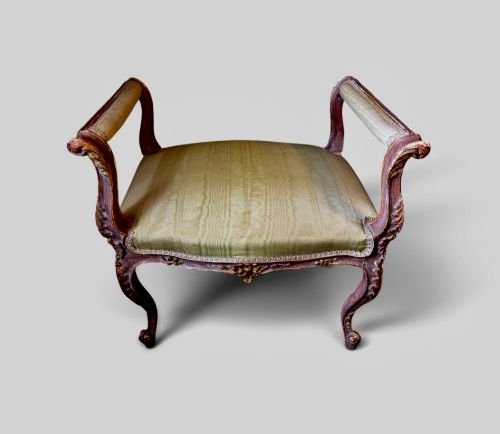
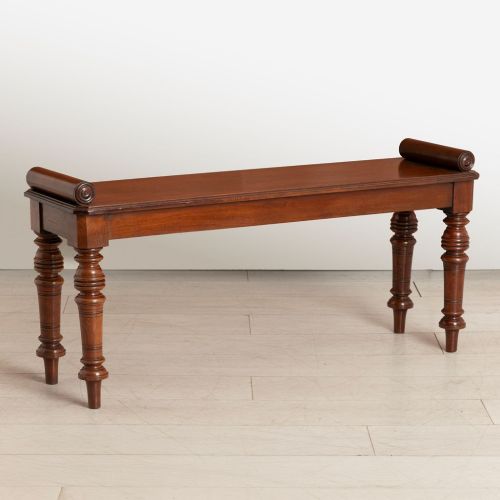
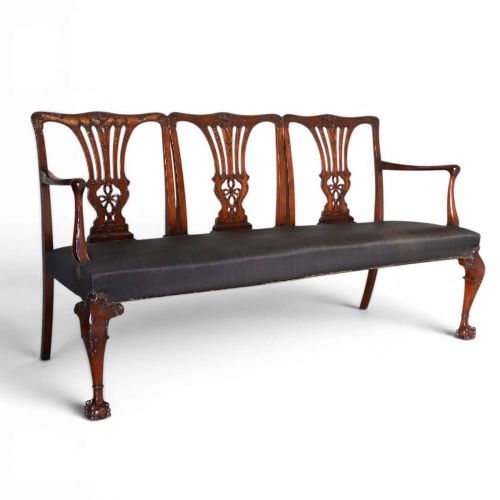
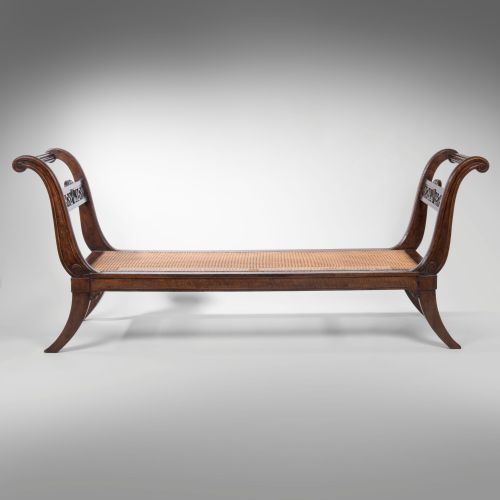
An edwardian style window bench bridges the gap between a compact stool and a long settee, designed specifically to sit low beneath a casement without blocking the light. The pieces gathered here range from authentic Edwardian examples to earlier Victorian and Regency designs, alongside later revivals stretching into the twentieth century.
You will encounter forms varying from single stools and duet seats to large multi-seater settees and hall benches. Many borrow from Sheraton, Chippendale, and Neoclassical revivals, offering carved timber frames paired with cane or fabric surfaces.
The origins span simple oak apprenticeship pieces and painted satinwood couches to grander giltwood and mahogany constructions. Selecting the right format depends entirely on the length of your sill and the scale of the room it inhabits.
How They Were Made
Cabinetmakers built these frames using dense hardwoods like mahogany, walnut, and oak, often enriching satinwood with painted decoration or delicate inlay. Structural stability relied on traditional joinery, complemented by brass mounts and gilded surfaces on select revival pieces.
Seating areas combined woven canework with upholstered pads stuffed over webbing and springs, finished in damask, plain fabric, or leather. Open-framed designs showcased turned or X-frame supports that balanced visual lightness with daily physical strength.
Listings feature woods spanning mahogany, oak, walnut, and satinwood alongside painted finishes.
What Varies in Quality
The distinction between ordinary and exceptional examples lies in the crispness of the hand-carving and the choice of primary timbers. Finer pieces demonstrate precise inlay, well-proportioned X-frames, and intact canework or period upholstery that complements the architectural style.
Design ambition separates basic utility benches from decorative statements, particularly where makers applied neoclassical motifs, giltwood, or painted satinwood panels. Original brass hardware and sound structural integrity elevate a piece far above standard utilitarian seating.
James Shoolbred and Co
The Edwardian Style Window Bench Glossary
- Edwardian style
- A design aesthetic reflecting the elegance and lighter proportions popular in the early twentieth century. It often reinterprets eighteenth-century neoclassical themes with refined simplicity.
- X-frame
- A structural support formed by two intersecting diagonal members resembling the letter X. This configuration provides sturdy load-bearing capability while maintaining an open, airy silhouette.
- Canework
- Woven rattan or cane applied to seat frames or backrests. This technique creates a resilient, breathable surface favoured for light-reflecting parlor and window furniture.
- Satinwood
- A lustrous hardwood native to the tropics, prized for its golden colour and smooth grain. It served frequently as a fine veneer or solid base for painted decorative furniture.
- Giltwood
- Timber coated with a thin layer of gold leaf or metallic powder. This finish adds reflective brilliance to revival frames intended for formal reception spaces.
Edwardian Style Window Bench: Frequently Asked Questions
Where should I place a window bench?
These seats suit narrow transitional spaces, long hallways, and beneath low window sills where standard chairs might obstruct the view or block incoming daylight.
Their compact depths allow them to fit snugly against walls or glass without dominating the floor plan of a bedroom or sitting room.
How do I tell an Edwardian piece from a Victorian one?
Edwardian examples generally favour lighter timbers, painted satinwood, and restrained neoclassical lines derived from Sheraton and Hepplewhite revivals.
Victorian counterparts often display heavier walnut or mahogany frames, deeper carving, and more robust proportions associated with nineteenth-century comfort.
Can I use these benches for daily seating?
Most sturdy wood and upholstered variants handle everyday use well, provided the internal webbing and joints remain solid and secure.
Caned panels require a little more care to avoid puncturing, making them better suited for occasional sitting or display purposes.
What is an X-frame window seat?
An X-frame seat utilises intersecting diagonal legs that support the upholstered or cane top without requiring heavy corner posts.
This ancient architectural form gained renewed popularity during the Regency and Edwardian revival periods for its classic geometric symmetry.