

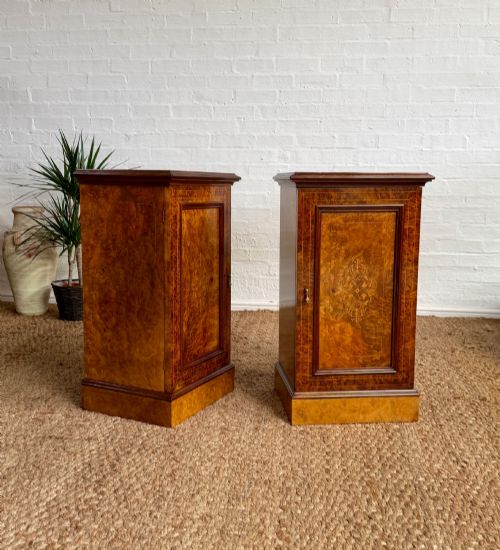
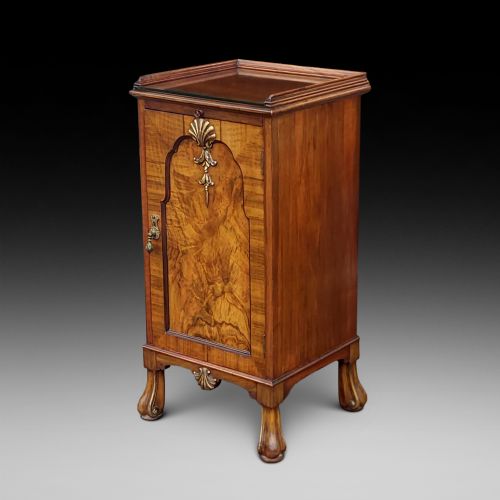
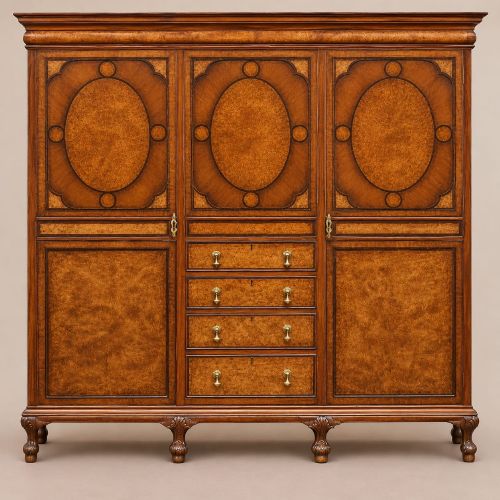
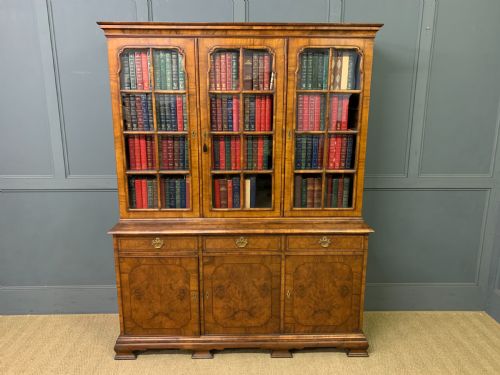

Edwardian Style Walnut Cabinet
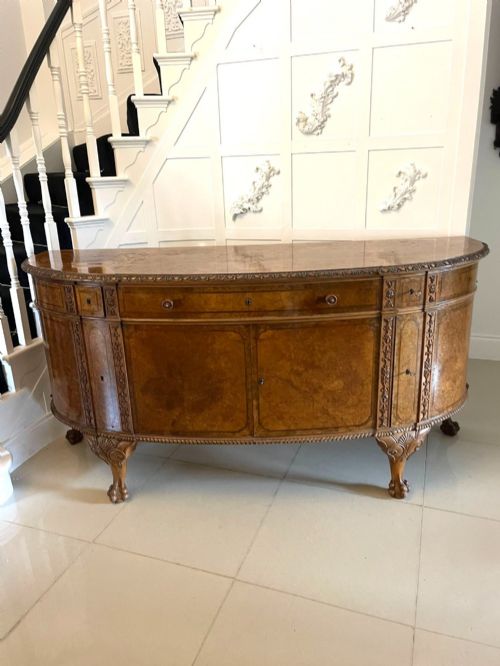
An edwardian style walnut cabinet brings rich timber grain and classic revival forms into a room, offering both display space and refined storage.
Edwardian Style Walnut Cabinet
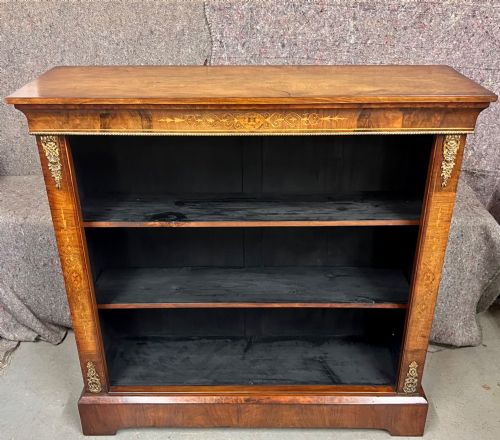
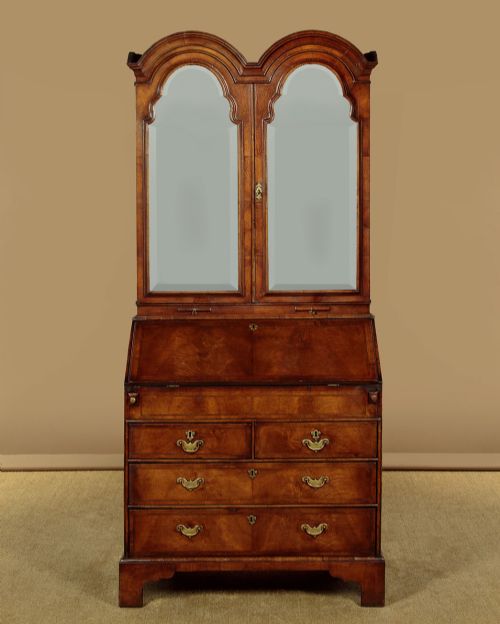
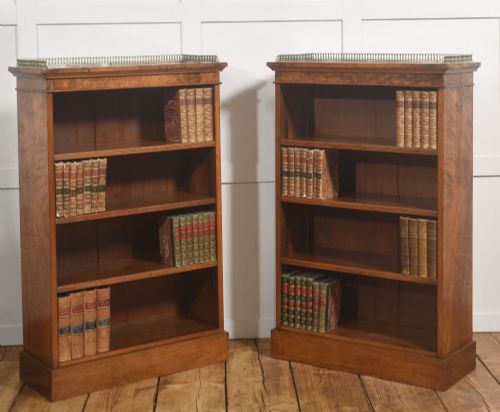
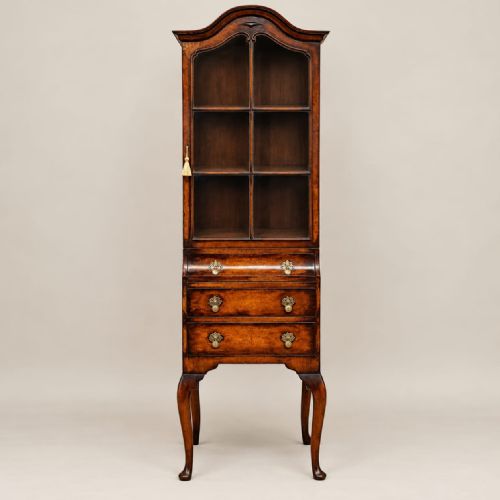
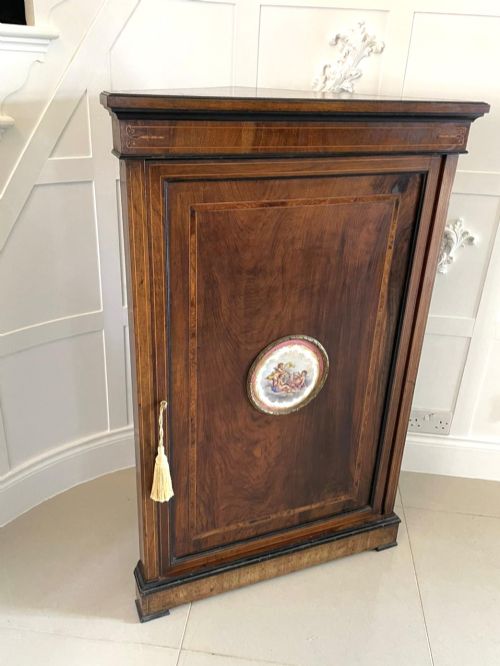
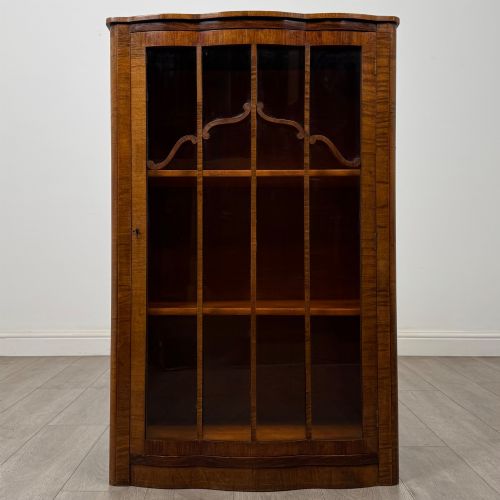
When searching for an edwardian style walnut cabinet, buyers encounter a diverse selection of brown furniture spanning the nineteenth and early twentieth centuries. These pieces encompass various forms including display cabinets, side cabinets, bookcases, and drinks cabinets.
The pieces on this page draw upon several distinct design influences, most notably Victorian, Queen Anne Revival, and Art Deco styles. Makers utilised walnut and burr walnut timbers alongside mahogany and kingwood to construct these functional items.
Materials and construction
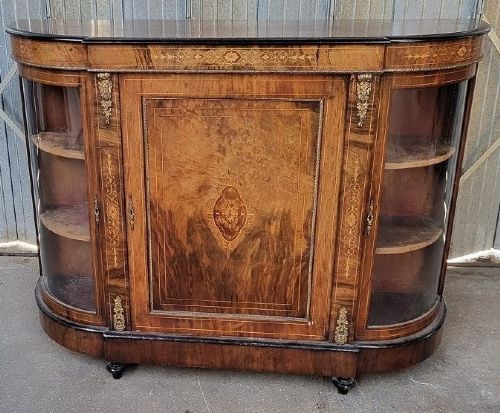
Makers relied on walnut and highly figured burr walnut veneers applied over secondary timbers to achieve striking surface patterns. Cabinet makers incorporated boxwood inlay, marquetry, and brass mounts to embellish the exterior forms.
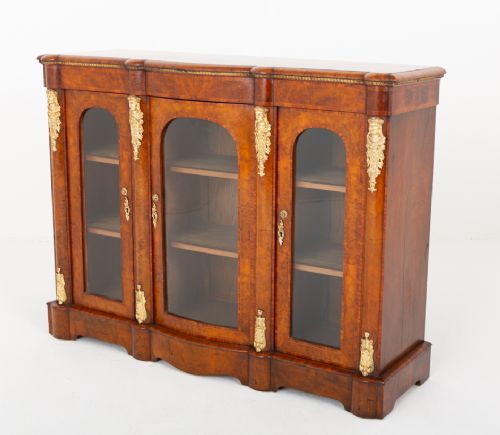
Glass panels appear frequently in the doors of display cases and bookcases, sometimes framed by brass galleries or ormolu mounts. Structural elements often combine solid walnut frames with carefully matched book-ended veneers on larger surfaces.
Edwardian Style Walnut Cabinet Retail Price Guide 2026
Typical asking prices for edwardian style walnut cabinet among the pieces listed under this phrase on Sellingantiques today, from the lower quarter to the upper quarter. They describe what is for sale here now, not the wider market.
Several cocktail cabinets hide ingenious folding shelves and mirrored interiors behind unassuming walnut double doors.
Distinctions in quality
The standard of a piece depends heavily on the selection and matching of the walnut veneers across the visible surfaces. Skilled cabinet makers arranged the grain symmetrically, whereas simpler items relied on plain timber without decorative banding.
Detailing such as fine boxwood stringing, crisply cast brass mounts, and well-executed marquetry indicate higher workshop standards. The precision of door fitting and the presence of original glass further distinguish superior examples.
Maple & Co.·Whytock & Reid of Edinburgh
The Edwardian Style Walnut Cabinet Glossary
- Burr walnut
- A prized timber harvested from the growth excrescences on walnut trees, yielding highly ornamental swirling grain patterns. Cabinet makers sliced this wood into thin veneers for decorative door fronts and tabletops.
- Credenza
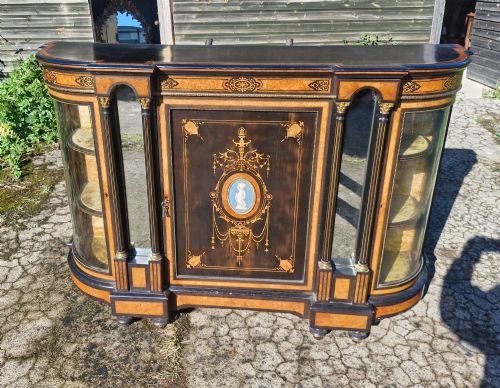
- A low-standing side cabinet typically enclosed by doors, popular in nineteenth-century interiors for display and storage. These pieces often incorporate glass panels and ormolu mounts.
- Marquetry
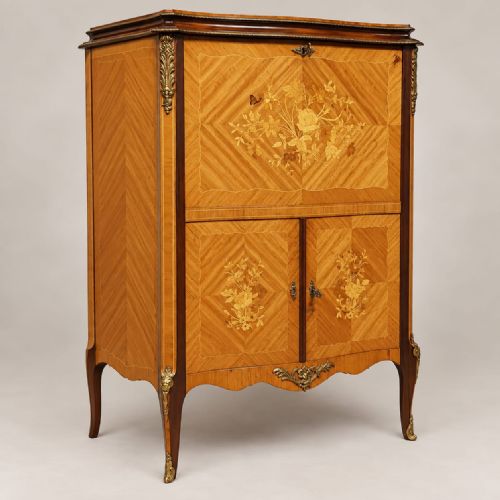
- The art of applying decorative pieces of veneer to a structure to form intricate pictorial designs. Craftsmen utilised various coloured woods to create floral or geometric motifs.
- Ormolu
- Gilded bronze mounts applied as decorative ornaments to furniture corners, feet, and friezes. This technique added a bright metallic contrast to dark timber surfaces.
- Boxwood inlay
- Narrow strips of pale boxwood set flush into dark wood surfaces to create contrasting linear borders. This technique defined the panels and edges of many revival cabinets.
Edwardian Style Walnut Cabinet: Frequently Asked Questions
What periods do these cabinets represent?
The selection includes items produced across the nineteenth and early twentieth centuries, spanning Victorian, Edwardian, and later revival periods.
Craftsmen drew upon older historical designs such as Queen Anne styles while employing the manufacturing methods of their own era.
How were display cabinets used originally?
Homeowners utilised these glazed units to showcase porcelain, glassware, and treasured ornaments in formal entertaining rooms.
The enclosed shelving protected delicate collectibles from dust while keeping them visible to visitors.
Where should a side cabinet be placed?
These compact storage pieces suit dining rooms, hallways, or living spaces where surface area and closed storage are both required.
Their decorative walnut surfaces allow them to function independently as focal points or alongside complementary seating.
How do I identify burr walnut?
Burr walnut is recognised by its dense, swirling knot patterns and intricate eyes distributed across the timber surface.
This distinct figure results from natural tree growths and was traditionally sliced into thin veneers for high-end furniture.