




Edwardian Style Sconces
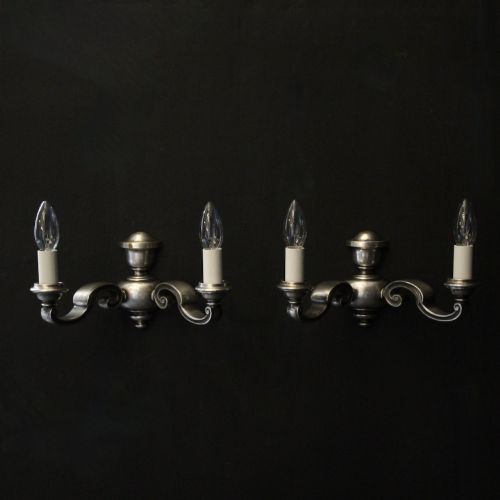
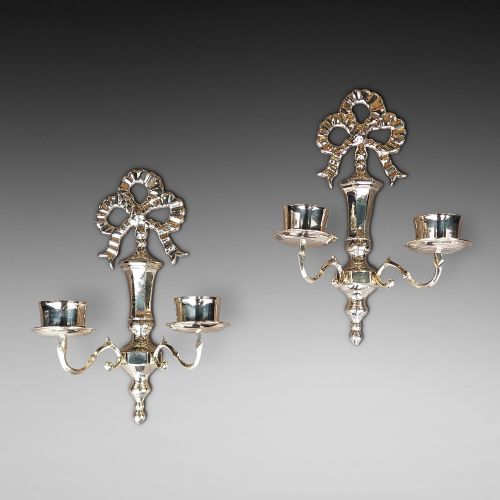
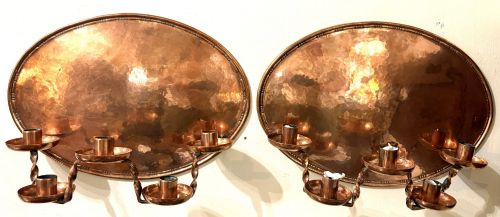
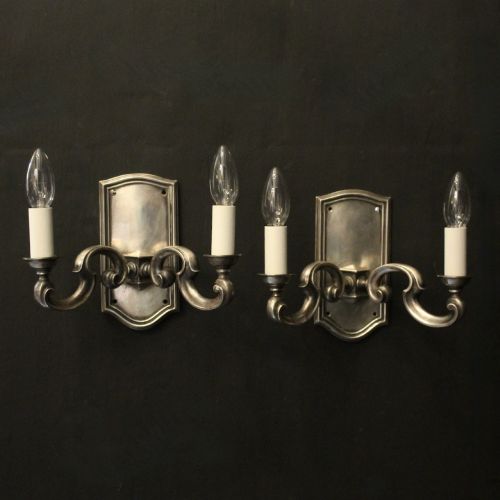
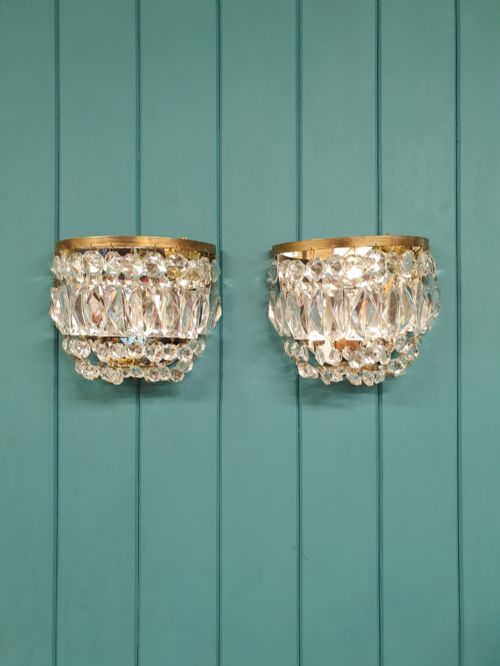
Edwardian style sconces bring period illumination to interiors, offering architectural wall lighting cast in brass, copper, and silver plate.
Edwardian Style Sconces
When you search for edwardian style sconces, you encounter wall lights, wall sconces, and wall lanterns spanning the Edwardian period, the 1920s, 1900, 1930, 1910, the Victorian era, Regency, and 1890. These fixtures emerge in revival designs such as Georgian Revival, Regency, Rococo Revival, French Chateau, Edwardian, Adam Revival, Arts and Crafts, and Neo-Classical.
How they were made
Makers utilised cast metal, brass, copper, gilded brass, and silver plate to form the structural bodies and backplates of the sconces. Metalwork techniques involved casting, patination, and silver plating to achieve finished metallic surfaces.
Listings feature periods spanning from the nineteenth century through the 1930s, executed primarily in brass, copper, and silver plate.
What varies in quality
The standard of metal casting and chasing dictates the crispness of ornament on revival styles like Rococo, Adam, and Neo-Classical. Heavier gauge brass and bronze components provide greater structural integrity than thinner pressed sheet metal alternatives.
Surface finishes, from original verdigris patination to intact silver plating and gilding, separate standard production pieces from finer examples. The refinement of turned woodwork and hand-carved details similarly marks the upper tier of the range.
The Edwardian Style Sconces Glossary
- Sconce
- A wall-mounted lighting fixture designed to hold candles or electric lamps. These pieces project from vertical surfaces to provide ambient room illumination.
- Ormolu
- Gilded bronze or brass applied to decorative objects and mountings. This technique imparts a rich gold colour to metallic surfaces.
- Girandole
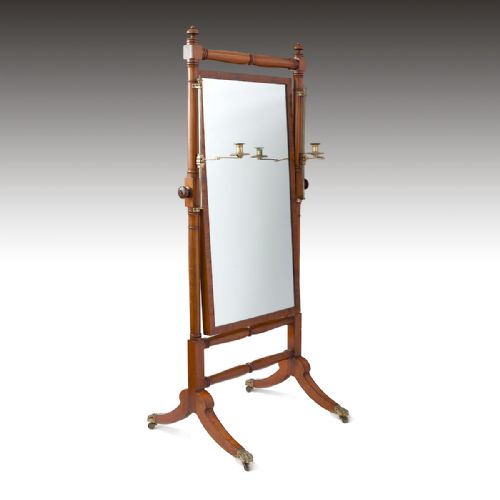
- An ornamental bracket mirror with candle sconces attached to the frame. The reflective glass enhances the light emitted from the candles.
- Verdigris
- A green patina formed naturally or chemically on copper, brass, or bronze surfaces through atmospheric oxidation. This aged coating indicates exposure to the elements over time.
- Barley twist
- A type of turning resembling a spiralling rope or column used on wooden supports. It appears frequently on candlesticks from the late nineteenth and early twentieth centuries.
Edwardian Style Sconces: Frequently Asked Questions
How do I wire old sconces?
Most antique wall lights require modern electrical rewiring to meet current safety standards before installation in a home.
A qualified electrician can safely thread modern wiring through the existing metal arms and backplates without damaging the historic structure.
Are these fixtures solid brass?
Makers utilised various metallic compositions, including solid cast brass, gilded brass, bronze, and silver-plated base metals.
Examining the weight and the rear mounting plates helps distinguish solid metal castings from plated or coated alternatives.
How do I clean copper sconces?
Dust accumulation requires gentle removal using a soft, dry cloth to protect the underlying metallic surface and any patination.
Harsh chemical polishes should be avoided on pieces with verdigris or aged patinas to preserve their historical appearance.
Where were wall sconces placed?
Interior spaces utilised wall lights in pairs flanking mirrors, fireplaces, or architectural doorways to balance room illumination.
Coarser coach-house style lanterns were designed for exterior or semi-sheltered entrance placement.
How do I identify Adam revival pieces?
Adam revival lighting incorporates neoclassical motifs such as urns, swags, husks, and symmetrical geometric proportions.
These designs draw inspiration from eighteenth-century neoclassical architecture championed by the Adam brothers.