




Edwardian Style Lantern
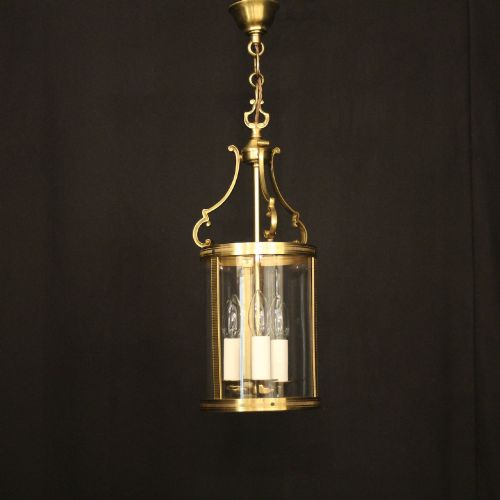
An edwardian style lantern brings hallway or porch illumination through glass and metal shaped by varied revivalist aesthetics.
Edwardian Style Lantern
When you search for an edwardian style lantern, you encounter overhead ceiling lighting, wall lights, and floor-standing pieces dating broadly around the turn of the twentieth century. These objects bridge nineteenth-century Revival periods and early twentieth-century Arts and Crafts movements.
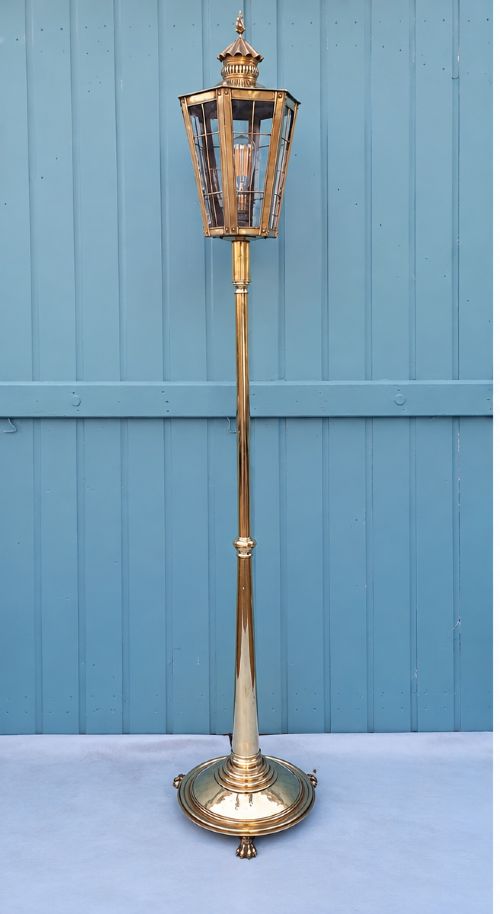
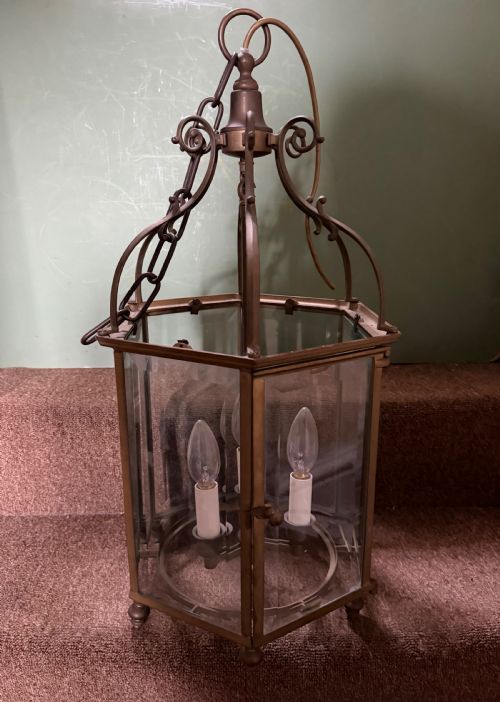
The selections on this page incorporate hanging pendants, coach-house wall lanterns, and floor-standing column lights. Forms range from domestic hall lanterns to sturdy exterior porch lights.
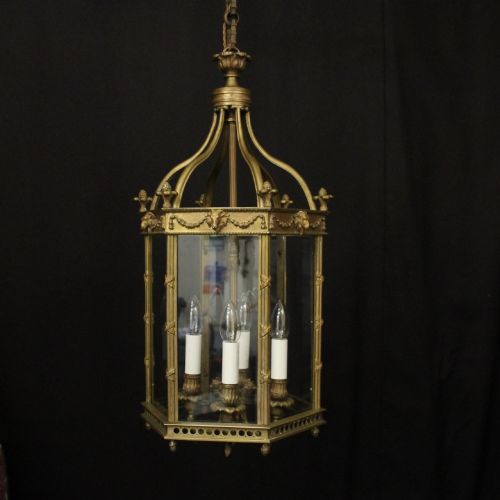
Origin details reveal English and French influences, alongside specific stylistic revivals such as Neo-Classical and Rococo. The forms often draw upon earlier coach and carriage lighting traditions.
Materials and Construction
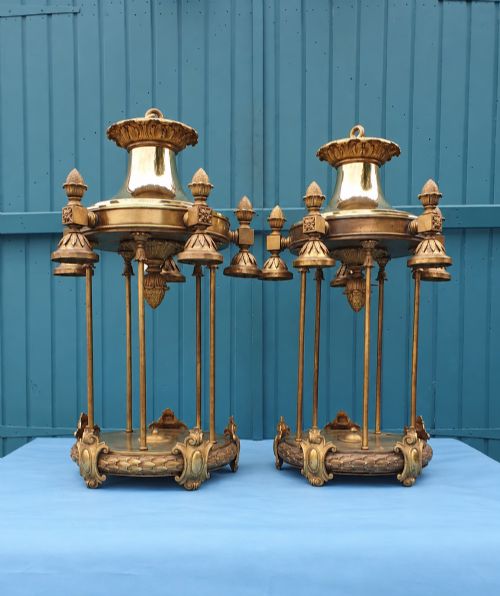
Construction relies heavily on structural metals including brass, copper, wrought iron, and steel, frequently shaped into rigid frames. Gilded bronze appears in more ornate French designs, while verdigris patination alters copper surfaces.
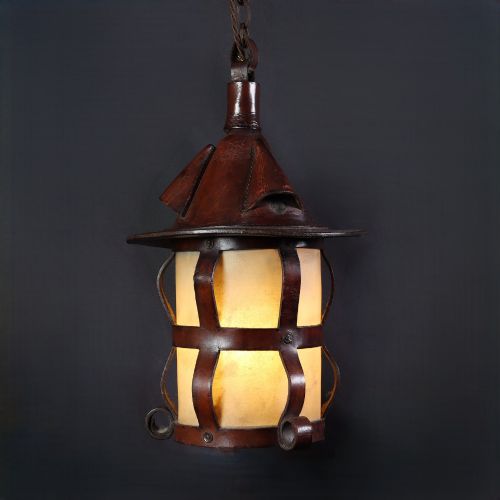
Glass panels enclose the interior light sources, secured within metal frameworks that range from simple geometric bars to elaborate cast ornamentation. Unusual variants incorporate hand-stitched leather and vellum elements.
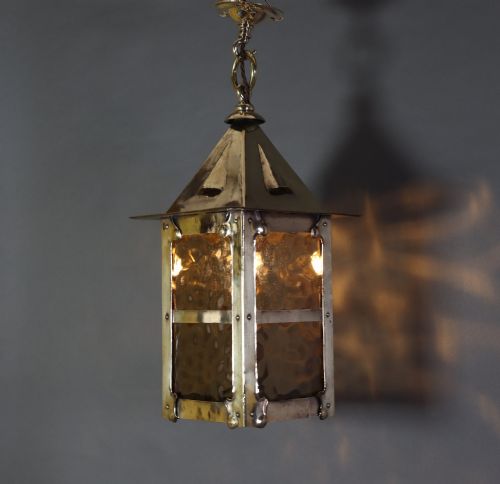
Workmanship spans utilitarian industrial assembly to decorative hand-finished metalwork associated with the Arts and Crafts movement.
Edwardian Style Lantern Retail Price Guide 2026
Typical asking prices for edwardian style lantern among the pieces listed under this phrase on Sellingantiques today, from the lower quarter to the upper quarter. They describe what is for sale here now, not the wider market.
The inventory spans multiple decorative movements, including Neo-Classical, Rococo Revival, and Arts and Crafts.
Distinctions in Quality
The calibre of metal casting and surface finish separates standard production from finer examples. Heavier gauge brass, deep patination on copper, and crisply cast gilt bronze indicate superior original manufacture.
Integrity of the structural framework and original glazing determines the physical condition of the piece. Hand-stitched organic materials or specialised patination require specific preservation compared to standard metal frames.
The Edwardian Style Lantern Glossary
- Arts and Crafts
- A design movement emphasising handcraftsmanship and simple materials. Pieces in this style reject mass production in favour of visible construction methods.
- Gilded Bronze
- Bronze coated with a thin layer of gold. This technique provides a durable metallic finish seen in ornate hanging pendant lanterns.
- Verdigris
- A green patina formed naturally or chemically on copper or brass. It signifies surface oxidation resulting from age and atmospheric exposure.
- Vellum
- A fine parchment made from calfskin. It functions as a translucent shade material diffusing light within specialised hanging fixtures.
Edwardian Style Lantern: Frequently Asked Questions
Where should I hang these lanterns?
Hanging lanterns suit entrance halls, porches, and high-ceilinged corridors where overhead mounting provides adequate clearance.
Wall-mounted variants fit narrower passageways or flank exterior doorways, echoing historical coach-house illumination.
Are these lanterns wired for modern use?
Many examples arrive fully working with internal electrical fittings adapted for contemporary power supplies.
Some listings note complete rewiring or original components, so buyers should check individual specifications regarding electrical readiness.
How do I clean brass and copper?
Metal frames require gentle dusting with a dry cloth to preserve existing patination and surface finishes.
Harsh chemical polishes should be avoided on patinated copper or verdigris surfaces to prevent stripping the historic finish.
What defines Arts and Crafts lighting?
Arts and Crafts lighting focuses on honest construction, visible fixings, and materials like hammered copper and brass.
These designs avoid excessive surface ornamentation, instead highlighting the natural texture of the metal and glass.