


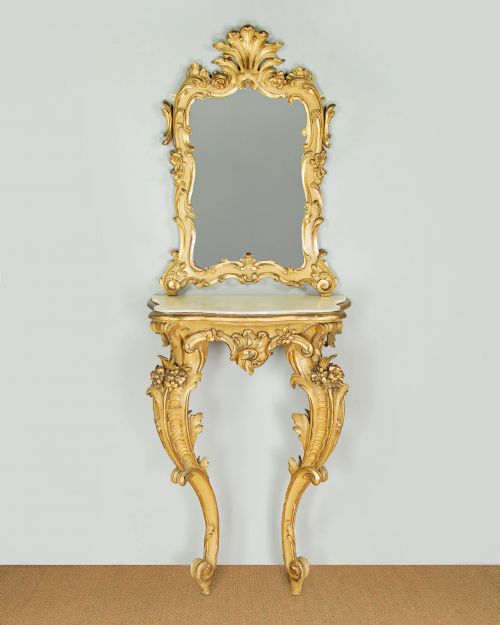
Edwardian Style Gilt Mirror
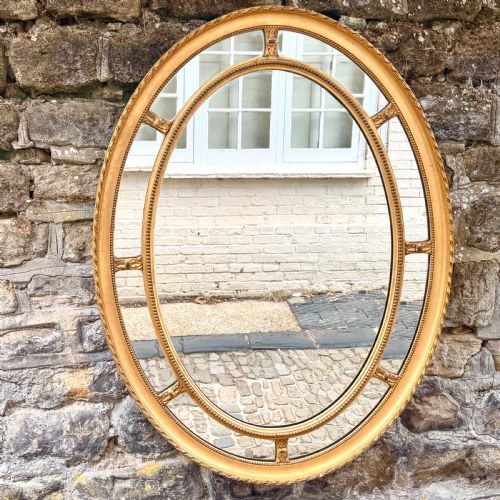
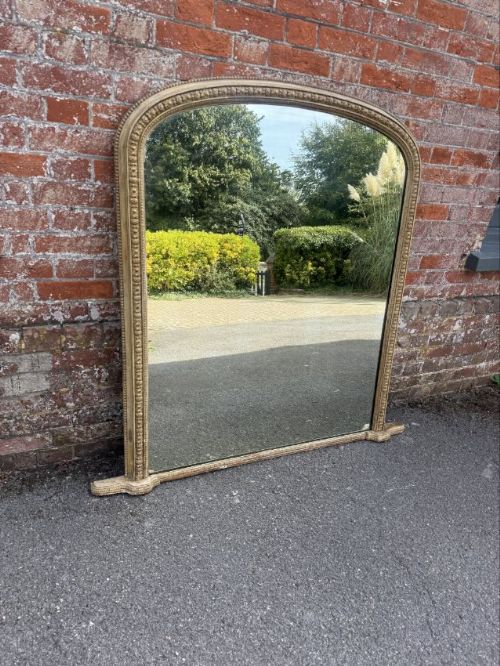
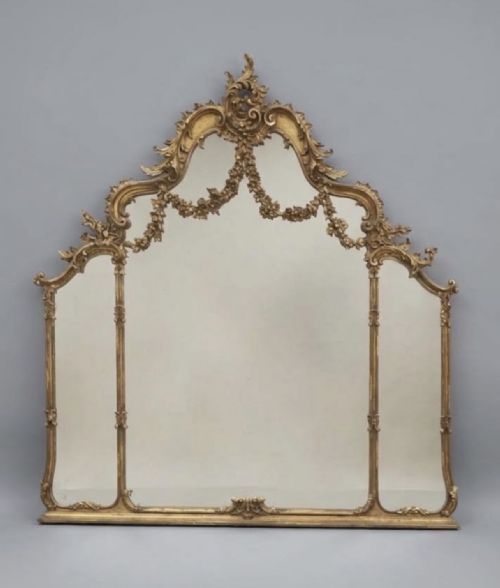
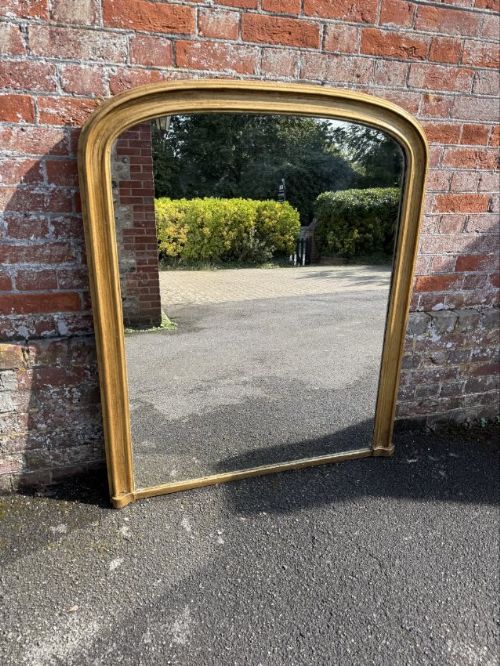
An edwardian style gilt mirror brings warmth and reflective light to a room through gilded surfaces and historical revival forms.
Edwardian Style Gilt Mirror
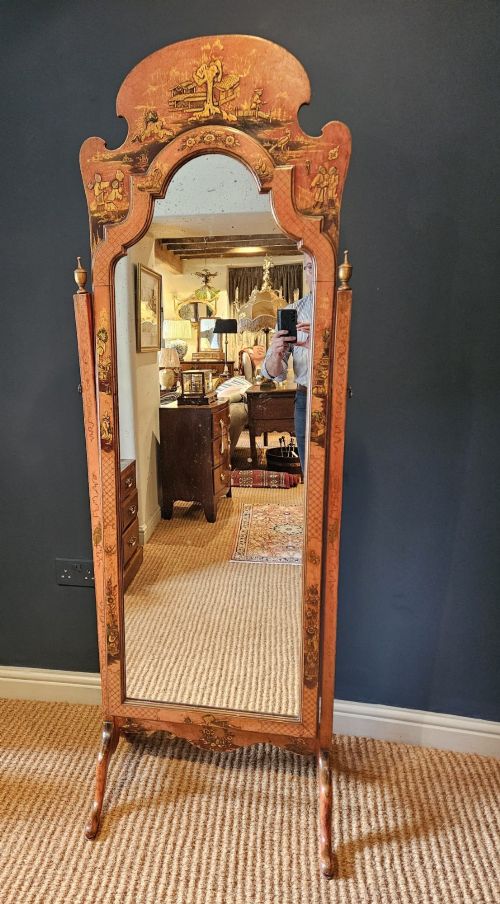
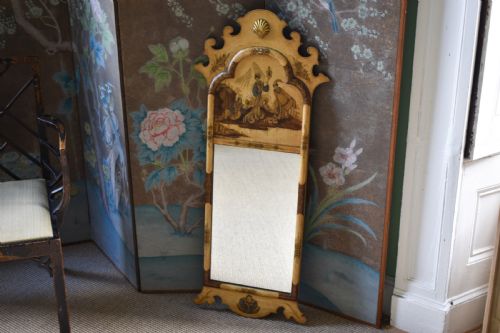
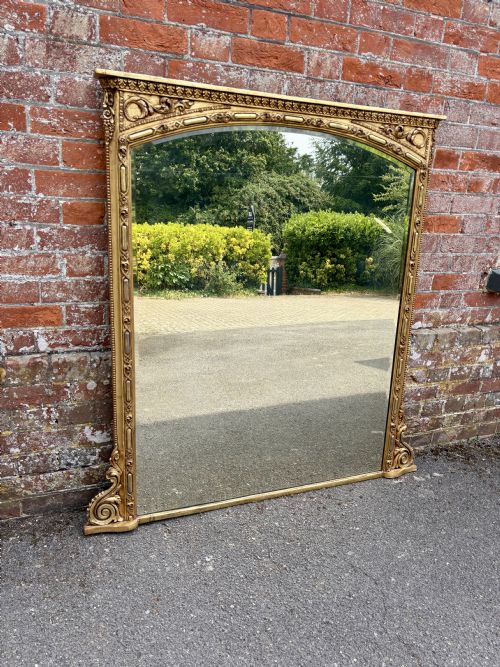
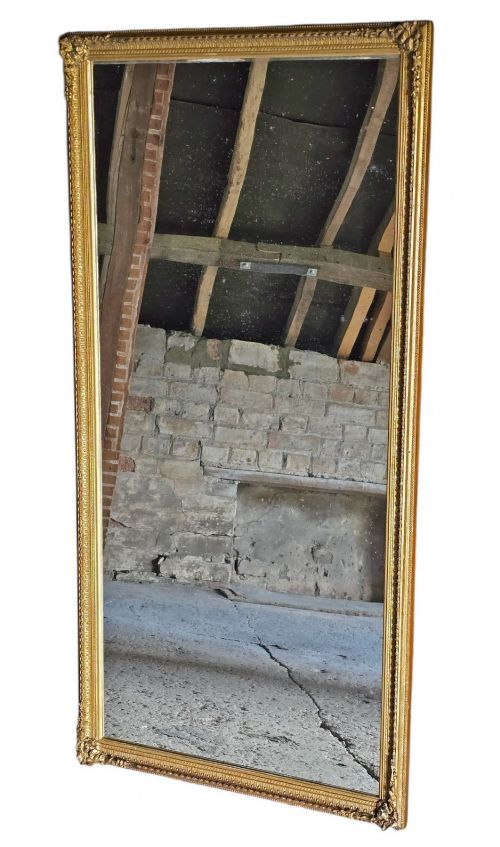
When searching for an edwardian style gilt mirror, buyers encounter a selection spanning wall mirrors, overmantels, and full-length dressing glasses. These pieces draw heavily on earlier historical vocabularies, including Adam, Regency, and Chinoiserie revivals executed around the turn of the twentieth century.
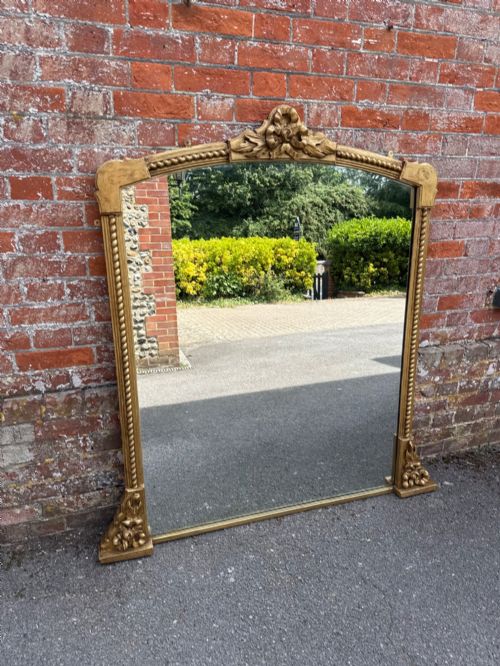
The overmantel mirror dominates the offerings, alongside smaller wall-hanging formats and cheval mirrors. Makers of the period reinterpreted eighteenth-century aesthetics, producing gilded furnishings that suited contemporary Edwardian drawing rooms and parlours.
Materials and Technique
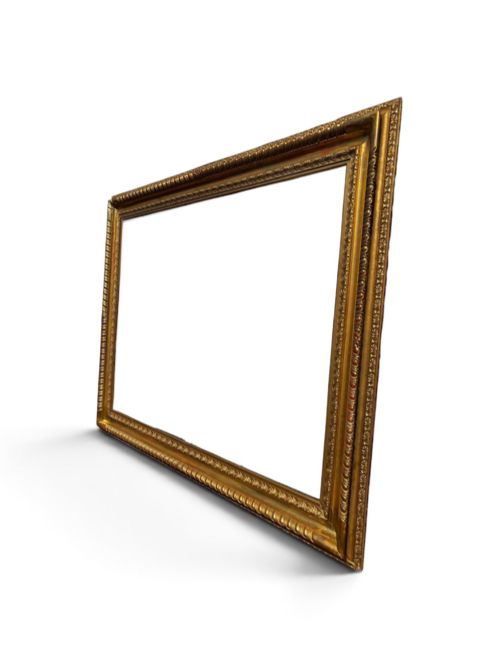
Construction typically involves carved wood and composition applied over a wooden base to form relief ornament. Giltwood, gold leaf, and gesso provide the reflective metallic surfaces characteristic of the style.
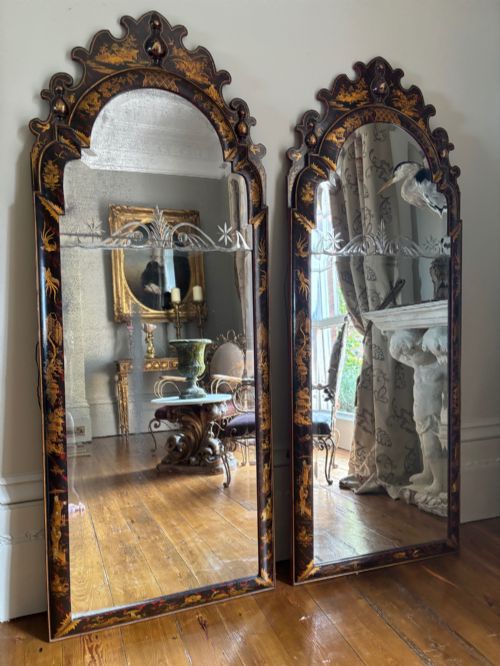
Makers utilised mirror glass, sometimes with bevelled edges or margin plates, fitted into frames finished with applied gilding or paintwork for Chinoiserie and parcel-gilt decorations.
Several mirrors incorporate convex glass panes designed to reflect an entire room's interior within a single curved perspective.
Distinctions in Quality
Depth and precision in the carved wood and gesso ornamentation separate standard commercial items from finer productions. Crisp detail in the motifs and smooth application of gold leaf indicate superior workshop execution.
The structural integrity of the frame joints and the clarity of the original mirror glass further differentiate pieces. Heavier timber frames with well-preserved gilding retain their structural form more reliably over time.
The Edwardian Style Gilt Mirror Glossary
- Gesso
- A plaster-based material applied to wood frames to create a smooth surface for gilding. It allows intricate relief moulding before the application of gold leaf or gilt paint.
- Overmantel Mirror
- A large mirror designed specifically to hang above a fireplace mantelpiece. These pieces often feature arched or shaped tops to balance room proportions.
- Chinoiserie
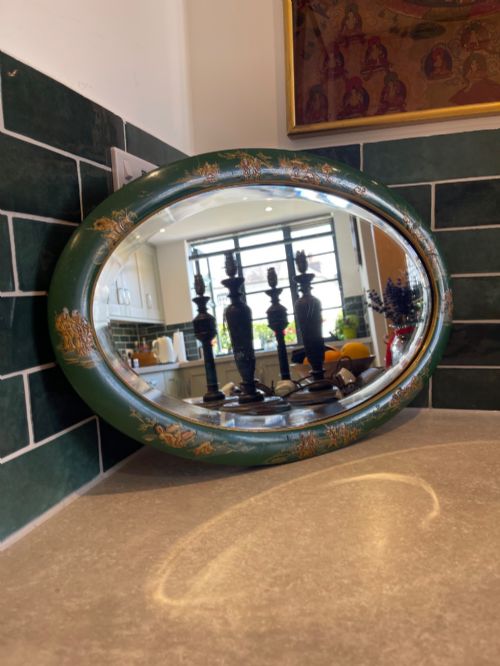
- A decorative style reflecting European interpretations of Chinese art and motifs. It frequently appears on mirror frames through hand-painted figures, landscapes, and lacquered finishes.
- Giltwood
- Timber that has been coated with gold leaf or metallic powder. It provides the bright reflective exterior seen across revival period frames.
- Cheval Mirror
- A full-length dressing mirror suspended in a vertical frame with pivoting side supports. This form allows the glass to tilt for viewing angles.
Edwardian Style Gilt Mirror: Frequently Asked Questions
Where should I hang an overmantel mirror?
These large mirrors traditionally sit directly above a fireplace mantel to reflect light and anchor the room's central hearth.
Ensure the wall fixings are secured into solid masonry or studwork to support the considerable weight of the carved wood and glass.
How do I identify an Edwardian mirror?
Edwardian mirrors often feature revival styles such as Adam, Regency, or Chinoiserie executed around nineteen hundred to nineteen twenty.
Look at the backing boards, screw types, and construction methods, which typically display turn-of-the-century manufacturing techniques alongside older stylistic influences.
What is parcel-gilt decoration?
Parcel-gilt refers to objects where only specific portions of the surface are gilded with gold leaf, leaving wood or painted areas exposed.
This technique creates contrast against mahogany or walnut frames, frequently seen in Georgian and Edwardian revival pieces.
How should I clean a gilded frame?
Dust gilded wood gently with a soft, dry brush to prevent damaging the delicate gesso and gold leaf layers.
Avoid using liquid cleaners, chemical solvents, or abrasive cloths, as moisture and friction can strip the historic metallic finish away.