


Edwardian Style Floor Lamp
An edwardian style floor lamp brings upright height and period character to a room, casting warm light from a raised position.
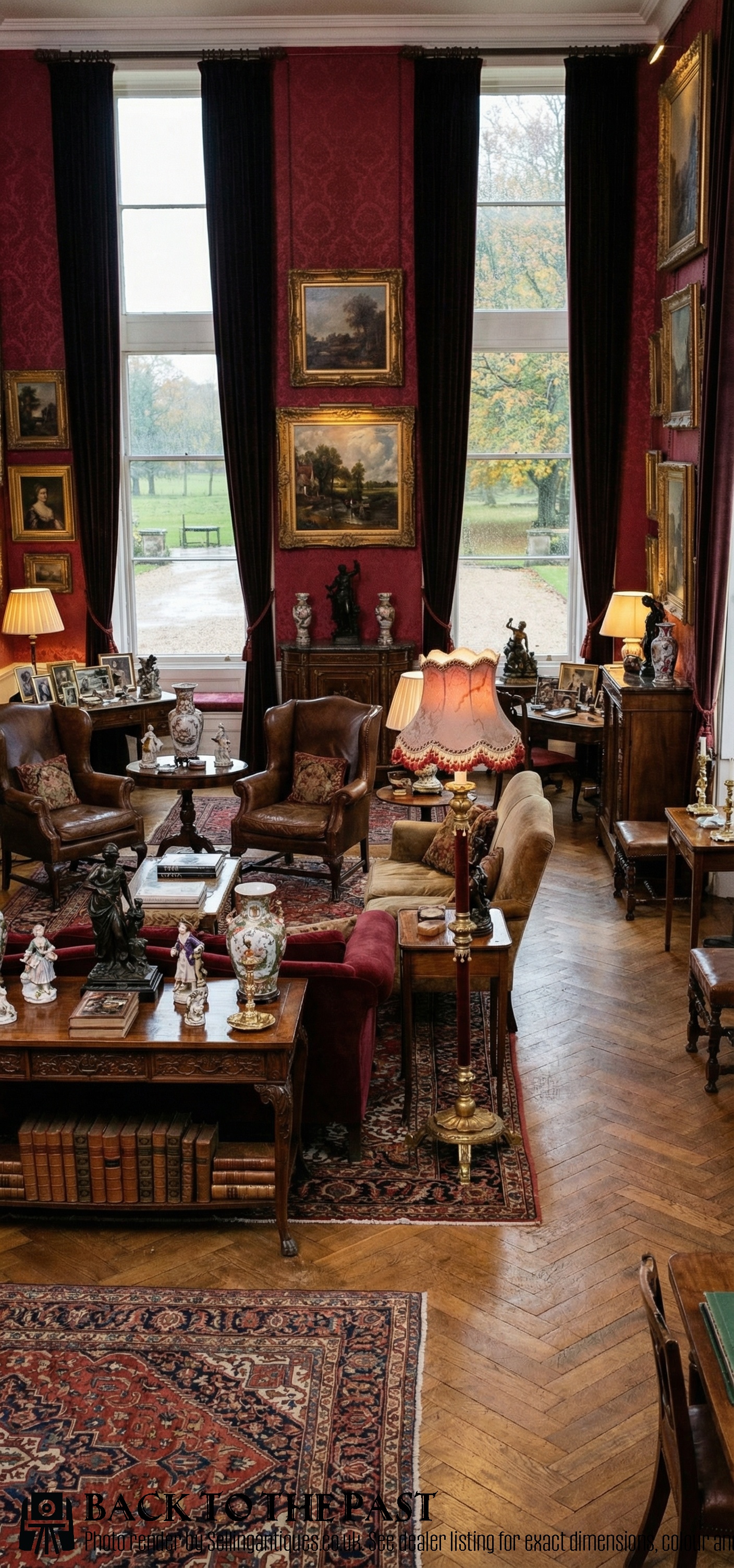
Edwardian Style Floor Lamp
When you search for an edwardian style floor lamp, you encounter tall upright standards designed to illuminate a room from standing height rather than a table. These pieces often appear under the alternative designation of standard lamps, sharing the same slender vertical form.
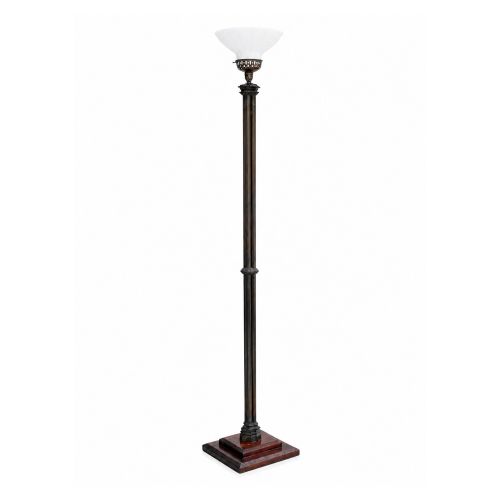
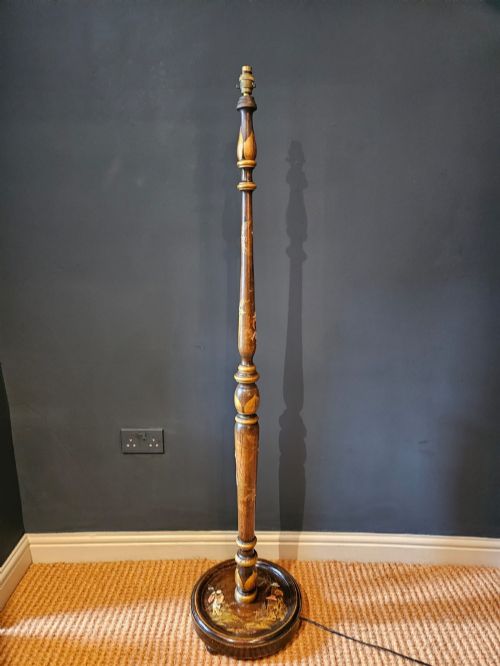
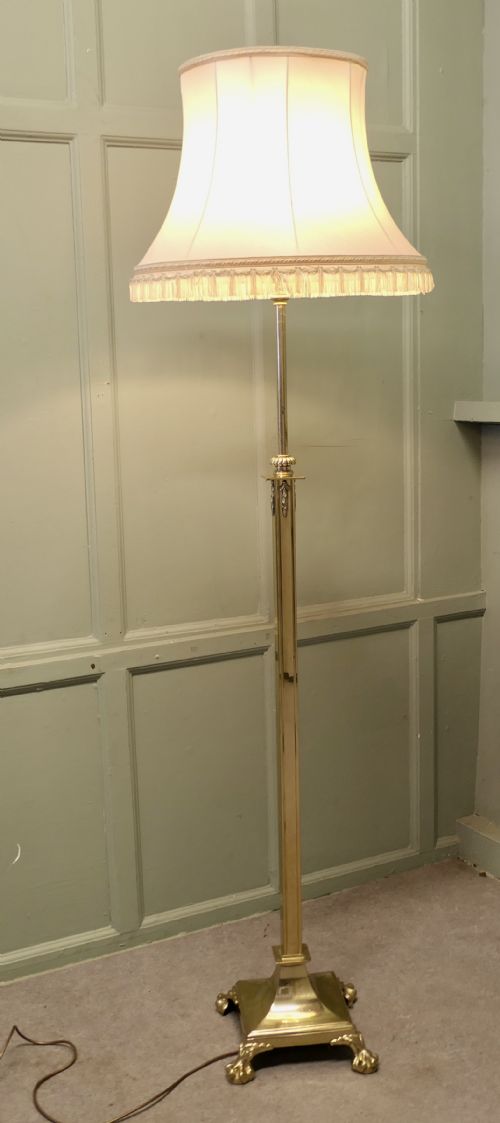
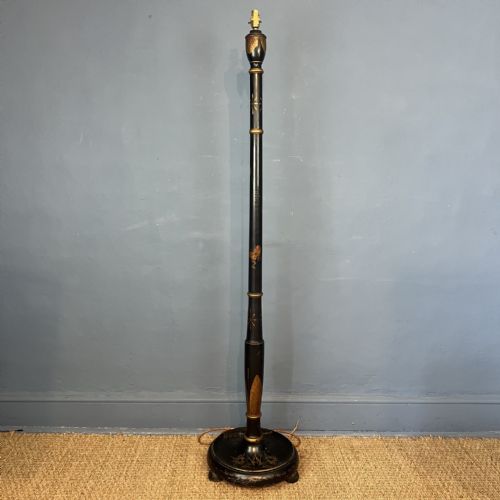
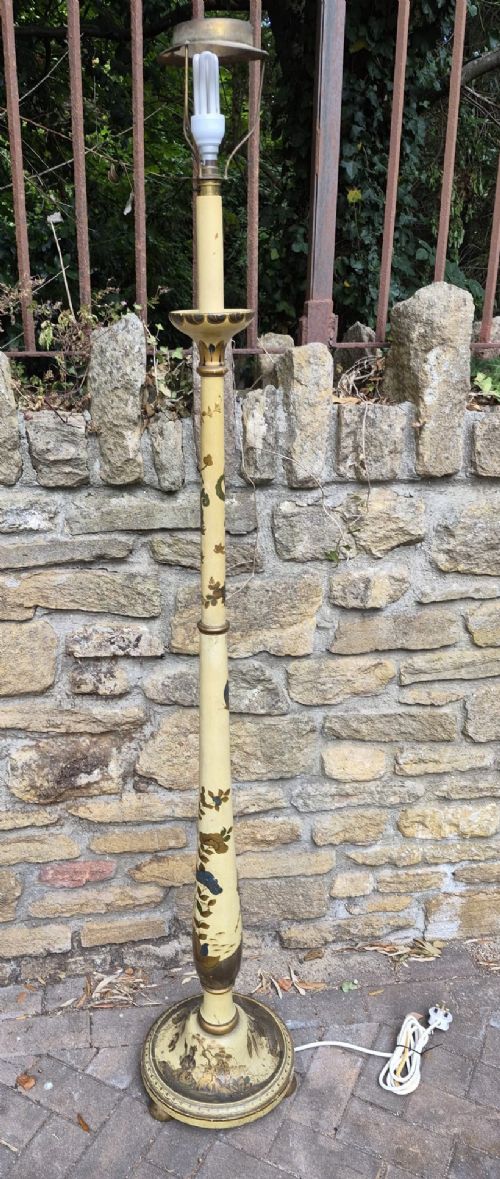
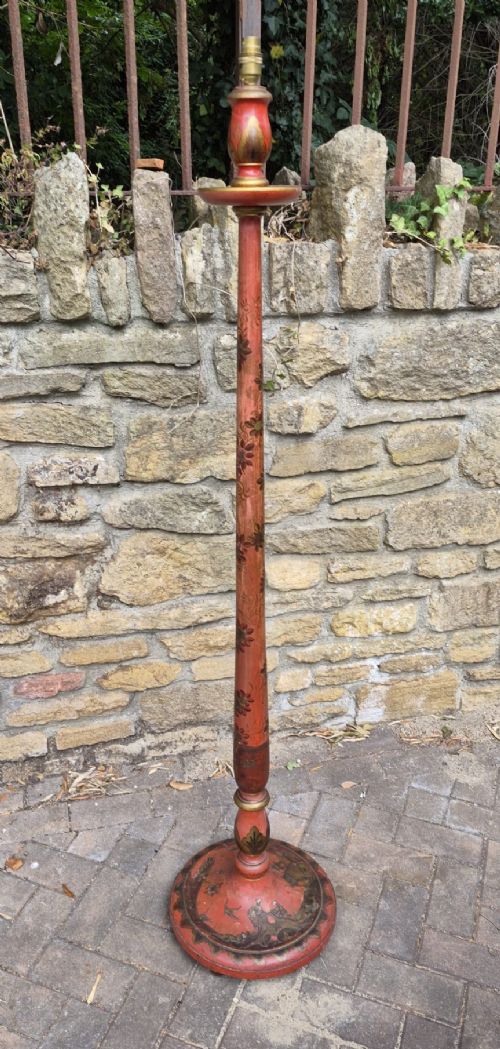
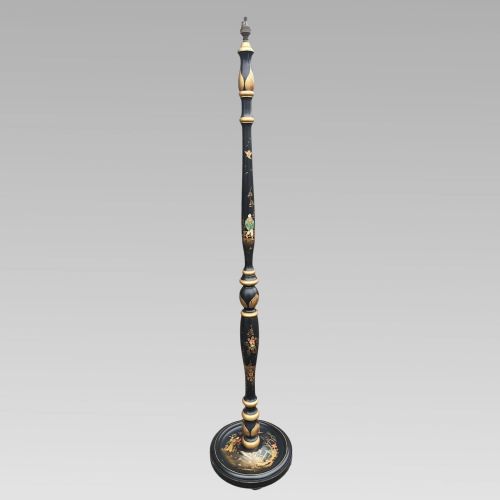
The selection on this page draws heavily from early twentieth century production, alongside related nineteenth century and interwar examples. Chinoiserie decorated finishes in black or crimson lacquer recur frequently, alongside polished brass columns and carved mahogany timbers.
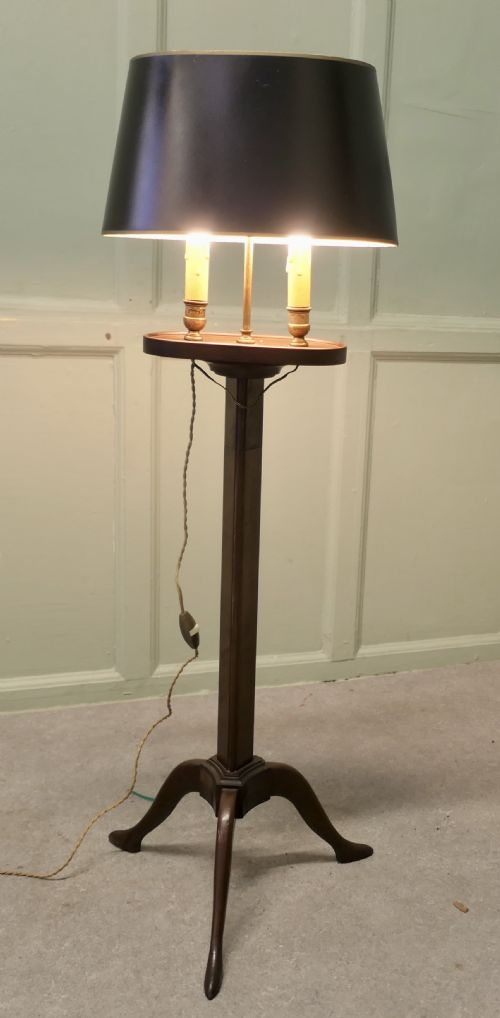
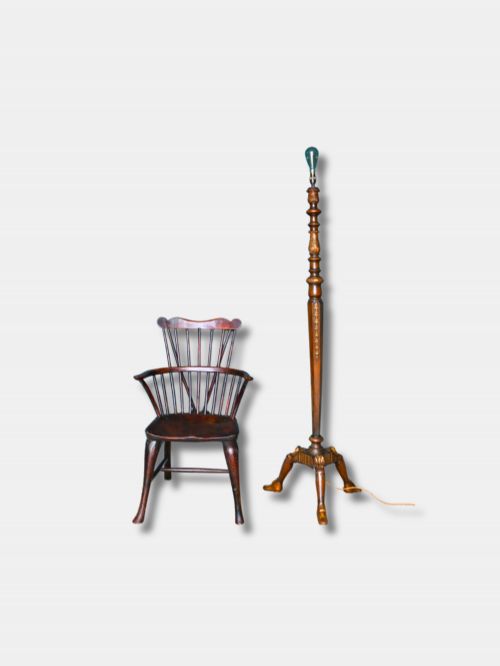
Makers and designers from the broader period influenced these silhouettes, incorporating revival styles ranging from neoclassical columns to arts and crafts tripod bases. Buyers find both simple wooden pillars and elaborate decorative standards among the options.
Materials and construction methods
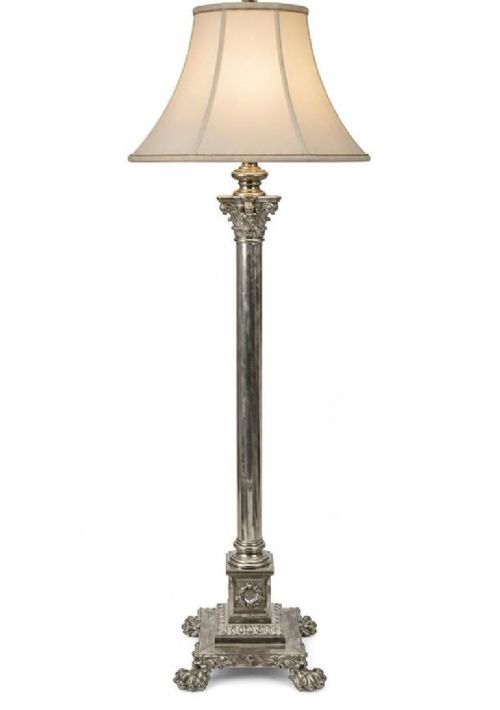
Makers utilised cast and spun brass for telescopic columns, Corinthian capitals, and weighted bases that provided stability for the tall shaft. Silver plating or silvering was also applied to metal surfaces to achieve a brighter reflective sheen.
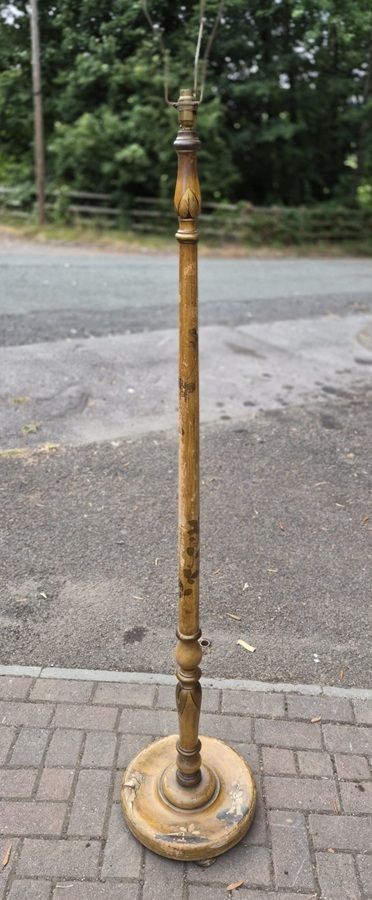
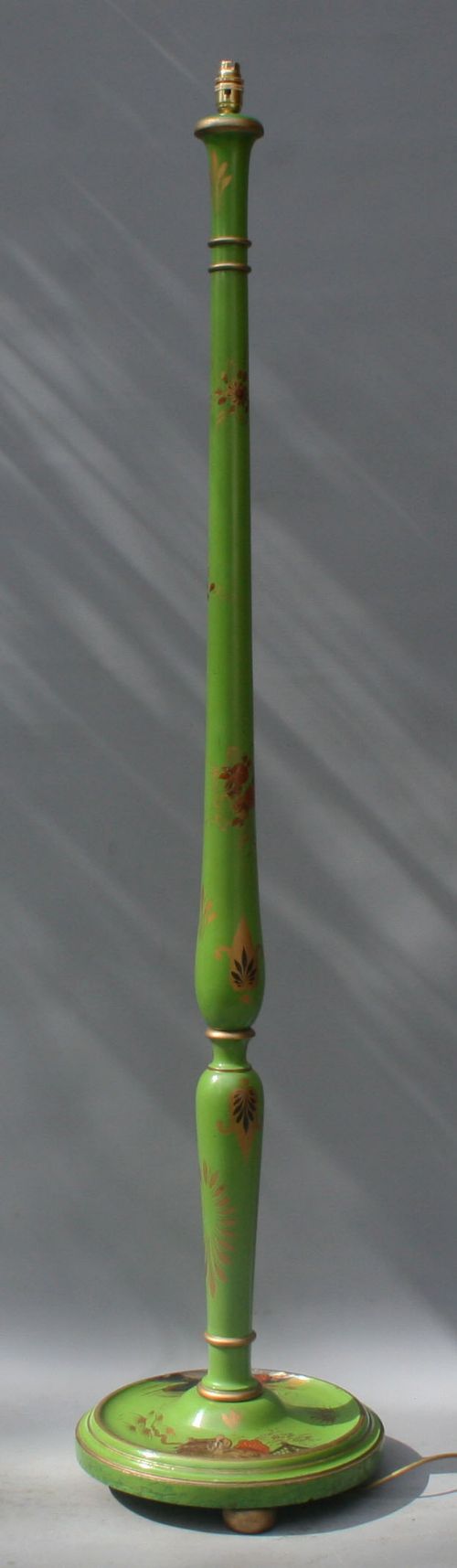
Wooden standards relied on turned mahogany, walnut, oak, padouk, and painted woods, sometimes built with tripod legs or stepped circular plummets. Lacquered wooden variants received hand-painted chinoiserie decoration depicting oriental motifs upon black or crimson grounds.
Electrical adaptation or original oil-burning configurations allowed these uprights to function as primary room illumination, frequently paired with fabric shades.
Listings feature standard lamps spanning the Victorian period, the Edwardian era, and the 1920s, constructed in brass, mahogany, and lacquered wood.
Judging the standard of execution
Quality reveals itself in the weight and rigidity of the central column and the stability of the base. A well-engineered standard lamp remains plumb and firm, whereas lesser examples suffer from looseness in telescopic joints or lightweight bases that compromise balance.
The fineness of surface decoration separates mass-produced items from superior pieces. Hand-applied lacquer work with detailed hand-painted chinoiserie motifs demonstrates a higher level of craftsmanship than simple printed or stamped finishes.
The integrity of the timber or metal casting dictates longevity, with carved mahogany and substantial brass displaying crisp mouldings and durable joinery.
W A S Benson·Heals and Sons
The Edwardian Style Floor Lamp Glossary
- Standard lamp
- An alternative historical term for a floor lamp, describing a tall upright fixture that stands independently on the floor. These pieces support a light fitting and shade at a high elevation.
- Chinoiserie
- European decorative style employing imitation Chinese motifs, typically executed in gold paint upon black or coloured lacquered wood. This aesthetic appears frequently on early twentieth century lighting standards.
- Corinthian column
- A classical architectural column style featuring an ornate capital decorated with acanthus leaves. This motif frequently appears cast in brass on the upper shaft of revival standard lamps.
- Telescopic
- A descriptor for metal lamp standards capable of vertical adjustment via a sliding mechanism. This allows the overall height of the light source to be raised or lowered.
- Tripod base
- A three-legged support structure utilised beneath floor lamps for stability. These bases often feature carved cabriole or straight legs spreading outward from a central stem.
Edwardian Style Floor Lamp: Frequently Asked Questions
Where should I place a standard lamp?
Standard lamps suit corners of rooms, beside reading armchairs, or flanking large pieces of furniture. Their height allows them to cast light downward over a seating area without crowding table surfaces.
Positioning them near power outlets ensures the cord remains tidy and unobtrusive. They work effectively to balance room lighting alongside wall sconces and table lamps.
How do I distinguish Edwardian from Victorian lamps?
Victorian lighting often favours heavier, more ornate proportions with Gothic revival or elaborate classical detailing. Brass columns from this earlier period can be notably substantial and dark in metal tone.
Edwardian and subsequent 1920s examples frequently embrace lighter painted finishes, dainty silhouettes, and chinoiserie lacquer work. The overall aesthetic shifts toward slender elegance rather than heavy mass.
Were these lamps originally electrified?
Many early standards began as oil lamps or candle stands before later conversion to electricity. Adjustable brackets and heavy fuel reservoirs often indicate an origin designed for burning oil.
Subsequent wiring updates allowed these vintage standards to integrate safely into modern domestic lighting schemes. The conversion process preserves the outer decorative appearance while updating the internal functionality.