
Vintage Lighting
Vintage lighting brings character and period atmosphere to a room through chandeliers, wall lights, and table lamps cast in brass, crystal, and oak.
Vintage Lighting
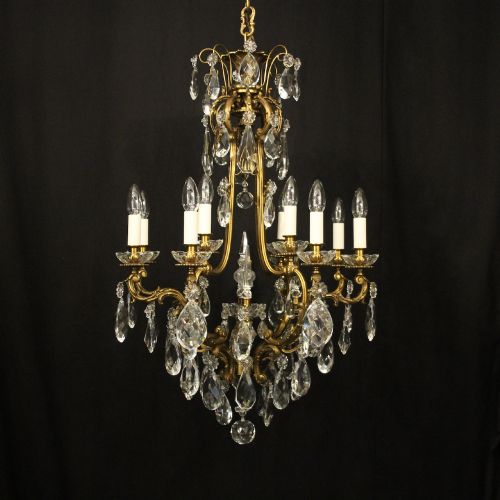
Vintage lighting encompasses a range of fixtures designed to illuminate interiors, drawing from periods spanning the Victorian era through the Art Deco movement. Buyers searching for vintage lighting will encounter varied forms, from multi-light crystal chandeliers to slender brass table lamps.
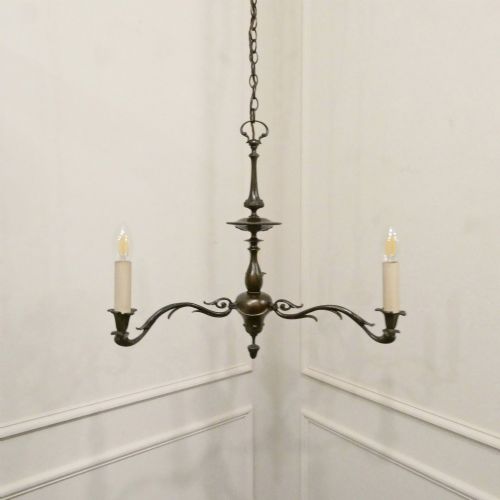
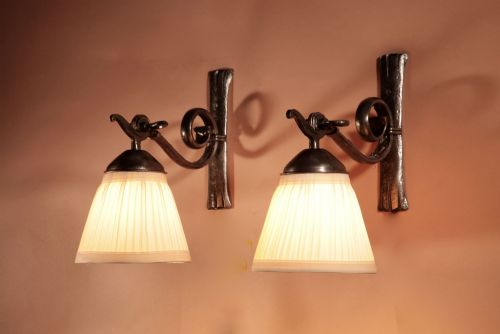
The most common items meeting this search include ceiling lights, wall sconces, and standard lamps produced in brass, bronze, and oak. Each piece reflects the decorative priorities of its respective decade, from the ornate gilding of earlier periods to the cleaner lines of the 1930s.
How they were made
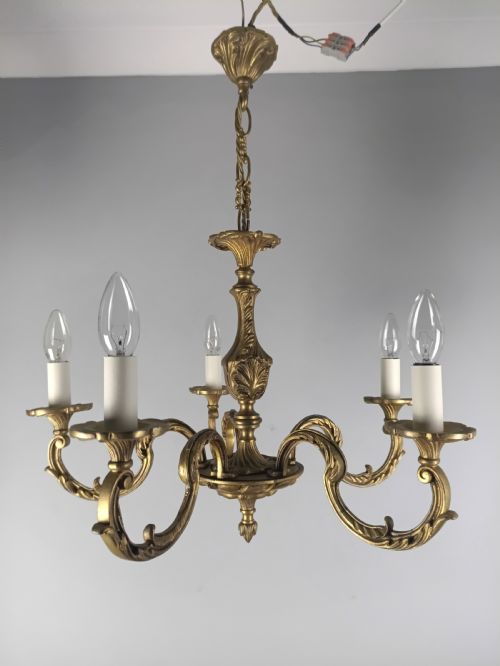
Construction relies heavily on metals such as brass, gilt metal, and bronze, often shaped through casting and then hand-finished. These metal components provide the structural framework for chandeliers and the sturdy bases for table lamps.
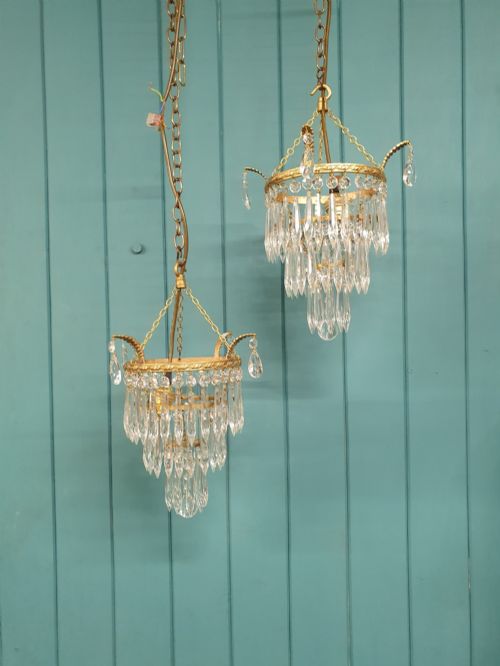
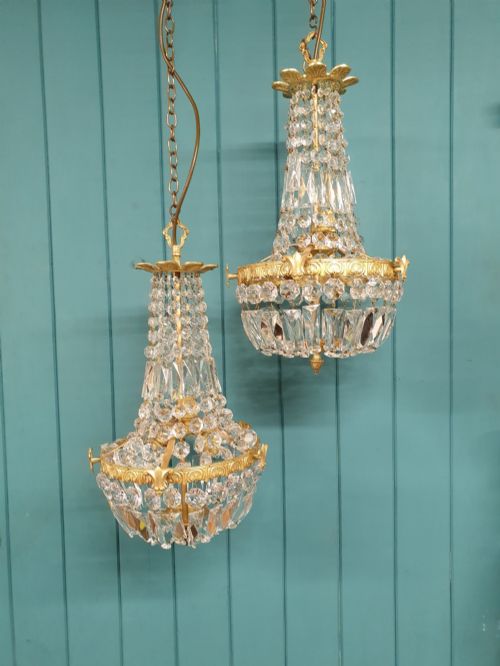
Glass and crystal elements, including cut glass spikes, drops, and cranberry glass shades, are integrated to refract light and enhance visual depth. Many fixtures combine these glass components with metal armatures using traditional pin and wire fixings.
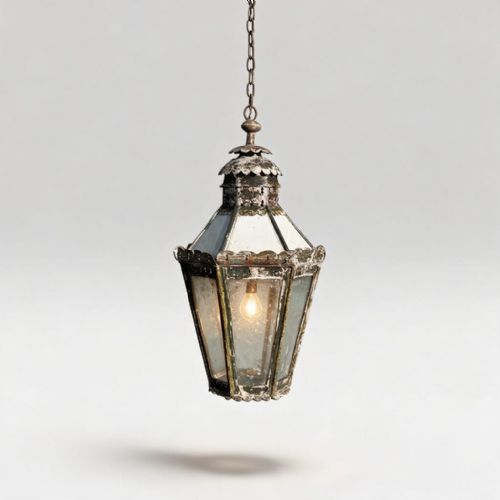
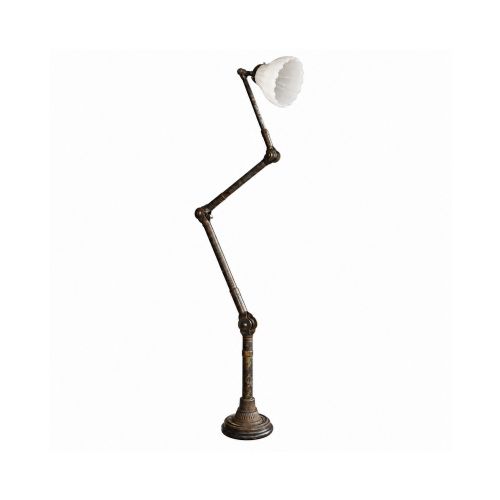
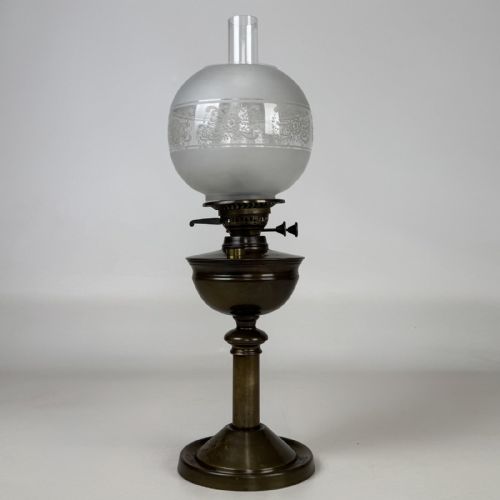
Organic materials like oak feature in associated floor lamps, whilst lanterns employ specialised construction methods such as hand-stitched leather and vellum. Metalwork is frequently gilded, silver-gilded, or left in its natural polished or patinated state.
The listings show vintage lighting spanning from the 1870s Victorian era through the 1930s Art Deco period, utilising brass, crystal, and oak.
What varies in quality
The calibre of a fixture is determined by the weight and fineness of its casting, particularly in brass and bronze elements where crisp detail signifies superior execution. Substantial metalwork and precise joinery distinguish finer examples from standard production pieces.
Crystal quality dictates how brilliantly a chandelier refracts light, with high-grade cut glass displaying sharp facets and clear transparency rather than dullness or surface bubbling. The completeness and uniformity of matching crystal drops also elevate a piece's standing.
Design ambition separates basic utility lighting from masterworks that incorporate complex multi-tier frames, elaborate tent and waterfall arrangements, or distinctive artistic styles like Vienna Secession and Arts and Crafts.
Jason and Joseph Kohn·Heals of London·Burmantofts Faience
The Vintage Lighting Glossary
- Chandelier
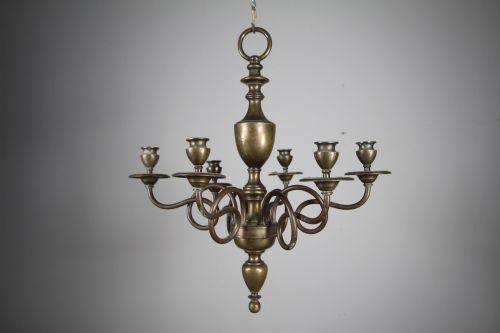
- A branched ceiling-mounted lighting fixture designed to hold multiple lamps or candles. These pieces often feature glass drops and elaborate metal framing.
- Tent and waterfall
- A style of chandelier construction where strings of crystal beads form a conical upper tent shape above a cascading lower tier. This design maximises light reflection.
- Art Deco
- A design style prevalent in the 1920s and 1930s characterised by streamlined forms, geometric patterns, and modern materials. It replaced the more ornate floral motifs of earlier decades.
- Cranberry glass
- A type of transparent red-pink glass created by adding gold to the molten batch. It is frequently seen in late 19th and early 20th-century oil lamps.
- Gilt bronze
- Bronze metal that has been coated with a thin layer of gold or gold leaf to impart a rich metallic sheen. This technique prevents tarnishing and adds decorative opulence.
Vintage Lighting: Frequently Asked Questions
How do I choose the right size chandelier?
Selecting the correct scale depends on the dimensions of your room and the height of your ceiling. Multi-light fixtures with crystal drops require adequate clearance to dominate a space without overwhelming it.
Smaller four or six-light variations suit modest dining spaces, whilst twelve-light configurations demand larger rooms with high structural clearance.
Can these vintage lights be rewired safely?
Most antique and vintage electrical items are adapted for modern wiring standards by professional restorers. Components like brass standard lamps and wall lights can be updated safely while retaining their original aesthetic.
It is advisable to have any historical fixture tested by a qualified electrician before daily domestic use.
What is the difference between Edwardian and Art Deco lighting?
Edwardian lighting draws upon earlier aesthetic traditions, utilising polished brass, cranberry glass, and detailed casting reminiscent of Victorian sensibilities. These designs prioritize traditional craftsmanship and decorative warmth.
Art Deco lighting embraces the design philosophy of the 1930s, featuring cleaner lines, alabaster bowls, and geometric forms that reflect modern industrial progress.
Where were these vintage lighting pieces originally used?
Chandeliers and wall sconces typically illuminated formal reception rooms, grand dining spaces, and hallways in period homes. Their multi-arm designs were engineered to maximise illumination before electric grids were widespread.
Table and standard lamps provided localized task lighting in studies, libraries, and drawing rooms during the late 19th and early 20th centuries.