

Edwardian Style Dress Ring
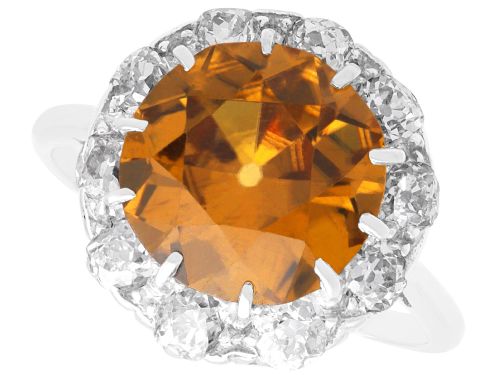
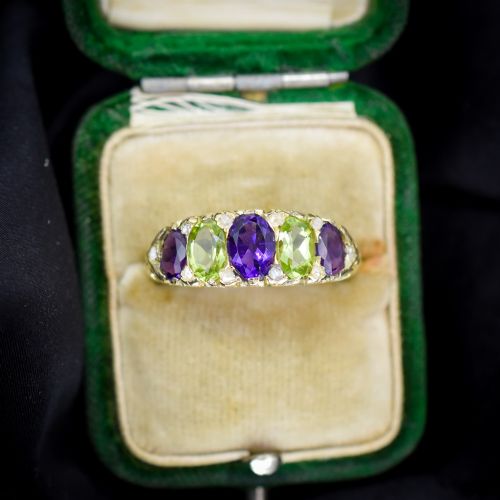
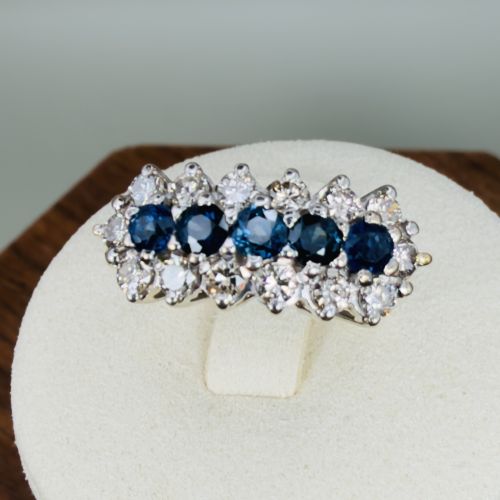
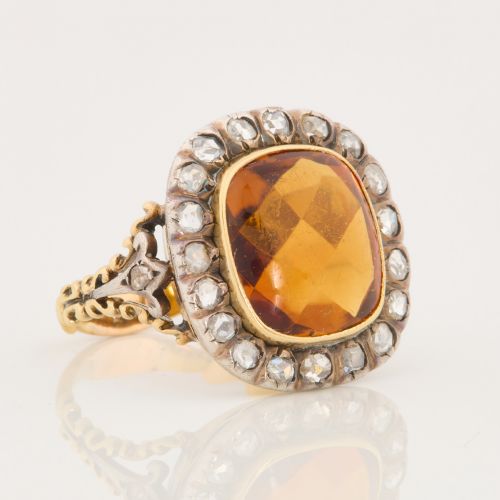
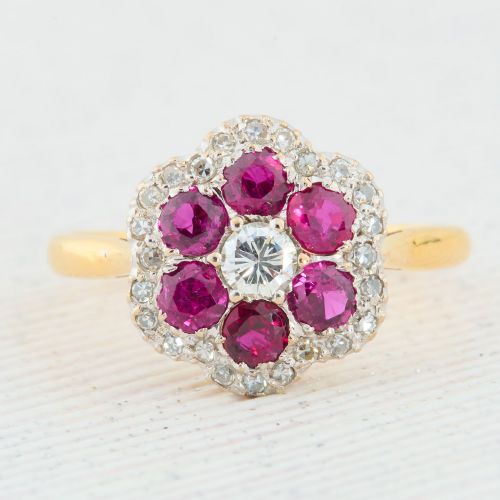
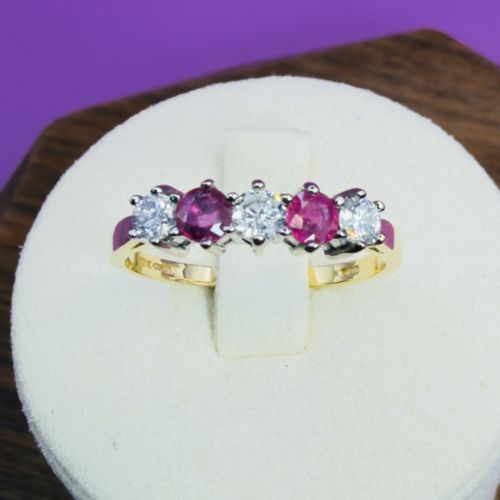
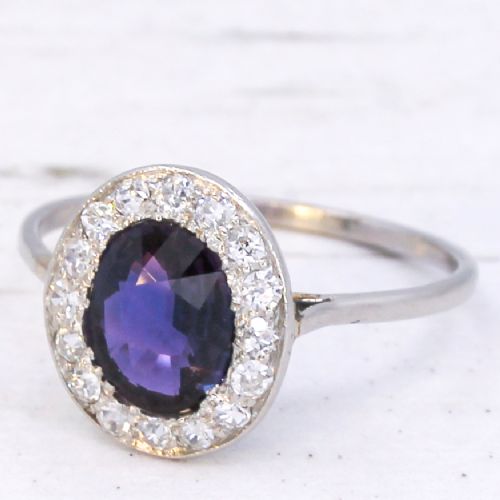
An edwardian style dress ring brings together delicate diamond and sapphire clusters from various twentieth-century periods.
Edwardian Style Dress Ring
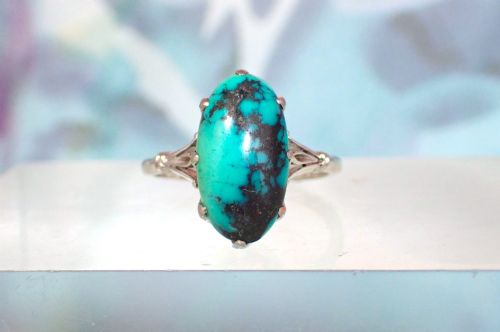
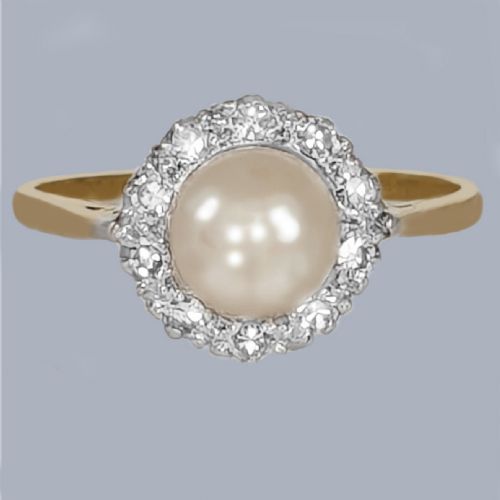
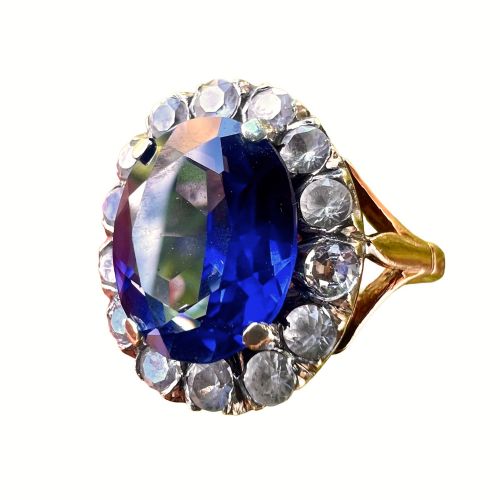
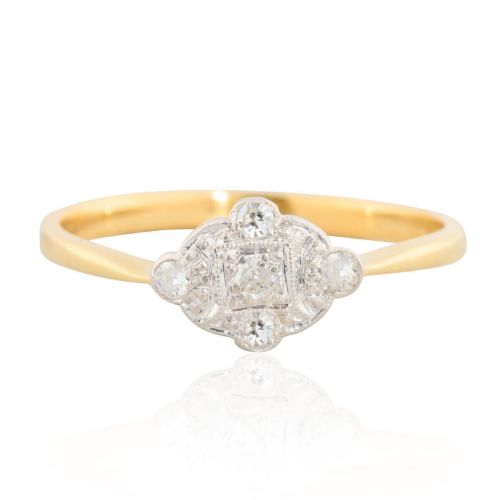
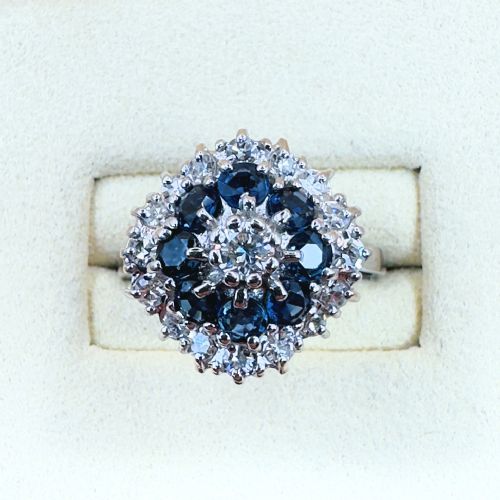
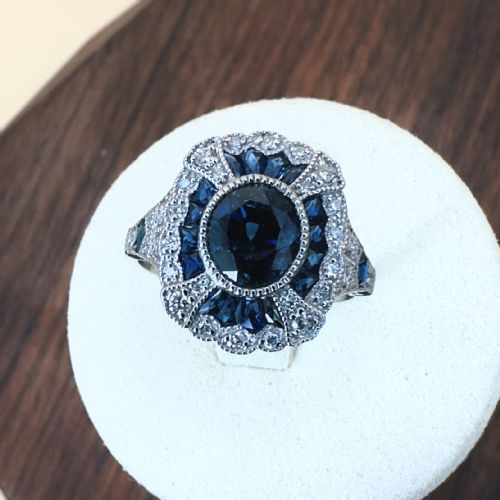
An edwardian style dress ring typically takes the form of a cluster, boat, or halo mounting designed to sit prominently on the finger. The selection encompasses genuine Edwardian pieces alongside later revivals from the 1920s, 1930s, and mid-century decades.
The primary forms utilise central gemstones such as sapphire, opal, ruby, and aquamarine, framed by smaller diamonds in white gold, yellow gold, or platinum settings. Most examples meet the criteria of traditional cocktail and dress rings created for social wear.
How they were made
Maker construction relies on combinations of 18ct gold, 18ct white gold, and platinum to secure stones in cluster and plaque formations. Gemstones are frequently set alongside old-cut diamonds using traditional claw and bezel techniques.
Materials span natural sapphire, opal, zircon, and ruby paired with precious metals, occasionally incorporating hallmarking details from Birmingham and London assay offices.
Listings span multiple decades from the 19th century through the 1960s, uniting platinum, gold, and diverse gemstone clusters.
What varies in quality
Quality differences depend on the integration of the central gemstone weight and the precision of the surrounding diamond work. Higher grade examples display balanced proportions between the primary stone and the supporting halo or cluster.
The choice of metal, whether platinum or standard gold, alters the structural refinement and longevity of the setting. Weight distribution and stone matching dictate the overall character of each piece.
William Comyns
The Edwardian Style Dress Ring Glossary
- Cluster ring
- A ring featuring a central stone surrounded by a group of smaller gemstones, often diamonds. This layout maximises visual impact and light reflection.
- Boat ring
- A navette or horizontally elongated ring shape resembling the hull of a boat. It sits across the finger rather than vertically.
- Halo ring
- A setting style where a central gemstone is encircled by a continuous ring of smaller pavé or claw-set stones. It enhances the perceived size of the main gem.
- Plaque ring
- A flat, geometric ring face often associated with Art Deco design. It frequently incorporates intricate piercing and millegrain detailing.
- Old-cut diamond
- A vintage diamond cutting style characterised by a smaller table, higher crown, and open culet. These stones exhibit a softer, candlelit sparkle compared to modern cuts.
Edwardian Style Dress Ring: Frequently Asked Questions
How do I care for an opal dress ring?
Opals contain natural water content and require gentle cleaning with a soft cloth rather than harsh chemical immersion. Store them away from hard impacts to protect the delicate cabochon surface.
Removing the ring during manual tasks prevents unnecessary wear on the claws and surrounding gold or platinum setting.
What is the difference between Edwardian and Art Deco rings?
Edwardian rings typically feature light, lace-like platinum and yellow gold work with floral or garland motifs. They emphasise feminine elegance and softer gemstone arrangements.
Art Deco pieces shift towards bold geometric lines, plaque forms, and high-contrast white metal settings with calibrated sapphires and rubies.
Can I wear a vintage dress ring daily?
Daily wear is possible for robust platinum and 18ct gold mountings, provided the settings are checked regularly by a jeweller. Softer stones like opals or pearls demand extra caution against knocks.
Consider reserving more delicate multi-stone cluster configurations for occasional evening use to preserve the integrity of the antique claw work.
How are different gold purities identified?
British hallmarking stamps on the inner shank indicate the metal purity, such as 18ct or 9ct gold. These marks often include assay office symbols like the Birmingham anchor or London leopard's head.
Examining the stamp helps confirm the period of manufacture alongside stylistic cues from the setting.