


Edwardian Style Couch
Edwardian style couch designs bring together nineteenth-century comfort and early twentieth-century elegance for everyday seating.
Edwardian Style Couch
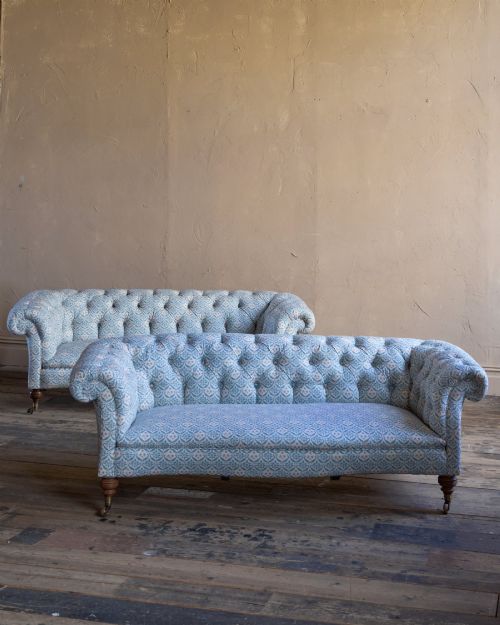
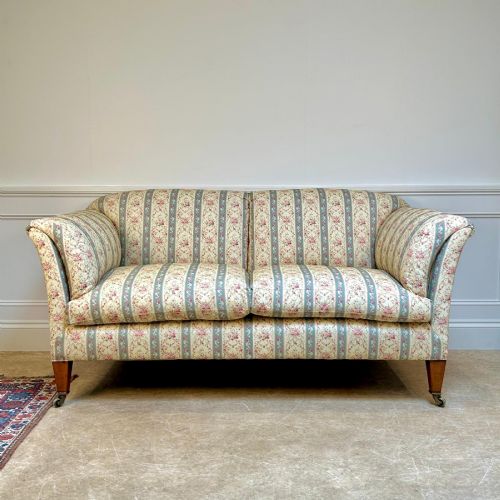
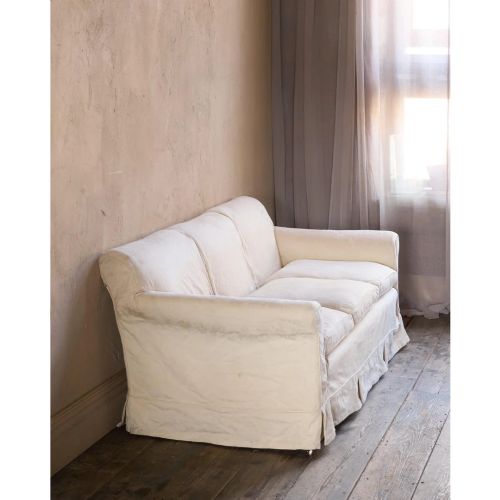
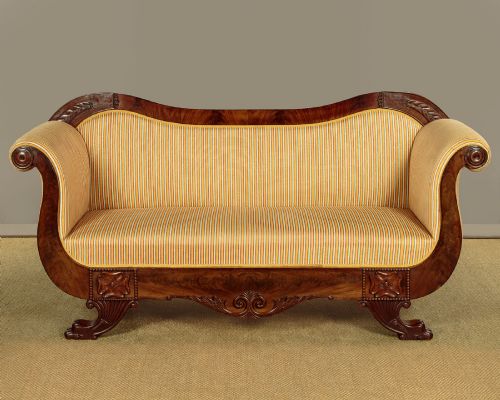
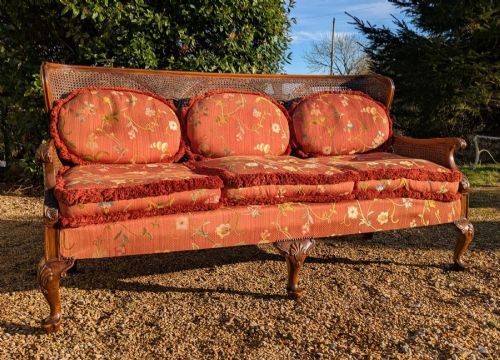
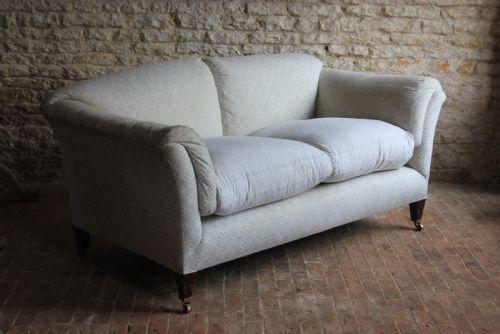
An edwardian style couch encompasses a wide variety of seating forms, from deep-buttoned chesterfields and knole sofas to lighter canework settees and chaise longues. Buyers seeking this aesthetic encounter pieces spanning the nineteenth century through the nineteen-thirties, reflecting diverse historical revivals.
The selection frequently includes English country house pieces alongside formal revival styles such as Chippendale, Louis XVI, and Regency. Many examples utilise traditional upholstery materials like leather, velvet, and ticking over robust timber frames.
Makers and workshops of the period produced everything from intimate window seats to large lounge suites. These items serve as functional focal points in contemporary interiors while retaining their historical character.
How they were made
Frames are constructed from solid timbers including mahogany, walnut, rosewood, and satinwood, often decorated with carved details or gilt finishes. Workshops employed traditional joinery to ensure structural integrity across heavy chesterfields and lighter canework frames.
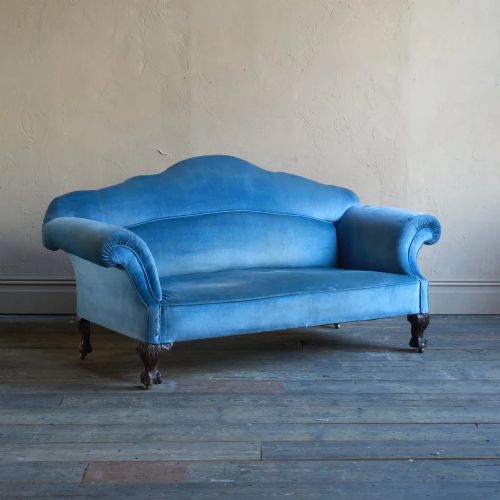
Upholstery methods utilised traditional fillings such as horsehair alongside feather cushions and modern fabric covers. Leather and velvet feature prominently, secured with careful deep buttoning or finished with exposed wood and brass accents.
Listings feature frames constructed from mahogany, walnut, rosewood, and satinwood, alongside brass and canework.
What varies in quality
The standard of craftsmanship shows in the precision of timber carving and the rigidity of the underlying frame construction. Superior pieces demonstrate careful attention to internal padding and upholstery execution using traditional materials like horsehair and feather.
Distinction also arises from the provenance of the maker and the originality of the upholstery components. Pieces retaining their original ticking or branded maker stamps command greater interest among collectors.
Howard and Sons·William Birch·J. S. Kinsey
The Edwardian Style Couch Glossary
- Chesterfield
- A large upholstered sofa characterised by deep buttoning and rolled arms of equal height to the back. This form provides robust seating suited to libraries and drawing rooms.
- Bergere
- An enclosed armchair or sofa with upholstered seat and back panels set within a wooden frame, often featuring cane work. This style emerged in France and heavily influenced English Edwardian seating.
- Knole sofa
- A traditional English seat design featuring adjustable hinged arms that can be dropped or raised. It originated at Knole House and became popular in refined country house interiors.
- Chippendale revival
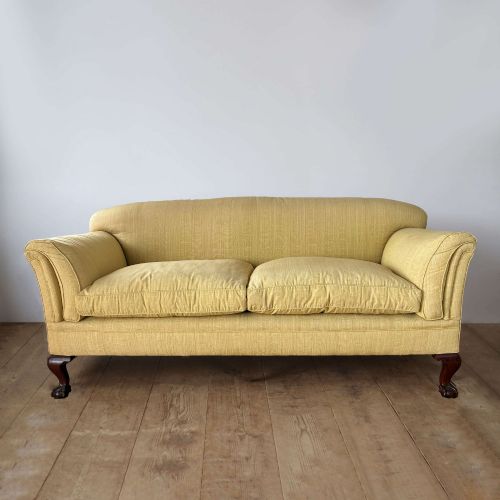
- A furniture style drawing on eighteenth-century designs by Thomas Chippendale, typically executed in mahogany with carved details and ball and claw legs. Makers revived these patterns during the late nineteenth and early twentieth centuries.
Edwardian Style Couch: Frequently Asked Questions
How do I care for leather upholstery?
Leather surfaces require regular dusting and occasional conditioning to maintain suppleness and prevent cracking. Keeping these materials away from direct heat sources preserves the finish.
Natural patinas develop over time with use, reflecting the age and history of the piece without requiring aggressive cleaning methods.
Are these couches comfortable for daily use?
Most examples incorporate generous cushioning filled with feathers or horsehair designed for extended sitting. Deep seats and supportive backs make them practical for daily living spaces.
Different models offer varying degrees of firmness depending on whether they were built as formal drawing room settees or relaxed library seating.
How do I identify a revival style?
Revival pieces borrow decorative vocabulary from earlier periods such as the Georgian, Regency, or Louis XVI eras. Examining the secondary woods and construction methods helps determine the actual date of manufacture.
Stylistic cues like carved ball and claw legs or gilt decoration indicate which historical era inspired the maker.