



Vintage Howard Sons Sofa
A vintage howard sons sofa brings unmatched English Country House character to a room, built for enduring comfort and timeless proportion.
Vintage Howard Sons Sofa
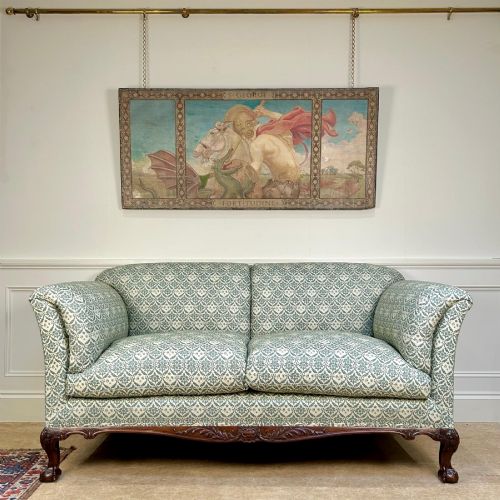
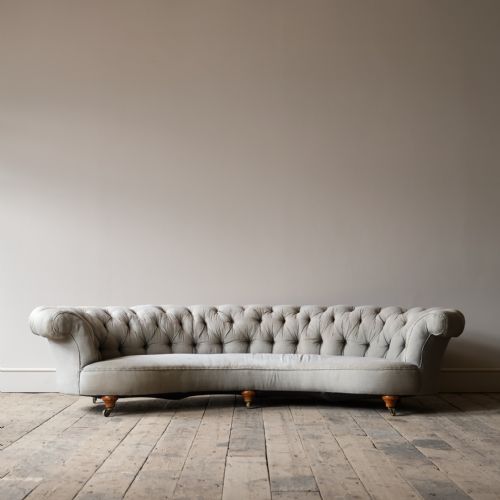
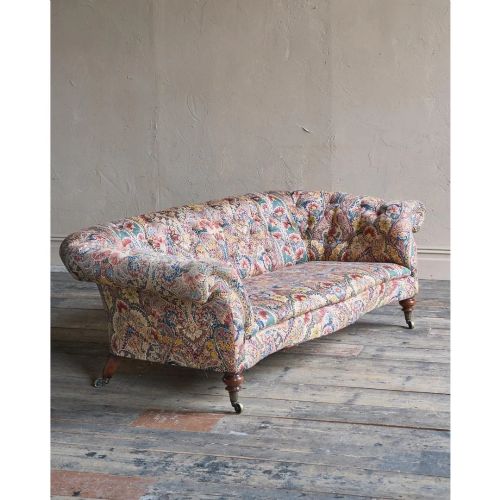
A vintage howard sons sofa represents the pinnacle of 19th and early 20th century English seating, encompassing distinct forms like the Chesterfield, the daybed, and the double wingback. Buyers seeking a vintage howard sons sofa encounter pieces spanning the Victorian and Edwardian eras, characterised by deep buttoning or traditional ticking fabric upholstery.
Most examples found here date from the nineteenth century or the Edwardian period, often resting on mahogany, walnut, or hardwood frames. Whether upholstered in original ticking, leather, or Chinoiserie fabric, each vintage howard sons sofa displays the signature craftsmanship of the maker.
Construction and materials
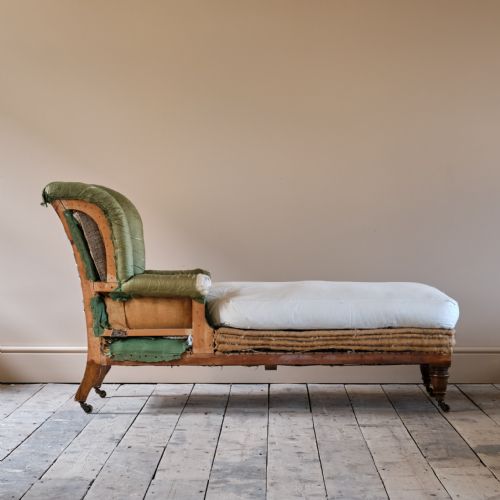
Frames are constructed from sturdy hardwoods such as mahogany and walnut, providing a robust skeleton designed to withstand decades of heavy use. Traditional stuffing techniques utilise hessian, cotton, and calico beneath the final top cover to shape the generous curves and deep cushioning.
Detailing often includes turned hardwood legs terminating in brass castors, whilst specific models incorporate carved elements like claw and ball feet. Upholstery methods range from plain ticking fabric and leather to decorative Chinoiserie textiles seen on Aesthetic Movement pieces.
Vintage Howard Sons Sofa Retail Price Guide 2026
Typical asking prices for vintage howard sons sofa among the pieces listed under this phrase on Sellingantiques today, from the lower quarter to the upper quarter. They describe what is for sale here now, not the wider market.
Some nineteenth-century examples combine traditional English comfort with whimsical claw and ball feet and Chinoiserie fabric.
Factors of quality
The calibre of a piece rests heavily on the integrity of the underlying hardwood frame and the preservation of its traditional sprung upholstery system. Original upholstery materials, such as vintage ticking or period leather, hold distinct appeal compared to later replacement coverings.
Distinction also lies in the nuance of the timber work, from simple turned legs to elaborately carved brass-castor feet and distinct stylistic flourishes like claw and ball details. The structural purity of named iterations, such as the Leeds or Crescent forms, dictates the standing of the piece within the range.
Howard and Sons
The Vintage Howard Sons Sofa Glossary
- Chesterfield
- A large upholstered sofa with arms and back of the same height, traditionally featuring deep button tufting. This form remains a staple of 19th-century English seating.
- Ticking
- A durable, tightly woven cotton or linen fabric historically used to enclose mattress and furniture stuffing. Original ticking is frequently found on undisturbed Howard workshop pieces.
- Aesthetic Movement
- A late 19th-century design current emphasising visual beauty over narrative or moral themes. Pieces from this movement often incorporate exotic motifs like Chinoiserie.
- Daybed
- A long seat designed for reclining, combining elements of a chair and a bed. Nineteenth-century examples often feature adjustable reclining mechanisms.
- Hardwood
- Dense timber derived from broad-leaved trees, utilised for the primary structural frames of quality seating. Mahogany and walnut are prime examples seen in these listings.
Vintage Howard Sons Sofa: Frequently Asked Questions
How do I identify a Howard and Sons sofa?
Look for stamped maker marks on the castors or wooden frame legs, alongside traditional construction methods like hair stuffing and hessian webbing.
The distinctive proportions and deep, sprung comfort also point directly to the maker's London workshops.
What is original ticking upholstery?
Original ticking is the sturdy, striped cotton or linen fabric applied beneath or as the primary cover during the piece's initial manufacture.
Finding a sofa retaining this lining adds significant historical interest for collectors of the firm's work.
Are these sofas comfortable for daily use?
These pieces were built using traditional coil-sprung seating systems designed to offer deep, supportive relaxation.
Their robust hardwood frames and multi-layered stuffing make them exceptionally well-suited for everyday living spaces.
How do Victorian and Edwardian models differ?
Victorian examples tend to feature heavier proportions, deep buttoning, and ornate details like brass castors or carved claw and ball feet.
Edwardian iterations often lean towards slightly smaller scales and simpler lines while maintaining the signature upholstery standards.
Can I place a daybed in a living room?
A reclining daybed serves as an elegant alternative to a standard sofa, offering a versatile profile for reading and lounging.
Their finished backs and detailed wooden frames allow them to sit effectively away from walls in open spaces.