




Edwardian Storage Trunk
These edwardian storage trunk examples combine practical utility with robust construction, offering durable storage solutions shaped by military and travel history.
Edwardian Storage Trunk
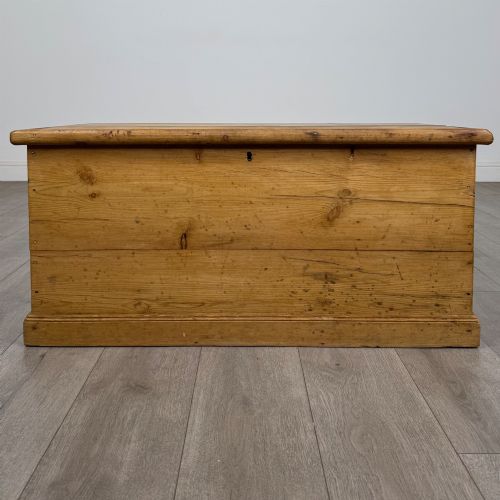
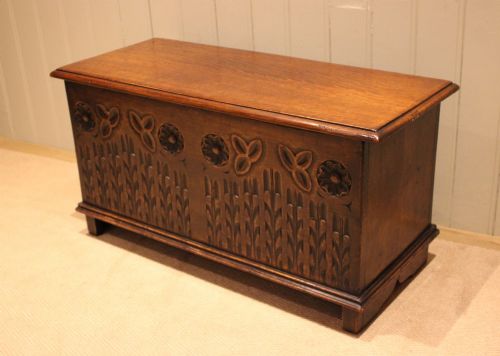
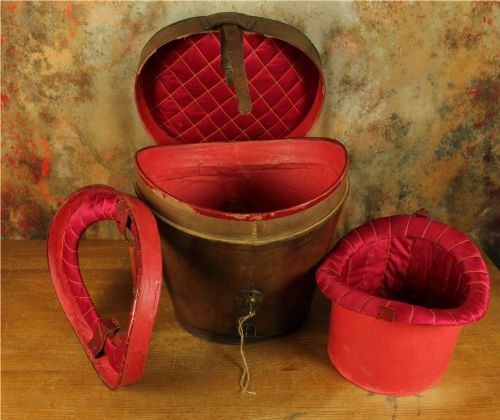
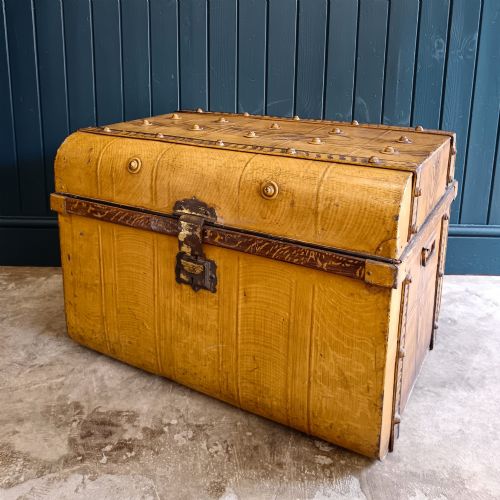
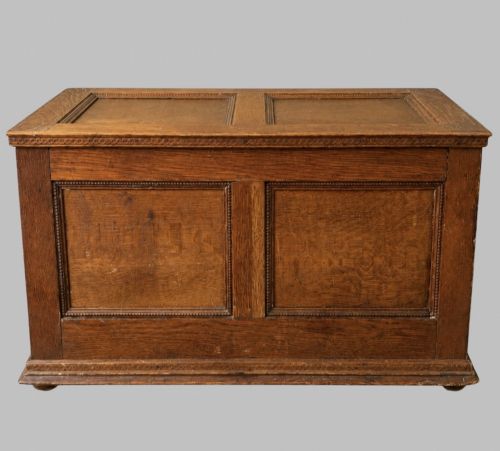
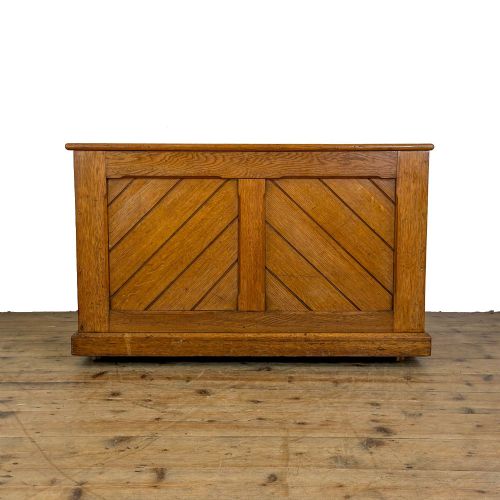
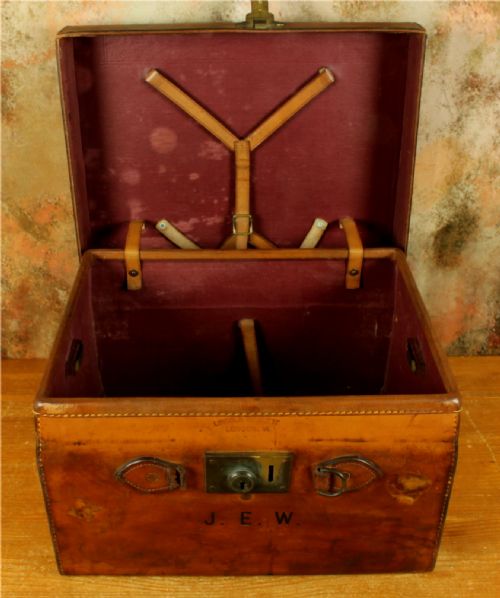
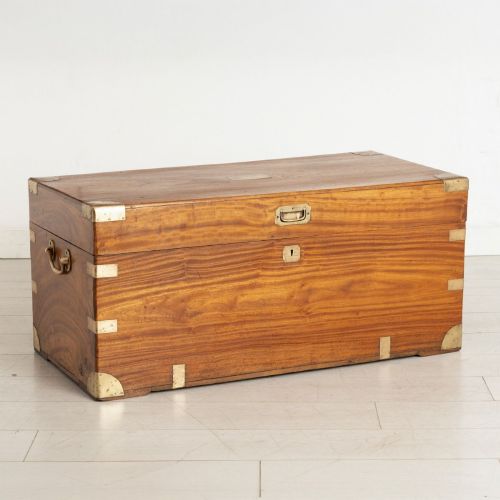
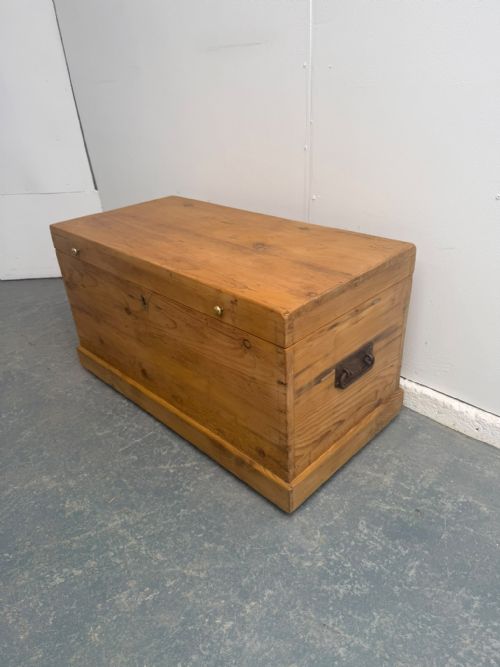
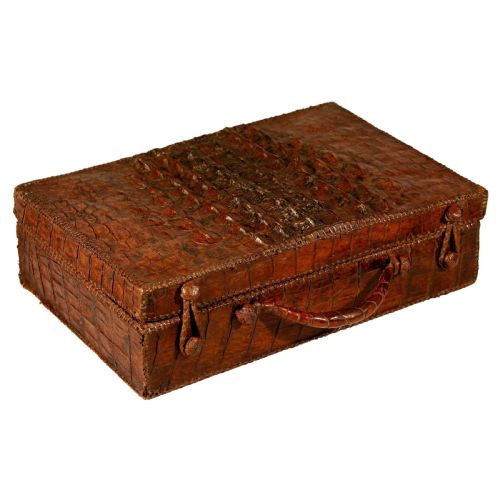
An edwardian storage trunk encompasses various utilitarian forms designed for travel and household storage, ranging from sturdy blanket chests to fitted luggage. The pieces seen here include robust oak coffers, leather hat boxes, camphor wood chests, and metal steamer trunks reflecting early twentieth-century domestic and transit needs.
Buyers will most frequently encounter solid oak blanket chests, pine storage boxes, and brass-bound campaign trunks from the period. These items served distinct purposes in period households, from holding household linens to transporting belongings across continents by ship and rail.
How They Were Made
Makers utilised durable domestic and exotic timbers such as oak, pine, elm, and fragrant camphor wood, often joined with robust panelled construction or dovetail joints. These wooden carcases were frequently reinforced for heavy travel using iron, steel, or brass bands, alongside durable leather coverings and canvas linings.
Hardware played a structural role in manufacture, incorporating heavy brass or iron carrying handles, reinforced corner brackets, and secure locking mechanisms. Protective exterior finishes ranged from simple wax and polish to painted surfaces and weather-resistant canvas.
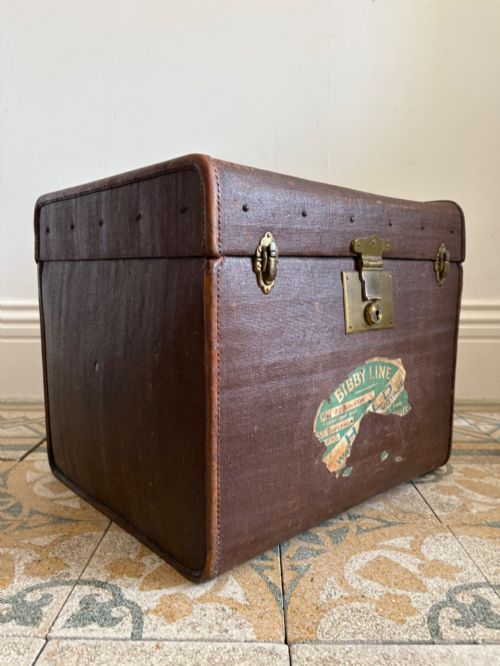
Some trunks retain their original travel stickers, whispering tales of grand steamship voyages across long-vanished global shipping lines.
What Varies In Quality
Quality rests primarily in the integrity of the original construction and the grade of materials selected by the maker. Solid hardwoods like oak and camphor wood, combined with substantial metal reinforcement and original brass fittings, represent a higher standard than simpler softwood packing cases.
The degree of internal fitting and specialised utility also distinguishes examples. Trunks featuring original compartment dividers, velvet or leather linings, and maker signatures or retail stamps indicate superior original commission and purpose.
Lincoln Bennett·Allen of London
The Edwardian Storage Trunk Glossary
- Campaign chest
- A portable set of drawers or a trunk designed to be easily dismantled or transported by military officers on active service. These pieces typically feature recessed brass handles and corner brackets to prevent damage during transit.
- Steamer trunk
- A lower-profile luggage chest specifically designed to fit beneath the cabin berth on an ocean liner. They often incorporate reinforced canvas coverings and internal wooden laths.
- Camphor wood
- An aromatic timber prized for its insect-repellent properties, frequently utilised for travel chests originating from or intended for tropical climates. The distinct scent helps protect stored textiles from moths.
- Coffer
- A traditional heavy wooden chest, often panelled and carved, used primarily for storing valuables and household linens. Early examples display prominent joinery and decorative front panels.
Edwardian Storage Trunk: Frequently Asked Questions
How were edwardian storage trunk designs used?
These trunks served primarily for transporting personal belongings during travel by rail and steamship, or for domestic storage of heavy winter garments and household linens. Wealthy households utilised them for extended journeys, whilst military officers relied on specialised campaign versions.
In modern interiors, they function effectively as coffee tables, end-of-bed blanket storage, or statement pieces in hallways. Their robust construction allows them to support weight while keeping contents dust-free and organised.
What materials make up an edwardian storage trunk?
Construction relies heavily on durable hardwoods like oak and elm, alongside fragrant camphor wood chosen for its natural insect-repellent properties. Exterior surfaces are frequently reinforced with iron, brass, or steel bands and protected by leather, canvas, or painted finishes.
Internal compartments often feature secondary softwoods, paper linings, or fitted leather trays designed to secure specific accessories such as top hats and silver.
How do I care for my trunk?
Maintain wooden and leather surfaces with occasional light applications of traditional wax to prevent drying and cracking. Avoid placing antique trunks in direct sunlight or near heat sources which can warp timber and damage metal fittings.
Keep interior spaces well-ventilated, particularly when storing textiles in camphor wood or lined chests. Gentle dusting with a dry cloth is generally sufficient for regular maintenance.
How can I identify the period?
Dating relies on examining the construction techniques, hardware styles, and materials used in the piece. Edwardian and early twentieth-century examples often display machine-sawn timber elements alongside hand-finished details, complemented by characteristic brass or iron hardware.
Maker stamps, retail labels from department stores, and railway transit stickers frequently provide direct evidence of manufacture date and provenance.