


Edwardian Still Life
These edwardian still life pieces capture fruit and flora with painterly precision, offering timeless charm for any collector of period interiors.
Edwardian Still Life
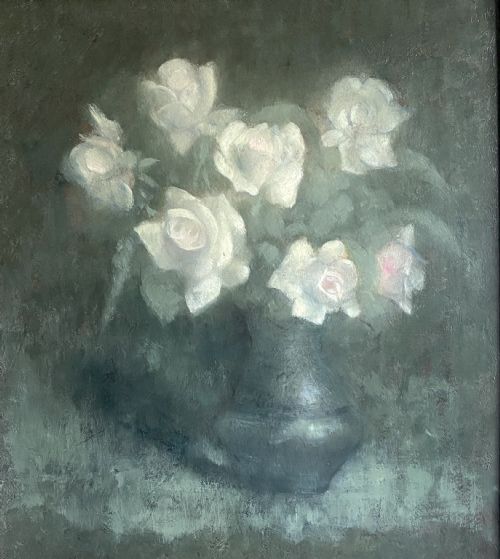
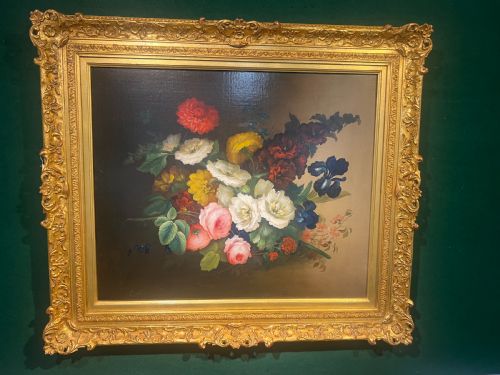
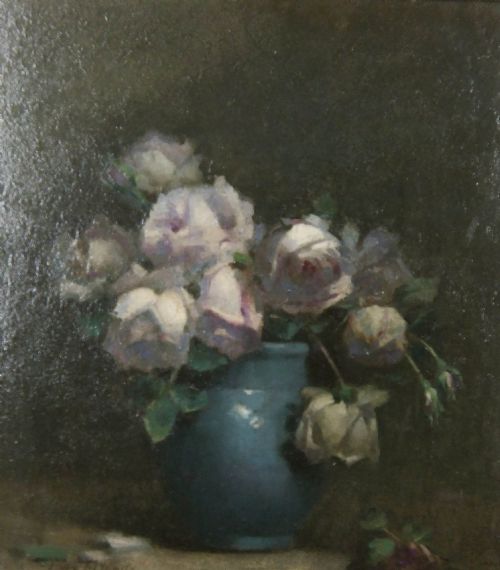
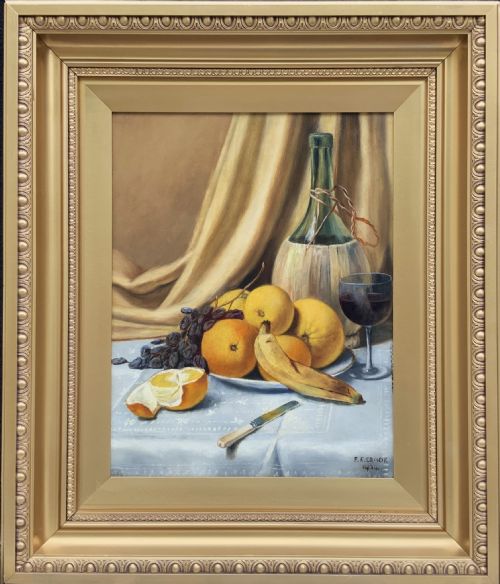
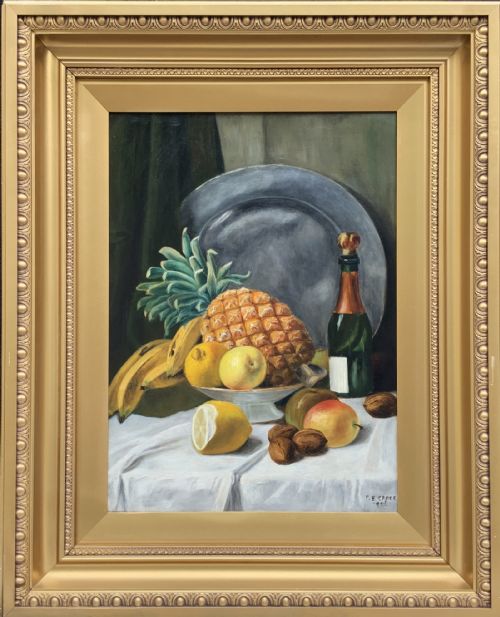
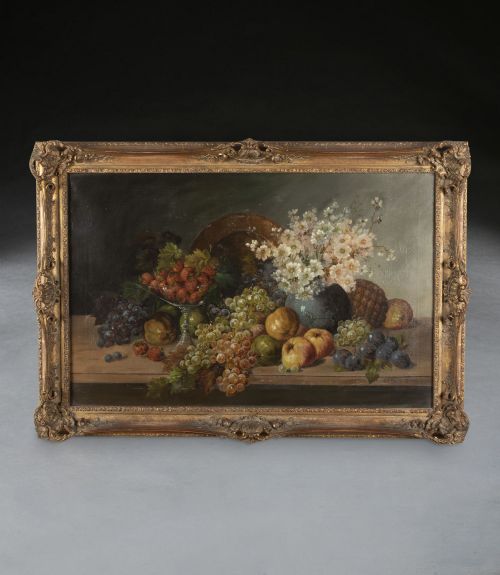
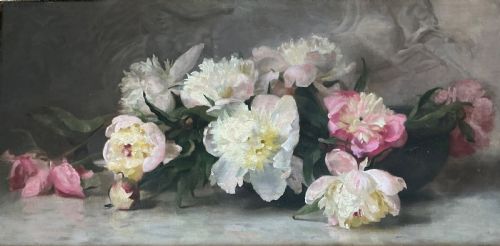
An edwardian still life brings domestic interiors of the early twentieth century into focus through painted studies of cut flowers, roses, and gathered fruit. You will frequently encounter oil paintings on canvas and board alongside delicate watercolours on paper, framed for display.
The selection spans from Victorian antecedents into the 1920s and 1930s, reflecting shifts in British art and floral appreciation. Alongside traditional canvases, decorative plates and painted porcelain introduce variety to the category.
How they were made
Artists applied oil paint and watercolour onto stretched canvas, prepared boards, and heavy paper, often capturing the textures of petals and fruit with confident brushwork. Gilt frames and gesso mouldings completed many of the works, protecting the painted surfaces under glass where specified.
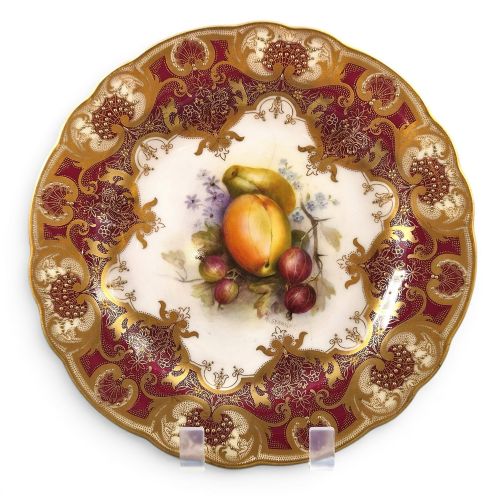
Ceramic pieces utilise porcelain bodies painted by hand with fruit and floral motifs, then fired with glossy glazes to preserve the pigments. Gold leaf accents frequently highlight the decorative borders of plates and vases.
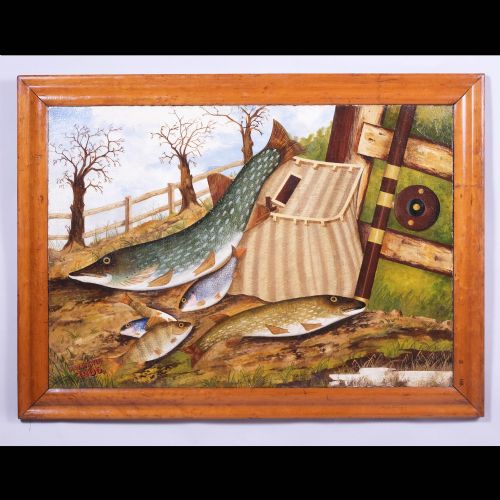
A few fish make an unexpected appearance among the roses, proving that Edwardian artists were quite willing to mix their catch with their flora.
What varies in quality
The sophistication of brushwork and composition distinguishes the finest works from simpler decorative studies, separating professional academy artists from casual practitioners. Handling of light upon fruit surfaces and the naturalism of floral arrangements reveal the depth of the painter's skill.
Preservation of the original paint layer and the condition of the surrounding gilt frame influence the desirability of each piece. Intact surfaces free from extensive retouching retain the maker's original tonal harmony.
Edwin Steele·Richard Sebright·Arthur Dudley·William Thomas Wood·Gertrude Hayes·Lester Sutcliffe·Harry Davis·John Robertson Reid·Ernest Higgins Rigg·Louisa Mary Bancroft
The Edwardian Still Life Glossary
- Canvas
- A heavy woven fabric stretched across a wooden frame to serve as a foundation for oil painting. It provides a flexible yet durable support favoured by artists.
- Gesso
- A plaster mixture applied to wood or canvas to prepare a smooth surface for painting or gilding. This ground layer ensures the pigments adhere evenly.
- Gilt frame
- A wooden picture surround coated with a thin layer of gold leaf or metallic paint. These frames often feature ornate moulding typical of the period.
- Watercolour
- A paint consisting of water-soluble pigments applied to paper. It creates luminous, translucent washes well suited to botanical studies.
- Cabinet plate
- A decorative ceramic plate intended for display rather than dining. Painters used these as canvases for detailed fruit and floral scenes.
Edwardian Still Life: Frequently Asked Questions
How do I identify an authentic edwardian still life?
Look closely at the materials, framing, and signature styles typical of the early twentieth century. Pigments, canvas preparation, and framing techniques often align with the period.
Examine the back of the canvas or board for old labels, dealer stamps, or handwritten inscriptions. These clues frequently help verify the date and origin of the artwork.
Were these paintings meant for specific rooms?
Floral and fruit subjects traditionally hung in dining rooms, morning rooms, and drawing rooms to bring natural colour indoors. Their intimate scale suited domestic interior decoration.
Wealthy households displayed framed canvases and painted porcelain cabinets together to showcase taste. The artworks complemented period furnishings and floral arrangements.
How should I care for an antique oil painting?
Keep painted works away from direct sunlight and damp environments to prevent fading and canvas degradation. Stable room temperatures protect both the paint layer and the wooden stretcher.
Dust the surface and frame gently with a soft, dry brush without applying pressure. Avoid using liquid cleaners or chemical solvents on historic paint.
What subjects besides flowers appear in these works?
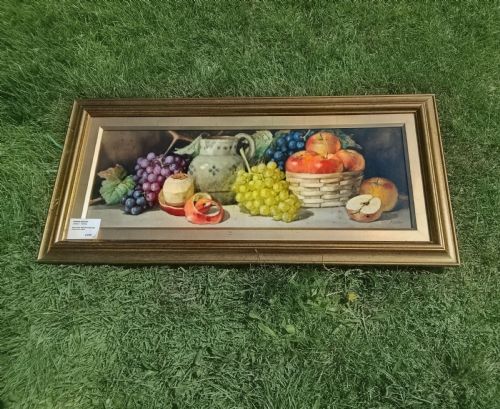
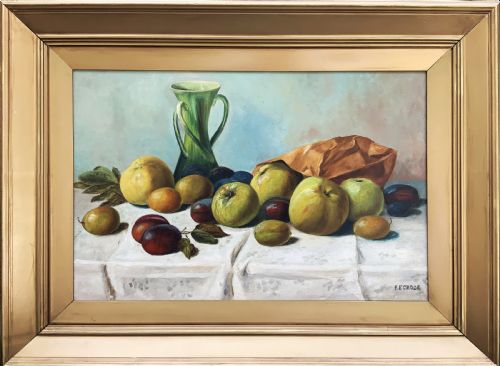
Artists frequently arranged seasonal fruit, such as apples, grapes, and peaches, alongside ceramics and glassware. These compositions allowed painters to explore reflections and textures.
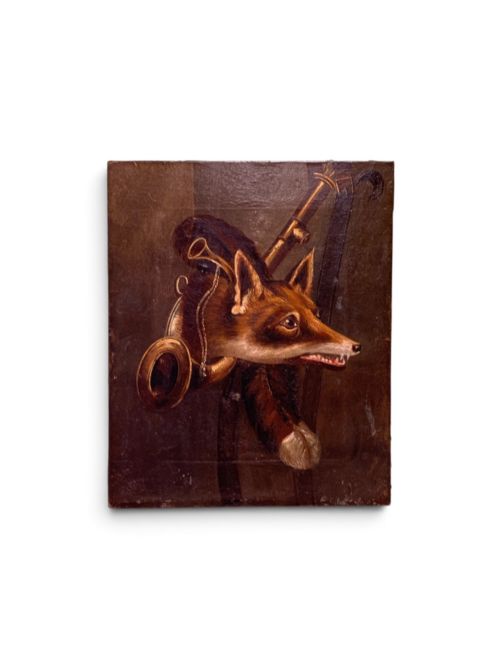
Some pieces incorporate sporting elements, such as fish and fowl, reflecting contemporary Victorian and Edwardian country pursuits. These varied subjects demonstrate the broad scope of still life traditions.