




Edwardian Sterling Snuff Box
An edwardian sterling snuff box is a pocket-sized silver container used for tobacco or keepsakes, offering tactile pleasure and period craftsmanship.
Edwardian Sterling Snuff Box
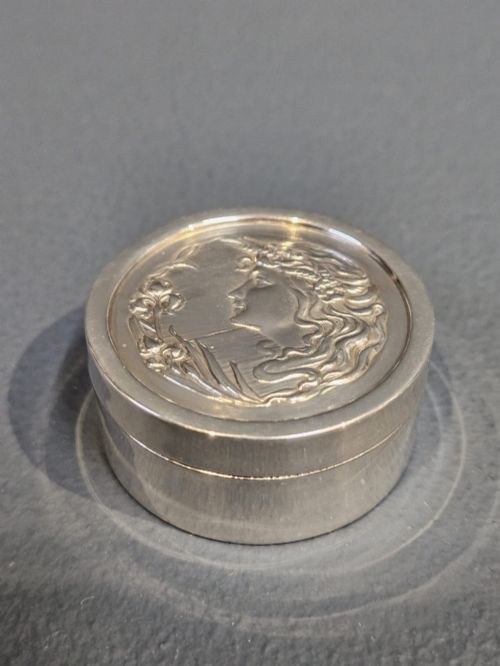
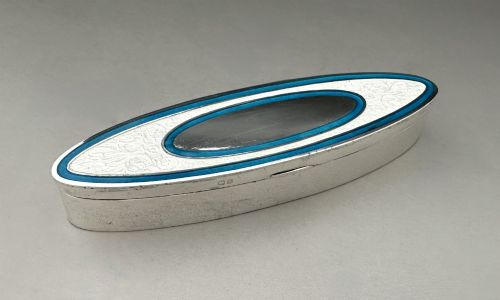
When you search for an edwardian sterling snuff box, you encounter small silver vessels designed for pocket use, encompassing pill boxes, card cases, and tobacco boxes. These items emerge primarily from the Edwardian period and adjacent decades such as the Victorian and George V eras.
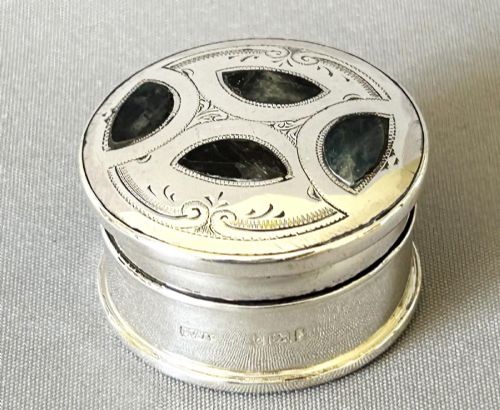
The assortment includes utilitarian pieces alongside novelty designs shaped as animals like French bulldogs and cows. Materials extend beyond plain silver to incorporate Scottish agate, mother of pearl, garnets, and vitreous enamel.
Most examples originate from British assay offices, whilst continental makers also contribute imported silver and enamel pieces. Collectors find both plain planished surfaces and engine-turned decoration represented across the inventory.
Materials and Technique
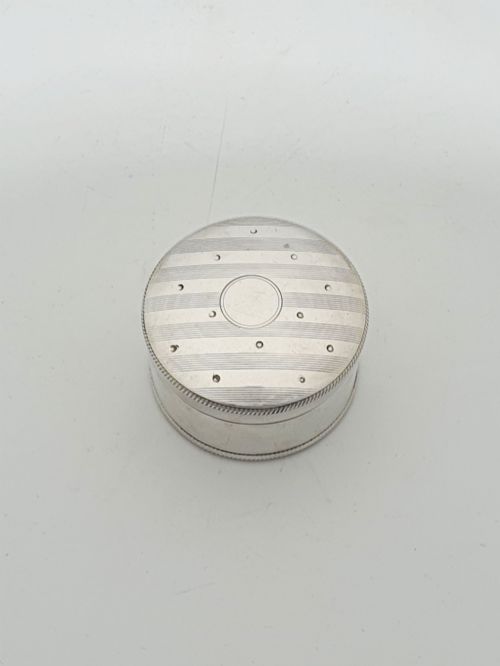
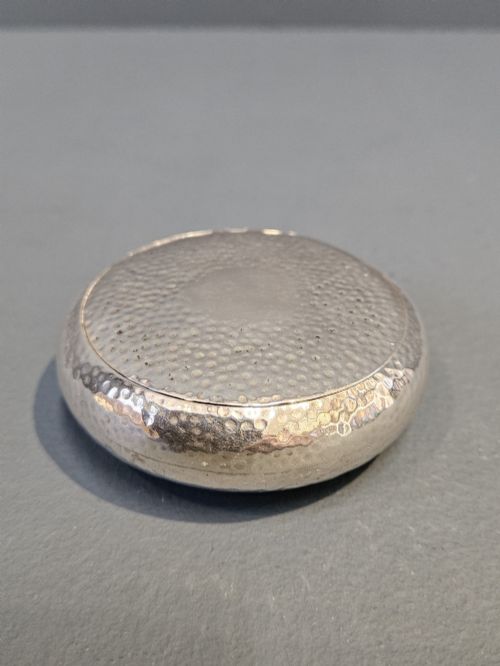
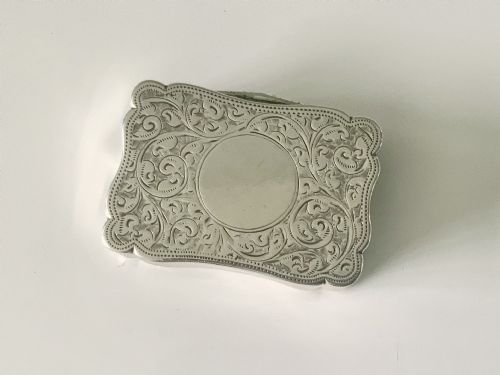
Silversmiths constructed these containers using sterling silver and solid silver, frequently applying techniques such as engine-turning to create geometric patterns on the metal. Planished finishes leave deliberate hammer marks on the surface for a textured appearance.
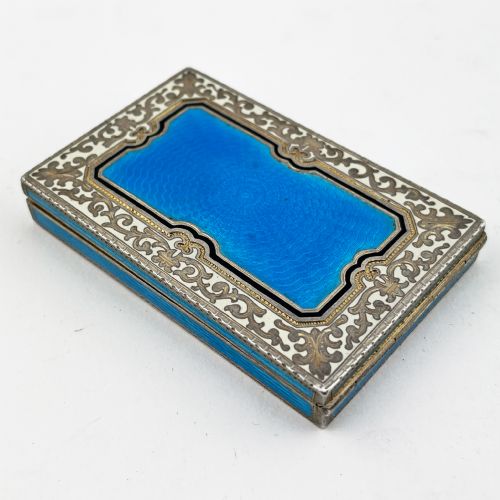
Vitreous and guilloche enamels introduce colour, layered over worked metal bases to achieve translucent or bi-colour effects. Inset panels of Scottish agate and mother of pearl utilise natural stones and shell secured directly into the silver mounts.
Edwardian Sterling Snuff Box Retail Price Guide 2026
Typical asking prices for edwardian sterling snuff box among the pieces listed under this phrase on Sellingantiques today, from the lower quarter to the upper quarter. They describe what is for sale here now, not the wider market.
Listings feature Edwardian, Victorian, and George V periods alongside materials including sterling silver, Scottish agate, and guilloche enamel.
Quality and Execution
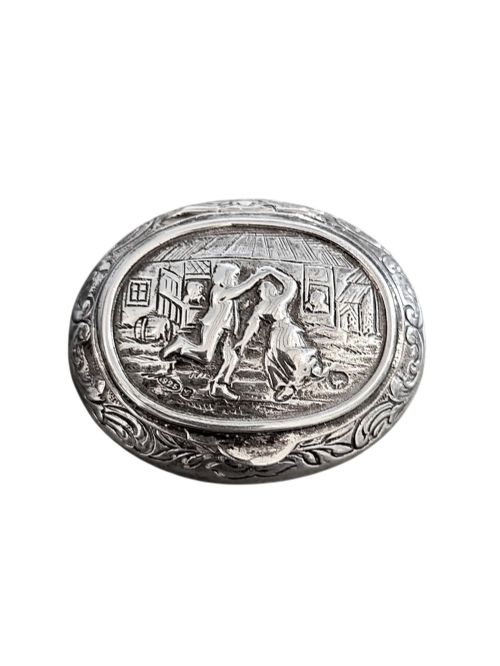
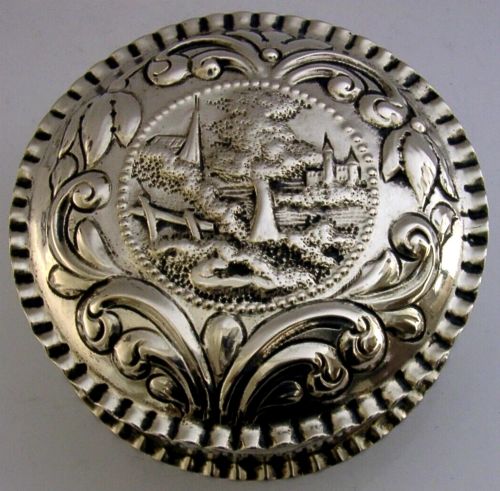
Differentiation in these pieces rests on the complexity of the manufacturing technique and the integration of secondary materials. Novelty animal forms and detailed picture castle tops demand higher levels of sculptural skill than standard geometric boxes.
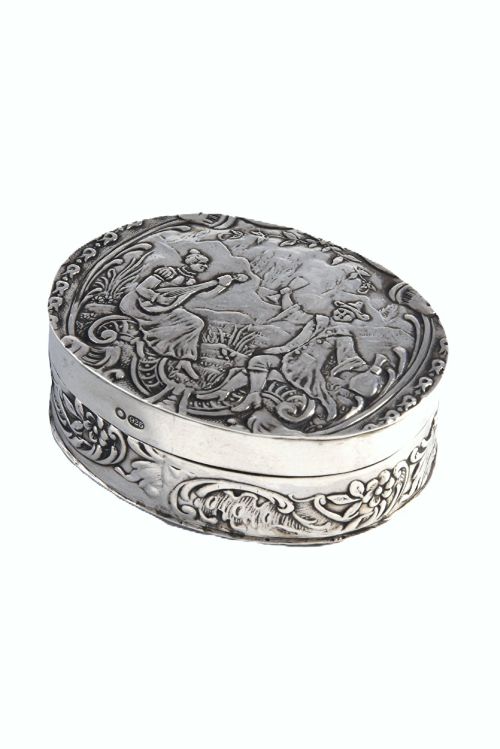
The presence of undamaged guilloche enamel, crisp engine-turning, and well-fitted hinged lids elevates a piece. Hallmarks and import marks provide clear evidence of origin and maker, which influences the standing of individual boxes.
Schlingloff Hanau·W Comyns
The Edwardian Sterling Snuff Box Glossary
- Sterling silver
- An alloy of silver containing 92.5 percent pure silver and 7.5 percent other metals, usually copper. This standard composition is typical for British silver boxes.
- Engine turned
- A decorative technique involving precision mechanical engraving of intricate geometric patterns onto metal. It creates a textured surface that catches the light.
- Guilloche enamel
- Enamel applied over a metal surface that has been machined with an intricate repetitive pattern. The underlying engraving shows through the translucent coloured glass.
- Planished
- A metalworking finish achieved by hammering the surface with a polished tool. This produces smooth, flat facets with subtle texture.
- Castle top
- A box lid featuring a detailed cast or engraved representation of a building or landscape. These scenic panels are characteristic of heavier table boxes.
Edwardian Sterling Snuff Box: Frequently Asked Questions
What is an edwardian sterling snuff box?
An edwardian sterling snuff box is a small lidded container fashioned from silver during the early twentieth century. They were originally made to hold powdered tobacco, though many survive as trinket or pill boxes.
These pieces reflect the stylistic shifts of the Edwardian era, ranging from plain functional designs to elaborate novelty shapes and enamelled surfaces.
How were these boxes used?
Owners carried them in pockets or handbags for personal use throughout the day. They held snuff, pills, or small folded cards.
Today, collectors use them to display small curiosities or wear them as decorative pocket items. Their robust silver construction allows them to be handled safely.
How do I identify an Edwardian piece?
Dating relies heavily on hallmarks stamped into the silver, which record the assay office, standard, and date letter. Stylistic markers such as specific enamel colours and floral motifs also help.
Comparing pieces against standard period characteristics clarifies whether a box belongs to the Edwardian era or adjacent Victorian and George V periods.
What materials appear besides silver?
Maker utilisation of secondary materials includes vitreous enamel, Scottish agate, mother of pearl, and gemstones like garnets and amethysts. These elements are set into the lids or bodies of the silver containers.
Combinations of bi-colour enamel and natural minerals provide visual contrast against the polished sterling silver frames.