
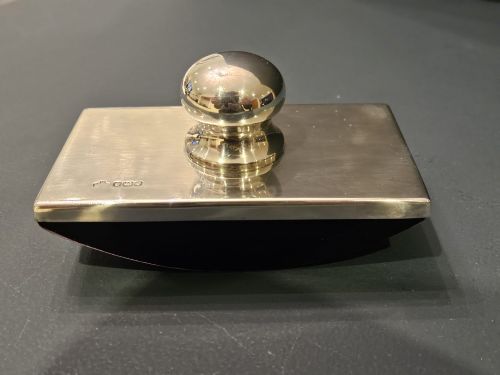


Edwardian Sterling Silverware
Edwardian sterling silverware brings dining tables and dressing desks alive with the bright, reflective weight of genuine silver.
Edwardian Sterling Silverware
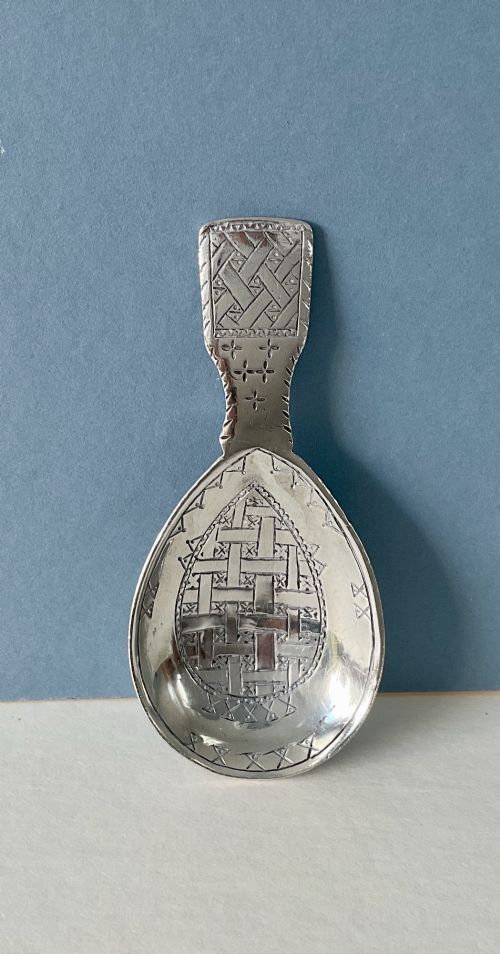
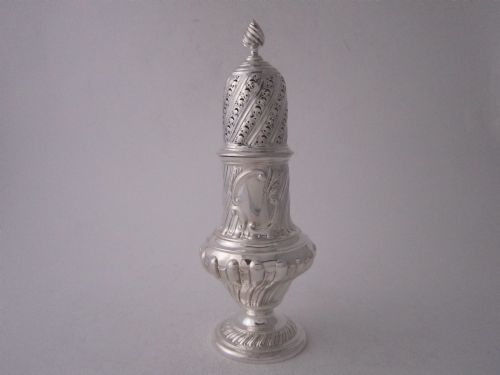
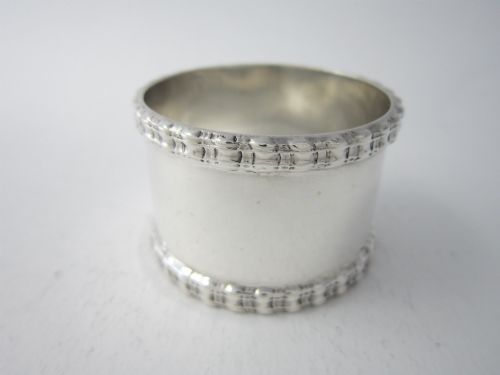
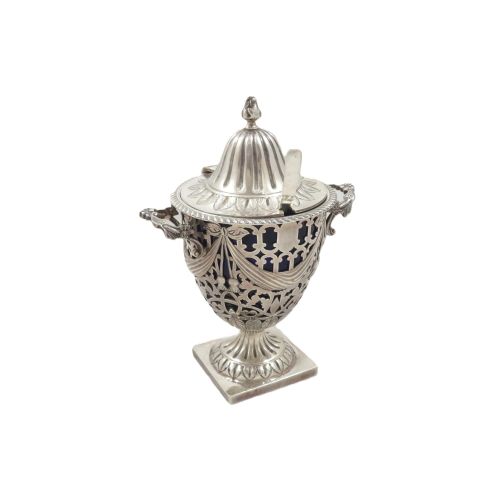
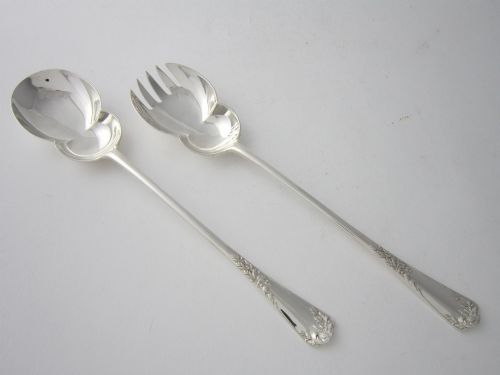
Edwardian sterling silverware encompasses a wide array of functional table items, serving pieces, and desk accessories created during the early twentieth century. When searching for edwardian sterling silverware, buyers encounter objects designed for formal dining, social entertaining, and personal grooming, ranging from toast racks and napkin rings to sugar casters and caddy spoons.
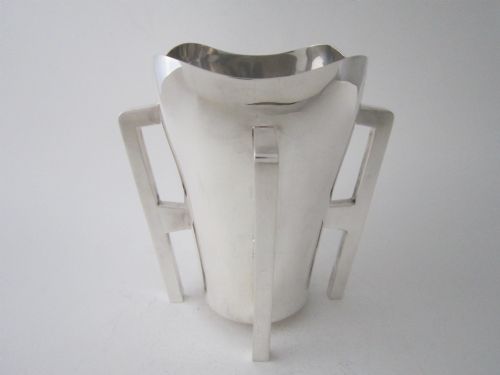
The pieces on this page heavily feature the distinct stylistic preferences of the Edwardian period, alongside related examples from the Victorian, George V, and Art Deco eras. Makers utilised sterling silver alongside supportive materials like cobalt glass, velvet, wood, and leather to produce items that balanced practicality with ornamental elegance.
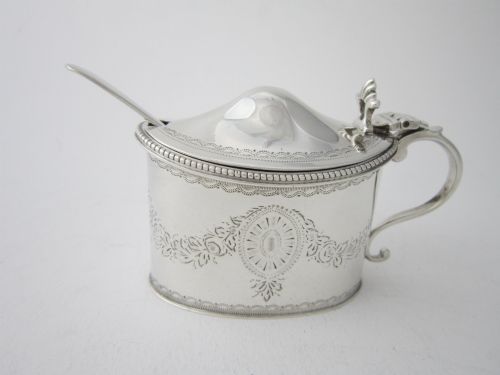
Most items you will meet span domestic tableware and vanity items, such as mustard pots, menu card holders, butter knives, and coffee pots. These survivals reflect the dining rituals and interior aesthetics of a prosperous era, offering both utility and decorative charm for modern homes.
Materials and manufacturing techniques
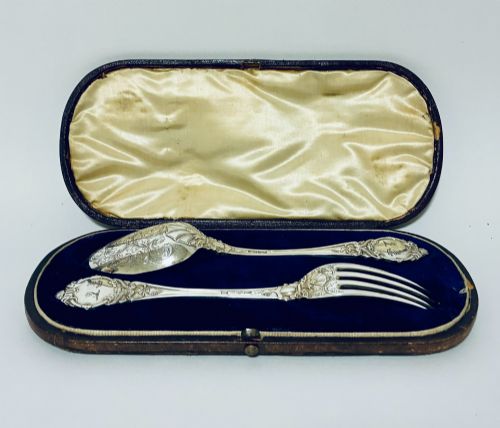
Silversmiths relied primarily on sterling silver and solid silver, working the metal through hammering, casting, and piercing techniques to achieve delicate pierced galleries or robust structural forms. Many hollowware items and flatware pieces incorporate supplementary elements, combining silver with cobalt glass liners, wooden handles, or silk and velvet linings inside presentation boxes.
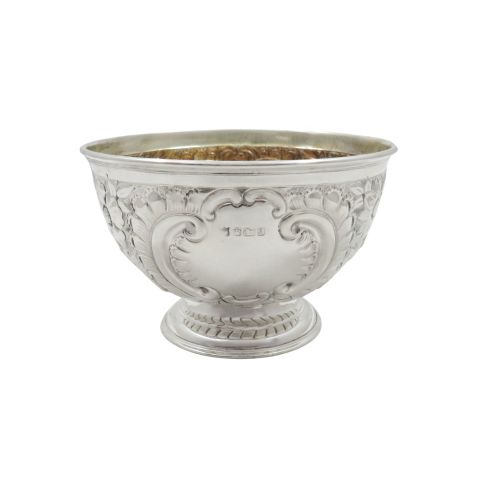
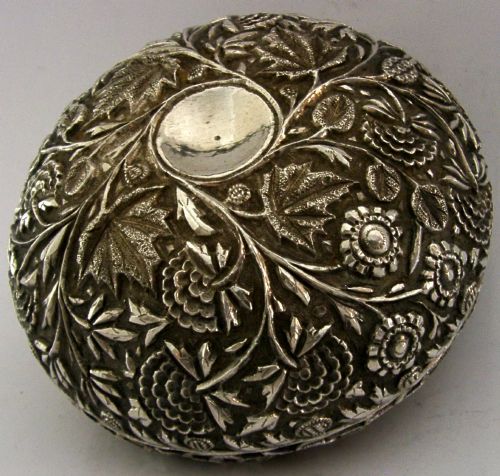
Decoration was achieved through a mix of hand engraving, repoussé work, and applied enamel, frequently displaying stylistic influences from Arts and Crafts, Art Nouveau, and Celtic Revival motifs. Hallmarks stamped directly into the metal recorded the assay office, standard of silver, and date letter, providing a reliable record of origin and maker.
Listings incorporate diverse materials including cobalt glass, silk, velvet, wood, and leather alongside solid sterling silver.
Assessing quality in silver pieces
Quality in this category rests heavily upon the crispness of the original chasing, engraving, and piercing, as well as the preservation of structural integrity across thin-walled items like sugar baskets and toast racks. Superior pieces maintain defined lines and balanced proportions without excessive thinning of the metal from polishing over generations.
The reputation of the maker and the clarity of the complete hallmark punch mark distinguish standard production items from exceptional workshop outputs. Additionally, the retention of original components, such as matching cobalt glass liners or fitted leather and velvet cases, elevates the integrity of the piece.
Barker Brothers·Liberty and Co·John Grinsell and Sons·Roberts and Belk·Harrison Brothers and Howson·Omar Ramsden·Robert Stebbings·Whiting Co
The Edwardian Sterling Silverware Glossary
- Sterling silver
- An alloy consisting of ninety-two point five percent silver and seven point five percent other metals, usually copper, chosen to impart strength while maintaining lustre.
- Hallmark
- A series of official marks stamped on items to indicate the standard of silver, the assay office, the maker, and the year of production.
- Hollowware
- Tableware items such as bowls, pots, baskets, and casters that possess volume and are shaped rather than being flat objects like spoons or knives.
- Repoussé
- A metalworking technique where the artisan hammers the design from the reverse side to create a raised relief pattern on the front.
- Epergne
- A large table centrepiece featuring a central bowl with multiple branching arms designed to hold small dishes or hanging baskets.
Edwardian Sterling Silverware: Frequently Asked Questions
What is a silver toast rack used for?
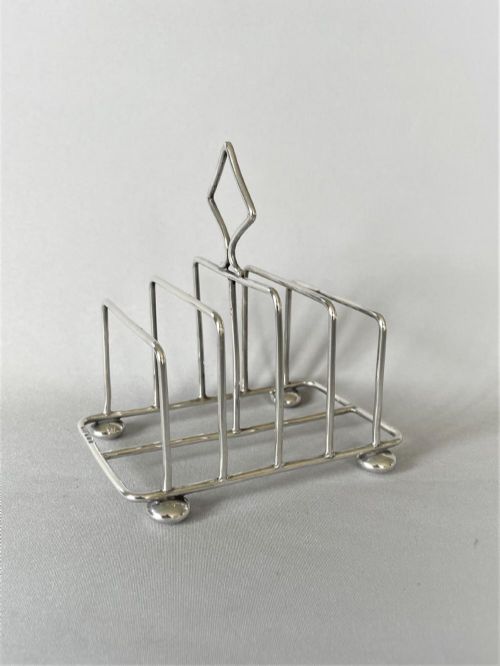
A toast rack is a small table accessory designed to hold slices of toast upright in individual metal dividers, allowing air to circulate so the toast remains crisp rather than soggy.
In period dining settings, these racks were placed directly on the breakfast table alongside butter knives and caddy spoons, often featuring a central loop handle for easy passing.
How do I clean antique silver?
Antique silver requires gentle cleaning with a specialised soft silver cloth and non-abrasive polish to remove tarnish without wearing away the underlying metal or engraving.
Harsh chemical dips should be avoided, particularly on pieces with velvet linings, enamel work, or glass inserts, to prevent permanent damage to delicate secondary materials.
How do I read silver hallmarks?
Silver hallmarks are small stamped symbols that typically include a standard mark for sterling, a city mark for the assay office, and a letter representing the specific year of testing.
Consulting a standard date-letter chart allows you to trace the exact year and location where an Edwardian or Victorian piece was officially assayed.
Can I use antique silver daily?
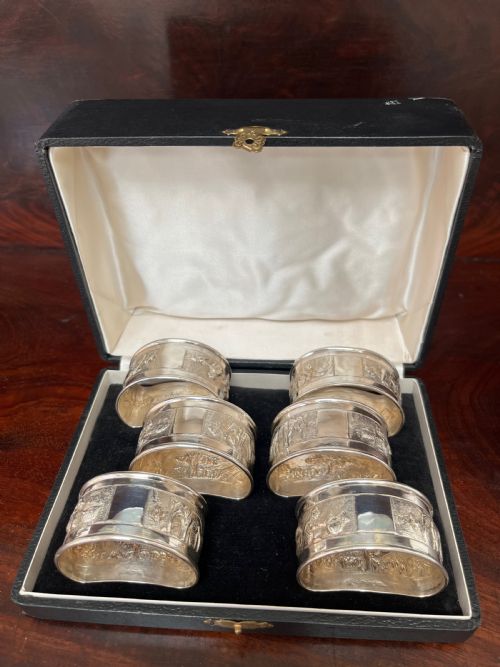
Many antique silver items, such as napkin rings, butter knives, and sugar casters, remain entirely functional for daily use in contemporary dining and hospitality.
Hand washing with mild soap immediately after use preserves the finish, ensuring delicate soldered joints and applied handles are not weakened by modern dishwashers.