
Edwardian Sterling Silver Stand
An edwardian sterling silver stand brings decorative metalwork to a desk or dining table, offering utility through traditional craftsmanship.
Edwardian Sterling Silver Stand
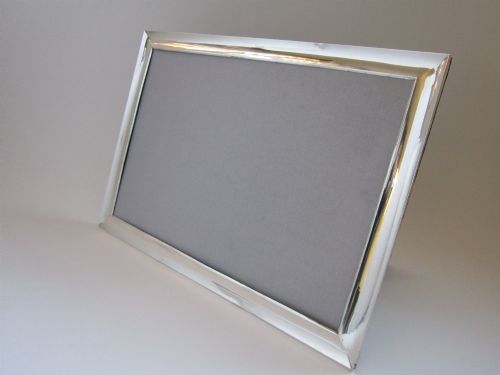
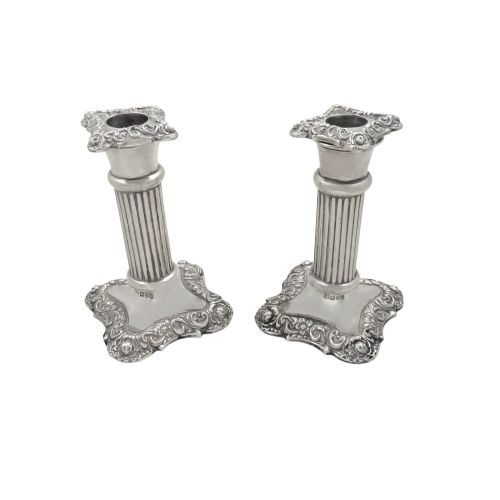
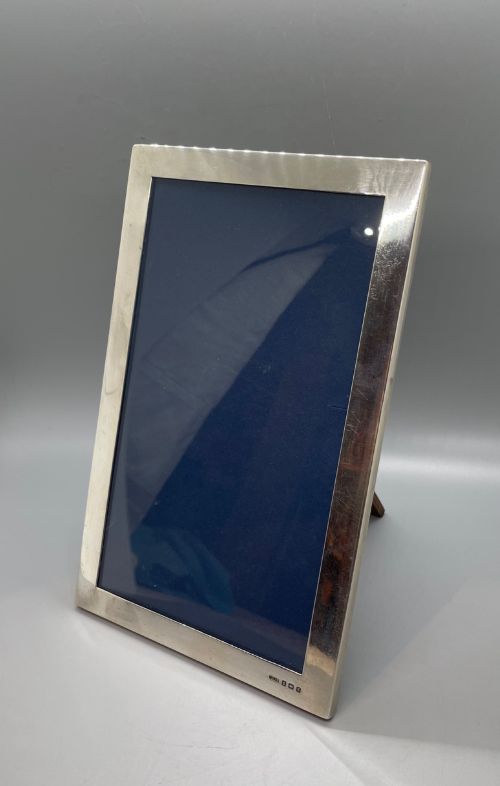
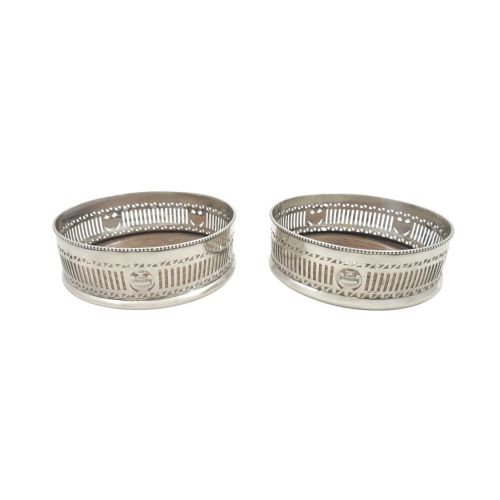
When you search for an edwardian sterling silver stand, you encounter a variety of tabletop pieces designed for dining and correspondence. The selection spans menu holders, photograph frames, candlesticks, wine coasters, and specific desk accessories.
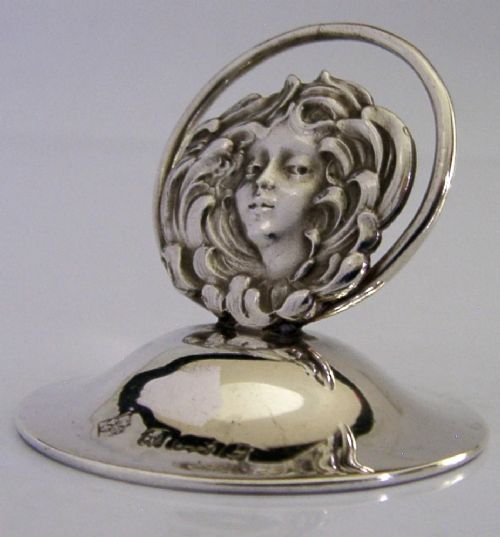
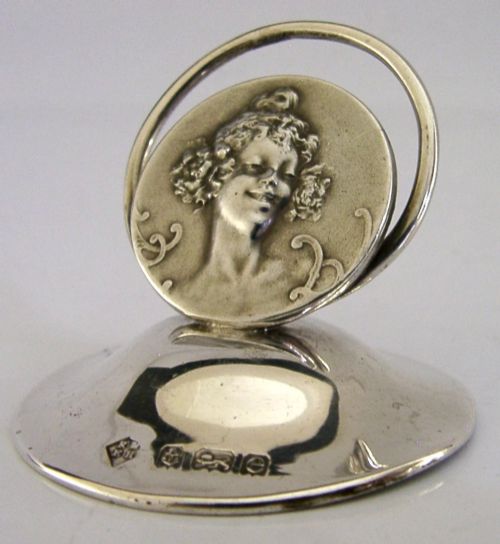
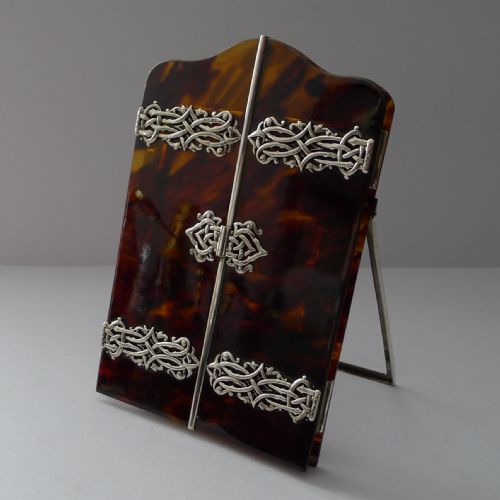
The objects originate primarily from the Edwardian period and the early twentieth century, with styles ranging from plain geometric forms to elaborate Art Nouveau florals. Many items serve specific functions like holding pocket watches, teapots, or hats.
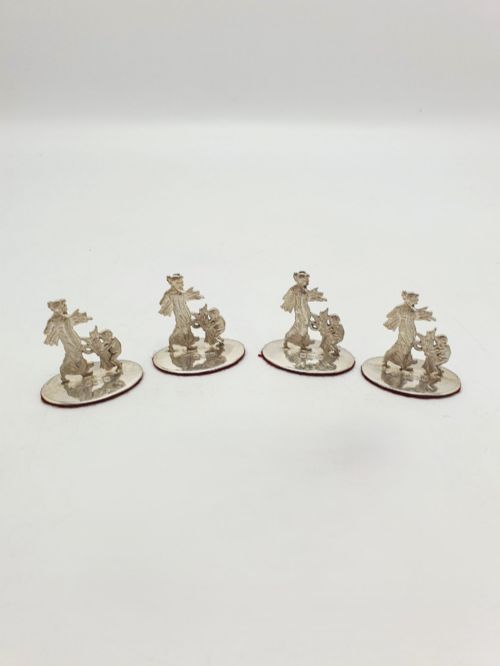
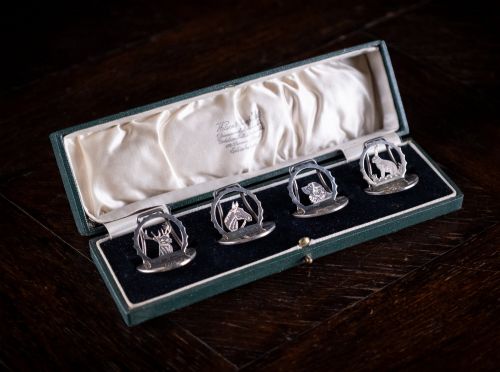
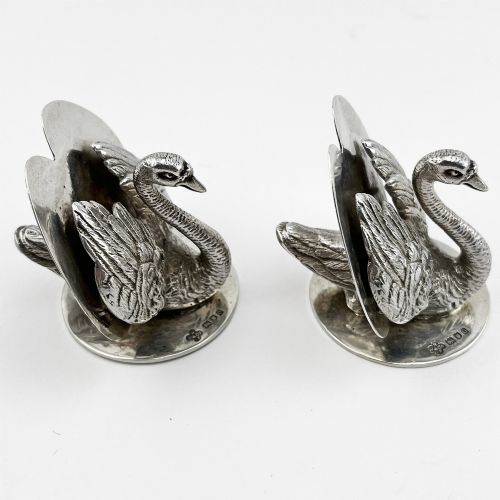
Makers utilised sterling silver alongside glass, wood, and enamel to create functional items for the home. Figural designs depicting animals, figures, and birds appear frequently across the available inventory.
Materials and Techniques
Silversmiths employed sterling silver sheet and wire, shaping the metal through stamping, casting, and hand-embossing. Many pieces incorporate weighted bases or supportive wooden and fabric backs to provide stability.
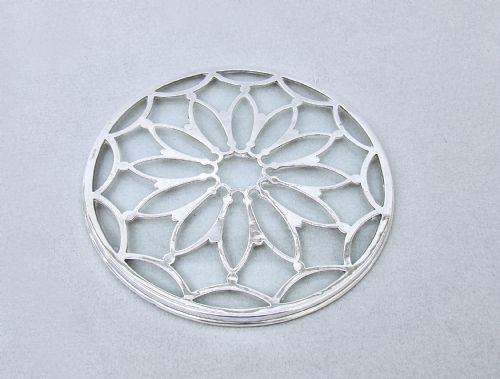
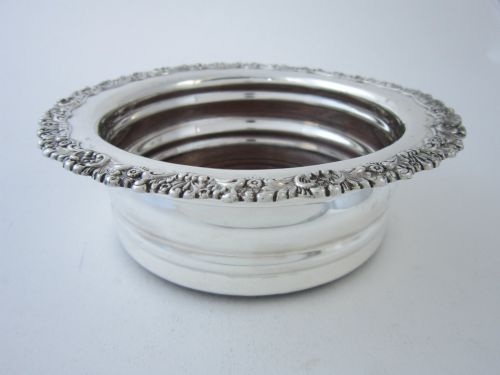
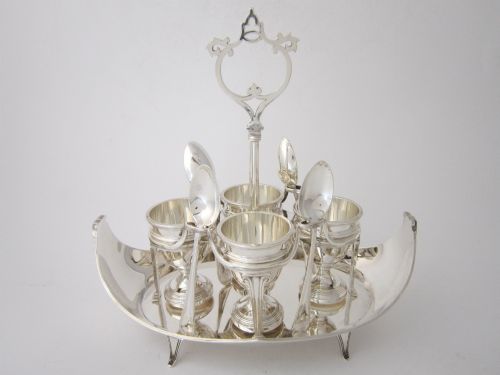
Decorative finishes include embossed floral borders, enamel work, and cast figural elements soldered to frames or bases. Glass inserts and ceramic components frequently accompany the silver mounts on coasters and cruets.
Craftsmanship and Detail
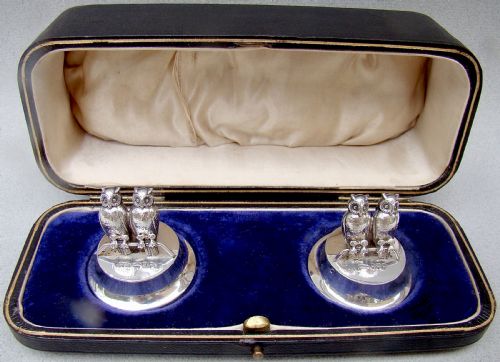
Quality depends upon the crispness of the cast details and the depth of the embossed decoration. Items featuring figural subjects like owls, maidens, or animals demonstrate greater sculptural skill than plain geometric mounts.
Maker marks and clear hallmarks contribute to the standing of a piece. The thickness of the silver gauge and the retention of original glass or wooden inserts also separate standard items from superior examples.
Harrods Ltd·Levi & Salaman·A. Wilcox·William Hutton and sons·Sampson Mordan·Mappin & Webb·Asprey·Peter Henderson Deere
The Edwardian Sterling Silver Stand Glossary
- Sterling Silver
- An alloy of silver containing 92.5 percent pure silver and 7.5 percent other metals, usually copper. This standard composition provides the durability required for functional household items.
- Hallmark
- A series of official marks stamped on items to indicate the standard of silver purity, the assay office, and the year of production. These stamps provide a reliable guide to origin.
- Menu Holder
- A small upright display piece designed to hold table menus or place cards during formal dining. They often feature figural or decorative subjects.
- Inkstand
- A desk accessory comprising one or more inkwells, pen trays, and sometimes a sander or bell. They form part of traditional writing furniture.
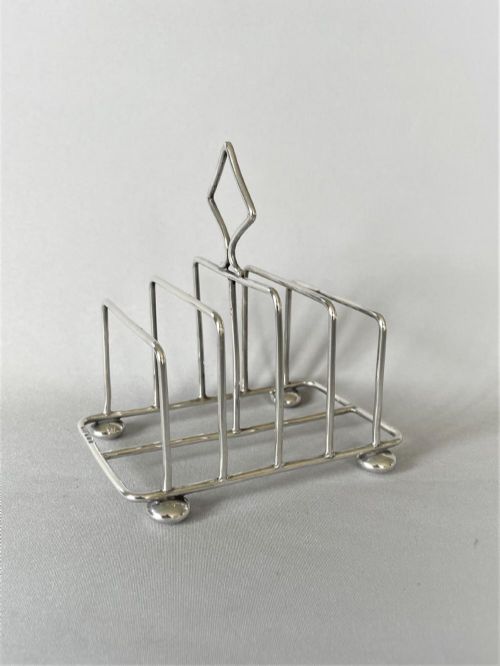
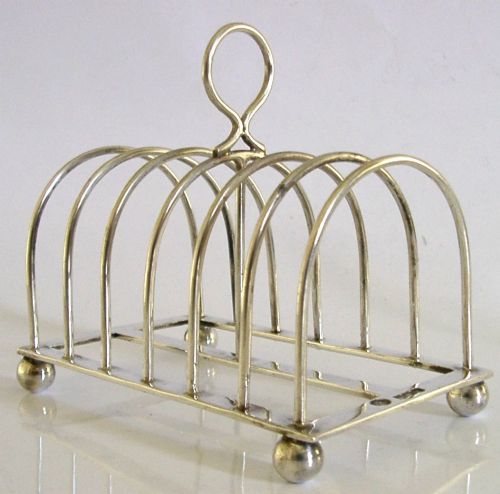
- Toast Rack
- A tableware accessory featuring vertical silver divisions to hold slices of toast upright. They date predominantly from the late nineteenth and early twentieth centuries.
Edwardian Sterling Silver Stand: Frequently Asked Questions
What is an edwardian sterling silver stand used for?
These pieces served practical roles on desks, dressing tables, and dining rooms. They held items like pocket watches, hats, menus, or photographs during the early twentieth century.
Today, collectors use them to display vintage paper goods or small ornaments in modern interiors, keeping historical metalwork in active service.
How do I identify an Edwardian piece?
Look for the hallmarks stamped into the metal, which indicate the assay office and date letter corresponding to the Edwardian reign or adjacent decades. The stylistic markers also help, such as flowing Art Nouveau floral borders.
The materials often include heavy sterling silver paired with cut glass, velvet, or wood backs typical of the period's manufacturing methods.
Are these items durable for daily use?
Sterling silver is a robust metal, though items with delicate elements like enamel or thin embossed mounts require gentle handling. Most stands are sturdy enough for light tabletop placement.
Cleaning should be done with soft cloths and approved silver polishes to preserve the surface detail without removing the underlying metal.
Why do some stands feature animals?
Figural designs were popular among silversmiths who produced novelty items for dining tables and desks. Owls, swans, monkeys, and dogs added whimsical character to functional objects.
These figural pieces remain sought after by collectors who appreciate the detailed casting work involved in their production.