
Edwardian Sterling Silver Accessory
These edwardian sterling silver accessory pieces are portable, finely worked personal items that bring domestic elegance and functional craft to a desk or pocket.
Edwardian Sterling Silver Accessory
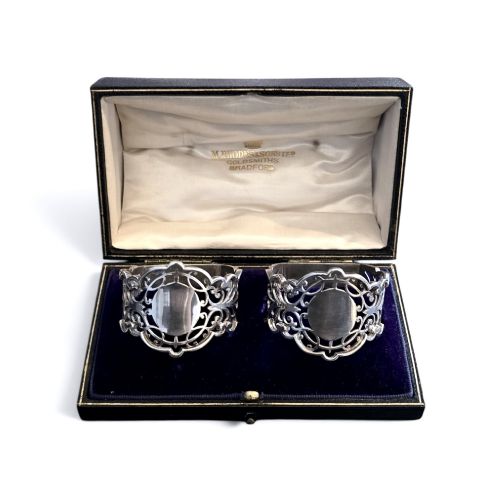
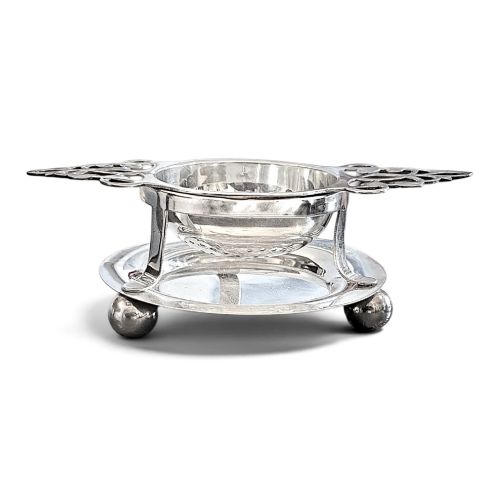
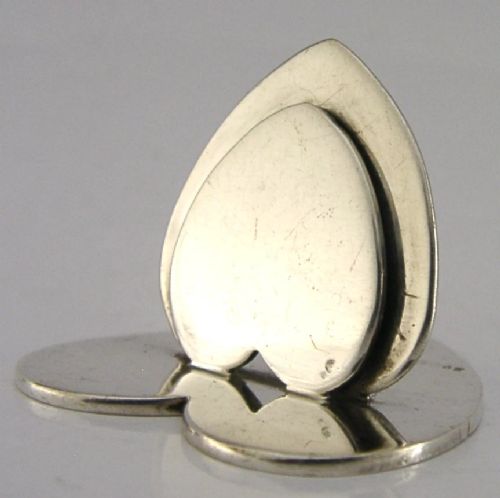
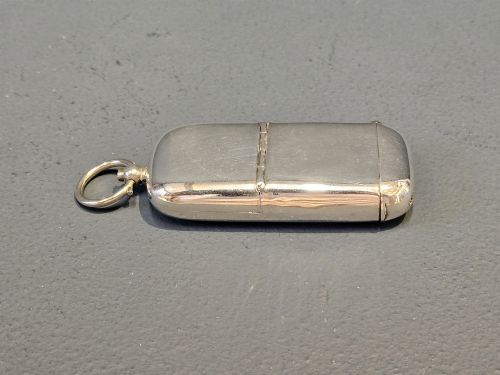
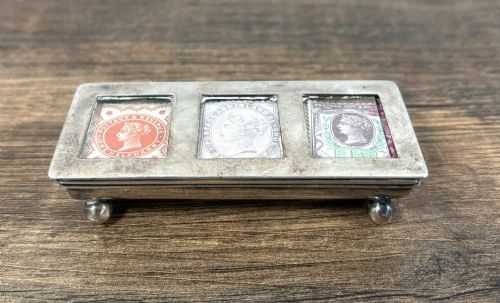
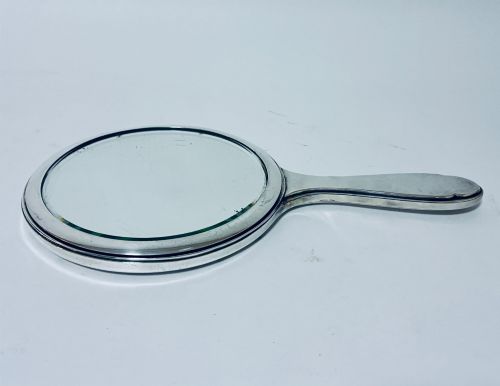
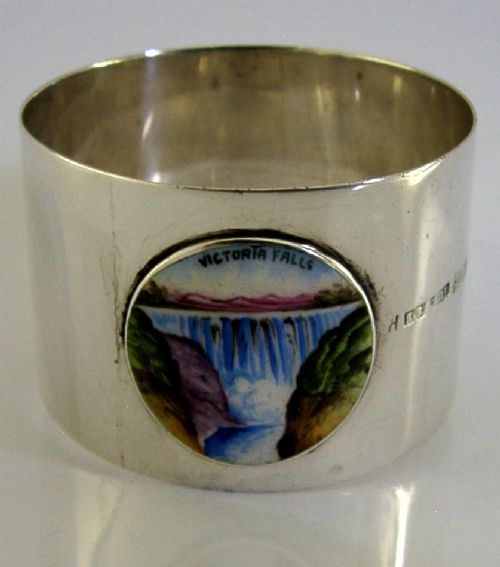
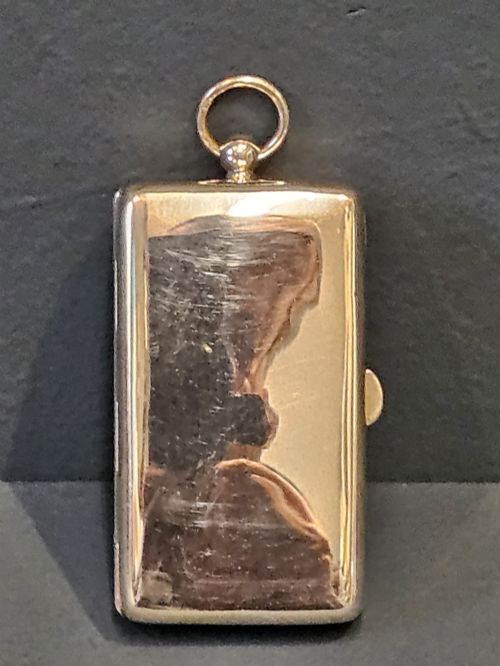
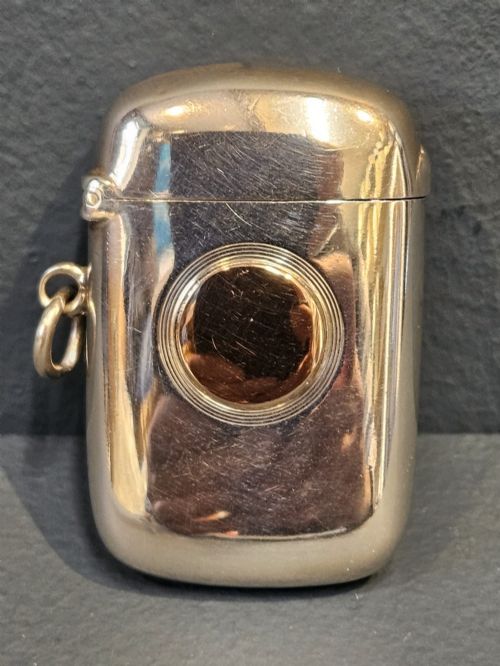
An edwardian sterling silver accessory encompasses a wide variety of small personal and table objects fashioned during the early twentieth century and surrounding decades. Buyers encounter pocket items like vesta cases, sovereign holders, pin cushions, and chatelaine elements alongside desk ornaments such as menu holders, inkwells, and napkin rings. These pieces reflect the formal social rituals and domestic habits of the period, executed in solid silver often paired with functional materials.
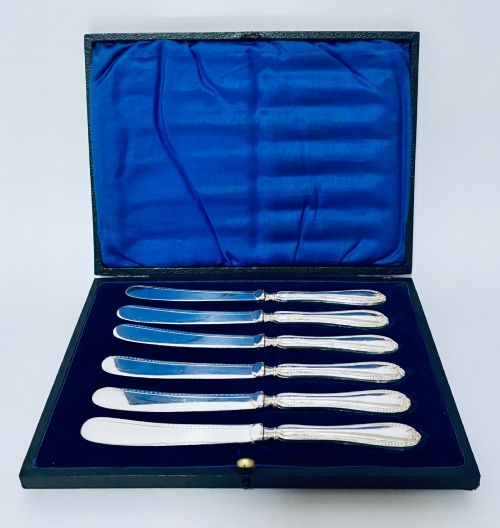
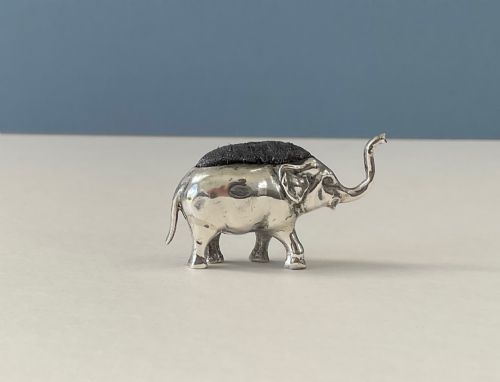
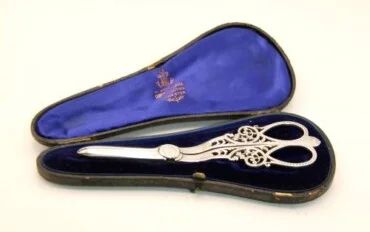
The objects span varied forms, ranging from utilitarian items like match safes and pocket watch chains to novelty figures including animals and jesters. Many survive in fitted presentation cases, indicating their original use as gifts for special occasions. While the Edwardian period dominates, related pieces stretch from late Victorian examples into the George V era and the interwar years.
How they were made
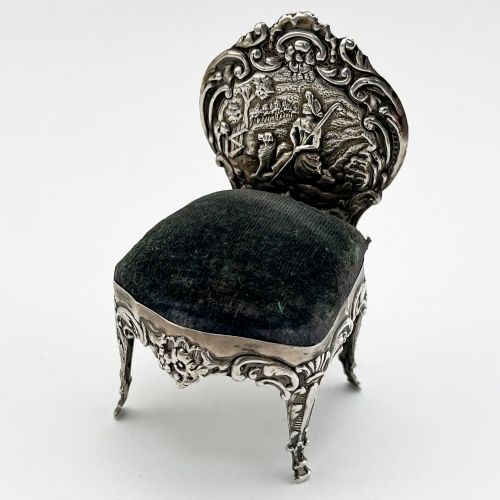
Silversmiths constructed these accessories using solid sterling silver, frequently employing techniques such as stamping, repousse, and fine casting to achieve intricate three-dimensional forms. Novelty pin cushions and figural place card holders often combine cast silver frameworks with fabric components like velvet, silk, or plush upholstery. Other items incorporate contrasting elements such as tortoiseshell, leather, glass, steel, and crocodile skin to provide texture and structural support.
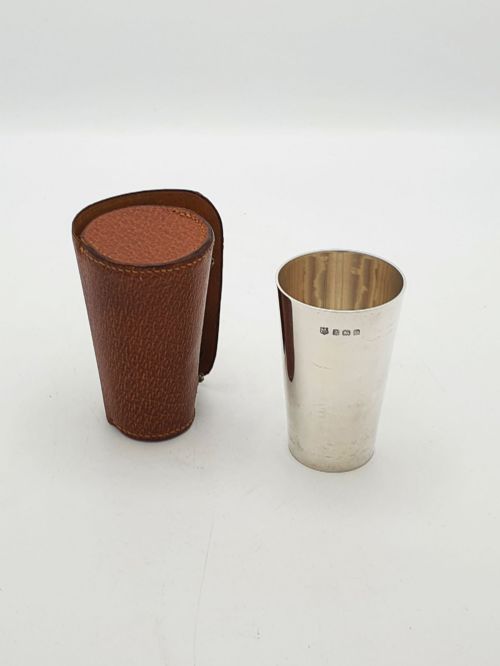
Makers relied on Birmingham, Sheffield, and London assay offices to test and hallmark the silver content, stamping standard marks that record the year and maker. Hinged boxes, sovereign cases, and vesta boxes require precise engineering to ensure tight closures and secure spring mechanisms. Delicate details like feathers on birds, fur on animal cushions, and engraved monograms demonstrate the high level of hand finishing applied in the workshops.
What varies in quality
The distinction between standard production pieces and finer examples rests on the complexity of the design and the prestige of the silversmithing firm. Specialised novelty items, such as figural animals or mechanical combination cases, demand greater sculptural skill than plain geometric napkin rings or standard stamp cases. The crispness of the chasing, the survival of the original velvet or silk lining, and the legibility of the hallmarks all elevate a piece.
Makers known for exceptional output command attention through superior weight, robust hinges, and inventive subject matter that moves beyond simple utilitarian shapes. Cased sets of matching buttons, buckles, or menu holders show a higher tier of presentation and collective preservation. Pieces retaining secondary materials like intact tortoiseshell panels or fine leather outer skins display greater original ambition.
Sampson Mordan·Aaron Lufkin Dennison·William Neale·Mappin & Webb·Levi & Salaman·Adie & Lovekin·Zimmermann
The Edwardian Sterling Silver Accessory Glossary
- Sterling silver
- A silver alloy containing 92.5 percent pure silver and 7.5 percent other metals, usually copper, chosen for durability in small personal objects.
- Vesta case
- A small pocket container designed to hold matches, typically fitted with a striking surface on the base and a hinged lid.
- Hallmark
- A series of official marks stamped on precious metals by an assay office to indicate purity, origin, maker, and the year of testing.
- Pin cushion
- A small padded object used for holding pins, frequently formed as novelty animals or shoes in silver mounts during the early twentieth century.
- Menu holder
- A small desk or table accessory designed to display a card detailing the courses of a meal.
- Sovereign case
- A small circular pocket container engineered to store gold sovereign coins securely with an internal spring mechanism.
Edwardian Sterling Silver Accessory: Frequently Asked Questions
What is an edwardian sterling silver accessory?
An edwardian sterling silver accessory is a small, portable or tabletop item made primarily of sterling silver during the early twentieth century. These objects include vesta cases, pin cushions, menu holders, and card cases designed for personal grooming, smoking, or social hosting.
Such pieces combine practical utility with decorative craftsmanship, often featuring detailed chasing, figural designs, or combinations with materials like leather and velvet.
How were silver pin cushions used?
Silver pin cushions served as functional desk or dressing table accessories for holding pins used in sewing, tailoring, or securing garments and hats. Wealthy households often displayed novelty figural versions shaped like animals or boots.
The pins themselves were pushed into the fabric insert, which was typically velvet or silk held within a solid silver base.
How do I date these silver pieces?
Dating these items relies primarily on the official hallmarks stamped into the silver by assay offices in cities such as Birmingham, Chester, and London. A specific letter punch corresponds to the year of manufacture, supported by maker's marks and duty marks.
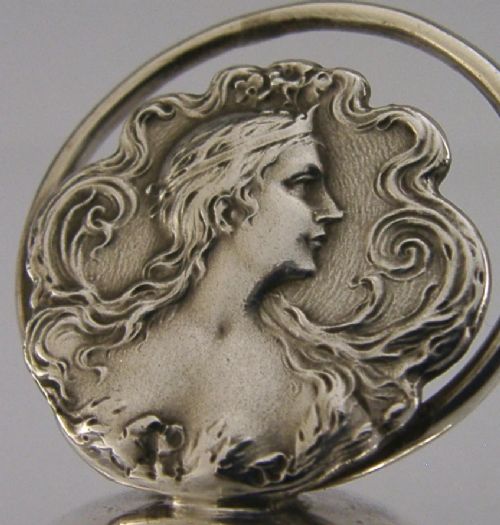
Stylistic cues such as Art Nouveau curves, Edwardian elegance, or later geometric lines also help place an object within its general era.
How should I care for antique silver?
Caring for antique silver requires gentle cleaning with a soft cloth and specialised silver polish only when necessary to remove tarnish. Aggressive scrubbing or chemical dips can damage fine chased details, hallmarks, and delicate secondary materials like fabric or tortoiseshell.
Storage in dry environments away from direct sunlight protects organic components like velvet, leather, and silk inserts from degrading.