

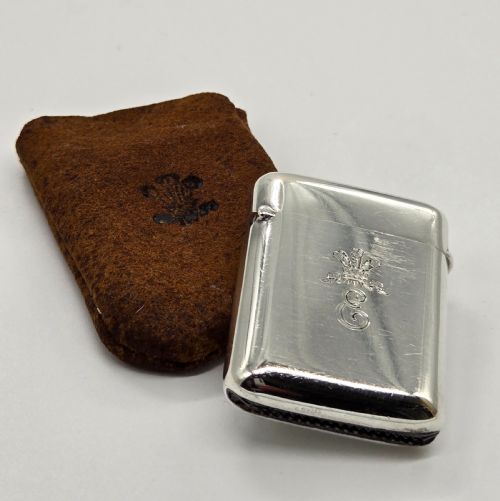


Edwardian Sterling Matchbox
These edwardian sterling matchbox examples offer neat pocket-sized silver utility that collectors prize for crisp engraving and tactile novelty forms.
Edwardian Sterling Matchbox
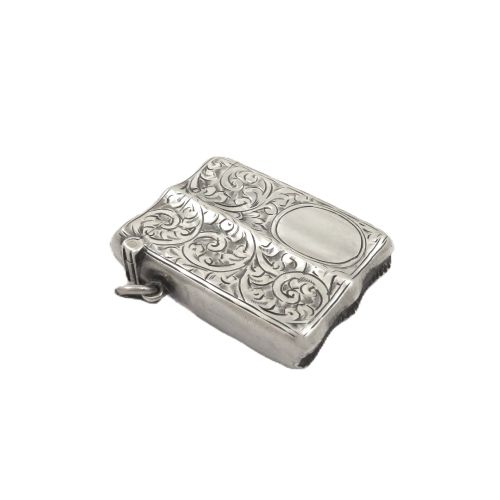
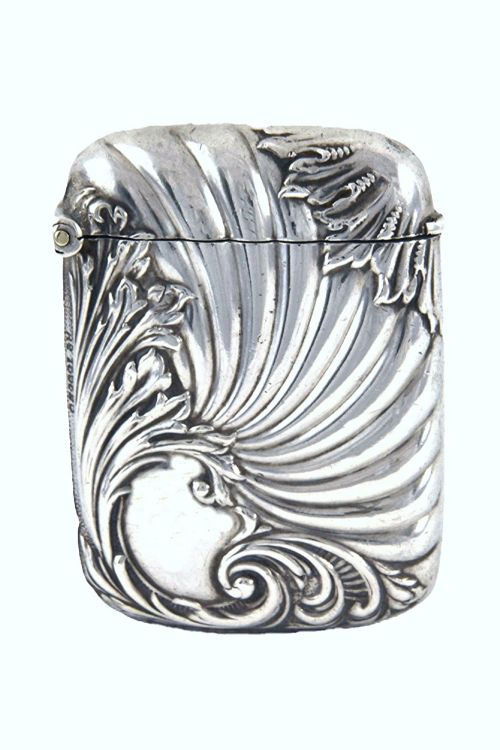
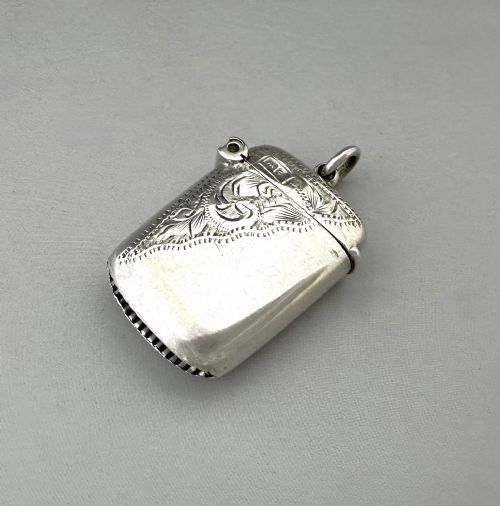
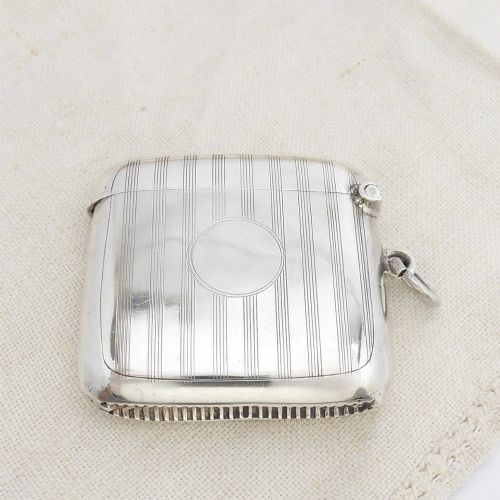
An edwardian sterling matchbox typically takes the form of a small silver vesta case designed to carry matches safely in a pocket or handbag. These pocket containers span periods from the late Victorian era through to the Art Deco years, though the Edwardian examples dominate the forms.
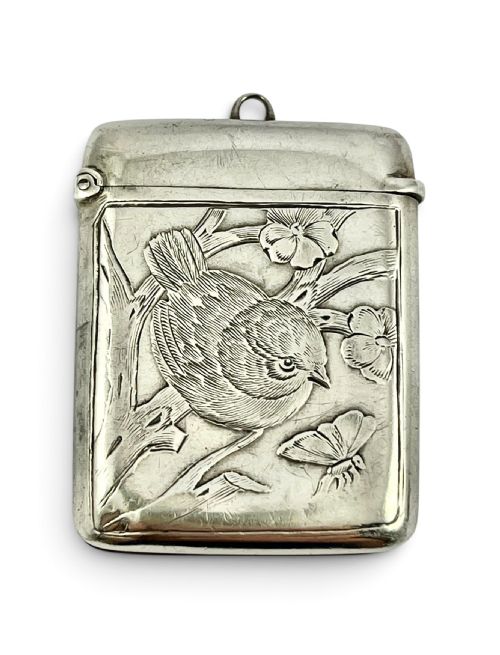
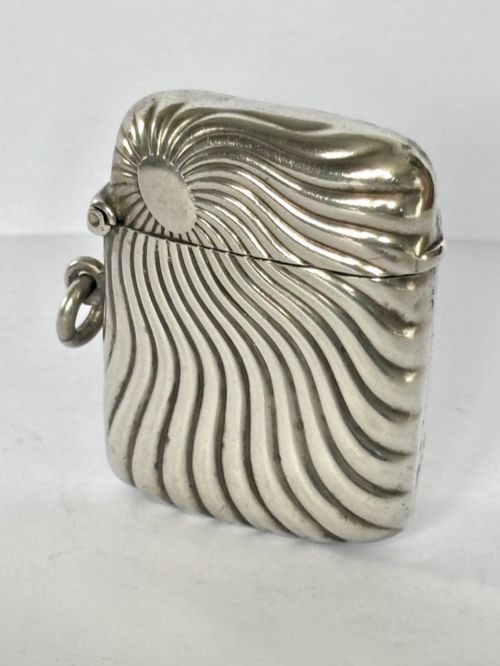
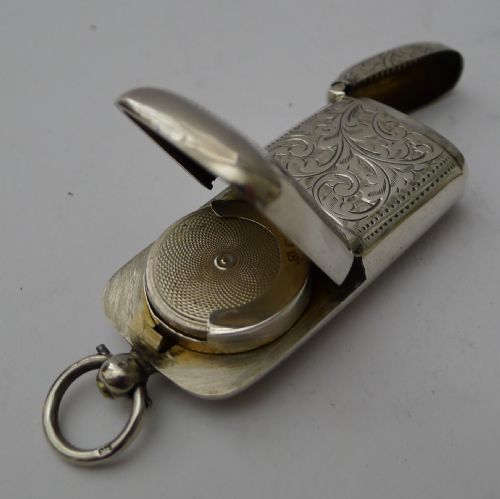
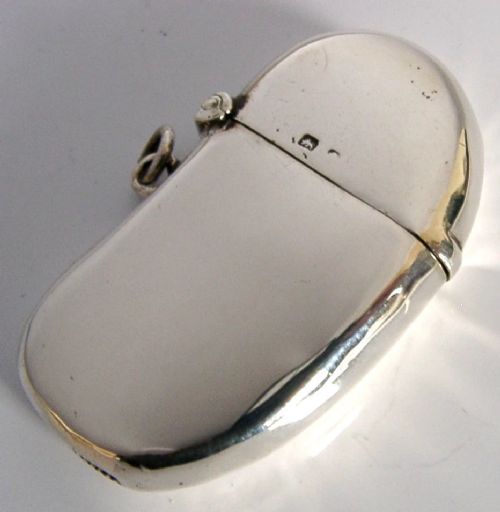
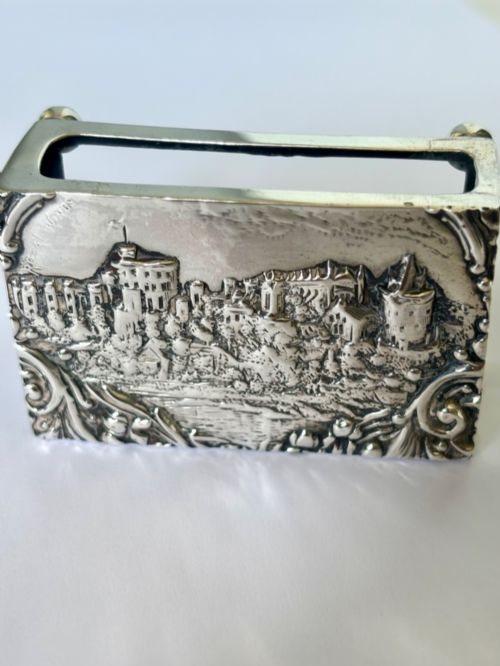
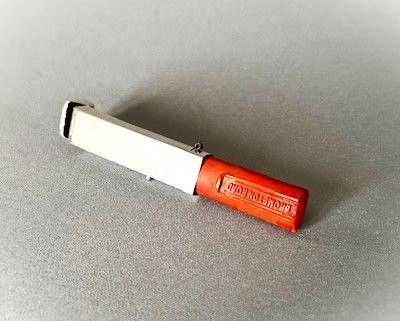
Makers produced these match safes in various shapes including kidney bean profiles, sunburst patterns, and castle top designs alongside standard rectangular covers. Some pieces combine the match compartment with a sovereign holder or a sealing wax seal.
How they were made
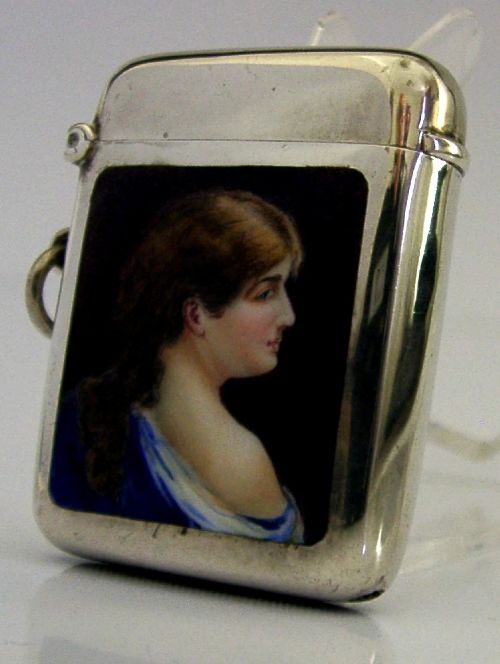
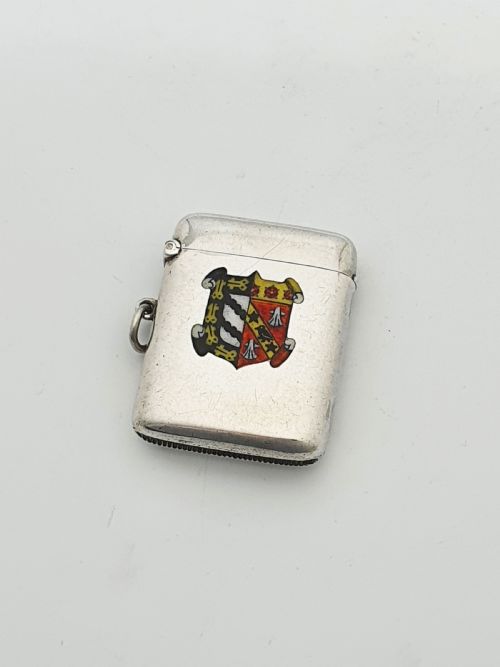
Silversmiths constructed these match cases using sterling silver, frequently applying repousse work, leaf and scroll engraving, or curved shaping to the metal surface. Certain pieces incorporate vitreous enamel, hand-painted details, gold accents, gemstones, or suede linings.
Assay offices in Birmingham and Chester stamped these items with hallmarks that record the year of manufacture and the sterling standard. Specific examples feature cast decorative elements or specialised hinge mechanisms to secure the lid.
Listings include sterling silver, enamel, gold, gemstones, and suede materials across Victorian, Edwardian, and Art Deco styles.
What varies in quality
The distinction between standard match cases and finer pieces rests on the complexity of the design and the presence of specialised ornamentation such as hand-painted enamel crests or figural motifs like pug dogs and mermaids. Novelty shapes and royal presentation pieces demonstrate superior smithing ambition compared to plain polished covers.
Engraving depth and the crispness of cast details dictate visual appeal across the range. Pieces bearing specific maker marks and legible assay office hallmarks attract greater attention from collectors.
ROBERT CHANDLER·Alfred Clark·Sampson Mordan·William Hair Haseler
The Edwardian Sterling Matchbox Glossary
- Vesta case
- A small pocket container designed to hold matches and strike them on an integrated abrasive strip. These objects became essential accessories during the nineteenth and early twentieth centuries.
- Hallmark
- A series of official marks stamped onto silver items indicating the metal purity, assay office, and year of manufacture. Birmingham and Chester are common assay towns found on these pieces.
- Repousse
- A metalworking technique where the silversmith hammers the design from the reverse side to form a raised pattern on the front. This method creates tactile floral or scroll motifs.
- Vitreous enamel
- Glass fused to the surface of the silver through high-temperature firing to produce coloured decorative panels. This technique adds vibrant hues to crests and painted scenes.
- Castle top
- A specialised lid engraving depicting a specific historic building or royal landmark. Windsor is a notable example seen on these covers.
Edwardian Sterling Matchbox: Frequently Asked Questions
What is a vesta case?
A vesta case is a small pocket container built to hold matches securely and provide a rough surface for striking them.
Victorians and Edwardians carried them daily to protect matches from moisture and prevent accidental ignition in the pocket.
How do I read silver hallmarks?
Hallmarks consist of stamps showing the maker mark, the sterling standard symbol, the assay office town, and a date letter.
These tiny punches allow you to trace the exact year and city where the silversmith completed the match case.
How do I care for silver matchboxes?
Keep silver match cases dry and handle them gently to preserve the original hinged spring and exterior engraving.
Avoid harsh chemical dips that strip away the aged patina accumulated over the decades.