




Edwardian Sterling Jug
An edwardian sterling jug brings domestic silver and cut glass together with crisp craftsmanship for the table.
Edwardian Sterling Jug
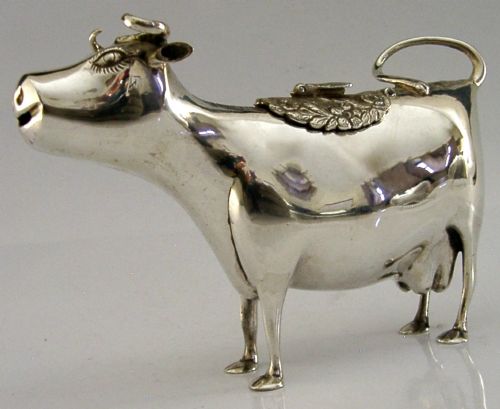
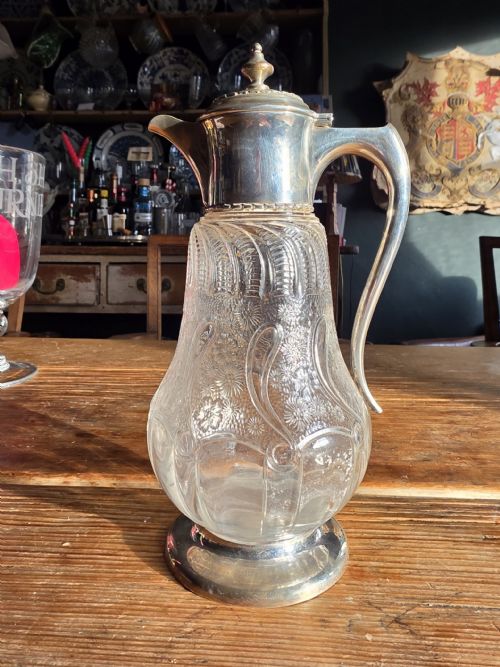
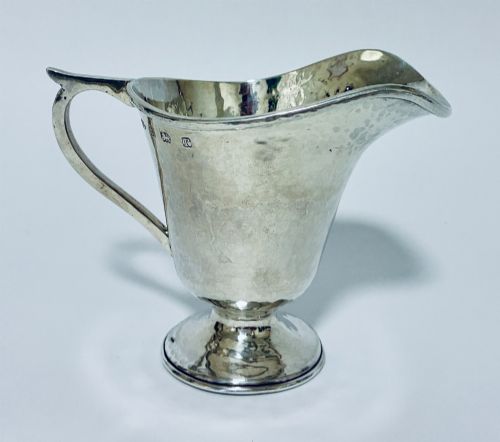
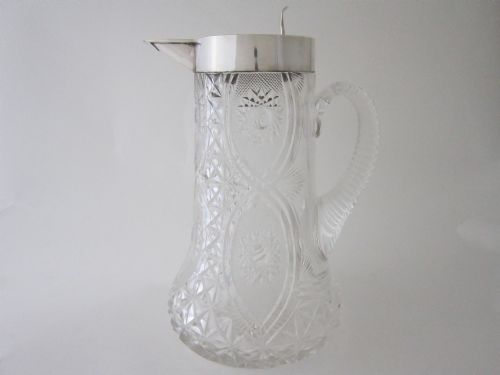
The edwardian sterling jug encompasses various table vessels made from sterling silver, cut glass, and crystal across periods such as the Edwardian era, George V, and Victorian times. A buyer seeking an edwardian sterling jug will encounter forms ranging from cream jugs, milk jugs, and sauce boats to whisky noggins and claret jugs.
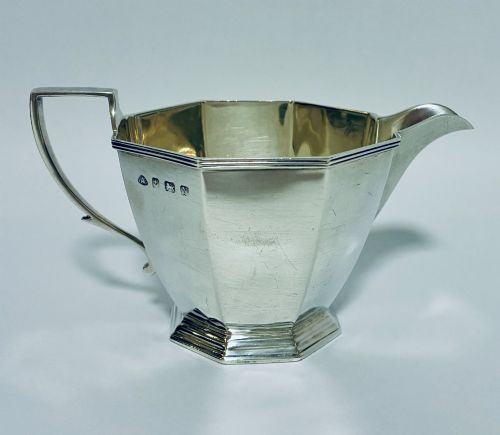
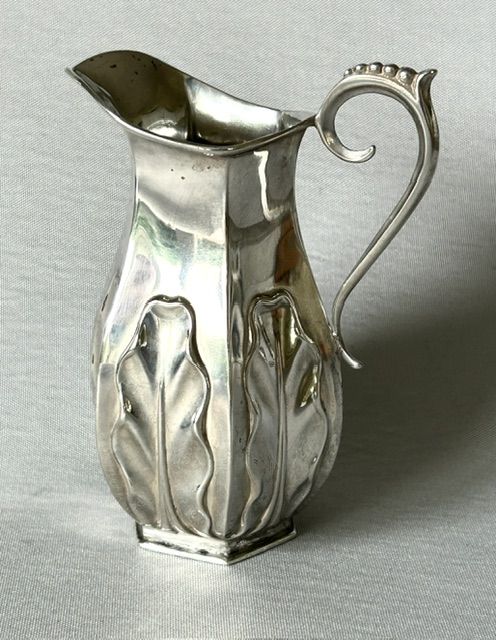
Cream jugs and sauce boats present solid silver bodies shaped in styles spanning Arts and Crafts and George V designs, while larger vessels combine silver mounts with cut or engraved glass. These pieces originate from workshop production across the late nineteenth and early twentieth centuries, reflecting the domestic habits of their time.
How they were made
Silversmiths formed the metal components using sterling silver, sometimes adding silver-gilt highlights or housing pieces in fitted cases alongside wood elements. Glass bodies were blown, cut, and engraved, then fitted with hinged or fixed silver mounts and handle attachments.
Makers utilised traditional hammer and press techniques to shape the metal mounts, securing them to glass vessels with collars and mounts designed to hold daily wear.
Edwardian Sterling Jug Retail Price Guide 2026
Typical asking prices for edwardian sterling jug among the pieces listed under this phrase on Sellingantiques today, from the lower quarter to the upper quarter. They describe what is for sale here now, not the wider market.
The object forms span decanters, cream jugs, claret jugs, sauce boats, and whisky noggins with matching labels.
What varies in quality
The distinction between standard examples and finer pieces lies in the weight of the metal, the clarity and depth of the glass cutting, and the crispness of the silversmith's marks. Superior items display careful hand-engraving, well-balanced handles, and securely fitted mounts that integrate cleanly with the glass body.
The precision of the hallmarks and the overall heft of the sterling silver separate basic production items from works bearing recognised maker attributions.
William Comyns·George Unite·Hukin and Heath·Harrison Brothers and Howson·William Davenport·Harry Atkin
The Edwardian Sterling Jug Glossary
- Sterling silver
- A silver alloy containing 92.5 percent pure silver by mass, standard for British domestic silver of these periods. This standard ensures durability for items handled frequently at the table.
- Whisky noggin
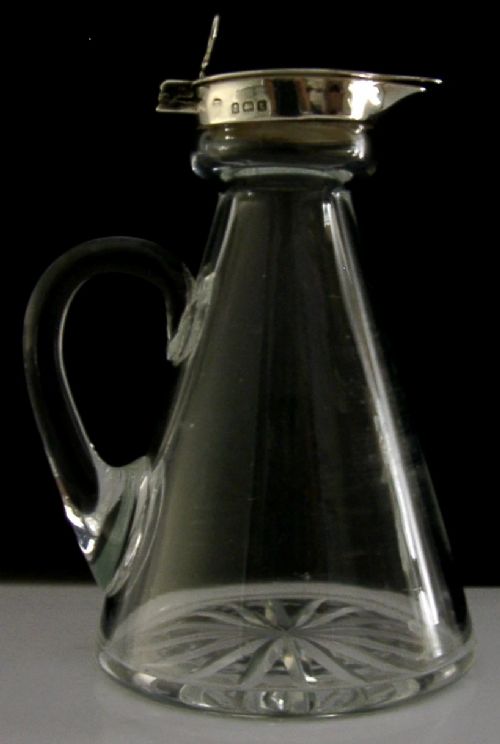
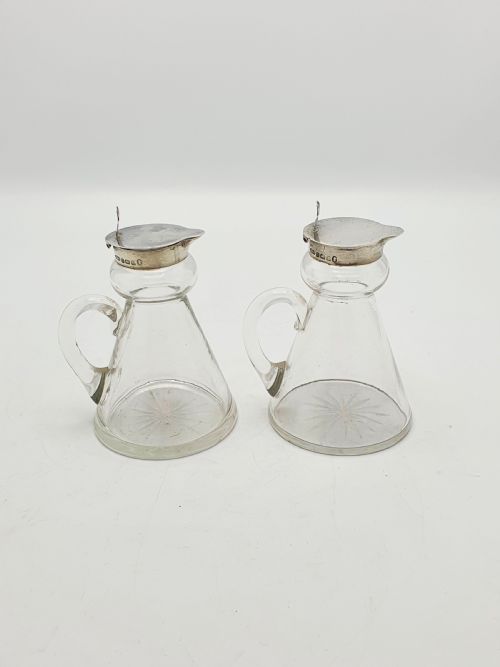
- A small decanter or drinking jug designed for spirits, usually holding a single measure. These often feature a star-cut glass base and a silver thumbpiece mount.
- Claret jug
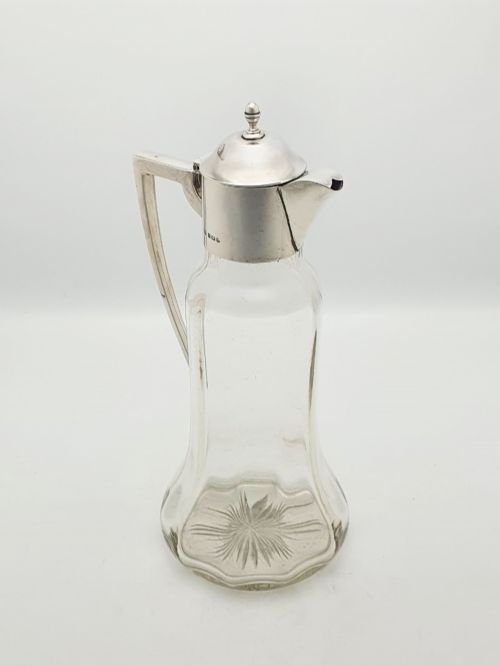
- A large pouring vessel intended for wine, combining a glass or crystal body with an elaborate silver handle, collar, and hinged lid. Examples often show detailed hobnail or daisy cut patterns.
- Sauce boat
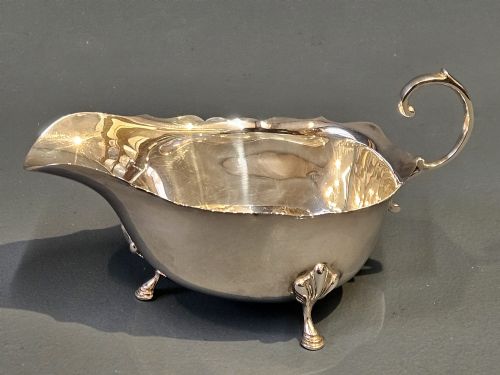
- An open boat-shaped vessel with a lip and handle, used for serving gravies or sauces. They typically rest on three feet or an integral oval foot.
- Silver-gilt
- Silver that has been coated with a thin layer of gold on its surface. This technique adds warmth and protects the interior of vessels used for dairy or liquids.
Edwardian Sterling Jug: Frequently Asked Questions
What is the difference between a cream jug and a milk jug?
Cream jugs are generally smaller vessels designed to hold rich cream for tea service, while milk jugs offer slightly larger capacity for everyday table use.
Both forms appear in sterling silver or with glass bodies, reflecting the dining customs of the Edwardian and George V periods.
How do I care for a sterling silver and glass jug?
Wash the vessel by hand in warm soapy water, avoiding harsh abrasive cloths on the silver mounts and glass surfaces alike. Dry thoroughly with a soft cloth to prevent water spots on the metal and crystal.
Store silver away from rubber and damp environments to maintain the finish of the metal.
What is a whisky noggin used for?
A whisky noggin served as a personal spirit decanter at the end of a meal or in a study. The small scale allowed a gentleman to pour a measured drink directly at the table.
They frequently include a matching silver-mounted label and a hinged lid.
How can I tell an Edwardian jug from a Victorian one?
Date letters stamped within the hallmarks provide the exact year of assay at offices such as London, Birmingham, or Sheffield. Edwardian pieces date from the reign of Edward VII, showing lighter, often more refined decorative motifs than heavier Victorian items.
Stylistic cues such as Arts and Crafts influences or George V markers help narrow the production era when marks are rubbed.