


Edwardian Sterling Bowl
When you search for an edwardian sterling bowl, you find silver vessels made for sugar, bonbons, and display.
Edwardian Sterling Bowl
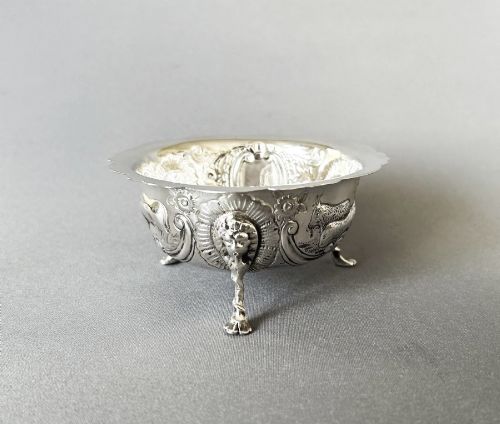
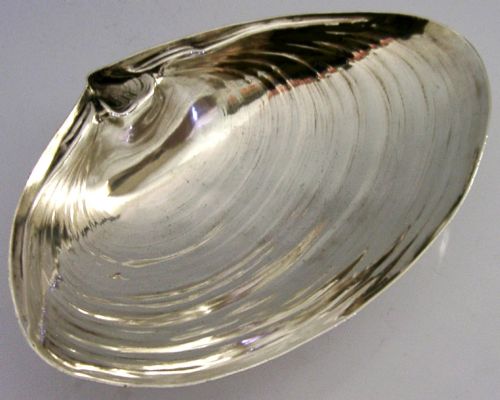
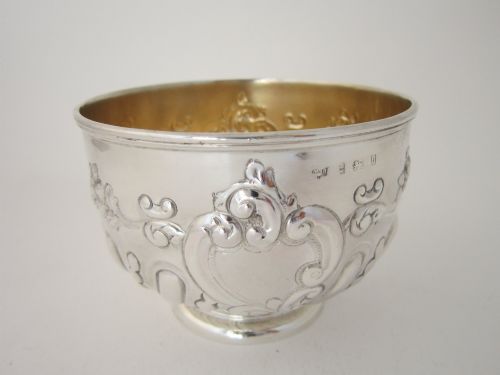
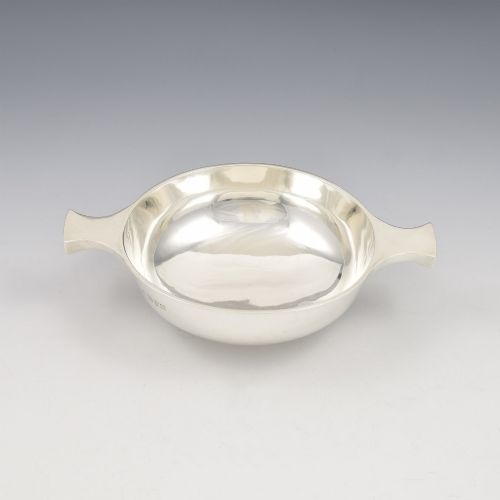
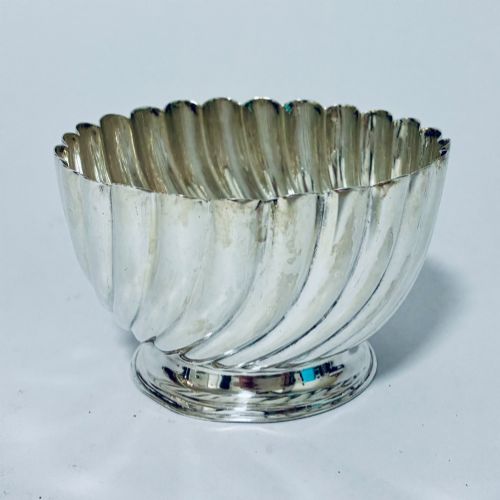
An edwardian sterling bowl encompasses various forms ranging from bonbon dishes and trinket bowls to larger baskets and pedestal dishes. These pieces originate predominantly from the early twentieth century, spanning the Edwardian period alongside adjacent Victorian and George V years.
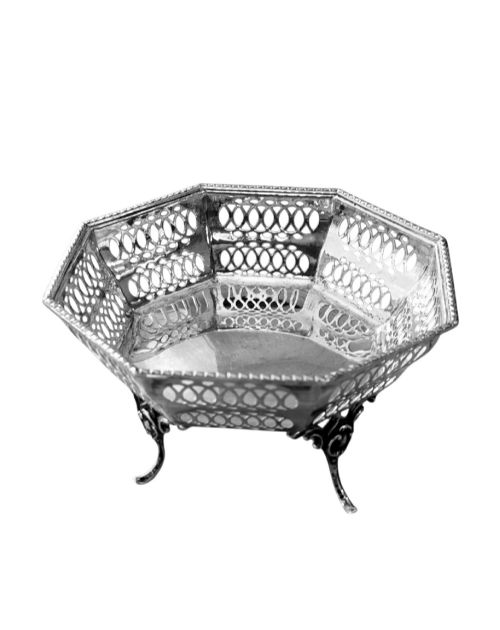
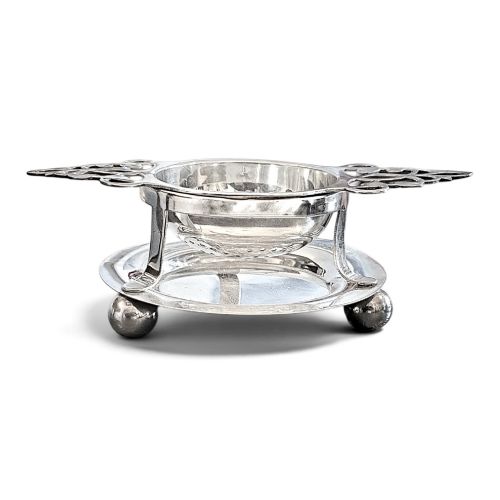
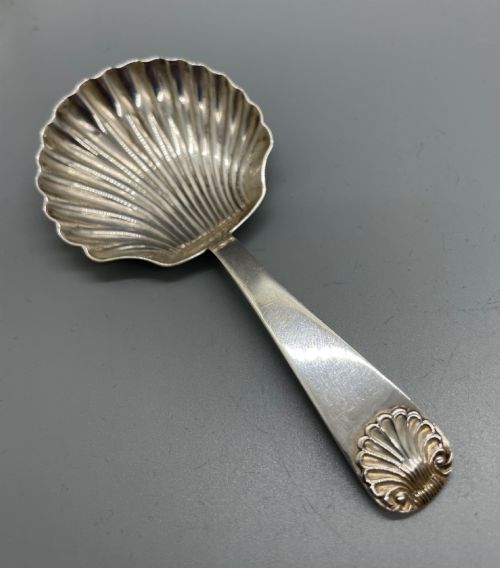
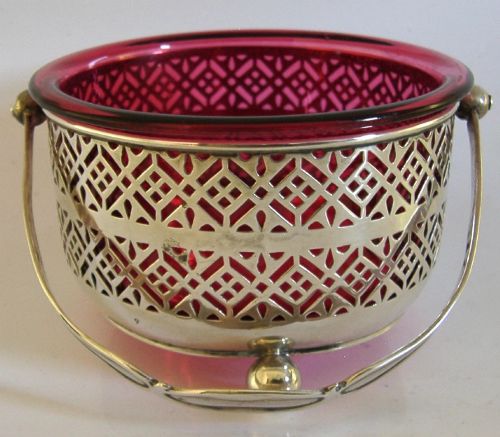
Makers utilised these forms for specific domestic functions, including sugar baskets with lids, tea strainers, and pierced bowls designed for fruit or flowers. The domestic interior of the era required versatile silver vessels for the table and the dressing room.
Buyers meet objects that reflect diverse aesthetic revivals, particularly Rococo and Stuart revivals, alongside contemporary movements like Art Nouveau and Arts and Crafts. Pieces vary from simple circular bowls to handled baskets with swing handles and pedestal feet.
Materials and Techniques
Silversmiths constructed these bowls using solid sterling silver, often hallmarked in British assay offices such as Birmingham, Sheffield, London, Chester, and Edinburgh. Technique ranged from traditional casting and piercing to hand-hammered surfaces seen in Arts and Crafts pieces.
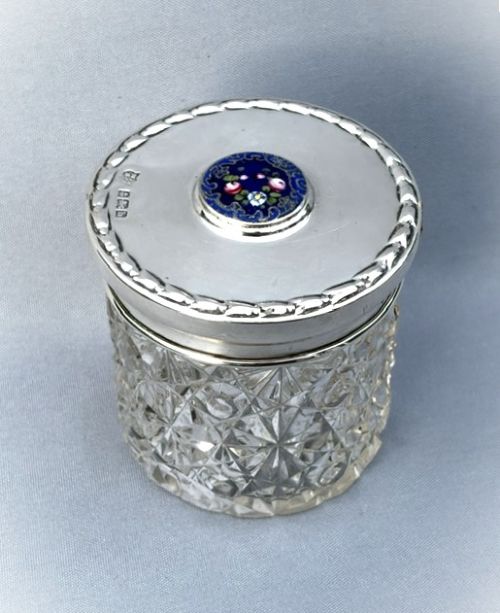
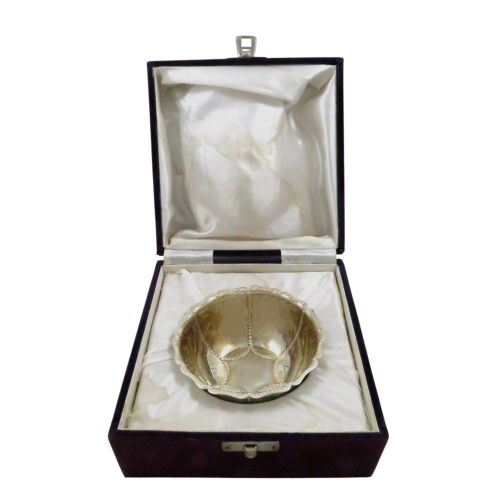
Many designs incorporate secondary materials to complement the silver, including cut glass, cranberry glass, enamel, and velvet linings. Artisans mounted silver rims and handles onto glass bodies or combined hand-painted porcelain plaques with precious metal mounts.
Edwardian Sterling Bowl Retail Price Guide 2026
Typical asking prices for edwardian sterling bowl among the pieces listed under this phrase on Sellingantiques today, from the lower quarter to the upper quarter. They describe what is for sale here now, not the wider market.
Distinctions in Execution
Quality rests upon the weight of the metal and the crispness of the chasing, piercing, or hammering. Heavier solid silver vessels demonstrate substantial material use, whereas lighter pieces rely on structural form alone.
The integration of secondary materials defines the upper tier of execution, where enamel work, cut glass, or citrene stones are fitted with precision. Maker attribution to notable silversmiths further separates standard production from exceptional studio output.
Synyer and Beddoes·Wallace·Asprey·William Aitken·Hammond Turner and Sons·Thomas Bradbury and Sons·Nathan and Hayes·Goldsmiths and Silversmiths Company·Liberty and Co·Hamilton and Inches·Tiffany and Co·Charles Boyton·Walker and Hall
The Edwardian Sterling Bowl Glossary
- Sterling silver
- An alloy containing ninety-two point five percent silver by mass, with the remainder consisting of copper or other metals. This standard grade applies to the majority of British silver vessels from the period.
- Bonbon dish
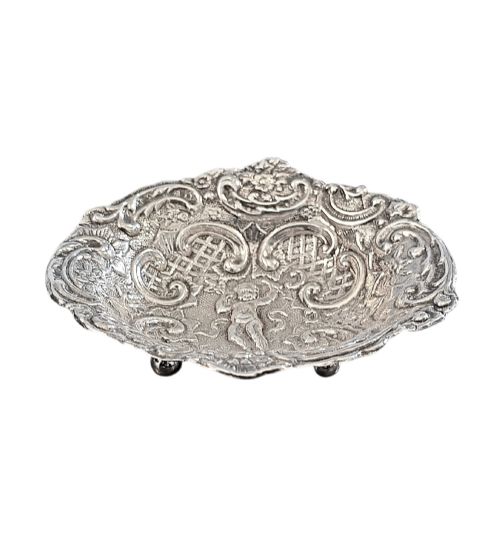
- A small open bowl created specifically for holding sweets or confectionery. These footed or flat dishes frequently feature pierced decoration.
- Quaich
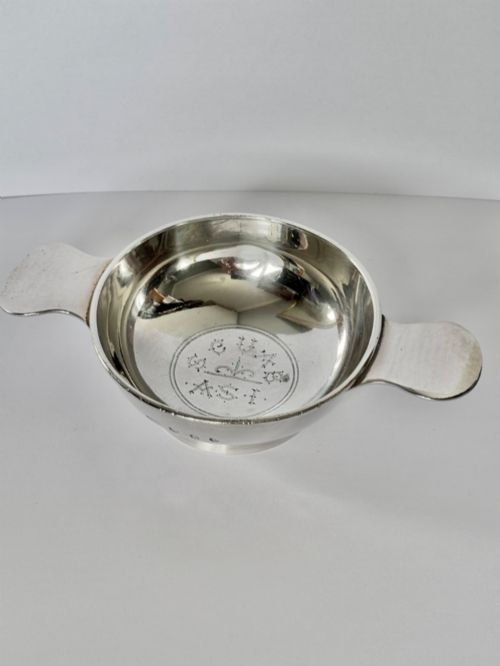
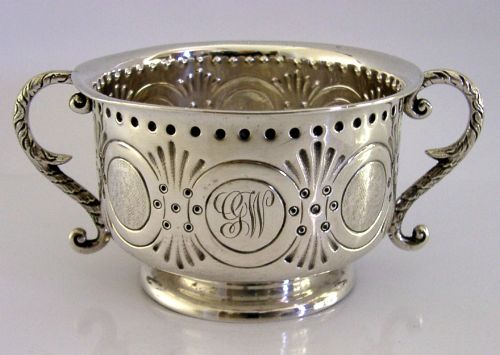
- A traditional two-handled drinking vessel of Scottish origin adapted into shallow bowl forms during the period. They rest upon a circular base with flat lug handles.
- Tazza
- An ornate pedestal cup or shallow bowl raised upon a single foot. Silversmiths utilised this classical form for display and presentation.
- Porringer
- A small bowl equipped with one or two horizontal flat handles. Reproductions of seventeenth-century forms appear alongside contemporary interpretations.
Edwardian Sterling Bowl: Frequently Asked Questions
What were sterling silver bowls used for?
Silver bowls served various practical functions in the Edwardian home, functioning as containers for sugar, fruit, sweetmeats, or potpourri. Smaller versions acted as trinket dishes or pin trays on dressing tables.
Heavier pedestal bowls and baskets functioned primarily as centrepieces for dining tables or decorative objects for display on sideboards. Their utility shifted according to the specific domestic space they occupied.
How do I identify an Edwardian silver piece?
British silver bears hallmarks stamped directly into the metal, which include a standard mark like the lion passant for sterling, an assay office mark, and a date letter. These stamps reveal the exact year and location of manufacture.
Stylistic indicators also help determine the period, as Edwardian pieces often incorporate lighter neoclassical motifs or exuberant revival styles distinct from heavy Victorian designs.
What is the difference between a tazza and a bowl?
A bowl sits directly upon a flat surface or a very low foot ring, designed for holding loose items like fruit or sugar. Its proportions emphasise the central vessel.
A tazza is elevated distinctly upon a central stem or pedestal foot, lifting the shallow dish above the table surface. This architectural form emphasises display rather than holding volume.
How do I care for antique silver bowls?
Antique silver requires gentle cleaning with specialised silver cloths to remove tarnish without abrading the metal surface. Harsh dips should be avoided, particularly on pieces with enamel, glass, or velvet components.
Storing silver in dry environments away from direct sunlight protects both the metal and any delicate secondary materials like glass liners or painted plaques.