




Edwardian Splat Back Chair
An edwardian splat back chair brings structural elegance and solid timber craftsmanship to a room, offering a reliable seating choice rooted in historical revival styles.
Edwardian Splat Back Chair
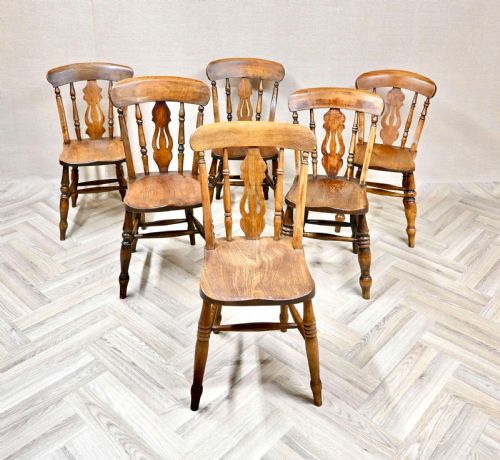
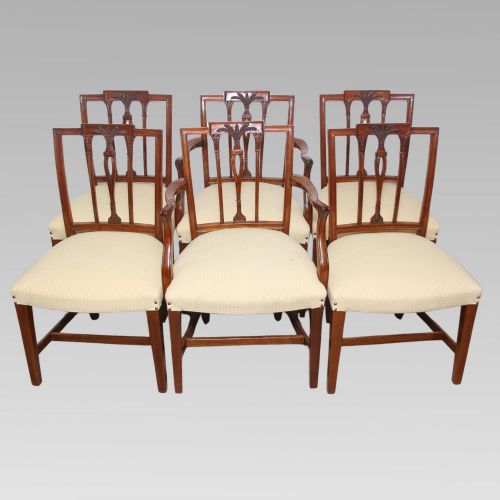
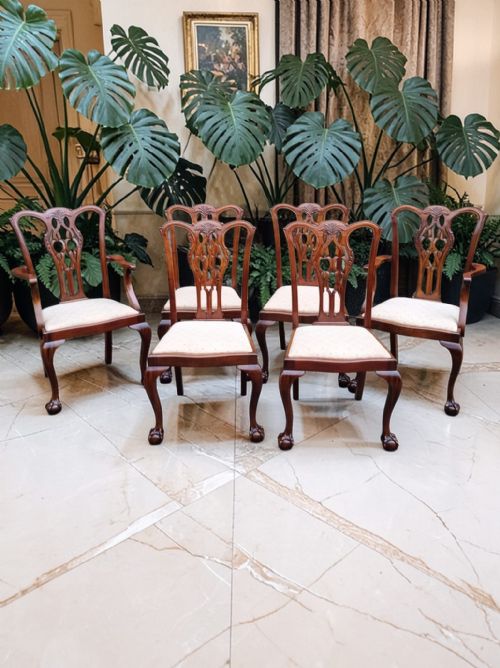
An edwardian splat back chair combines the formal timber framing popular at the turn of the twentieth century with historical revival designs inspired by earlier periods. Buyers searching this term encounter everything from single desk chairs and corner seats to large matching sets intended for formal dining rooms.
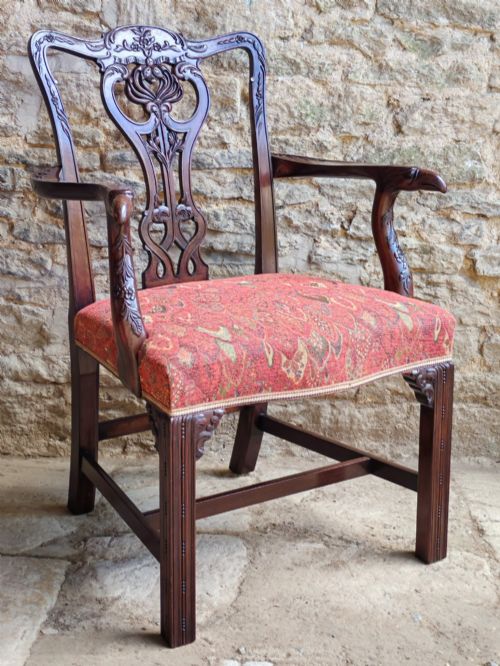
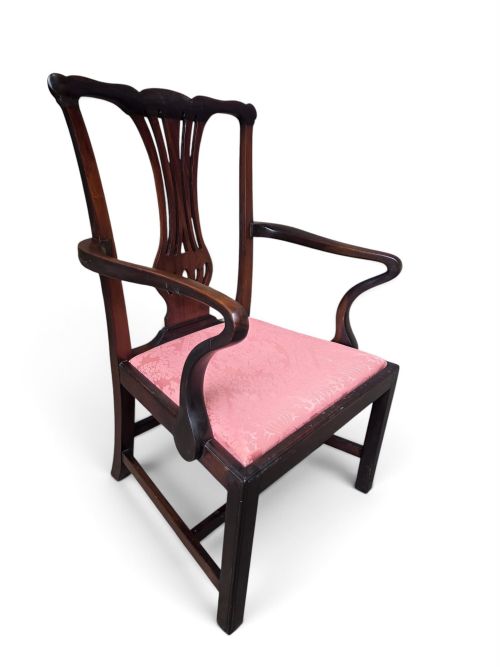
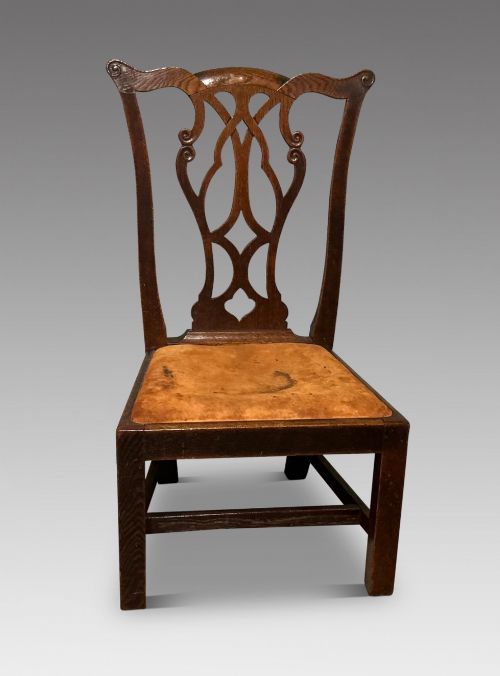
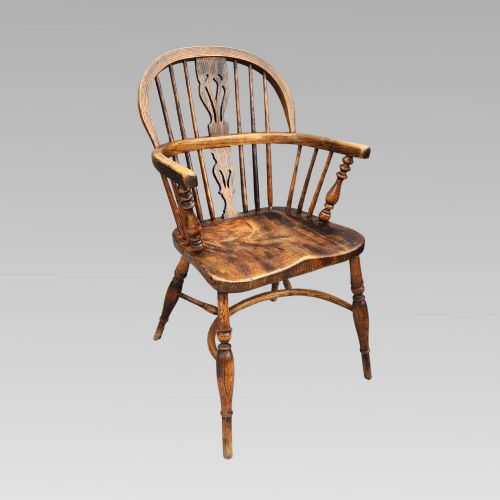
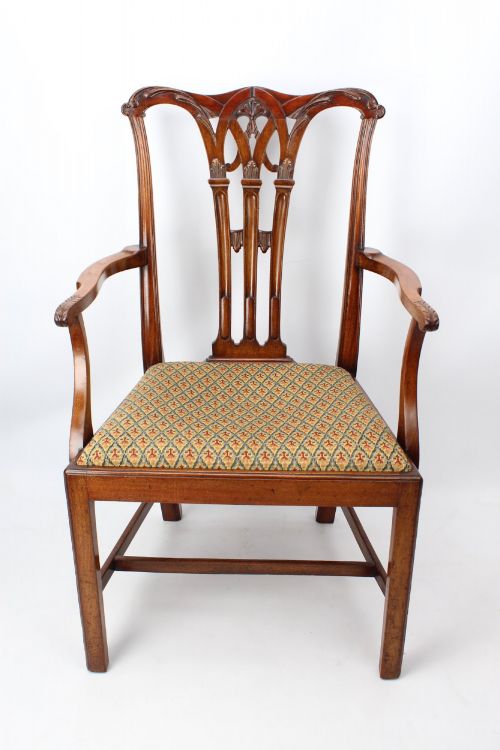
The version most commonly met on this page is an Edwardian mahogany side chair or armchair featuring a shaped central vertical splat within the backrest. These pieces frequently incorporate subtle decorative string inlay or carved detailing that reflects the craftsmanship of the period.
How they were made
Cabinet makers constructed these seats primarily using dense hardwoods such as mahogany, walnut, beech and oak, often shaping the central splats and frames by hand. Joinery relied on traditional mortise and tenon techniques to ensure structural longevity under daily use.
Upholstered elements utilised traditional stuffing materials covered in fabrics ranging from silk and velvet to leather, secured with brass tacks. Inlaid examples integrated contrasting lighter veneers or boxwood stringing directly into the timber backrests and rails.
Some gossip chairs provided a perch for upright telephone conversations before wall-mounted handsets made standing mandatory.
What varies in quality
The distinction between standard commercial seating and superior examples lies in the depth of timber carving and the precision of the joinery. Pieces displaying crisp hand-carved details along the splat and robust corner blocking underneath command greater appreciation than plain production models.
Material selection also dictates overall merit, with figured mahogany veneers and dense walnut frames showing superior grain patterns. Original upholstery foundations and intact structural bracing further elevate the standing of surviving examples.
Charles Tozer·Spillman & Co·Howard and Sons
The Edwardian Splat Back Chair Glossary
- Splat
- The central vertical strip of wood in the middle of a chair backrest, often shaped, carved or inlaid. It provides both back support and decorative character.
- Chippendale Revival
- A decorative style popular in the late nineteenth and early twentieth centuries that reinterprets mid-eighteenth-century designs. It is characterised by pierced splats and cabriole legs.
- String Inlay
- A narrow line of contrasting wood veneer embedded flush into the surface of the timber. It serves as a delicate decorative border on Edwardian furniture.
- Carver
- An armchair, traditionally designed with elbow rests to match a set of dining side chairs. These were typically made for the head of the table.
- Serpentine Seat
- A seat frame curved in a wave-like shape, being convex at the centre and concave at the sides. This contour softens the geometric lines of the chair.
Edwardian Splat Back Chair: Frequently Asked Questions
How do I spot an Edwardian splat back chair?
Examine the timber frame for typical Edwardian characteristics such as lighter construction, mahogany or beech usage, and subtle string inlay. The central splat often draws inspiration from earlier Georgian or Chippendale revival patterns.
Check underneath the seat rails for period construction methods and age-appropriate wear. Genuine pieces usually present honest patination on the wood surfaces rather than uniform modern finishes.
Were these chairs used for dining?
Many examples served as formal dining seating, frequently found as matching sets of four, six, or eight pieces. The sturdy timber frames and upright backs made them practical for prolonged sitting around a table.
Other variations were made as single armchairs, desk seats, or corner chairs for parlour use. These fulfilled specific domestic tasks in bedrooms, studies, and drawing rooms.
How should I care for the mahogany timber?
Maintain the wood by dusting regularly with a soft, dry cloth and avoiding placement near direct heat sources or strong sunlight. Excessive temperature fluctuations can cause the timber and inlaid veneers to dry out and split.
Apply a traditional beeswax polish sparingly when the wood appears dry, buffing it gently to preserve the natural lustre. Avoid silicone-based sprays that penetrate the grain and damage the historic finish.
Can I mix these chairs with modern tables?
Their classic timber tones and clean vertical lines allow them to pair effectively with contemporary dining tables or antique furniture alike. The restrained ornamentation suits various interior design schemes without overwhelming the room.
Ensure the seat height matches your table clearance, particularly if selecting an armchair or desk version with integrated armrests. Comfort depends as much on table proportions as on the chair's internal padding.