




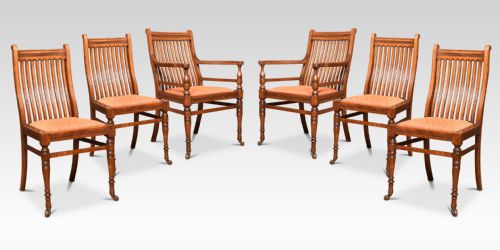
Edwardian Slatted Armchair
An Edwardian slatted armchair offers honest construction and enduring comfort, making it a practical choice for daily seating.
Edwardian Slatted Armchair
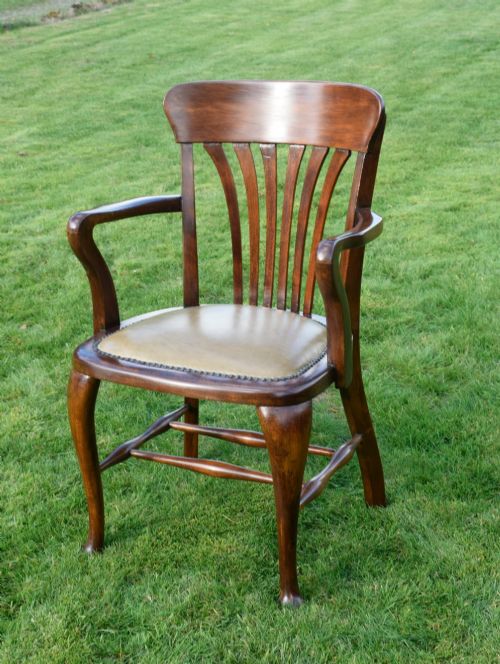
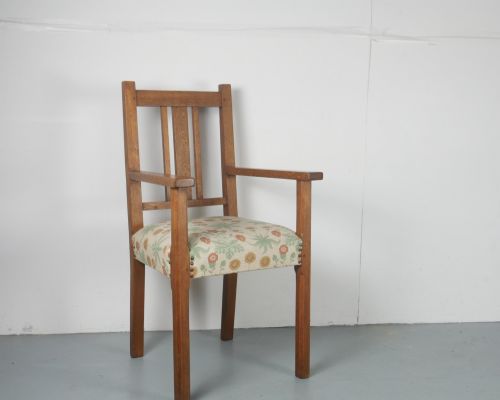
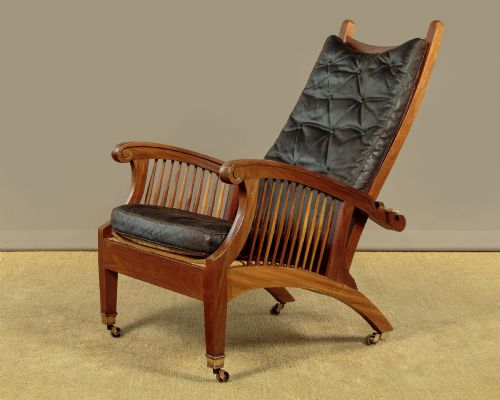
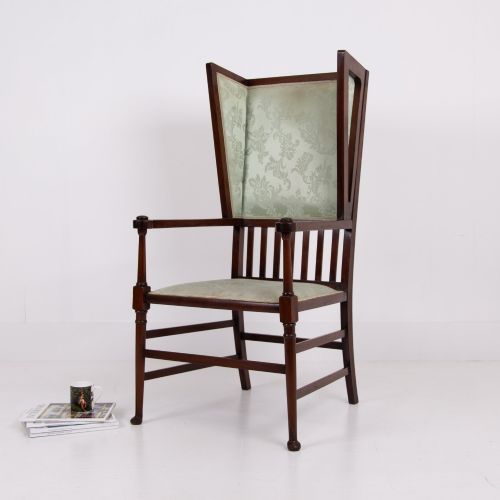
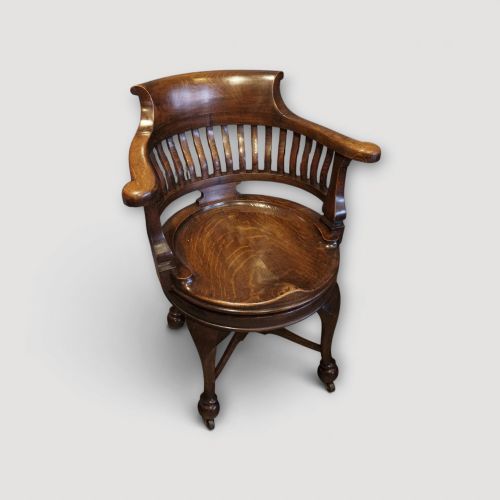
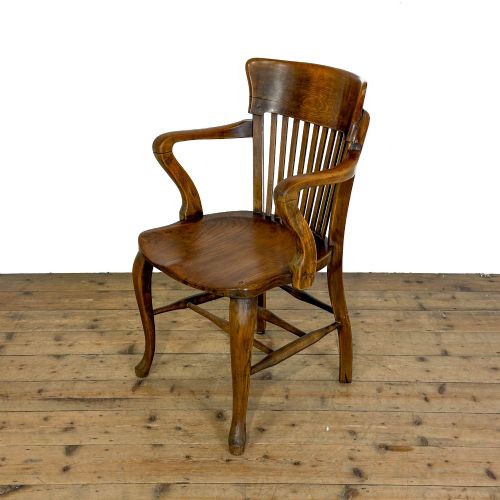
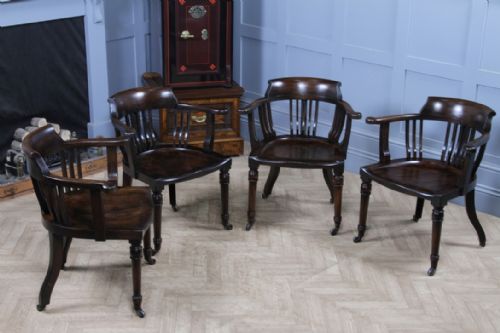
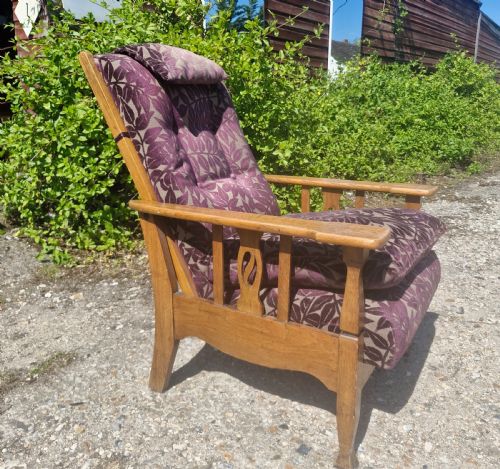
When you search for an edwardian slatted armchair, you are looking at sturdy seating typically fashioned from oak or mahogany during the early twentieth century. These pieces encompass desk chairs, reclining armchairs, and occasional seating shaped by Arts and Crafts ideals or revival styles.
The versions most common on this page date from around nineteen hundred to nineteen twenty, often featuring open slatted backs or carved slots. They serve equally well as office chairs, reading chairs, or distinctive additions to a traditional study.
Originating from a period of transition in British furniture design, these armchairs move away from heavy Victorian ornamentation towards simpler, functional forms. They balance robust woodwork with understated decorative touches such as inlay or turned supports.
What Varies in Quality
The distinction between standard examples and finer pieces rests upon the selection of timber and the crispness of the carving. Superior chairs exhibit dense, well-figured oak or finely polished mahogany with precise joinery that remains tight after a century of use.
Design sophistication also sets examples apart, ranging from plain functional office seating to pieces bearing the stylistic influence of notable makers or retailers. Original mechanical components, such as functional swivels and smooth reclining actions, elevate the standing of an armchair.
Edwardian Slatted Armchair Retail Price Guide 2026
Typical asking prices for edwardian slatted armchair among the pieces listed under this phrase on Sellingantiques today, from the lower quarter to the upper quarter. They describe what is for sale here now, not the wider market.
Smoker's bow armchairs offered gentlemen a sturdy refuge for quiet contemplation and a pipe after dinner.
James Shoolbread
The Edwardian Slatted Armchair Glossary
- Slatted armchair
- A chair featuring a backrest composed of vertical or horizontal wooden slats. This form is particularly associated with Arts and Crafts and office seating.
- Carver chair
- An armchair designed with arms, traditionally placed at the head of a dining table or utilised as a desk chair. They share stylistic traits with matching sets of dining chairs.
- Reclining armchair
- A seat fitted with an adjustable back mechanism to allow the user to lean back. These often appear in oak frames dating from the early twentieth century.
- Inlay
- A decorative technique where contrasting strips of wood are fitted into the primary surface of the furniture. This is commonly seen on mahogany Edwardian pieces.
- Drop-in seat
- A padded seat frame that lifts out independently from the main chair structure. It allows for straightforward reupholstery without dismantling the frame.
Edwardian Slatted Armchair: Frequently Asked Questions
How do I identify an Edwardian slatted armchair?
Look for characteristic early twentieth-century proportions, often combining solid oak frames with open slatted backs and straightforward joinery. Many examples show influences from the Arts and Crafts movement or Sheraton Revival styles.
Check the timber and construction details, as these pieces typically date from between nineteen hundred and nineteen twenty. Period hardware, such as brass castors or swivel mechanisms, also helps confirm the era.
Were these chairs used for offices?
Many slatted armchairs from this era were specifically designed for administrative work, featuring swivels, adjustable heights, or sturdy desk carver configurations. Their robust construction made them ideal for daily professional use.
Over time, these durable desk chairs transitioned into domestic settings as reading or accent chairs while retaining their practical utility.
What is the difference between Arts and Crafts and revival styles?
Arts and Crafts chairs emphasise honest construction, exposed grain, and functional slatted designs that highlight the natural qualities of oak. They prioritize utility and simple craftsmanship over heavy ornamentation.
Revival styles, by contrast, draw inspiration from earlier periods like the Sheraton or Jacobean eras, frequently incorporating polished mahogany, delicate inlay work, and formal turning.
How should I care for vintage wood and leather?
Maintain the timber surfaces by applying natural wax polish sparingly and keeping the chair away from direct heat sources and strong sunlight. This preserves the original finish and prevents the wood from drying out.
For upholstered leather or fabric seats, regular dusting and gentle conditioning will maintain the material. Avoid harsh chemical cleaners that can damage vintage textiles and polished frames.