


Edwardian Single Drawer Table
These pieces are edwardian single drawer table designs, practical items of furniture offering convenient surface space and concealed storage that collectors value for their craftsmanship.
Edwardian Single Drawer Table
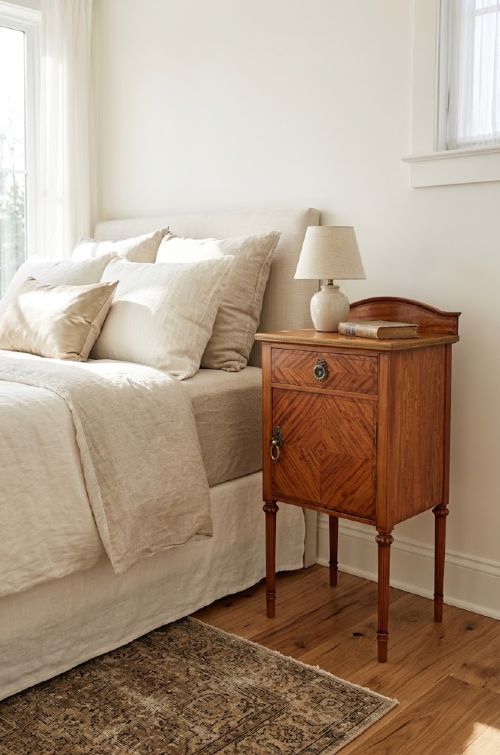
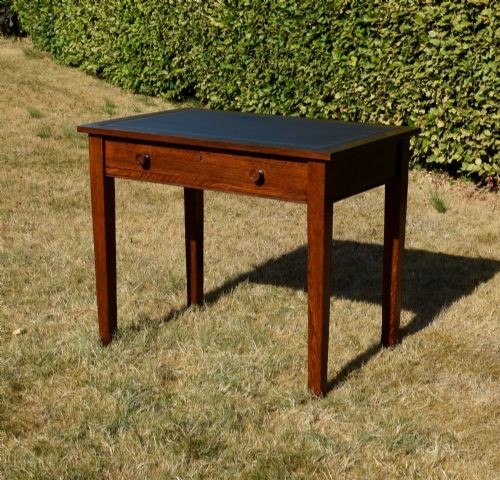
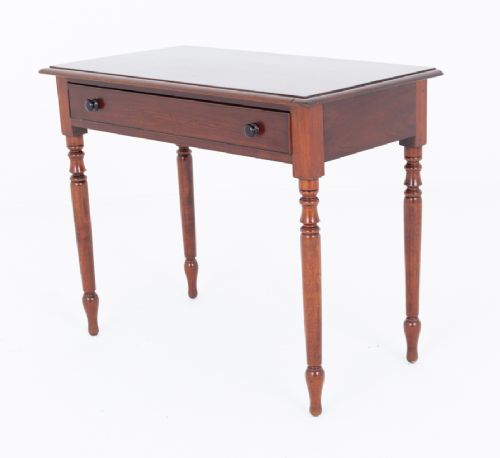
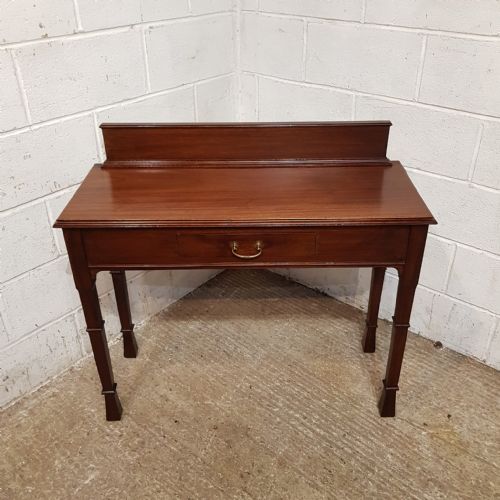
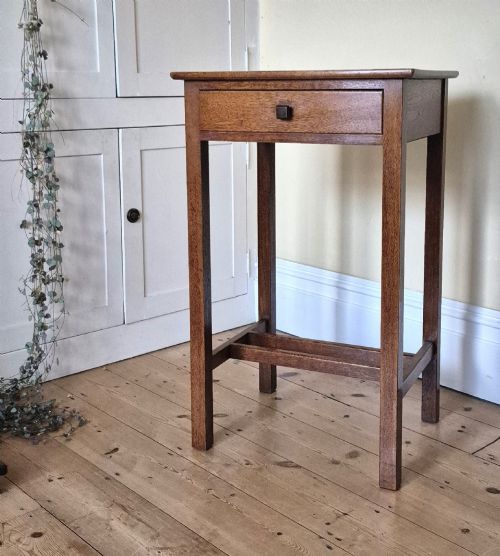
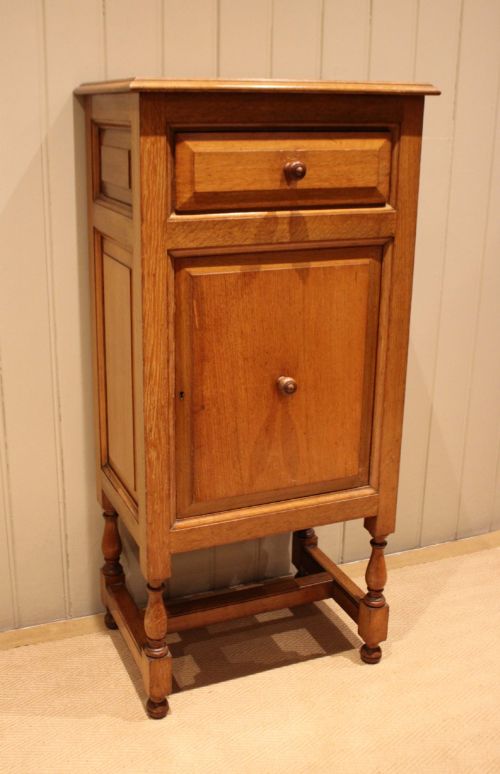
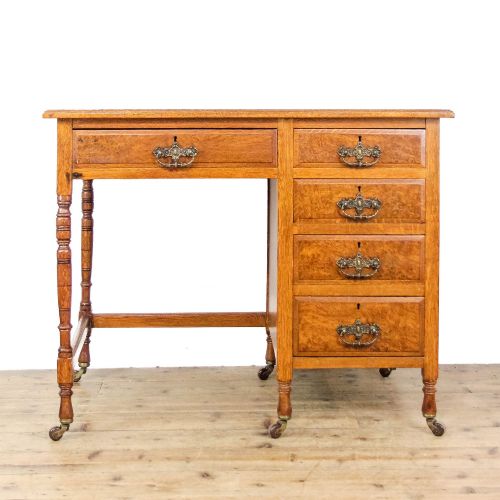
An edwardian single drawer table is a versatile item of domestic furniture designed primarily for writing, bedside storage, or hallway use. These pieces typically feature a compact footprint with a single frieze drawer beneath the main surface, balancing utility with refined proportions.
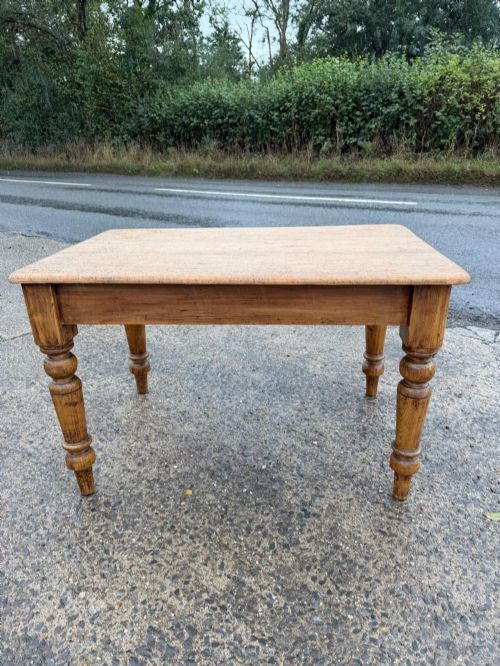
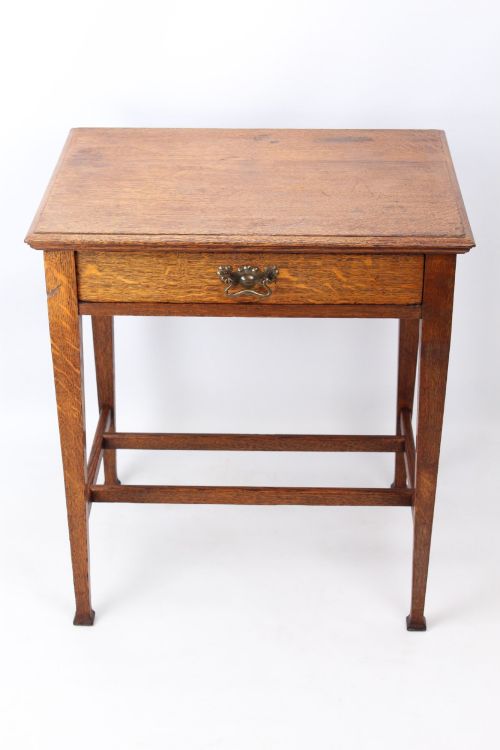
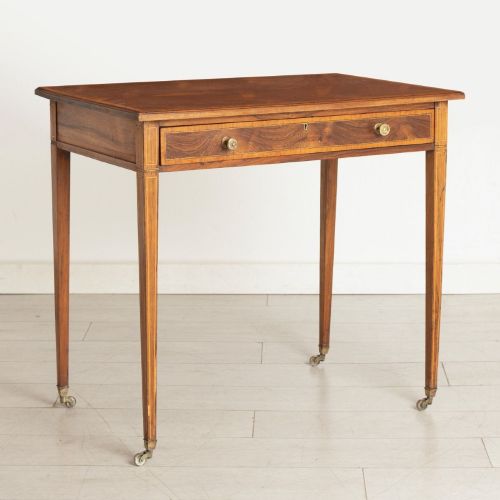
The examples found on this page span several stylistic influences and periods, from Victorian and Georgian revivals to Arts and Crafts designs. Oak, mahogany, and satinwood dominate the forms, appearing as writing desks, side tables, bedside cabinets, and console tables.
Materials and construction
Cabinetmakers utilised durable hardwoods such as mahogany, oak, and rosewood for structural integrity and longevity. Inlays of satinwood and decorative wood veneer added textural contrast and visual refinement to the surfaces.
Joinery methods relied on traditional techniques, including dovetailed drawer construction and precise mortise and tenon frames. Brass hardware, such as handles and escutcheons, provided functional accents to the timber bodies.
Forms include bedside cabinets, console tables, and ladies writing desks spanning the 19th and early 20th centuries.
Distinguishing quality factors
The distinction between standard utility items and finer workshop productions rests upon timber selection and secondary wood usage. Higher grade pieces display figured grains, meticulous veneer matching, and thoughtful proportioning throughout the carcass.
Execution of detail also separates pieces, visible in the snugness of drawer fits and the crispness of inlay work. Maker attribution or documented origins further elevate the status of individual examples.
Hubert Simpson of Kendal·Gillows
The Edwardian Single Drawer Table Glossary
- Frieze drawer
- A drawer positioned immediately beneath the upper surface of a table, integrated into the horizontal band of the frame.
- Satinwood
- A lustrous, yellowish timber native to Ceylon and India, frequently utilised for veneers and decorative stringing on refined cabinetry.
- Arts and Crafts
- A design movement prioritising traditional handcraftsmanship, simple forms, and visible structural honesty over machine-made ornamentation.
- Escutcheon
- A protective plate surrounding a keyhole, typically cast in brass and fitted to drawer faces or cabinet doors.
- Dovetail
- A joinery technique utilising interlocking wedge-shaped fingers to secure drawer corners with exceptional mechanical strength.
Edwardian Single Drawer Table: Frequently Asked Questions
What rooms suit an edwardian single drawer table?
These compact tables function well in studies as writing desks, in bedrooms as bedside cabinets, or in hallways as console surfaces. Their modest scale allows them to fit narrow spaces while providing a functional drawer.
Selecting a version in oak, mahogany, or satinwood helps tie the piece into existing interior woodwork and period aesthetics.
How do I identify an Edwardian piece?
Edwardian items often display lighter proportions and borrowing from earlier Georgian or Sheraton styles, distinguishing them from heavier Victorian furniture. Timber choices like satinwood and lighter oak finishes are common indicators.
Examining the internal drawer construction and secondary woods helps confirm the manufacturing era and construction methods used.
Were these tables used for writing?
Many tables featuring a single frieze drawer served as compact writing desks, correspondence stations, or ladies' writing tables. The shallow drawer held paper, ink, and pens close to hand.
Kneehole clearances and drawer depths vary across these forms, reflecting whether a piece was meant for seated writing or casual bedside storage.
What is the difference between side tables and desks?
Desks generally provide adequate knee clearance and a surface optimized for writing, whereas side tables focus on display and support for lamps or decorative objects. Both formats frequently share the single drawer configuration.
Reviewing the height and under-table clearance clarifies the intended daily function of each specific piece.