




Edwardian Silver Watch Case
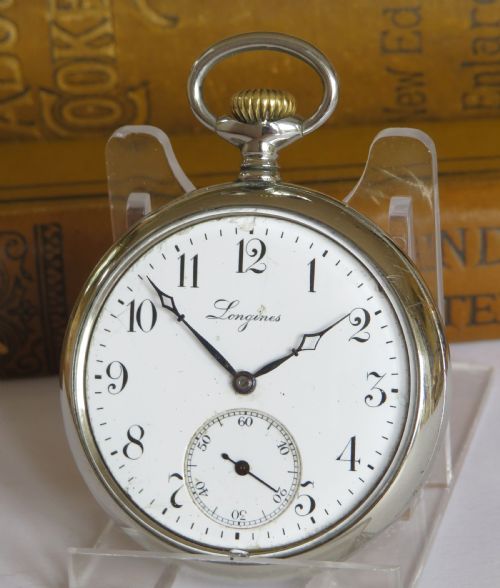
These edwardian silver watch case pieces protect delicate timepieces in style, offering both pocket portability and desk-top presence for the discerning collector.
Edwardian Silver Watch Case
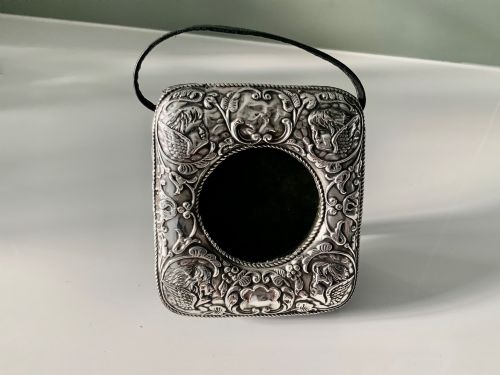
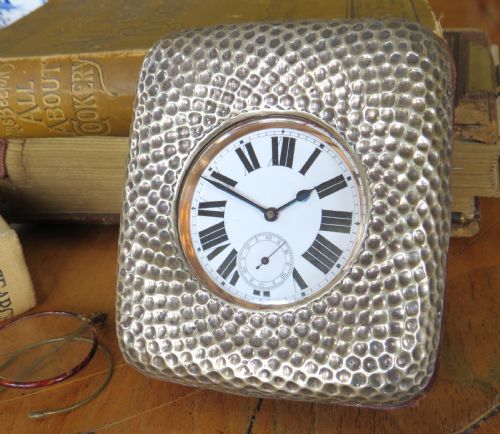
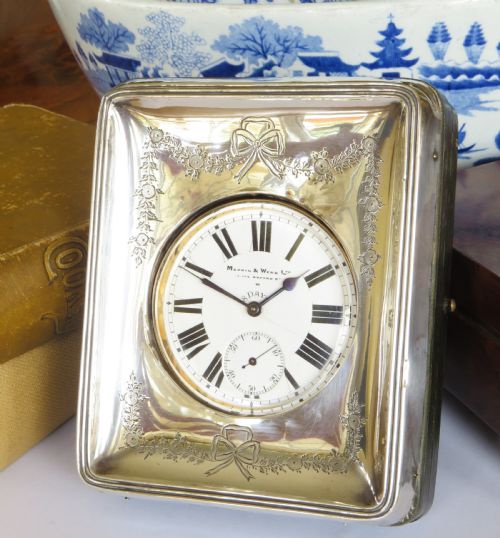
An edwardian silver watch case encompasses portable travel clocks, fob cases, and associated pocket-wear pieces fashioned during the early decades of the twentieth century. These items were designed to safeguard delicate mechanics against the rigours of travel while presenting a polished appearance on a desk or bedside table.
The selections available bring together sterling silver construction with specialised housings for pocket watches and travel clocks. Collectors will encounter folding designs and dedicated outer shells that mirror the practical domestic requirements of the period.
Originating predominantly from Edwardian and adjacent early twentieth-century periods, these accessories reflect the meticulous horological habits of their era. They bridge the gap between utilitarian protection and refined personal presentation.
How they were made
Silversmiths utilised sterling silver sheets, shaping them through pressing, folding, and soldering to create sturdy outer enclosures. Enamel accents and gold details were frequently applied by hand to enrich the exterior surfaces of these protective shells.
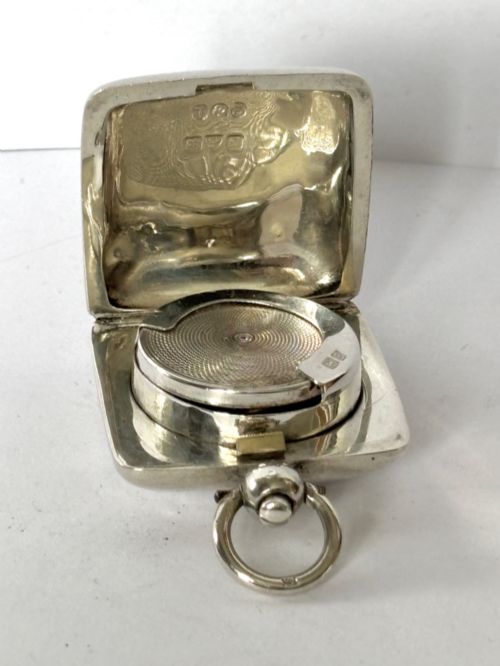
Internal structures often incorporated glass viewing windows and fitted brass or steel components to secure the delicate watch movements safely. Hallmarks stamped directly into the metal recorded the assay office, year, and purity standard of the silver used.
Edwardian Silver Watch Case Retail Price Guide 2026
Typical asking prices for edwardian silver watch case among the pieces listed under this phrase on Sellingantiques today, from the lower quarter to the upper quarter. They describe what is for sale here now, not the wider market.
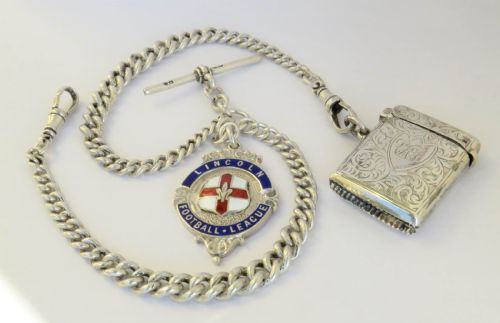
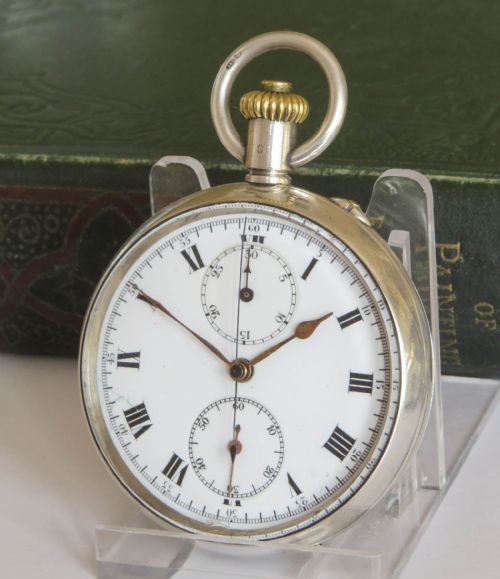
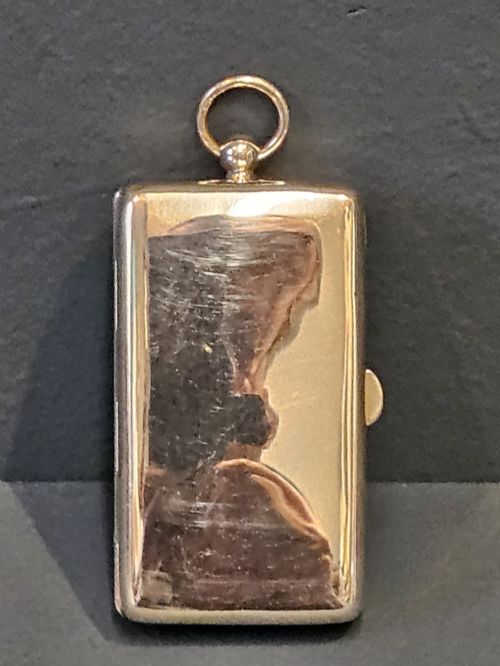
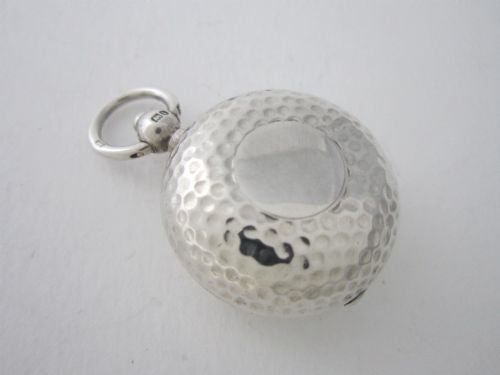
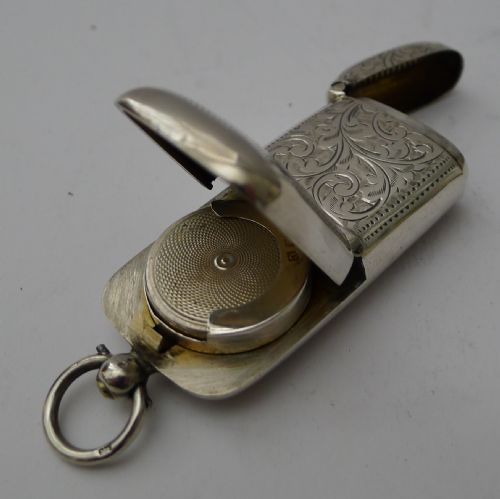
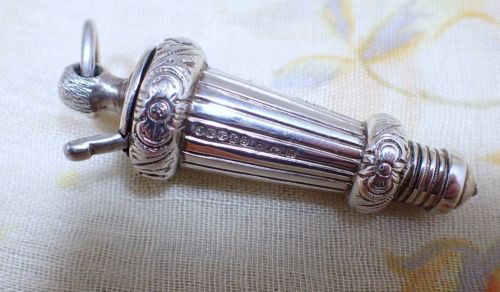
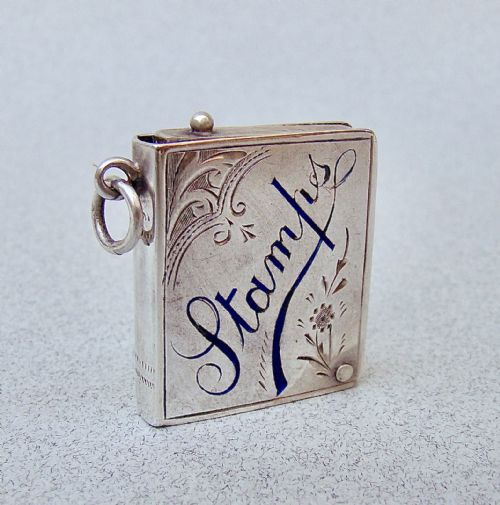
Object forms include pocket watches, sovereign cases, vesta cases, and travelling clocks.
What varies in quality
The standard of an edwardian silver watch case rests upon the crispness of its hallmarks, the thickness of the silver gauge, and the structural integrity of its hinges. Superior examples retain tight closures and unblemished enamel work without distracting dents or amateur repairs.
Makers known for exceptional production standards impart a superior finish to the metalwork, distinguishing standard utility items from luxury presentation pieces. The quality of internal glass fittings and the preservation of original gilding further elevate the piece.
Aaron Lufkin Dennison·Mappin & Webb·Crisford & Norris·JW Benson·H.W. Bedford
The Edwardian Silver Watch Case Glossary
- Sterling Silver
- An alloy consisting of 92.5 percent silver by mass, with the remainder composed of copper or other metals. This standard provides the primary structural material for the cases.
- Hallmark
- A official stamp applied by an assay office indicating the purity of the metal, the maker, and the year of manufacture. These marks allow collectors to date the pieces accurately.
- Vesta Case
- A small pocket container designed specifically for holding matches and a striking surface. They frequently appear alongside or combined with watch-related items in period collections.
- Chronograph
- A watch equipped with a stopwatch function alongside standard timekeeping. Such mechanisms required robust external cases to prevent damage during daily use.
- Fob Watch
- A small timepiece intended to be attached to a ribbon or chain rather than worn in a pocket. Their cases often feature specialised hanging loops or decorative bezels.
Edwardian Silver Watch Case: Frequently Asked Questions
What is an edwardian silver watch case?
An edwardian silver watch case is a protective enclosure made from sterling silver, designed to house pocket watches or serve as a folding travel clock during the early twentieth century.
These items protected delicate glass faces and internal mechanical gears from dust and impact while travelling or sitting on a dressing table.
How were these cases used daily?
Owners placed their pocket timekeepers inside these silver shells to shield them from pocket debris or surface scratches during transit.
Foldable versions allowed travellers to set up a stable bedside clock by simply opening the hinged silver flaps.
How do I identify the date?
Dating relies heavily on the assay office hallmarks stamped into the sterling silver body, which correspond to specific historical registration years.
Stylistic cues such as Edwardian proportions or later Art Deco geometric influences also help narrow down the period of manufacture.
Are watches always included with the case?
Watches are sometimes housed within the silver enclosure, though many pieces survive as standalone protective outer cases or travel clock housings.
Collectors often acquire the case and the timepiece as a matched pairing or seek out empty housings to complete a loose watch.