




Edwardian Silver Waiter
An Edwardian silver waiter offers a gleaming surface for drinks and cards, bringing formal hospitality into your home with understated grace.
Edwardian Silver Waiter
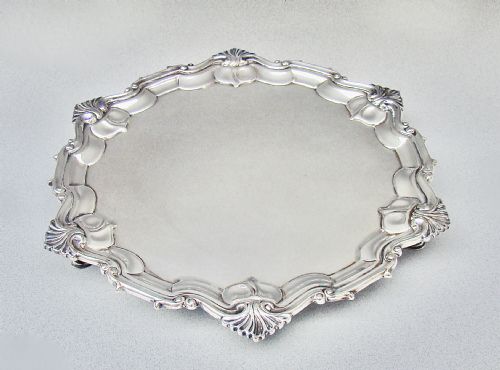
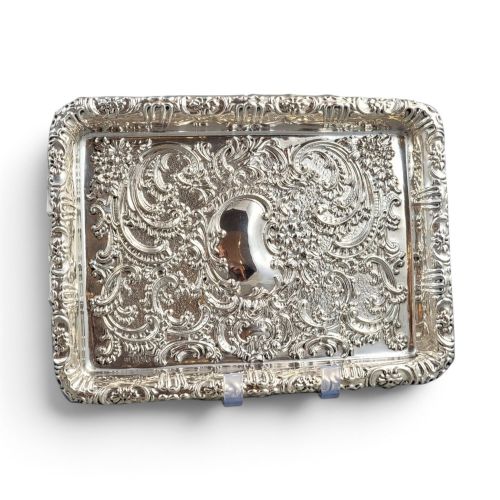
An edwardian silver waiter is a compact serving piece designed for drinks, visiting cards, or small items, commonly appearing in circular forms or as small trays and salvers. These pieces span from the late nineteenth century into the early twentieth century, incorporating Victorian precedents alongside distinct Edwardian designs.
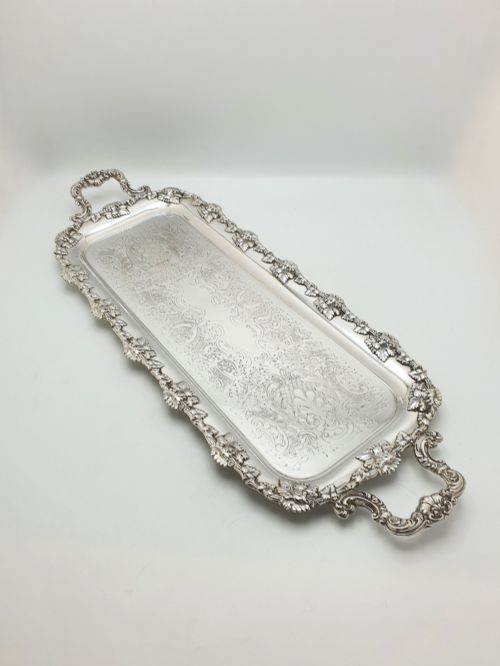
Most examples found here are silver plated or fashioned from electroplated nickel silver, though sterling silver pieces also appear. The forms range from simple round salvers with engraved details to larger gallery trays with raised pierced borders and decorative grapevine motifs.
How They Were Made
Makers utilised silver plate and electroplated nickel silver over a base metal foundation, applying thin layers of silver to create a lustrous finish without the weight and cost of solid sterling silver. Skilled artisans shaped the metal into circular plates, rectangular trays, and raised gallery rims.
Decoration relied heavily on hand engraving, pierced gallery work, and applied cast borders such as grapevine motifs. Craftsmen also incorporated family crests and presentation inscriptions by hand to personalise specific pieces for individual owners.
Listings feature silver plate, electroplated nickel silver, and sterling silver across Edwardian, Victorian, and later periods.
What Varies in Quality
The standard of an edwardian silver waiter rests upon the crispness of its hand engraving, the weight of the underlying metal, and the integrity of the silver plating. Superior examples exhibit deep, clear chasing and well-balanced proportions that feel substantial in the hand.
Design complexity further distinguishes finer pieces, particularly those featuring intricate pierced galleries, cast borders, or documented maker marks from renowned workshops. Simpler utilitarian trays occupy the more functional end of the scale.
William Hutton And Sons·Robert Pringle And Sons·Walker And Hall
The Edwardian Silver Waiter Glossary
- Waiter
- A small tray or salver used for serving drinks, calling cards, or small items. These pieces typically feature a circular form and rest on short feet.
- Salver
- A flat serving tray, usually made of silver or silver plate, used for formal presentation. They often feature decorative borders and engraved surfaces.
- Gallery tray
- A tray featuring a raised pierced or solid gallery border around the edge to prevent items from sliding off. This style gained popularity during the Edwardian period.
- EPNS
- Electroplated nickel silver, a common base metal covered with a thin layer of silver. This technique allowed makers to produce affordable yet attractive serving ware.
- Sterling silver
- An alloy consisting of ninety-two point five percent silver and seven point five percent other metals, mostly copper. Pieces made from this material carry distinct hallmarks indicating the metal standard and assay office.
Edwardian Silver Waiter: Frequently Asked Questions
What is the difference between a waiter and a tray?
A waiter is traditionally a smaller, circular serving piece intended for glasses, cups, or visiting cards. Trays often encompass larger serving formats with handles for carrying heavier loads.
Both terms frequently overlap in antique descriptions, but size and footed bases usually distinguish the smaller waiter from a standard serving tray.
How do I clean silver plated waiters?
Silver plate requires gentle cleaning with a dedicated silver polish and a soft cloth to preserve the thin metallic layer. Avoid abrasive cleaners that can wear away the plating over time.
Regular dusting and careful handling keep the surface bright without risking damage to the underlying base metal.
Were these pieces used for drinks?
Edwardian waiters and small trays served primarily for presenting glasses, decanters, or tea services to guests in a formal setting. They also functioned as card trays in hallways for receiving calling visitors.
Today, they adapt easily to modern cocktail service or decorative display on side tables.
How can I tell an Edwardian piece apart from Victorian ones?
Edwardian pieces generally favour lighter, more delicate neoclassical or Edwardian Revival designs compared to the heavier ornamentation of the Victorian era. However, production styles often overlapped around the turn of the century.
Examining any accompanying hallmarks, maker marks, and stylistic motifs helps narrow down the specific date of manufacture.