
Edwardian Silver Set
When you handle an edwardian silver set, you hold domestic history fashioned during a period of confident elegance and refined dining rituals.
Edwardian Silver Set
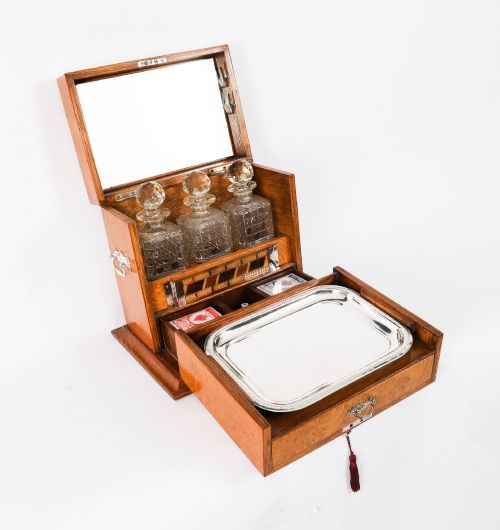
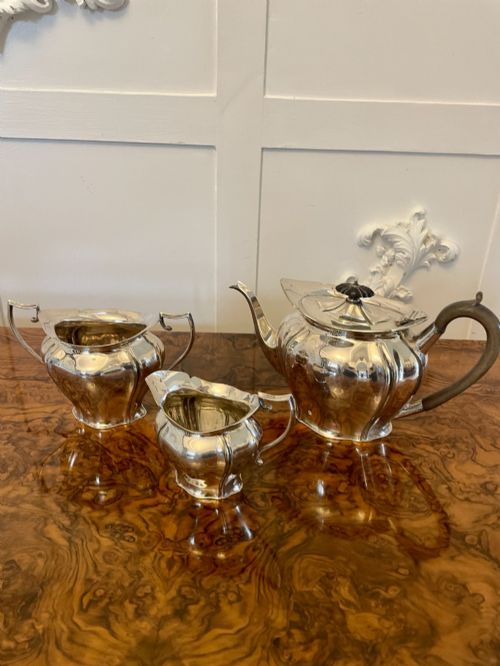
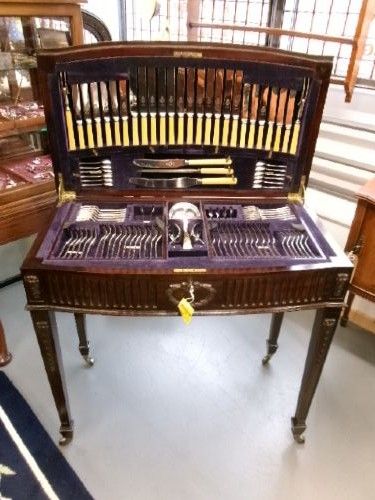
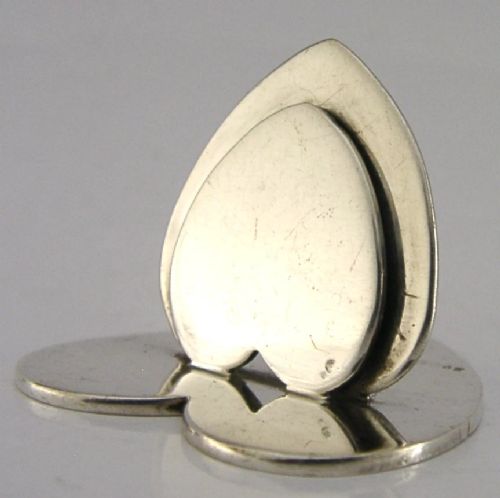
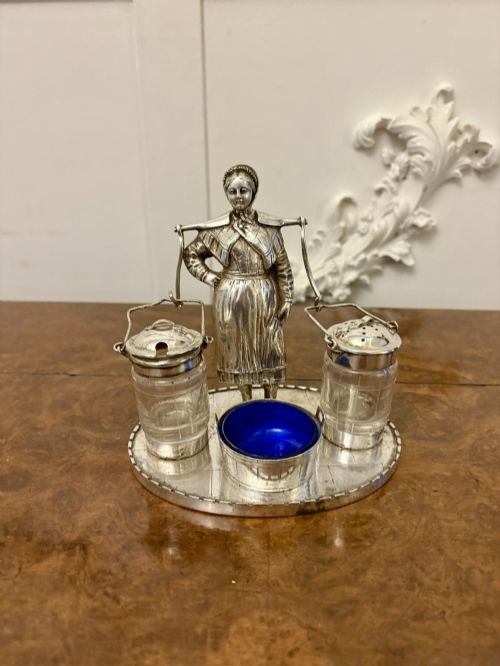
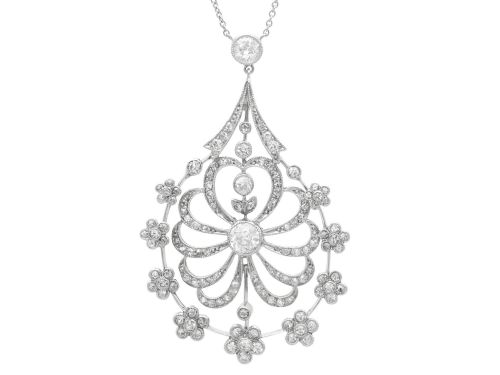
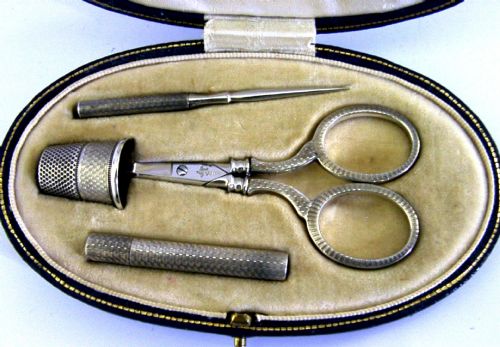
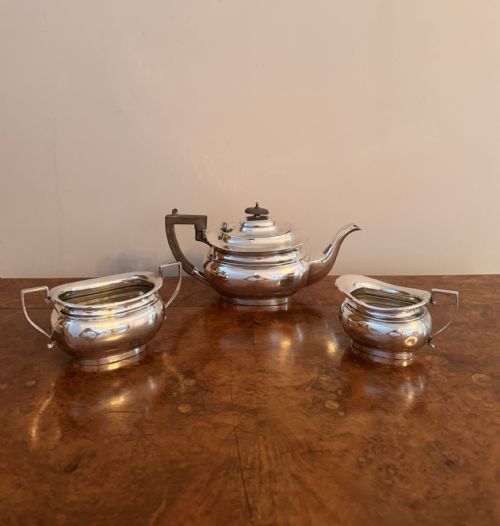
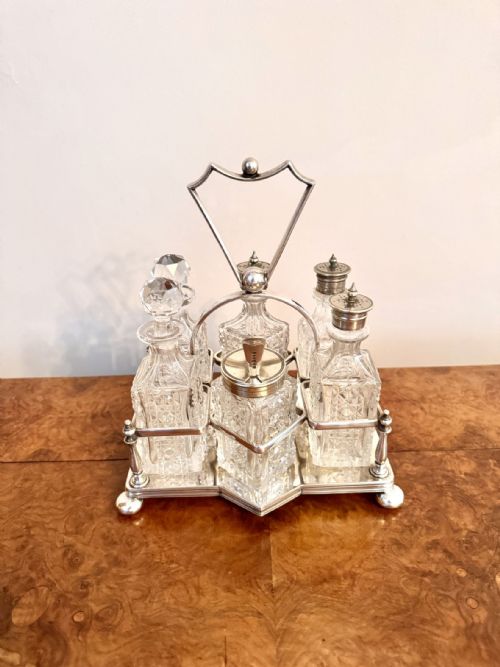
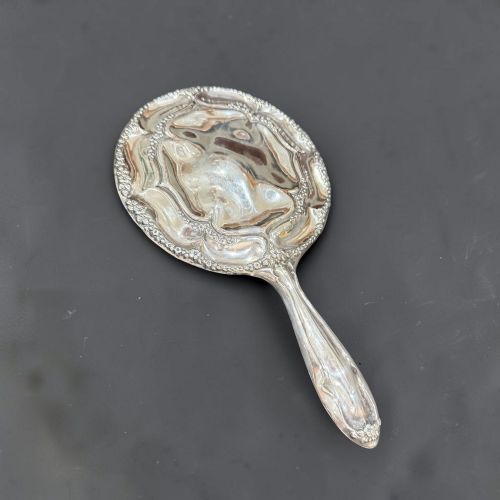
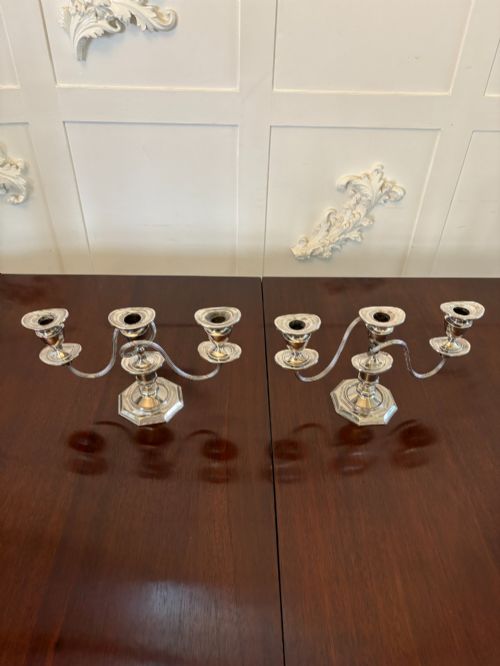
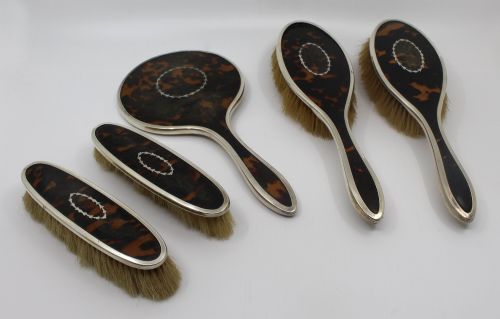
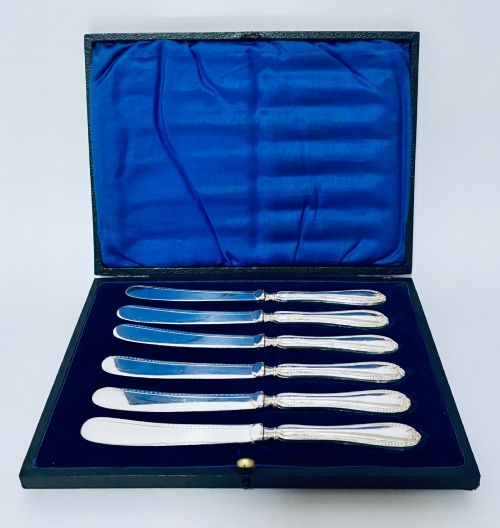
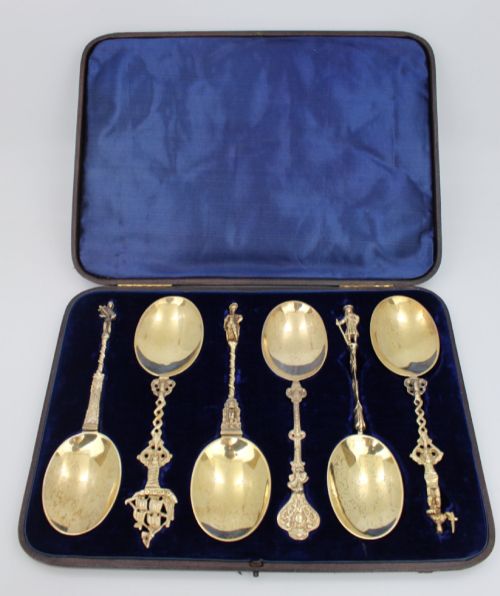
An edwardian silver set comprises matched collections used for dining, tea service, and dressing table organisation. These groupings range from multi-piece cruet stands holding condiments to fitted cases of spoons, fruit knives, and napkin rings.
The objects reflect the formal social gatherings of the early twentieth century, where coordinated tableware demonstrated hostly pride. Many survive in their original fitted presentation boxes lined with velvet or silk.
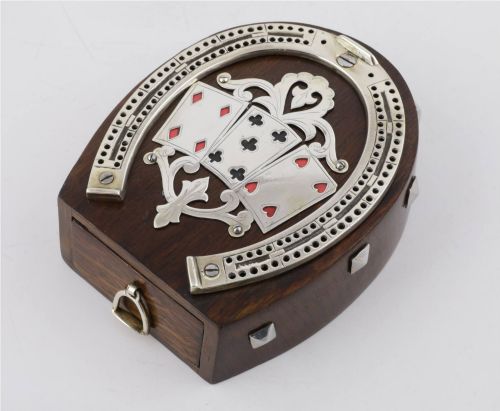
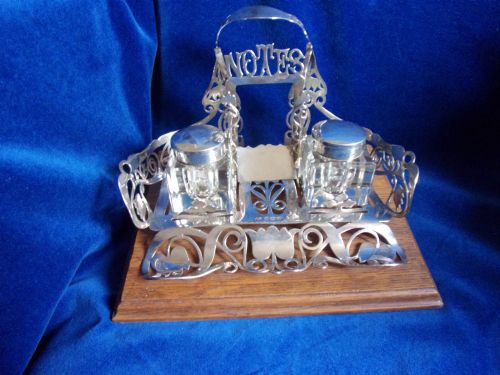
Cruet sets, tea services, and spoon collections dominate the offerings here. Buyers encounter solid sterling silver alongside durable silver plated variations produced by prominent workshops of the era.
Materials and construction
Makers utilised sterling silver and silver plate over base metals, often combining metalwork with cut glass, mother of pearl, tortoiseshell, and leatherette. Metal components were shaped through casting, stamping, and detailed hand engraving.
Fitted presentation boxes required skilled carpentry to house specific items snugly, lined with plush fabrics to protect polished surfaces. Glass inserts for cruets and condiment pots relied on precision moulding and cut decoration.
Listings feature sterling silver and silver plate across the Edwardian, Victorian, and George V periods.
Factors of quality
Quality rests upon the weight of the metal and the crispness of decorative chasing or embossing. Thicker gauges of silver resist denting and maintain structural integrity during daily use.
The completeness of a matched set and the survival of its original fitted case heavily influence desirability. Maker marks and clear hallmarks guarantee authenticity and trace the origin to specific regional assay offices.
Levi & Salaman·Henry Matthews·William Hutton & Sons·Walker and Hall·William Comyns
The Edwardian Silver Set Glossary
- Cruet
- A small container or set of containers for holding condiments like mustard, pepper, and salt at the dining table. These often sit within a dedicated silver or plated stand.
- Hallmark
- An official stamp applied to precious metals indicating the purity, the assay office, and the year of manufacture. British sterling silver traditionally bears a lion passant alongside other specific marks.
- Sterling silver
- An alloy containing 92.5 percent pure silver and 7.5 percent other metals, usually copper, chosen for durability. This standard is fundamental to dating and valuing British silver items.
- Vesta
- A small pocket box designed to hold matches safely, frequently matched with sealing wax holders in travel sets. They often feature engraved decoration or monograms.
- Chasing
- A metalsmithing technique where designs are hammered into the front surface of the metal to create raised patterns. This ornamentation adds texture and visual depth to holloware and flatware.
Edwardian Silver Set: Frequently Asked Questions
How do I clean tarnished silver sets?
Use a soft microfiber cloth and a mild silver dip or paste specifically formulated for antiques. Avoid abrasive materials that can wear away thin silver plating or scratch delicate surfaces.
Store pieces in dry environments away from direct sunlight to minimise future tarnishing and protect internal velvet or silk box linings.
Can I use antique silver daily?
Many people enjoy using their silver flatware and tea sets for special meals or daily routines. Hand washing is essential to preserve the finish, as dishwashers use harsh detergents that cause pitting and damage.
Take care with acidic foods like citrus or vinegar, which can stain silver if left in contact for extended periods.
How do I identify the date of my silver?
Look for the series of tiny stamped marks on the metal surface, including a date letter that corresponds to specific assay office records. These hallmarks provide the exact year of testing and often the maker's initials.
Stylistic cues such as Edwardian motifs or fitted case designs also help narrow down the manufacturing decade when marks are worn.
Why do some sets include glass components?
Glass liners and bottles were paired with silver mounts to hold liquids and moist condiments safely without metallic interaction. Cut glass added brilliant light reflection to the table alongside polished silver surfaces.
Original glass inserts matching the exact contours of the silver frames are crucial for historical completeness.