



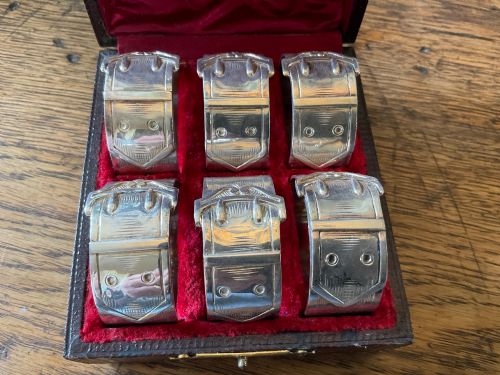
Edwardian Silver Ring
When considering an edwardian silver ring, collectors secure pieces defined by period gemstones and delicate metalwork that mark early twentieth-century design.
Edwardian Silver Ring
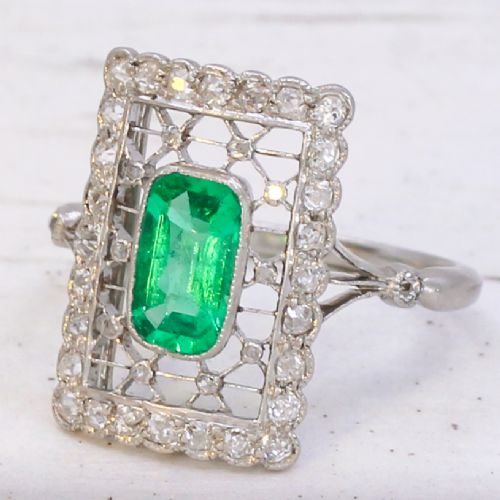
An edwardian silver ring typically incorporates sterling silver settings alongside diamonds, emeralds, sapphires, moonstones or rubies. Pieces from this era frequently employ a combination of silver and gold to mount stones securely while preserving a bright white metal appearance on the face.
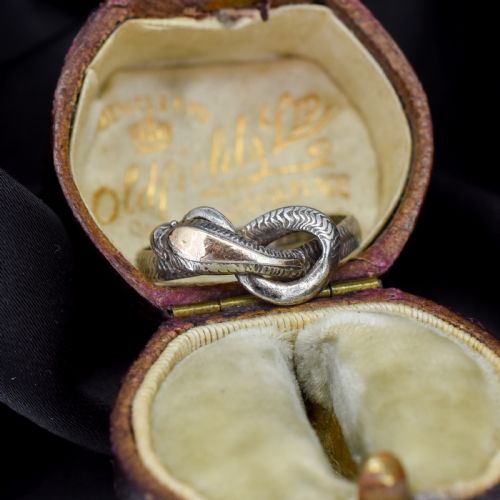
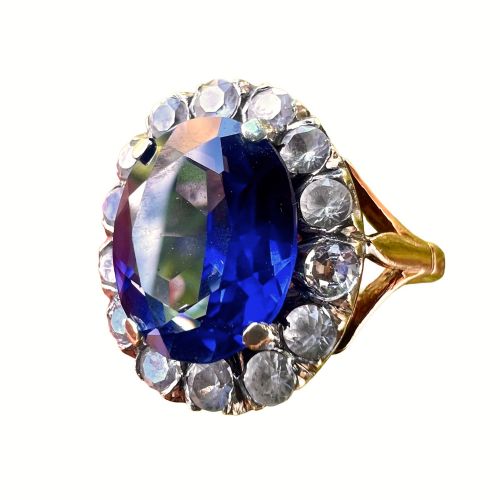
The selections available range from delicate dress rings and halo designs to snake serpents and multi-stone cluster configurations. These items emerge from the early decades of the twentieth century, reflecting the lighter, more refined aesthetic that succeeded heavy Victorian jewellery.
Materials and Techniques
Silversmiths utilised sterling silver alongside gold, shaping bands and bezels through casting, piercing and hand fabrication. Gemstones such as rose-cut diamonds, opals and cabochon moonstones were secured in claw settings or flush mountings.
Makers integrated organic components and contrasting metals, pairing silver with silk or velvet within presentation boxes and incorporating delicate wirework or engraving directly onto the ring shoulders.
Listings feature sterling silver rings mounted with diamonds, moonstones, sapphires, emeralds and rubies from the early twentieth century.
Factors of Distinction
The calibre of an edwardian silver ring depends on the crispness of the metalwork and the integrity of the gemstone settings. Superior examples retain intricate pierced details and secure stone retention without excessive thinning of the band from past wear.
Design complexity also elevates a piece, distinguishing standard bands from novelty serpent motifs or multi-gem halo clusters that required advanced bench skills to construct.
William Comyns·Liberty And Co·Henry Matthews·Robert Pringle And Sons·Adie And Lovekin
The Edwardian Silver Ring Glossary
- Sterling Silver
- An alloy consisting of ninety-two point five percent silver and seven point five percent other metals, typically copper, used to ensure structural durability. This standard metal forms the foundation of most Edwardian jewellery.
- Cabochon
- A gemstone shaped and polished with a smooth, rounded surface rather than faceted edges. This cut appears frequently on moonstones and opals from the period.
- Halo Ring
- A jewellery design featuring a central gemstone encircled by a ring of smaller accent stones. This arrangement maximises the visual impact of the primary gem.
- Dress Ring
- A decorative ring worn for social occasions rather than signifying an engagement or wedding. These pieces prioritise artistic flair and gemstone combinations.
- Openwork
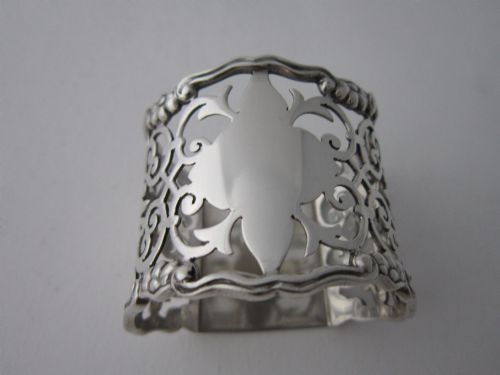
- Metalwork pierced through to create decorative patterns resembling lace or geometric lattices. This technique lightened the visual weight of silver mountings.
Edwardian Silver Ring: Frequently Asked Questions
How do I clean an edwardian silver ring?
Clean the metal gently using a soft microfibre cloth designed for silver to remove surface tarnish without disturbing the setting.
Avoid submerging antique pieces with delicate gemstone in liquid chemical dips, as moisture can penetrate vulnerable foil-backs or organic linings.
Can I wear an edwardian silver ring daily?
These historical items benefit from careful handling due to their age and delicate claw settings constructed over a century ago.
Remove jewellery before manual tasks, swimming or sleeping to protect fragile stones and intricate silver wirework from accidental impact.
What defines Edwardian jewellery style?
The aesthetic favours lightness and grace, moving away from heavy Victorian designs by utilising airy openwork settings and bright diamond clusters.
Craftsmen often paired silver with gold to complement the stones while maintaining a brilliant white surface facing the wearer.
How do I verify the metal purity?
Examine the inner band for hallmarks indicating the standard of silver, the assay office location and the operating year.
Many period pieces carry distinct stamps that help establish their exact manufacturing origin and maker identity.