

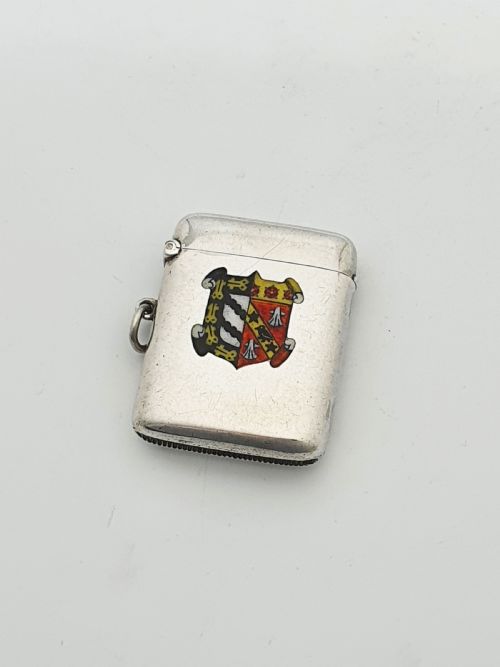
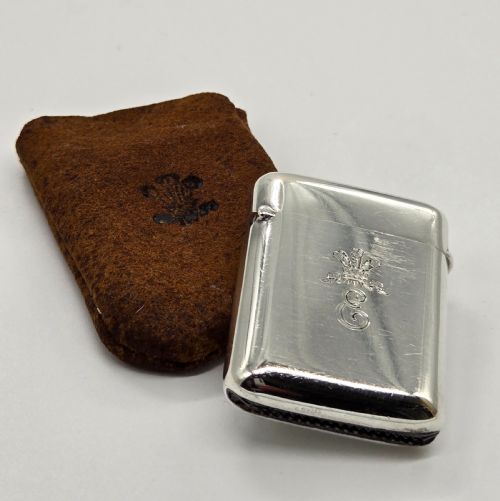

Edwardian Silver Pocket Matchbox
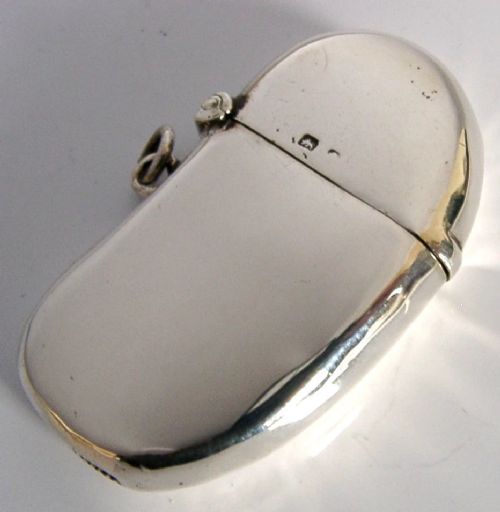
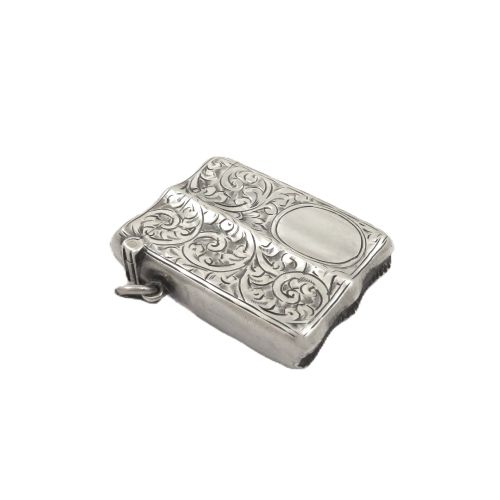
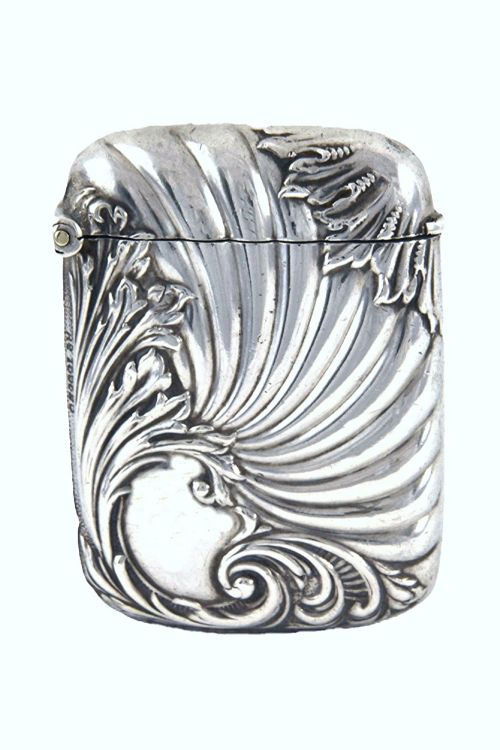
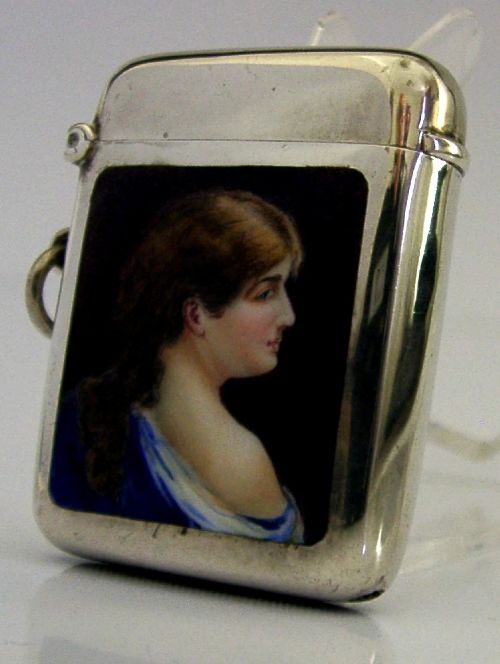
An edwardian silver pocket matchbox is a neat pocket container for vestas, offering tactile appeal and period craftsmanship.
Edwardian Silver Pocket Matchbox
Indicators of Quality
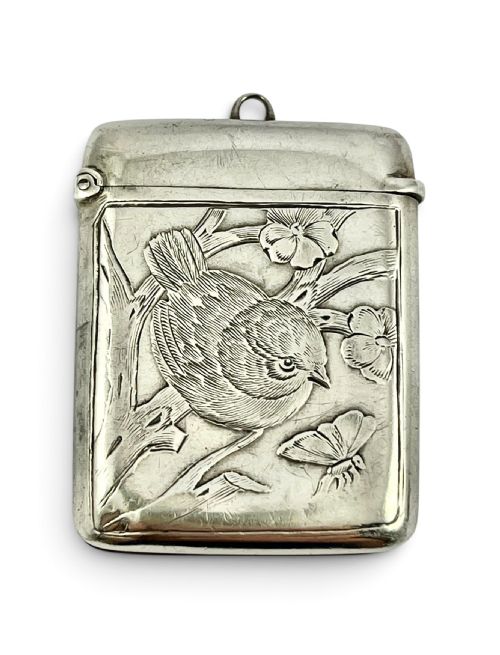
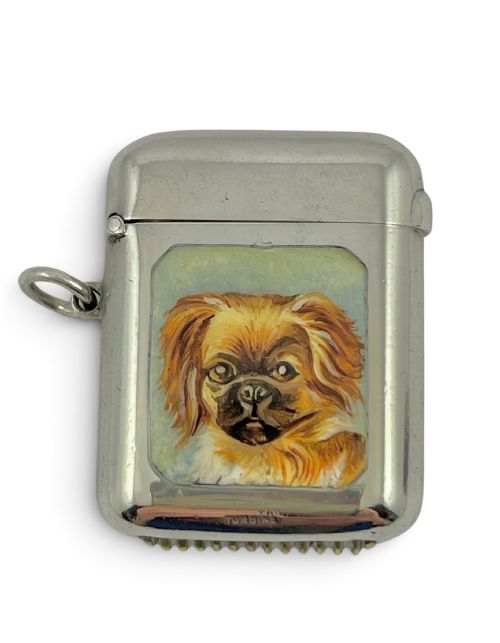
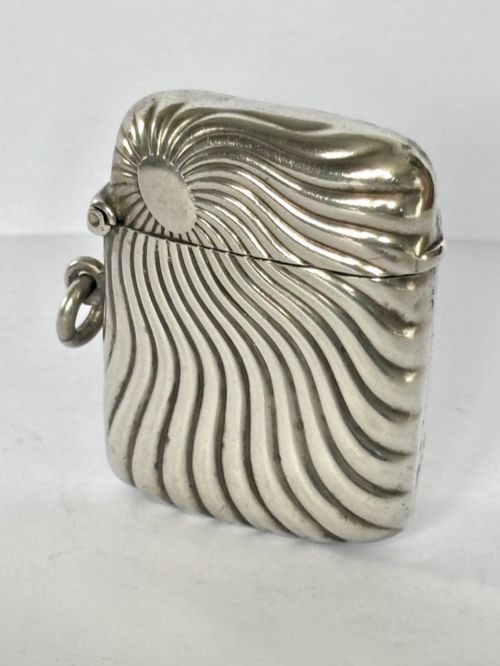
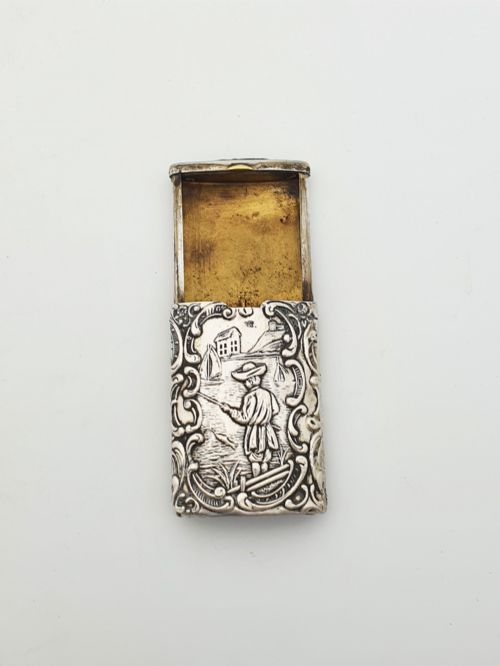
Quality in an edwardian silver pocket matchbox rests on the crispness of the chasing, the precision of the engraving, and the originality of any applied enamel work. Hand-painted details and complex novelty forms require high technical skill from the silversmith, setting standard mass-produced items apart from bespoke commissions. The retention of crisp hallmarking and a secure hinge mechanism also mark superior craftsmanship.
Robert Chandler·Alfred Clark·Sampson Mordan·William Hair Haseler
The Edwardian Silver Pocket Matchbox Glossary
- Vesta case
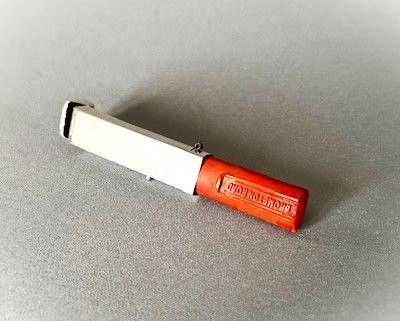
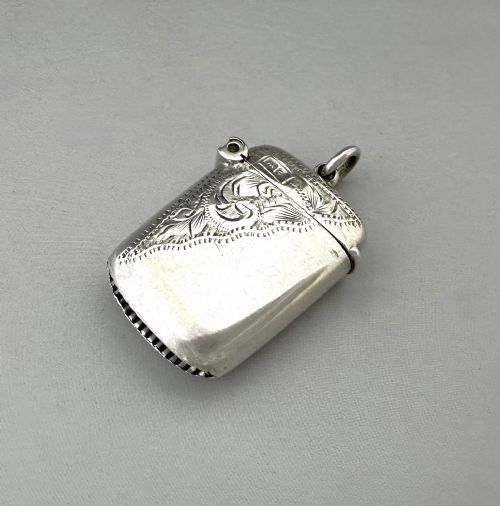
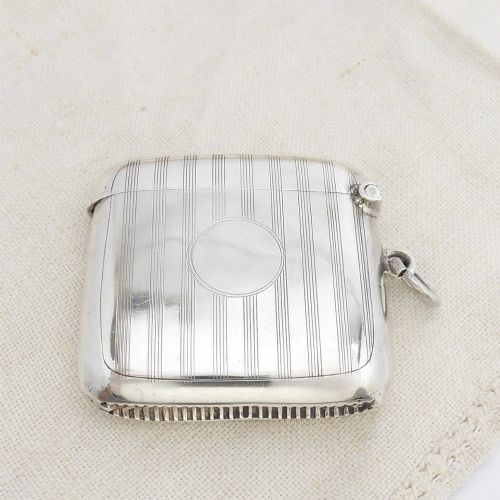
- A small pocket container designed to hold vestas, which were short matches tipped with phosphorus. These cases feature a ribbed striking surface on the base for igniting the match.
- Repousse
- A metalworking technique where the silversmith hammers the metal from the reverse side to form a raised design in relief on the front. This method creates textured pictorial scenes and organic scrollwork.
- Vermeil
- Sterling silver plated with a thin layer of gold on the surface. This technique provides the rich appearance of solid gold while utilising silver as the base metal.
- Vitreous enamel
- Glass powder fused to the metal surface through high-temperature firing to create durable, coloured decoration. It appears on crests and pictorial panels.
- Hallmark
- Official stamps struck into precious metals to indicate the standard of purity, the assay office, and the date letter of manufacture. British pieces carry distinct town marks and date codes.
Edwardian Silver Pocket Matchbox: Frequently Asked Questions
What is a vesta case?
A vesta case is a small pocket-sized container manufactured to hold early safety matches securely. They were essential everyday items for smokers and travellers.
Most versions feature a hinged lid and a striated panel on the bottom for striking matches. Their compact proportions allowed them to be carried easily in pockets or attached to chatelaines.
How do I date a silver matchbox?
Dating relies on the assay hallmarks stamped directly into the silver metal. These marks include specific date letters that correspond to the year of testing.
Additional clues come from the decorative style, such as Art Nouveau curves or Edwardian crests. Comparing the maker's mark against historical records further narrows the production window.
Were these cases used only for matches?
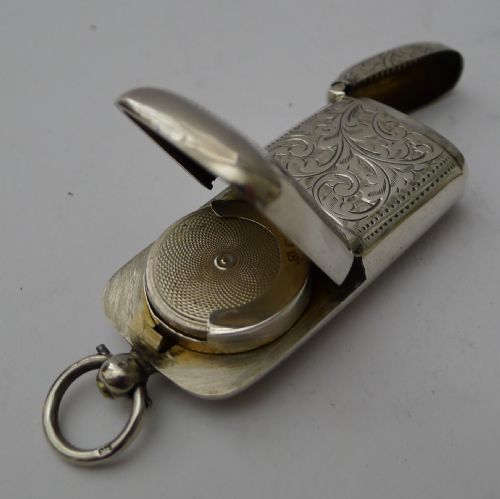
While primarily made for matches, many examples served dual purposes. Combination pieces integrated sovereign holders for gold coins or compartments for sealing wax.
Some unusual models functioned as miniature vanity items or novelty conversation pieces. Their robust construction allowed them to withstand daily utilitarian handling.
What silver standard should I expect?
British pieces from this era typically meet sterling silver standards, representing 925 parts per thousand of pure silver. Continental examples frequently utilise 800 silver standards.
Stamps and numerical marks like 925 confirm the metal purity used by the silversmith. Gold gilt finishes or vermeil additions appear on select luxury items.