



Edwardian Silver Plated Jar
These edwardian silver plated jar pieces combine gleaming metal mounts with cut glass and ceramics, offering a practical centrepiece for the dining table.
Edwardian Silver Plated Jar
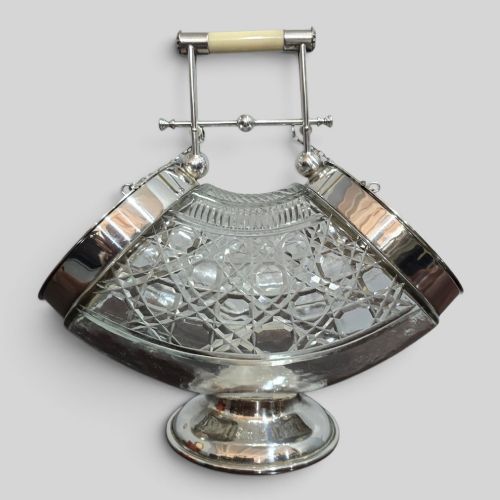
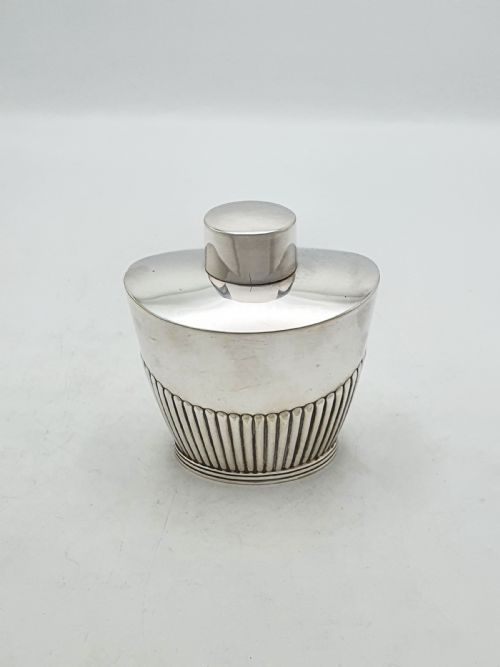
When searching for an edwardian silver plated jar, collectors encounter a diverse group of receptacles primarily designed for storing biscuits, preserves, tea, and condiments. The selection spans biscuit barrels, tea canisters, jam dishes, and cruet sets created during the late nineteenth and early twentieth centuries.
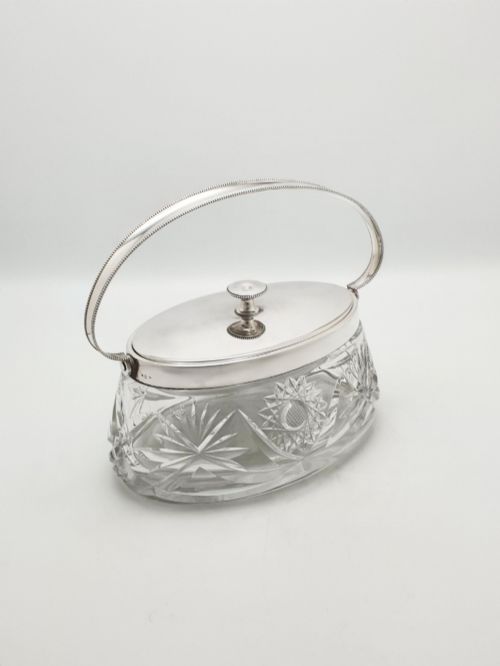
The most frequent examples on this page are biscuit barrels and boxes, combining silver plated mounts with bodies formed from cut glass, cranberry glass, oak, and earthenware. These containers reflect the domestic dining habits of the period, offering both utility and display appeal for the sideboard.
Alongside standard cylindrical and drum forms, the listings include novelty shapes such as a weight alongside functional serving pieces with glass liners. Most items date from the Edwardian era and late Victorian period, demonstrating the era's fondness for plated wares.
Materials and Technique
The construction of these pieces relies on the pairing of a base material, typically glass, ceramic, or oak, with electroplated nickel silver or standard silver plate mounts. Cut glass bodies feature deep hobnail or faceted patterns that catch the light, while ceramic versions utilise flow blue and white earthenware or Crown Devon bodies.
Metalwork techniques involve applying a silver plating layer over base metals such as nickel silver, creating a durable reflective surface for hinged lids, swing handles, and rims. Mounts are frequently pierced, chased, or cast into decorative forms to secure glass liners and wooden staves securely.
One particularly stubborn biscuit box takes the exact physical form of a heavy metal weight, tricking guests before revealing its sweet interior.
Judging Quality
The distinction between standard examples and the finest pieces rests upon the crispness of the glass cutting and the weight of the metal mounts. Deeply faceted cut crystal or rich cranberry glass combined with substantial silver plating signifies superior manufacture.
Maker attribution and form complexity further elevate a piece, particularly when involving recognised firms or unusual novelty designs like drum shapes and weighted forms. The integrity of the original glass liner and the smooth action of hinged lids contribute significantly to the overall merit of the object.
Mappin & Webb·Thomas Bradbury·John Grinsell & Sons
The Edwardian Silver Plated Jar Glossary
- Biscuit Barrel
- A covered ceramic or glass container designed for storing dry biscuits on the dining table. They usually feature a silver plated swing handle and matching lid.
- Cranberry Glass
- A deep red glass created by adding gold chloride to the molten metal batch during manufacture. It was widely utilised for decorative tableware during the Victorian and Edwardian periods.
- Electroplated Nickel Silver
- A base metal alloy of copper, nickel, and zinc coated with a thin layer of silver via an electrolytic process. This technique became the standard method for producing affordable silver-appearance wares from the mid-nineteenth century onwards.
- Hobnail Cut
- A raised geometric glass-cutting pattern resembling the hobnails used on heavy boots. It creates multiple sharp facets that maximise light refraction.
- Flow Blue
- A cobalt blue earthenware glazing technique where the colour bleeds slightly into the white background during firing. This style originated in Staffordshire and remained popular through the nineteenth century.
Edwardian Silver Plated Jar: Frequently Asked Questions
What were biscuit barrels used for?
Biscuit barrels served as decorative containers for holding dry biscuits during afternoon tea or after-dinner dining. They kept baked goods protected from moisture while adding a polished metallic and glass accent to the table.
Servants typically brought them to the table filled, and hosts would open the hinged lid to offer guests a selection.
How do I clean silver plate?
Silver plate requires gentle cleaning with a specialist non-abrasive silver polish and a soft cloth to remove tarnish without wearing through the thin plating layer. Avoid harsh scrubbing or soaking, particularly near mounted glass or wooden elements.
Regular light dusting helps prevent heavy tarnish accumulation, preserving the reflective finish of the metal mounts.
Are glass liners original?
Glass liners were manufactured specifically to fit inside pierced or open metal frameworks to contain moist contents like jams or preserves without damaging the frame. Many survive intact, though replacements are sometimes found in older pieces due to accidental breakage.
Examining the rim fit and glass consistency helps determine if the liner belongs to the original construction.
How can I date an Edwardian jar?
Dating relies on stylistic markers such as the presence of Jugendstil or Art Deco influences, alongside registration numbers and maker marks stamped on the metal mounts. Edwardian pieces generally date from around nineteen hundred to nineteen ten, sitting between late Victorian and First World War designs.
Material choices, such as cranberry glass or specific ceramic bodies, also provide strong chronological clues.