



Edwardian Silver Match Box
An edwardian silver match box brings the crisp detail of early twentieth-century metalwork right into your pocket.
Edwardian Silver Match Box
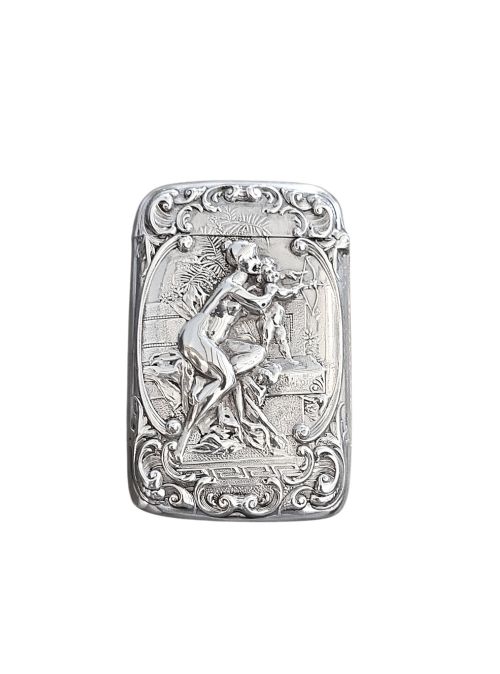
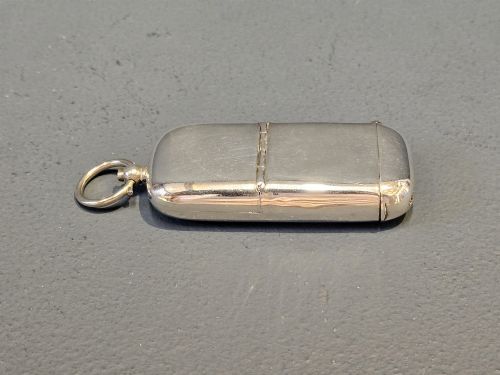
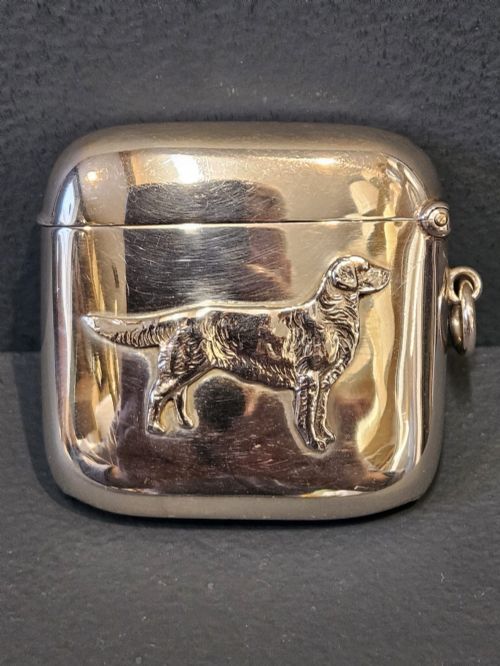
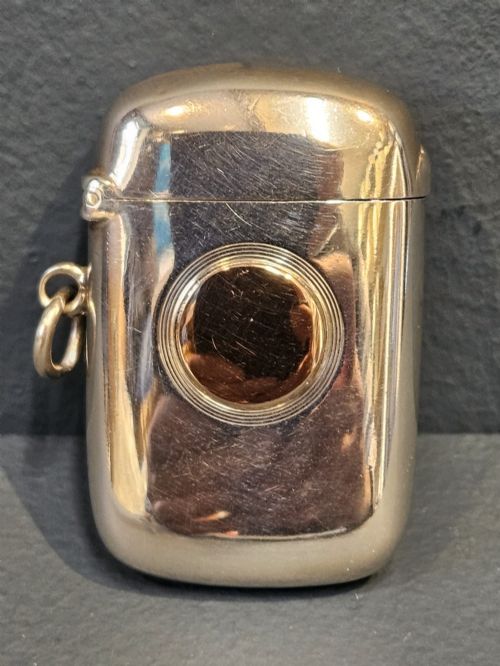
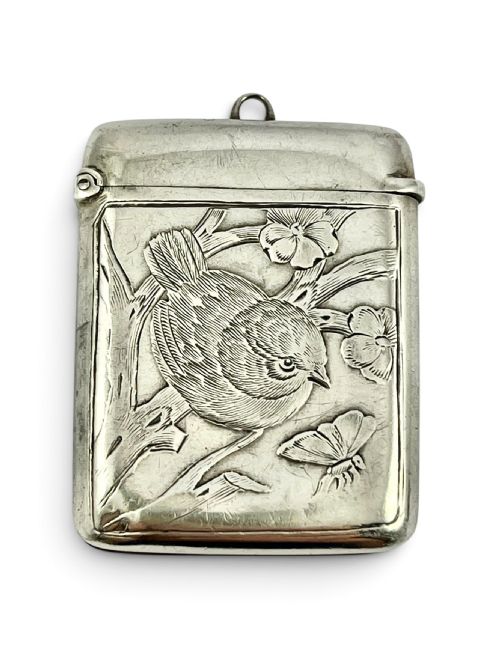
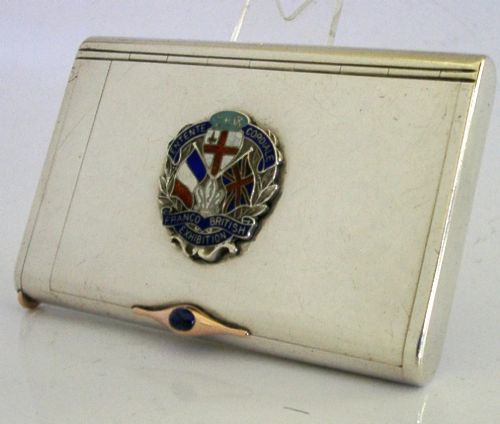
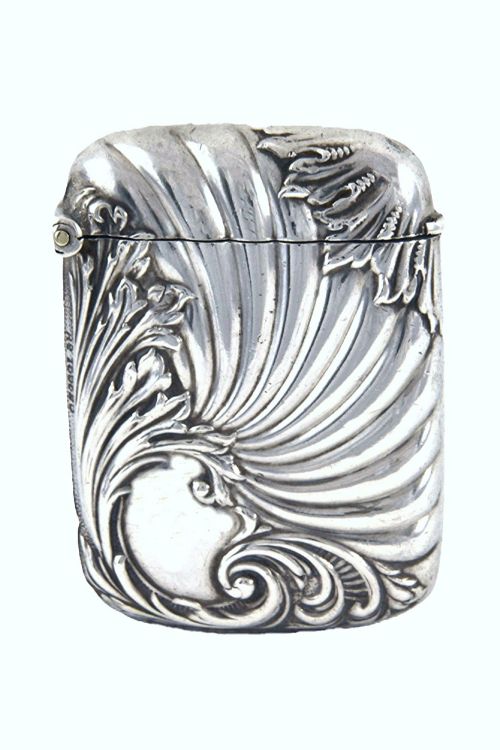
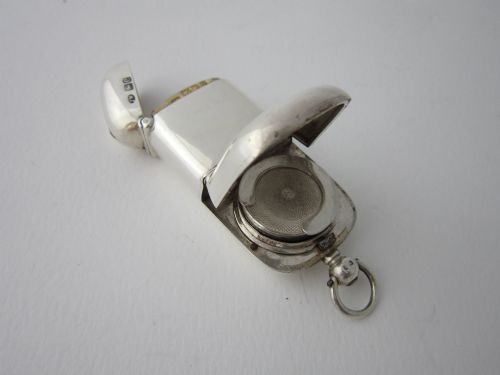
When you search for an edwardian silver match box, you encounter small personal containers designed to hold safety matches or wax vestas safely before the widespread use of pocket lighters. The pieces on this page appear predominantly as pocket vesta cases, matchbox covers, and cigarette combination cases from the Edwardian period and neighbouring Victorian and George V decades.
The assortment includes everyday pocket forms alongside table matchbox holders, watch fobs, and novelty shapes modelled as animals, portraits, or architectural castle tops. While the core of the selection spans standard sterling silver rectangular boxes, variations extend to cedar-lined oak humidors and desk-top display pieces.
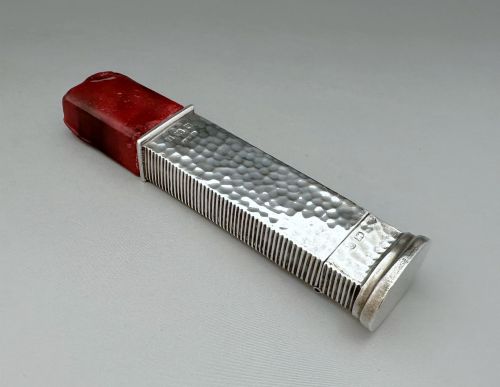
Makers utilised specific regional assay offices, leaving hallmarks that trace these functional objects back to silversmith workshops in Birmingham, Chester, and London. Beyond plain sterling silver, the forms often incorporate integrated strikers, sovereign holders, or compartments for sealing wax.
Materials and construction
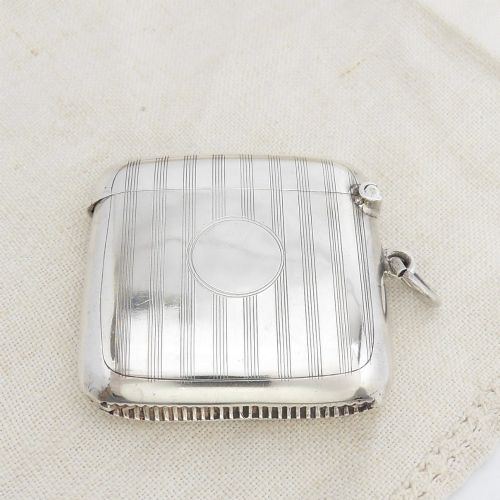
Silversmiths constructed these match containers primarily from sterling silver, shaping the bodies through stamping, casting, or repoussé embossing to create crisp surface relief. Many examples feature hinged lids fitted with serrated or grooved metal strip strikers at the base for igniting matches on the go.
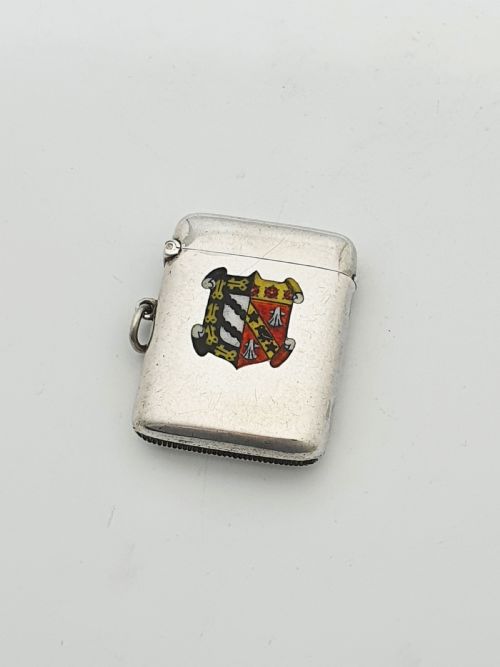
Finer pieces incorporate decorative overlays and mixed media, adding enamel crests, gold accents, gemstones, onyx, lapis lazuli, or applied metal figures. Interiors often remain plain or gilt-washed, while larger table variants utilise wooden linings such as cedar to house matches securely.
Edwardian Silver Match Box Retail Price Guide 2026
Typical asking prices for edwardian silver match box among the pieces listed under this phrase on Sellingantiques today, from the lower quarter to the upper quarter. They describe what is for sale here now, not the wider market.
Listings feature sterling silver, enamel, gold, sealing wax, gemstones, nickel, and brass across Edwardian, Victorian, and George V periods.
Distinctions in craftsmanship
The division between standard production and exceptional work rests on the crispness of the chasing, the security of the hinge, and the complexity of decorative embellishment. Plain engraved scrollwork represents standard workshop output, whereas sculptural novelty forms, detailed castle top scenes, and hand-painted enamel portraits demand superior artistic skill.
Material integration further elevates a piece, distinguishing simple metal boxes from those combining gold, gemstones, or specialised mixed metals like nickel-plated brass. Maker attribution also plays a role, with documented pieces from notable workshops commanding greater appreciation than unmarked specimens.
J.B. Bennet·Sampson Mordan·George Betjemann·Goldsmiths & Silversmiths·Crisford & Norris·William Comyns
The Edwardian Silver Match Box Glossary
- Vesta case
- A small pocket container designed to hold matches and feature a striking surface. These boxes typically include a spring-loaded hinged lid to keep matches dry.
- Matchbox cover
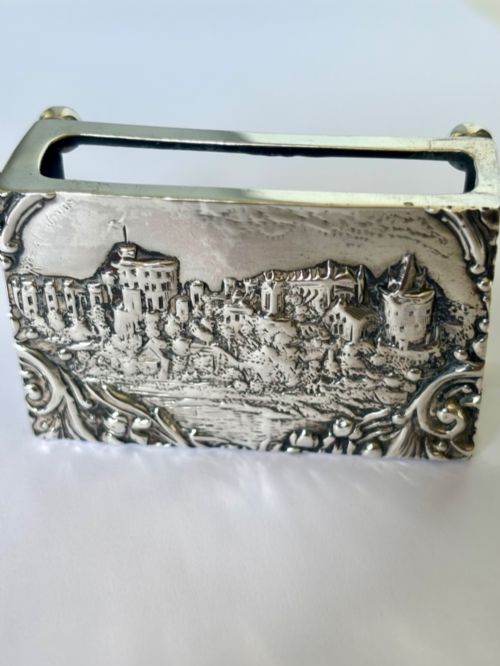
- An outer sleeve or protective holder constructed to fit over a standard household matchbox. They often feature embossed scenic panels or decorative motifs on the exterior.
- Hallmark
- An official stamp applied by an assay office indicating the purity of the metal, the maker, and the year of production. These marks allow collectors to date pieces precisely.
- Repoussé
- A metalworking technique where the artisan hammers the design from the reverse side to form raised relief patterns on the surface. This method creates tactile floral or scenic motifs.
- Table vesta
- A larger match container intended for stationary use on a desk, smoking table, or mantlepiece rather than for pocket transport. These often feature heavier bases or wooden linings.
Edwardian Silver Match Box: Frequently Asked Questions
What is the difference between a vesta and a matchbox?
A vesta is a small pocket container built to hold loose matches directly inside its hinged body, complete with an integrated striking surface.
By contrast, a matchbox holder acts as a sleeve or cover that encases a standard commercial box of matches.
How do I read the hallmarks on these silver boxes?
British hallmarks typically consist of a series of stamped symbols showing the standard of silver purity, the specific assay office city, and a date letter corresponding to the year of manufacture.
Consulting standard date-letter charts for Birmingham or Chester allows you to pinpoint the exact year your piece was hallmarked.
Were these boxes used only for matches?
While primarily designed for matches, many Edwardian pocket pieces served dual purposes as combination accessories for daily life.
Examples frequently integrate compartments for gold sovereigns, postage stamps, cigarettes, or sealing wax sticks.
What are novelty vesta cases?
Novelty vestas are match containers shaped into pictorial, sculptural, or humorous forms rather than standard geometric rectangles.
Collectors encounter pieces modelled as animals, architectural landmarks, portrait faces, or everyday objects.