



Edwardian Silver Hollowware
Edwardian silver hollowware brings domestic service and display into focus, offering shaped vessels from tea sets to biscuit barrels that suit modern tables.
Edwardian Silver Hollowware
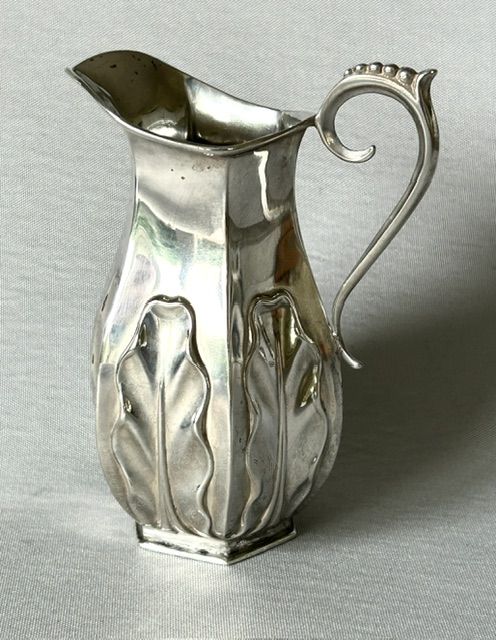
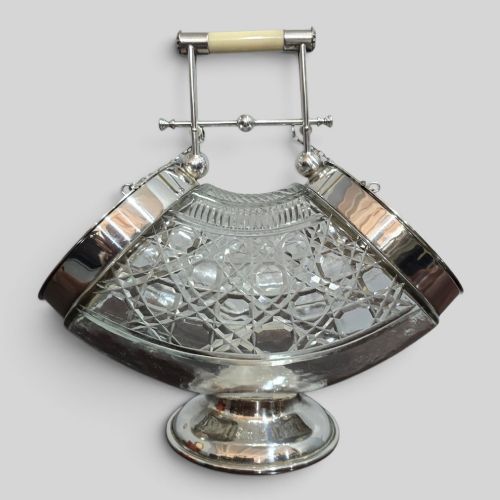
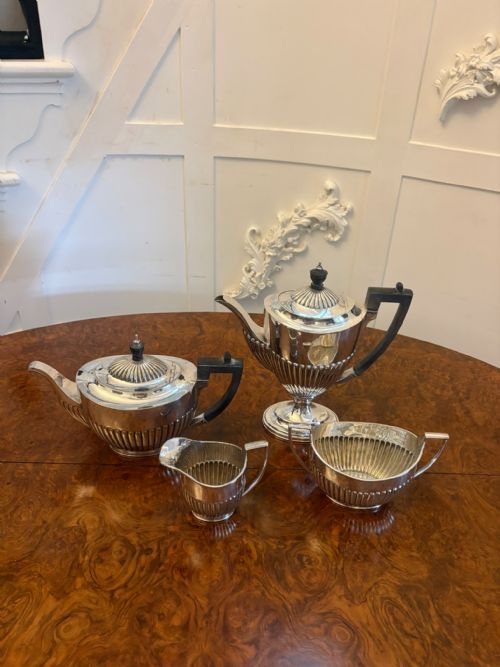
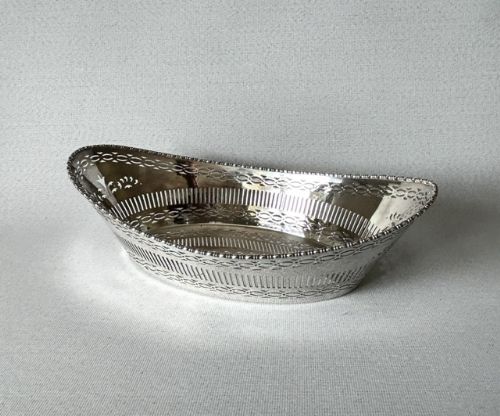
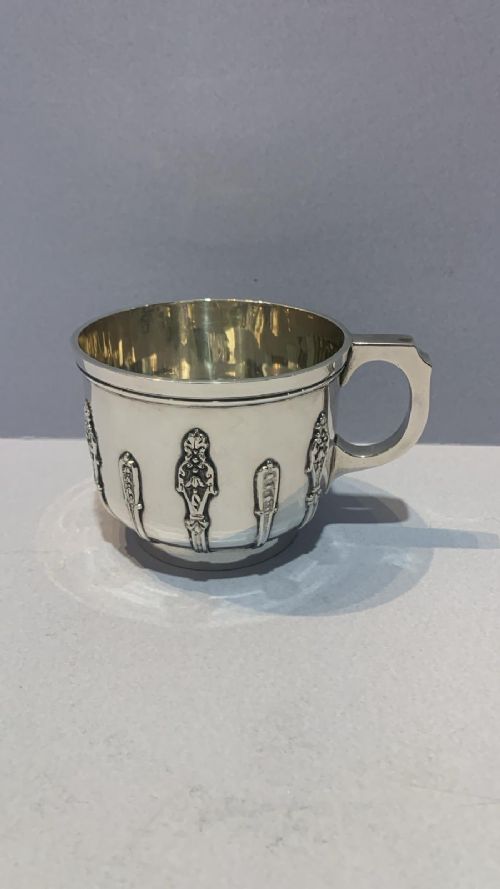
When you search for edwardian silver hollowware, you encounter vessels designed for serving, dining, and display rather than flatware or cutlery. The selection spans tea sets, cream jugs, christening mugs, baskets, bowls, and lidded dishes produced around the turn of the twentieth century.
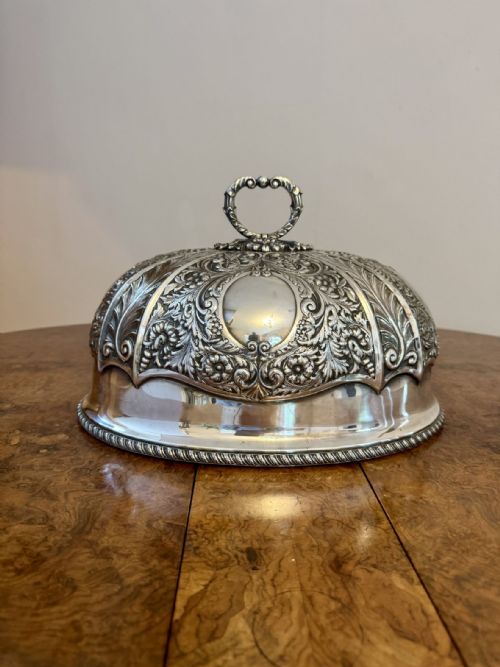
The objects stem predominantly from the Edwardian period and adjacent decades, incorporating sterling silver, solid silver, and silver plate alongside cut glass bodies and ebony handles. You meet both utilitarian serveware like meat covers and asparagus dishes alongside decorative bonbon bowls and tea caddies.
Materials and construction
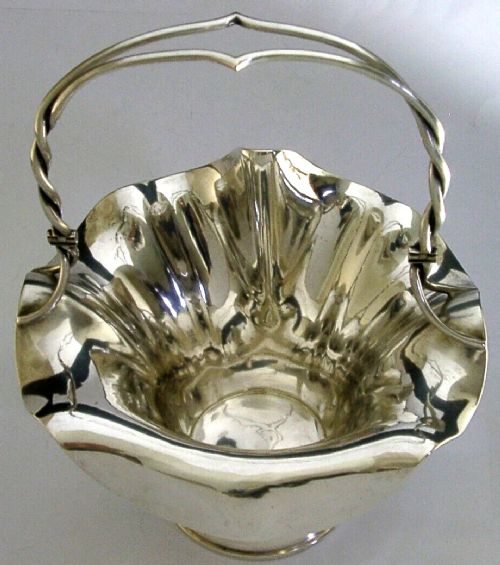
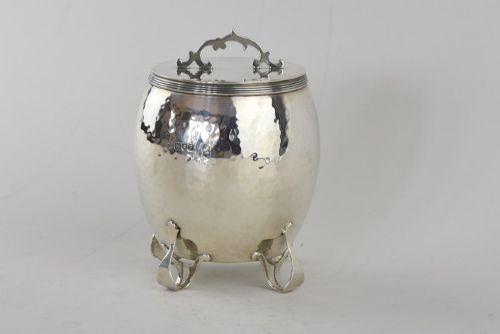
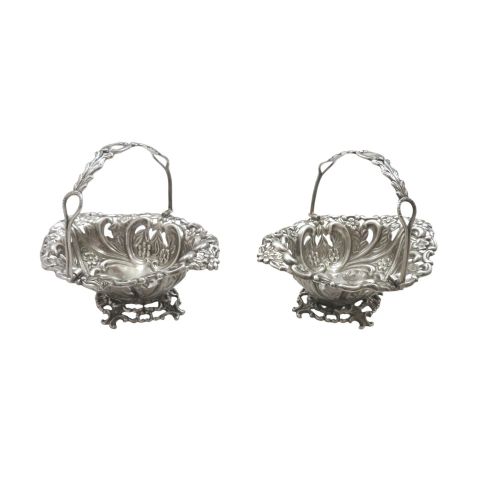
Makers utilised sterling silver and electroplated nickel silver as the primary metallic foundations, often combining them with cut glass inserts or wooden elements such as ebony handles. Techniques included hand-hammering surfaces as seen in Arts and Crafts pieces, alongside cast ornamentation and hand-engraved floral designs.
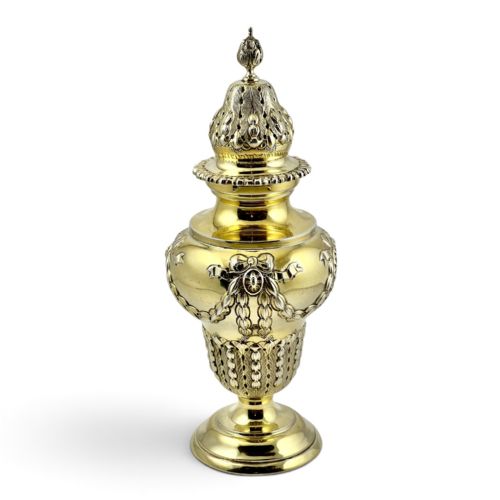
Workshops applied silver-gilt finishes to interior surfaces of items like casters to protect the metal from acidic contents. Heavy gauges of silver gave structural integrity to large baskets, bowls, and meat covers without losing delicate decorative contours.
Among the serveware hides a lidded lunch box from circa 1900, proving Edwardians took their midday meals with absolute seriousness.
Distinctions in grade and execution
The distinction between standard commercial output and superior craftsmanship rests on the thickness of the metal and the crispness of applied ornament such as swags, bows, or grapevine detailing. Substantial weight in the hand separates solid castings and heavy gauge vessels from lighter, more utilitarian plated items.
The clarity of hallmarks and the precision of hand-engraving indicate the level of care invested by the silversmith or firm. Attention to secondary details, including woven handle construction and fitted lids, defines the upper tier of surviving examples.
Charles Edwards·Mappin and Webb·Thomas Bradbury
The Edwardian Silver Hollowware Glossary
- Hollowware
- Vessels such as pots, jugs, baskets, and bowls designed for serving food and drink, distinct from flatware.
- Silver-Gilt
- Silver objects that have been coated with a thin layer of gold on the interior or exterior surfaces. This technique provided a rich golden finish and protected the silver from tarnishing when exposed to certain foods.
- Porringer
- A small, shallow bowl with one or two horizontal flat handles, often given as a christening gift. These vessels date back centuries but appear frequently in twentieth-century silver.
- Caster
- A small container with a perforated lid used for sprinkling sugar or spices over food. Edwardian examples often feature decorative pierced covers.
- EPNS
- Electroplated nickel silver, a common base metal method for producing affordable domestic tableware with a silver finish. It formed the backbone of Edwardian plated serveware.
Edwardian Silver Hollowware: Frequently Asked Questions
What is edwardian silver hollowware?
These items comprise three-dimensional vessels produced around the early twentieth century for dining, tea service, and domestic display. They include functional dining pieces like entree dishes alongside decorative bowls and tea caddies.
Materials range from solid sterling silver to silver plate and cut glass, reflecting the varied budgets and dining habits of the period.
How do I clean antique silver hollowware?
Gentle washing in warm soapy water with a soft cloth removes everyday dust and grease without damaging the metal surface. Avoid harsh abrasive dips that strip away delicate highlights on engraved patterns.
Store pieces in dry environments away from direct sunlight to minimise tarnishing on both solid silver and plated items.
How can I date these items?
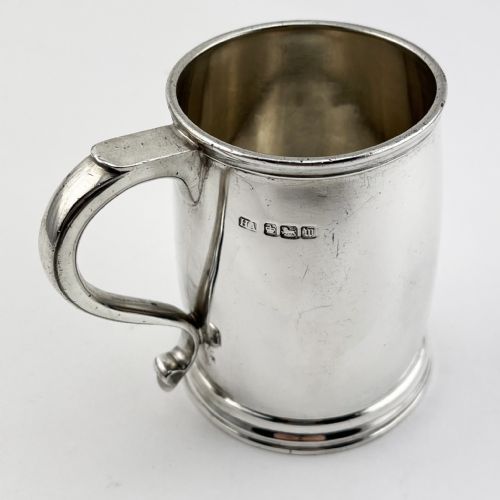
Hallmarks stamped onto sterling silver pieces provide precise assay office marks, date letters, and maker stamps that pinpoint the exact year of creation. Stylistic clues such as Art Nouveau whiplash lines or Arts and Crafts hammering also help narrow down the period.
Silver-plated items often rely on registration numbers, maker signatures, and stylistic context rather than official date letters.
Were these pieces meant for daily use?
Many items served practical functions in Edwardian households, from boiling water and serving tea to holding asparagus or keeping meat warm at the dining table. Their sturdy construction in heavy silver or plate was engineered for regular domestic service.
Today, they transition easily into modern homes for serving guests or as decorative table centerpieces.