




Edwardian Silver Flask
When you handle an edwardian silver flask, you hold a pocket-sized piece of portable craftsmanship designed to carry spirits or scent safely.

Edwardian Silver Flask
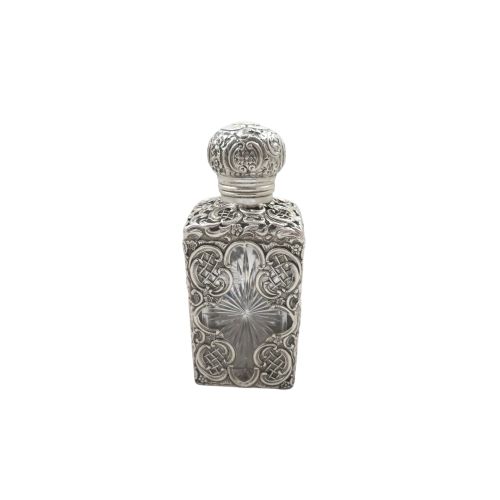
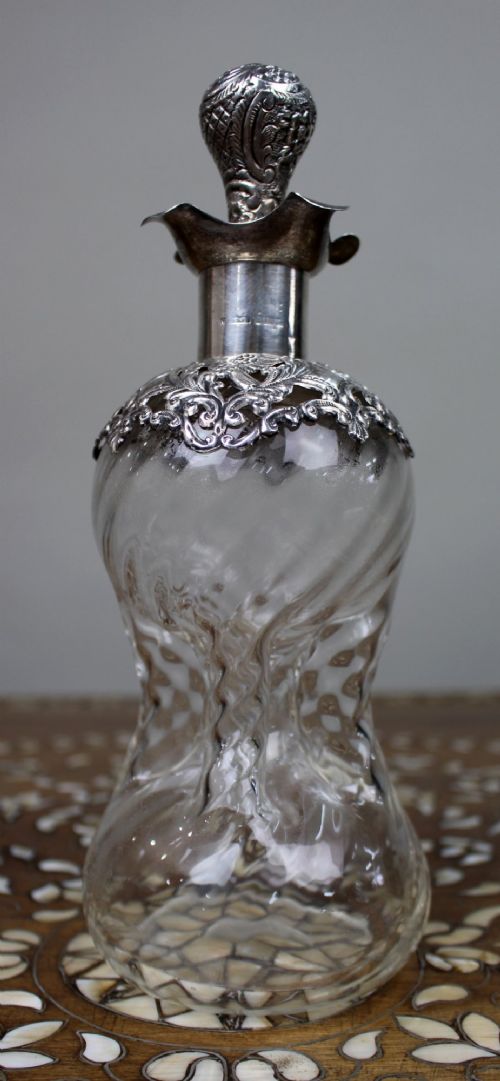
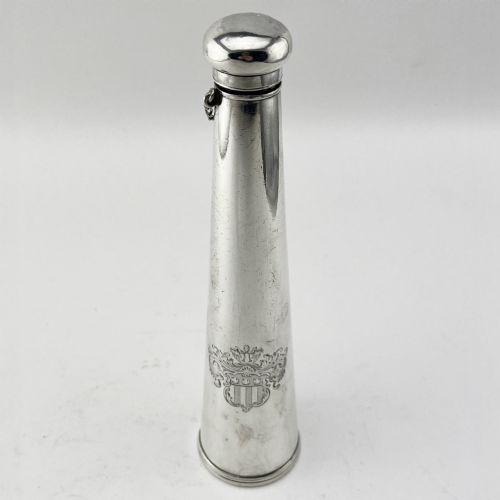
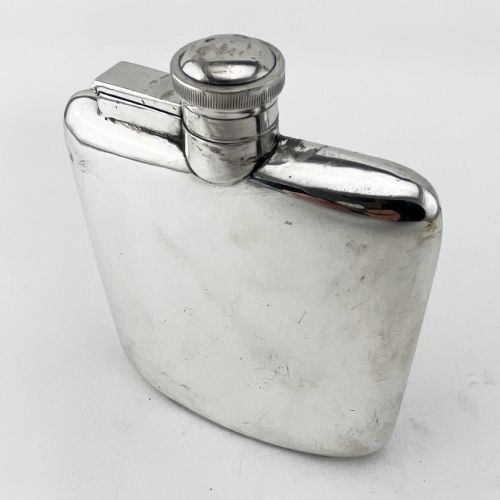
The edwardian silver flask category encompasses pocket-sized vessels for spirits and smaller receptacles for scent or perfume, produced primarily during the early twentieth century alongside adjacent Victorian and Art Deco examples. You will frequently encounter curved silver hip flasks intended to fit comfortably against a coat or jacket pocket, alongside glass bodies mounted with sterling silver or silver plate.
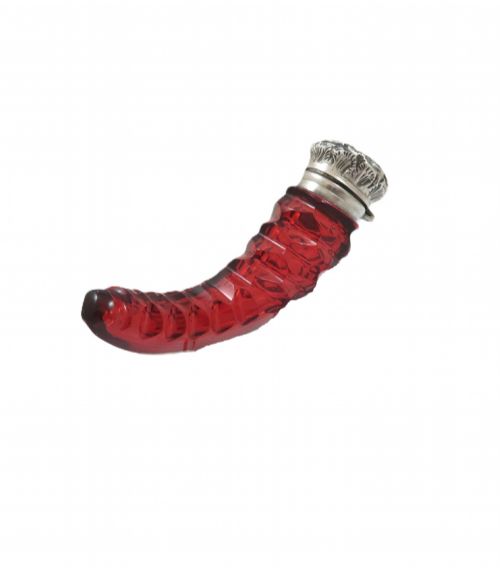
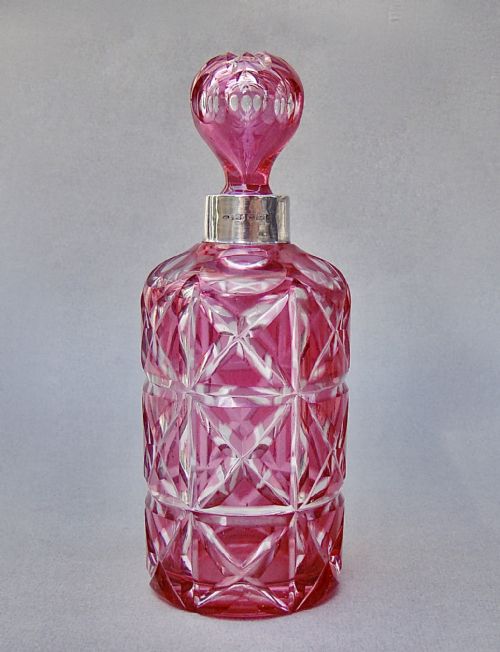
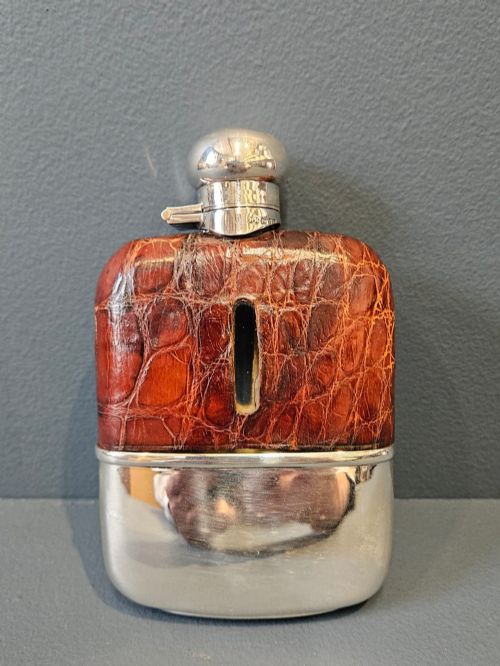
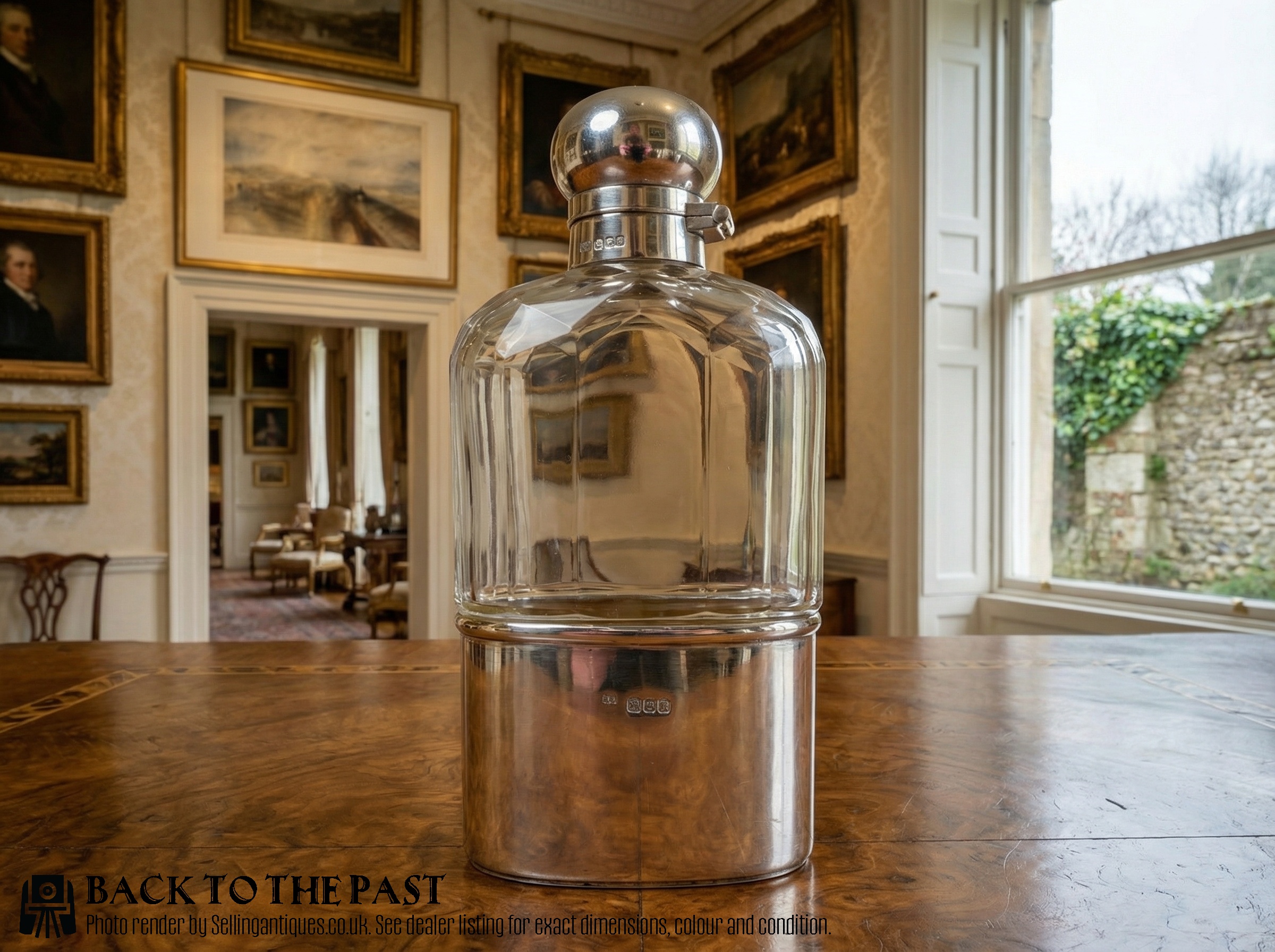
Many surviving pieces combine sterling silver with cut glass, cranberry glass, or ruby glass, while others wrap the metal or glass body in crocodile leather for a secure grip during hunting or travel. Makers also produced perfume and scent bottles featuring hinged caps, bayonet fittings, and detachable cups that doubled as drinking vessels.
While the core of the selection bears hallmarks from Edwardian London, Birmingham, and Chester, the inventory also spans late Victorian eras and stretches into the 1920s and 1930s with George V and Art Deco designs. These vessels served practical uses for gentlemen and ladies on hunts, opera visits, and railway journeys, resulting in durable survivors built for daily carriage.
Materials and construction
Silversmiths constructed the metal bodies of an edwardian silver flask using sterling silver or silver plate, often hammering, shaping, or applying engine-turned patterns to the exterior surfaces. Glass components were heavily cut, moulded, or tinted in cranberry and ruby shades before receiving silver mounts, collars, and hinged lids.
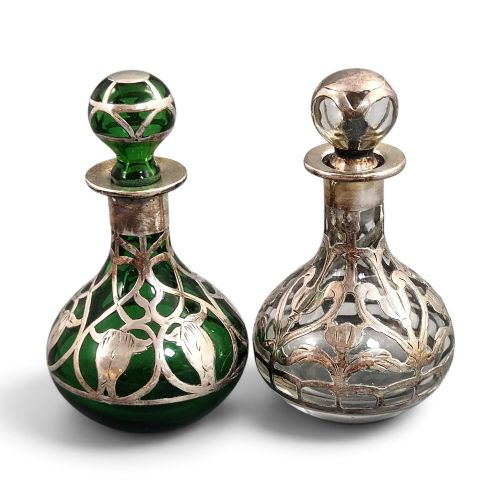
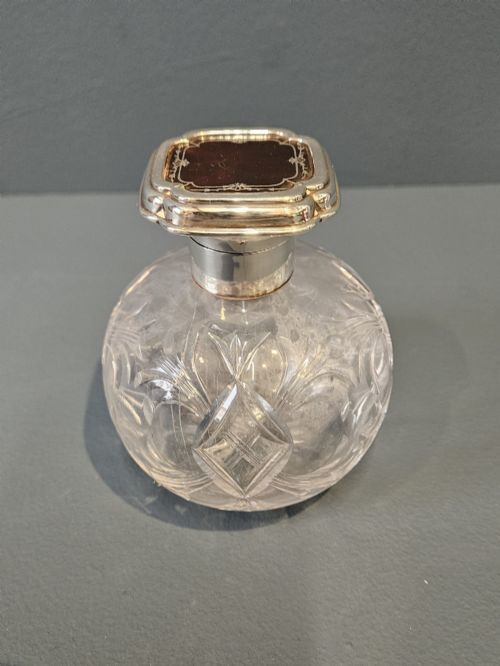
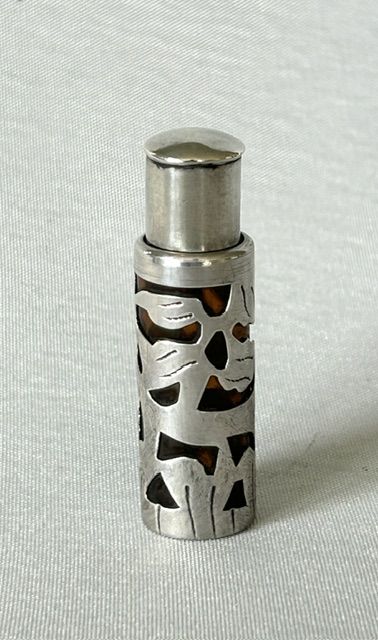
Leather workers wrapped select spirit flasks in genuine crocodile leather, stitching the hides closely around curved metal or glass foundations. Artisans also applied delicate decorative elements such as Art Nouveau sterling silver overlays, tortoise shell insets, and guilloche enamel directly onto the bottle caps and bodies.
Edwardian Silver Flask Retail Price Guide 2026
Typical asking prices for edwardian silver flask among the pieces listed under this phrase on Sellingantiques today, from the lower quarter to the upper quarter. They describe what is for sale here now, not the wider market.
Some hunting flasks include a detachable cup at the base so you could share a dram in the field without spilling a drop.
Factors separating examples
Quality in an edwardian silver flask rests on the weight of the metal, the crispness of the hallmarks, and the integrity of the hinge and closure mechanisms. Thicker gauge silver resists dents from pocket carriage, while securely fitted bayonet caps or threaded lids prevent spirit and scent leakage.
Gorham·Harold Bushell and Co·Hukin and Heath·J Dixon·Asprey London·Saunders and Shepherd·Drew and Sons·J C Vickery·Alfred Clark·G Nathan and R Hayes·Mappin and Webb·Deakin Francis Ltd·G H James and Co·Barnsley and Co·Elkington
The Edwardian Silver Flask Glossary
- Hallmark
- Official stamp applied to precious metals indicating the assay office, purity, and date letter. These marks allow you to verify the exact year and city of manufacture.
- Bayonet fitting
- A secure closure mechanism requiring a push and twist to lock the lid in place. This design prevents accidental opening while carried in a pocket.
- Guilloche enamel
- Decorative technique where an intricate geometric pattern is engraved beneath translucent enamel. It frequently appears on high-end Edwardian and Art Deco perfume bottle caps.
- Silver gilt
- Sterling silver that has been coated with a thin layer of gold on the interior or exterior. This treatment protects the silver from tarnishing when exposed to harsh spirits.
- Tot
- A small drinking vessel or cup, often accompanied by a silver label. These are commonly found paired with decanters or carried in fitted travelling cases.
Edwardian Silver Flask: Frequently Asked Questions
What is the difference between a hip flask and a scent bottle?
Hip flasks are larger, curved vessels designed to carry spirits like whiskey in a pocket, typically featuring a captive or hinged cap and sometimes an integrated cup.
Scent bottles are smaller glass or metal containers built to hold perfume, often decorated with enamel, overlays, or tortoise shell and fitted with tight stoppers.
How do I know if a flask is sterling silver?
You can check for official hallmarks stamped into the metal, which typically include a lion passant for sterling purity along with city marks and date letters.
Pieces lacking these stamps or explicitly marked as silver plate utilise a base metal core covered in a thin layer of silver.
Were these flasks used by men or women?
Both genders carried these vessels, though their forms often reflected their intended use. Gentlemen typically tucked curved leather-wrapped or plain silver spirit flasks into coat pockets for hunting and travel.
Ladies frequently carried smaller glass perfume bottles, opera flasks, or slender spirit containers tucked into reticules or fitted travel cases.
How should I clean my silver flask?
You can maintain the exterior metal with a soft microfibre cloth and gentle silver polish, taking care to avoid scrubbing antique hallmarks or delicate enamel panels.
Keep polishes and liquids away from leather wraps and interior glass linings to preserve the original materials safely.