





Edwardian Silver Cigarette Box
An edwardian silver cigarette box is a sturdy metal container built to hold smoking supplies, offering polished elegance for a desk.
Edwardian Silver Cigarette Box
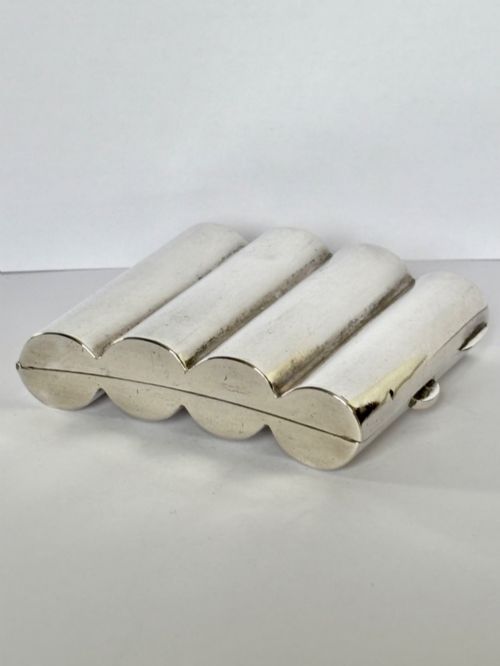
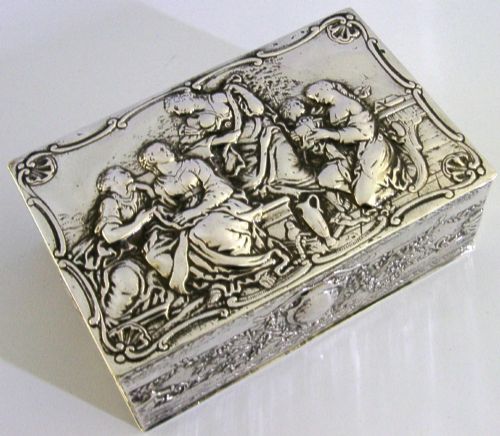
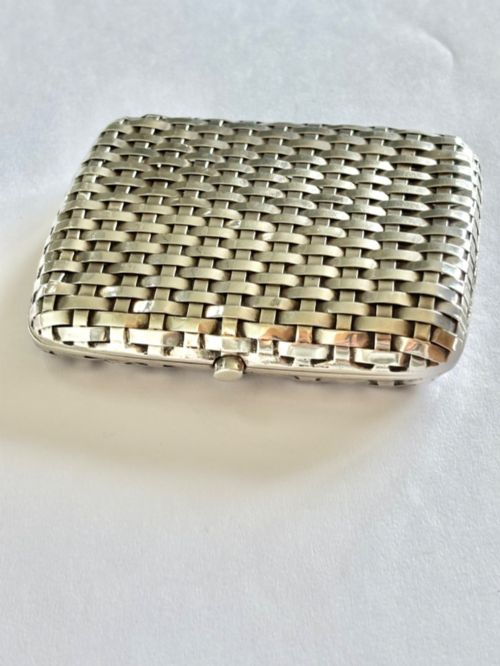
An edwardian silver cigarette box is a solid metal or wooden container designed to hold cigarettes or cigars for everyday smoking. These pieces range from small pocket cases to large table boxes meant for a study or drawing room.
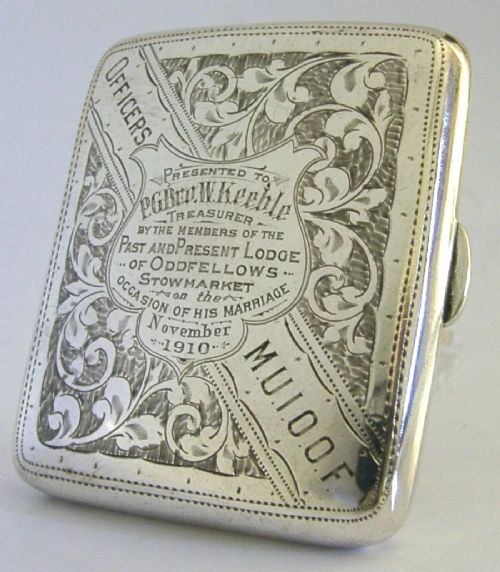
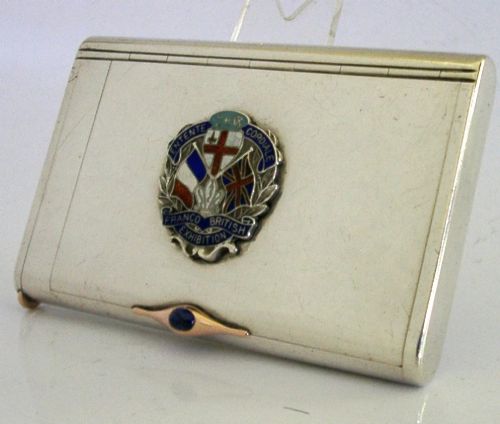
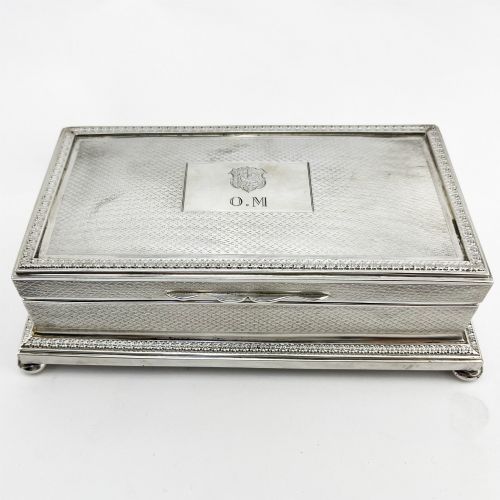
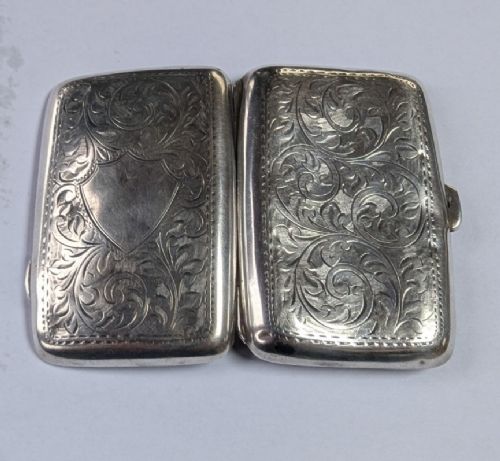
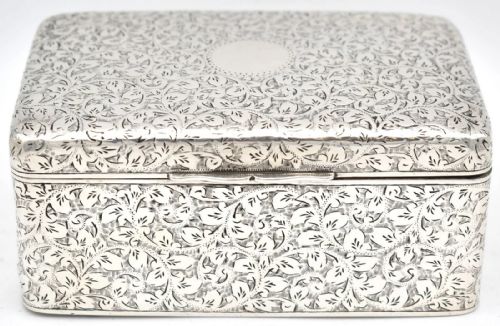
Most examples found in this selection date from the Edwardian period or the early twentieth century. They often feature hinged lids, engraved floral scrolls, or plain polished surfaces intended to sit flat on a table.
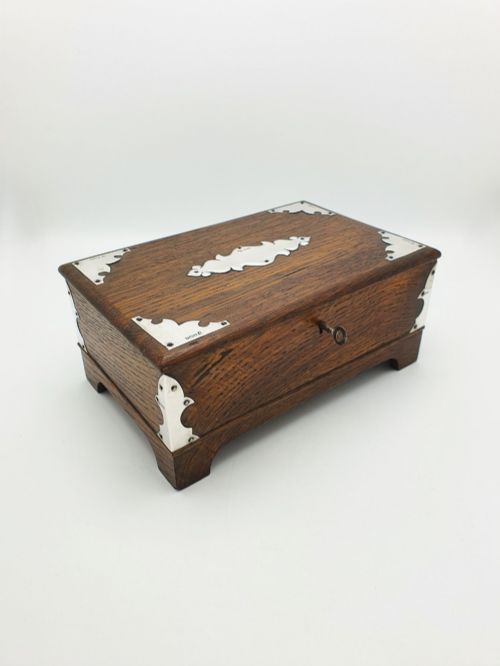
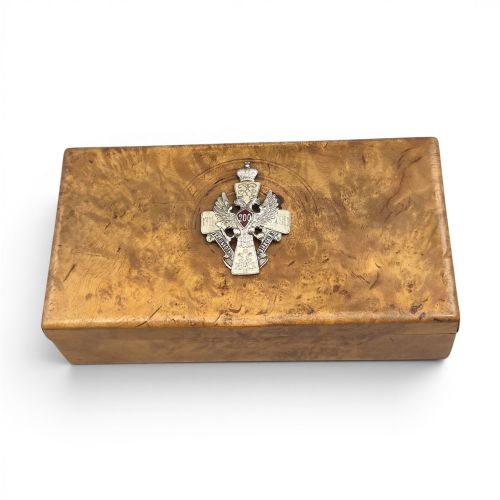
Alongside standard silver boxes, the selection includes related smoking items such as vesta cases, match strikers, and card cases. Some hybrid pieces combine sterling silver mounts with oak or Karelian birch bodies.
What varies in quality
The weight of the metal and the thickness of the silver plate dictate the structural rigidity of each box. Heavier pieces retain their shape better and offer deeper engraving that resists wear.
The integration of secondary materials such as oak bodies, glass liners, or enamel panels separates standard production items from exhibition pieces. Finer versions exhibit crisp detailing on chased mounts and secure hinges that close flush.
Listings include sterling silver, oak, Karelian birch, and vitreous enamel across pieces from the Victorian, Edwardian, and 1920s periods.
A & J Zimmerman Ltd·Mappin & Webb·Liberty & Co·Sampson Mordan·Goldsmiths & Silversmiths
The Edwardian Silver Cigarette Box Glossary
- Sterling silver
- An alloy containing a high proportion of pure silver mixed with small amounts of other metals to increase durability. This standard material appears across most British table boxes and cases.
- Vesta case
- A small pocket container designed to hold matches and keep them dry. These items frequently share design motifs with cigarette cases of the same period.
- Vitreous enamel
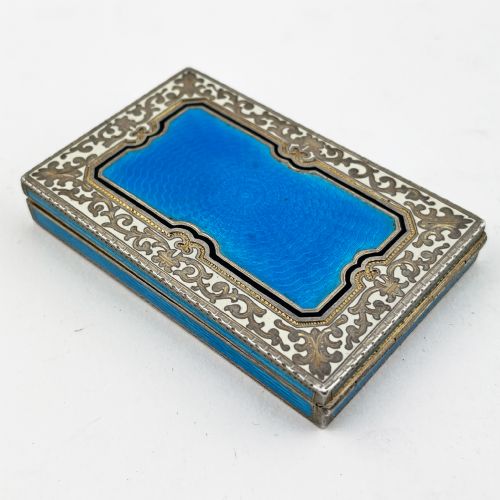
- Glass fused to a metal surface through high-temperature firing to produce a smooth, coloured decoration. It appears on special edition boxes and regimental pieces.
- Chased
- Metal decorated by hammering the front surface with punches to create raised patterns without removing material. This technique produces floral scrolls and textured borders on box lids.
- Humidor
- A moisture-controlled box used for storing cigars. Edwardian examples often pair oak or birch bodies with sterling silver mounts and cedar wood interiors.
Edwardian Silver Cigarette Box: Frequently Asked Questions
What is an edwardian silver cigarette box used for?
These boxes were originally placed on dining tables, desks, or smoking rooms to hold cigarettes for guests. Today they function as desk accessories or small storage containers for trinkets and jewellery.
The cedar or wooden linings found in many table boxes help regulate humidity, a feature originally intended to keep tobacco fresh.
How do I clean an edwardian silver cigarette box?
Clean sterling silver surfaces with a soft cloth and a dedicated silver polish to remove tarnish without scratching the metal. Avoid abrasive pads that can wear down engraved floral scrolls or hallmarks.
Take care around enamel panels or wooden interiors, keeping moisture away from glued joints and unsealed wood.
Are these boxes suitable for modern cigarettes?
Most antique cigarette boxes were built for shorter, filterless cigarettes of the early twentieth century. Modern king-size cigarettes often exceed the internal length of smaller pocket cases.
Larger table boxes and cigar boxes generally offer enough internal clearance to hold standard modern cigarettes stacked across the cedar base.
How can I date an edwardian silver cigarette box?
Hallmarks stamped onto the silver provide the most reliable guide to a piece's origin and year of manufacture. These small stamps typically show the maker's mark, the city of assay, and a date letter.
Stylistic cues such as Arts and Crafts influences or Neo-Rococo chased scrolls also point toward specific decades around the turn of the twentieth century.