
Edwardian Silver Centerpiece
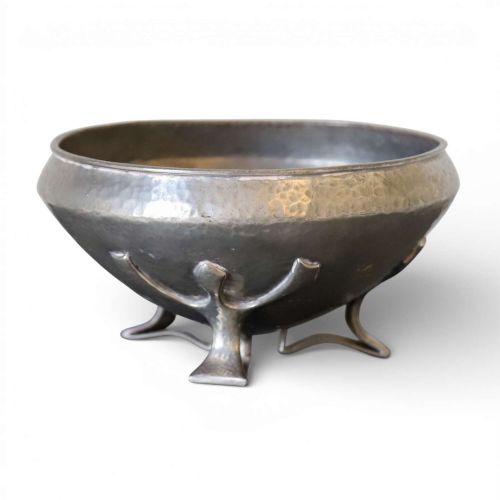
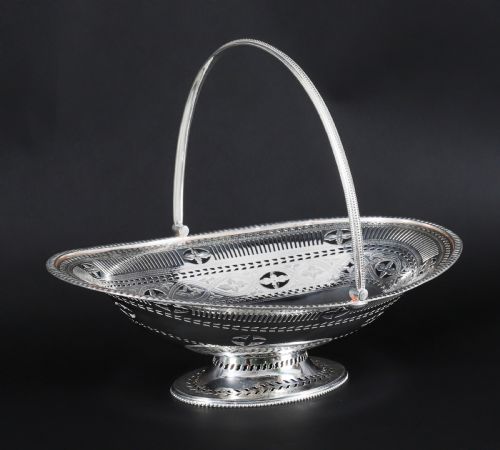
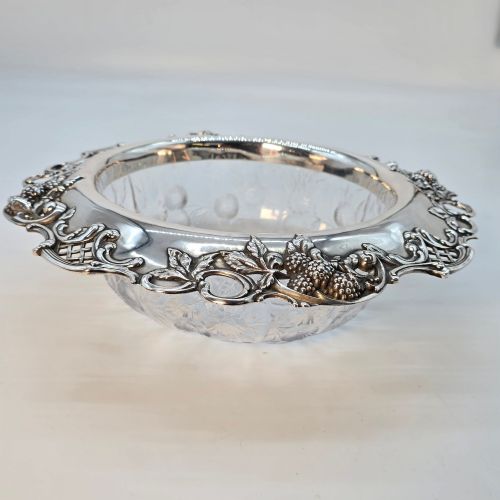
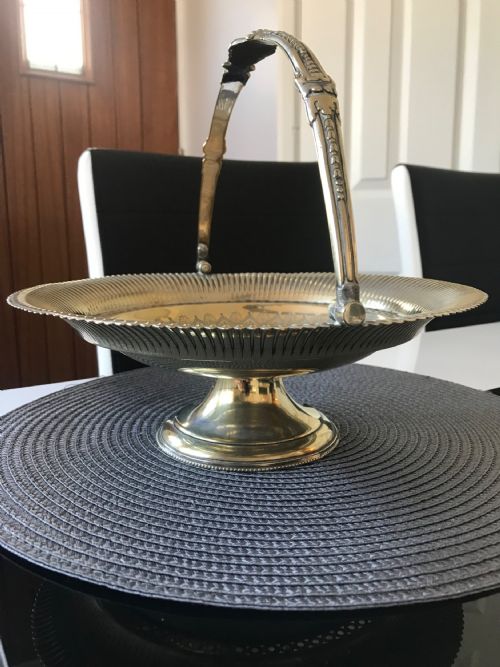
An edwardian silver centerpiece holds the middle of a formal table, bringing together pierced metalwork and coloured glass liners.
Edwardian Silver Centerpiece
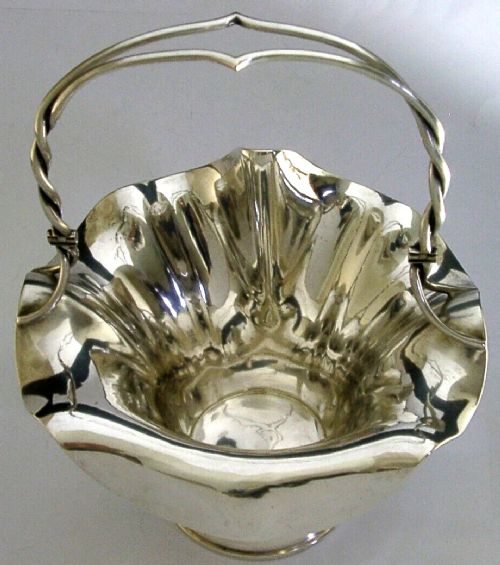
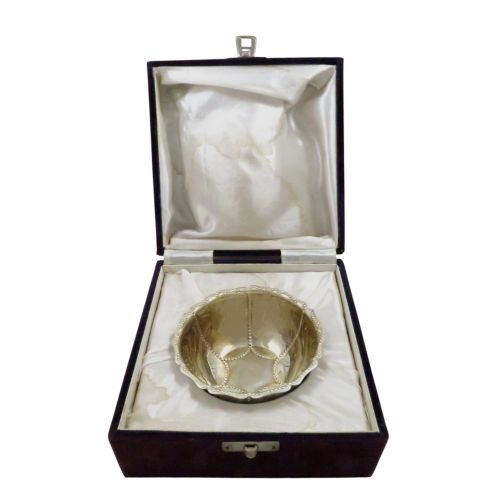
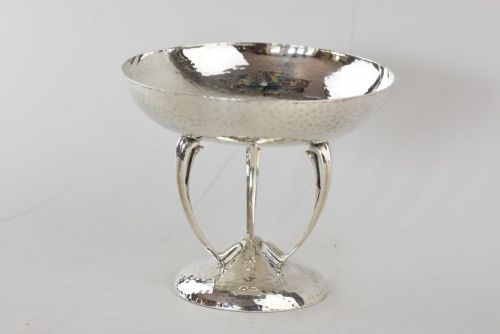
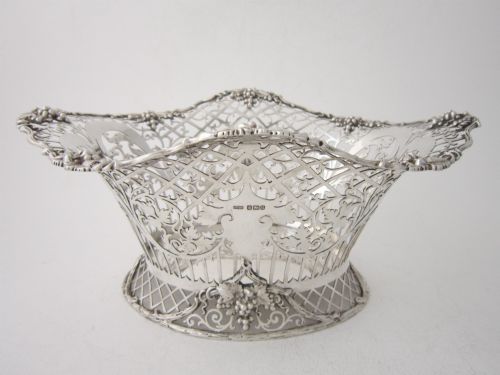
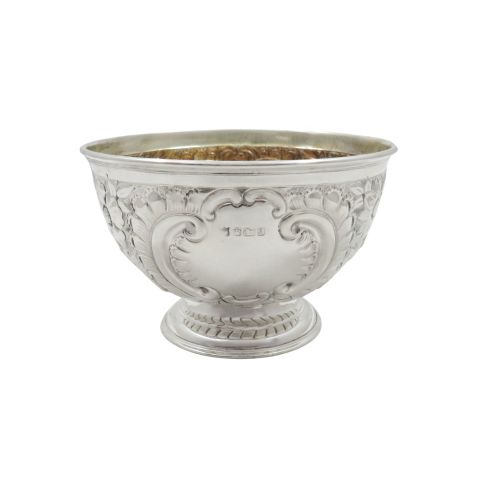
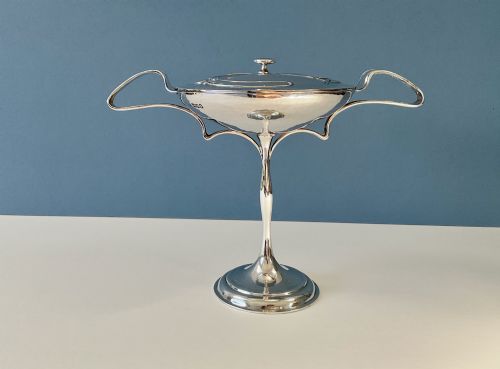
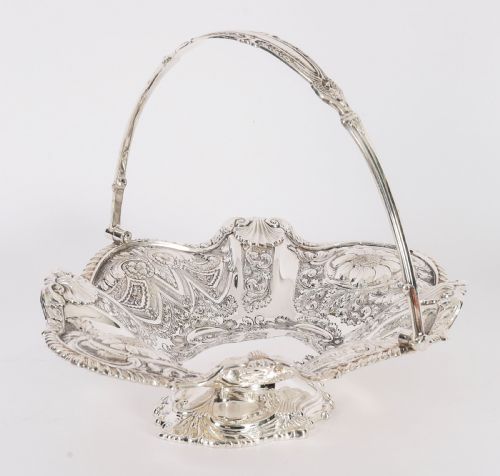
When searching for an edwardian silver centerpiece, collectors encounter a range of formal table wares designed to anchor a dining setting. The forms span open fruit baskets, handled bowls, pedestal dishes, and multi-light candelabra produced around the turn of the twentieth century. Sterling silver and silver plate form the primary structural frameworks for these dining table accessories.
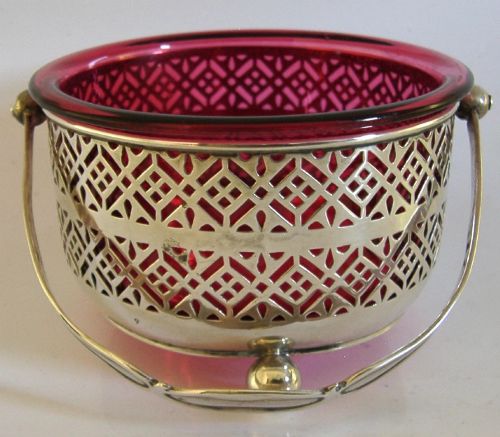
Many examples incorporate fitted glass inserts, including cranberry, ruby, amber, and vaseline glass liners, alongside cut crystal bowls. These pieces often arrive from the Edwardian period and the surrounding decades, showing stylistic influences from Art Nouveau, Arts and Crafts, and Neo-Classical revivals. Makers frequently pierced or hammered the metal to create floral repoussé rims or geometric mounts.
How they were made
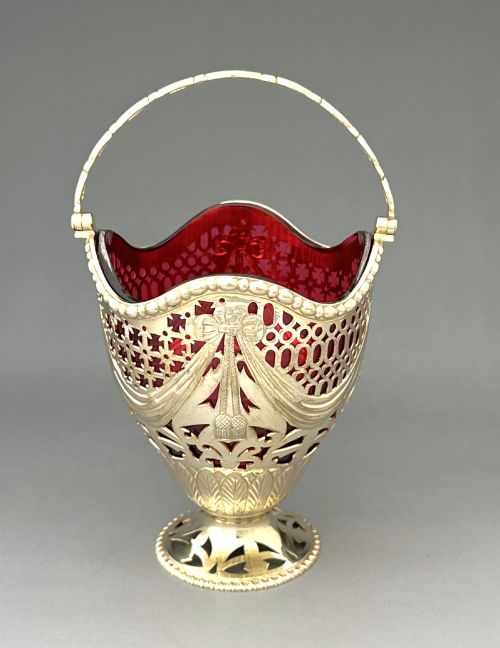
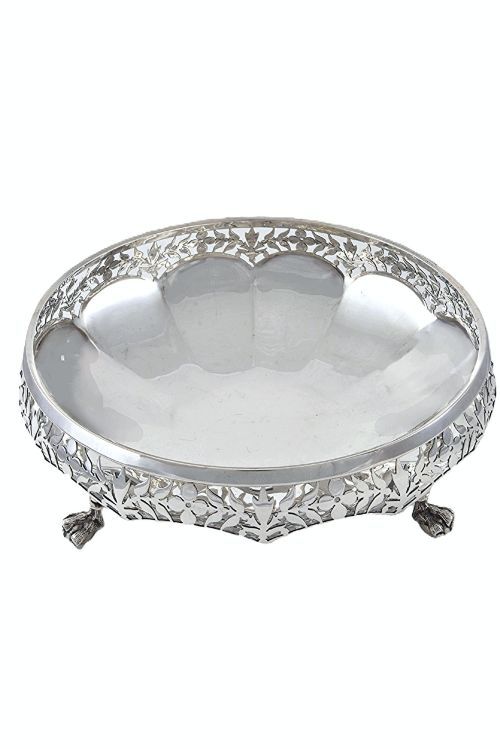
Silversmiths utilised sterling silver or electroplated nickel silver as the base structure, shaping the metal through spinning, casting, and hand hammering. Artisans pierced the metal walls to form intricate openwork patterns, often accentuating the rims with repoussé floral motifs or classical revival swags.
Makers combined the metal frames with blown or moulded glass liners, securing crystal inserts and coloured glass bowls within the pierced galleries. Silver gilt finishes and applied mounts added decorative contrast to the structured baskets and tazzas.
Materials span solid silver, electroplated nickel silver, and cut glass, with several pieces incorporating cranberry and vaseline glass liners.
What varies in quality
Quality rests in the weight of the metal and the crispness of the hand-worked detail on repoussé rims and pierced galleries. Heavier gauge silver and substantial electroplate retain their structural integrity and surface definition far better over decades of use.
The integration between the metal frame and the glass liner marks another distinction, where bespoke cut crystal or coloured glass components fit the metal mount without excessive movement. Maker attribution and documented workshop origins further separate standard production items from distinguished studio outputs.
Goldsmiths and Silversmiths Company·Liberty and Co·Nathan and Hayes·Mappin and Webb·Charles Boyton·Walker and Hall·Thomas Bradbury·George W. Scott and Sons·Tiffany and Co
The Edwardian Silver Centerpiece Glossary
- Sterling silver
- A silver alloy containing 92.5 percent pure silver by mass and 7.5 percent other metals, usually copper. This standard composition provides durability while maintaining a bright metallic lustre.
- Silver plate
- A base metal, such as nickel silver, coated with a thin layer of pure silver through electroplating or mechanical bonding. The technique allowed manufacturers to produce large decorative items at a lower cost.
- Repoussé
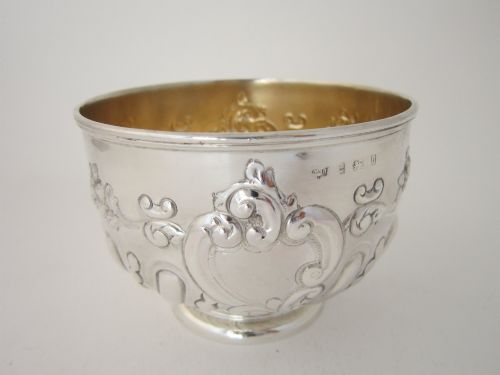
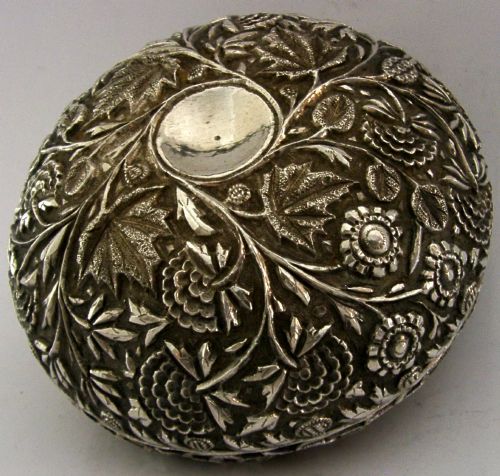
- A metalworking technique where the artisan hammers the metal from the reverse side to form a raised design in relief on the front. It frequently appears on Edwardian bowls and baskets with floral motifs.
- Tazza
- A shallow ornamental bowl or cup mounted on a stem and foot, used historically for serving fruit or confections. On this page, tazzas often feature Arts and Crafts or Art Deco styling.
- Epergne
- A large table centrepiece featuring a central bowl with multiple branching arms supporting smaller hanging baskets or dishes. They serve as elaborate focal points for formal dining arrangements.
- EPNS
- An abbreviation for electroplated nickel silver, a common base material for table wares produced during the nineteenth and twentieth centuries.
Edwardian Silver Centerpiece: Frequently Asked Questions
What is an edwardian silver centerpiece used for?
These large table vessels served as decorative centrepieces for formal dining tables, holding fruit, flowers, or confectionery during meals.
Today, they function as display objects or decorative bowls within domestic interiors.
How do I clean a silver plated centerpiece?
Clean silver plate gently with a soft microfibre cloth and a specialist silver polish formulated to protect the thin metal coating.
Avoid abrasive cleaners and harsh scrubbing brushes that can wear through the plated surface to the base metal underneath.
Are glass liners original to the bowls?
Original glass liners fit the contours of the metal basket or frame precisely, matching the period production methods.
Coloured glass variants, such as cranberry or vaseline glass, were standard pairings for Edwardian table wares.
How do I identify a maker's mark?
Maker marks and hallmarks appear stamped into the metal surface, usually near the rim or on the base of the piece.
These tiny stamps record the silversmith's initials, the assay office, and the date letter corresponding to the year of manufacture.