


Edwardian Seascape Painting
An edwardian seascape painting captures coastal life, harbour views and open water through the distinct lens of early twentieth-century British marine art.
Edwardian Seascape Painting
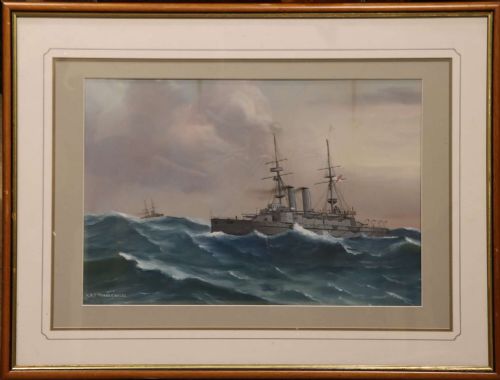
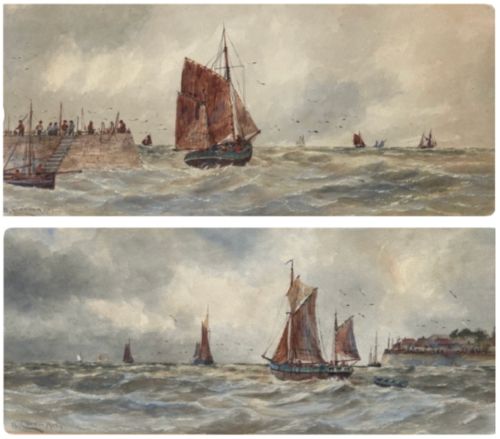
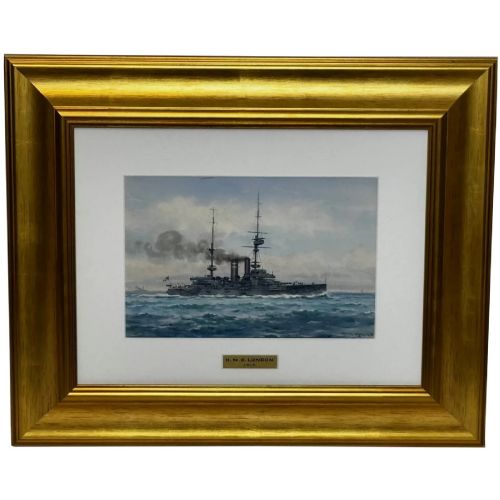
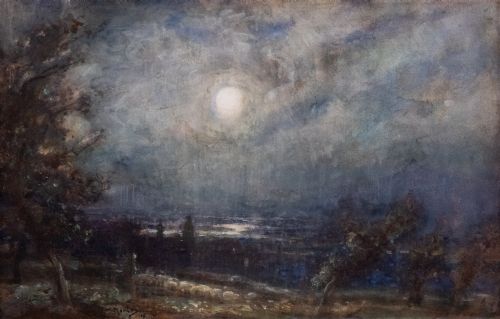
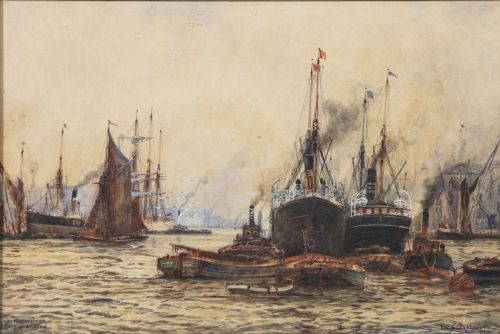
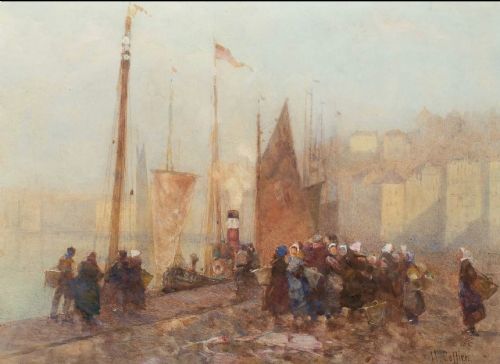
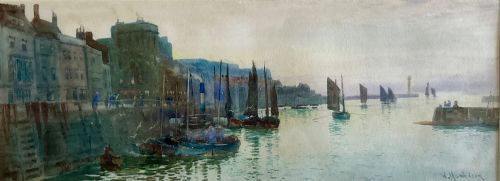
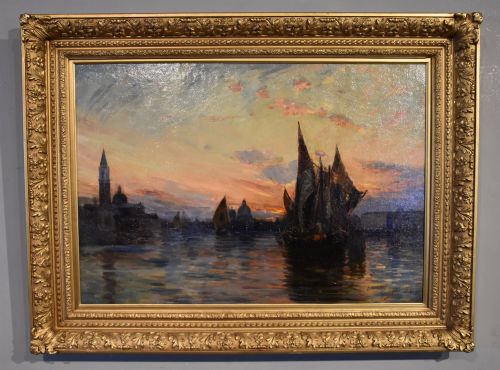
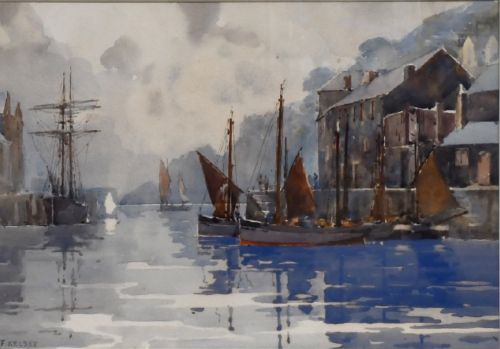
When you search for an edwardian seascape painting, you encounter framed artwork depicting coastal ports, fishing boats, and stormy seas produced during the early years of the twentieth century. These works document maritime scenes from locations such as Whitby, St Ives, Cornwall, and the Thames, often recording the daily labour of fishermen and trading vessels.
The selections on this page span the Edwardian period alongside pieces from the late Victorian era and the 1920s and 1930s. Artists working in this timeframe recorded maritime subjects through both watercolours on paper and oil paint on canvas or board.
The forms vary from intimate watercolour sketches to large framed marine oil paintings. Many pieces bear signatures from known painters of the period, while others remain attributed to specific coastal studios or followers of prominent marine artists.
Materials and techniques of the period
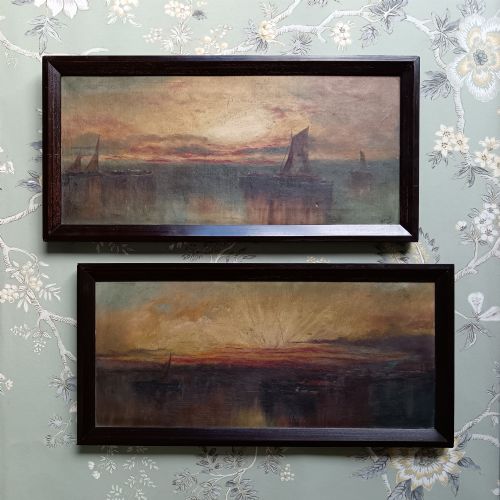
Painters of this era utilised oil paint on canvas or wood panels to build rich textures for stormy seas and dramatic sunrises. Alternatively, watercolour pigment applied to paper allowed artists to capture transparent washes for coastal atmospheres and harbour light.
Support materials frequently included heavy paper, stretched canvas, and wooden boards. Works were typically finished within wood frames that preserved the paper or canvas from environmental damage.
Listings feature works executed in oil on canvas, watercolour on paper, and gouache on board.
Distinctions in execution and depth
Quality rests upon the artist's ability to render maritime movement, atmospheric light, and the convincing architecture of vessels. Stronger examples demonstrate confident brushwork or precise watercolour control that brings motion to choppy seas and harbour scenes.
Condition also separates examples, as paper works preserved behind glass differ from oil paintings on canvas that retain their original pigment stability and structural framing.
William Cannon·Frank Watson Wood·Thomas William Morley·Frank William Scarbrough·Hector Caffieri·William Matthison·Thomas Hodgson Liddell·Frank Kelsey·Charles Napier Hemy·Richard Harry Carter·Pieter Cornelis Dommersen·Daniel Sherrin·Stanley Leader·Edward Henry Eugene Fletcher·Fred Waugh·Ah Hee Studio·James Webb·Ernest F. Hill·Frederick Stuart Richardson·Percy Brooke·William Kay Blacklock·John McDougal·Julian Drummond·H. Hadfield Cubley·Fred Mayor
The Edwardian Seascape Painting Glossary
- Gouache
- An opaque watercolour paint that provides heavier coverage and brighter highlights on paper or board. It allows artists to build solid areas of colour against lighter washes.
- Lugger
- A traditional small fishing vessel carrying lug sails, frequently depicted in coastal scenes from Cornwall and Devon. These boats formed the backbone of regional fishing fleets.
- Impressionism
- A style focused on capturing transient effects of light and atmosphere through visible brushstrokes. In marine art, this approach emphasises the shimmer of sunlight upon water.
- Maritime
- Pertaining to the sea, shipping, and navigation. This category encompasses coastal landscapes, harbour views, and open ocean ship portraits.
Edwardian Seascape Painting: Frequently Asked Questions
How do I identify an Edwardian seascape painting?
Examine the signature, subject matter, and materials used in the artwork. Many pieces carry dates or stylistic markers pointing to the early 1900s.
Subjects often feature traditional sailing vessels, steamships, and bustling fishing ports rendered through Edwardian or British Impressionist styles.
What is the difference between watercolour and oil marine paintings?
Watercolour paintings use pigment suspended in water applied to paper, creating lighter and more translucent atmospheric effects. They require framing behind glass for protection.
Oil paintings utilise oil-based paints on canvas or board, offering heavier textures, richer colour blending, and greater durability without glass.
Where were most Edwardian coastal scenes painted?
Artists of this period frequently worked around British fishing ports and harbours, particularly in Cornwall, Devon, and Yorkshire locations like Whitby and St Ives. Other works record international waterways, including Venice and the Pearl River in Hong Kong.
These locations provided active maritime traffic and changing light conditions that appealed to marine painters.
How should I display framed maritime art at home?
Hang paintings away from direct sunlight and excessive moisture to protect paper, canvas, and wooden frames. Proper wall placement preserves the stability of both watercolours and oil on canvas works.
Ensure the artwork is secured with appropriate fixings suited to the weight of the frame and support.