


Antique Ocean Seascape Canvas
An antique ocean seascape canvas captures the shifting moods of coastal waters and maritime trade through the enduring medium of oil paint.
Antique Ocean Seascape Canvas
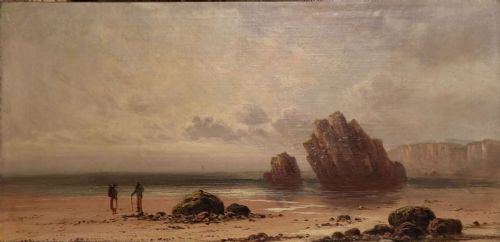
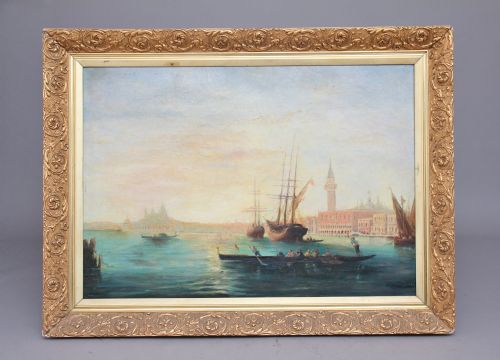
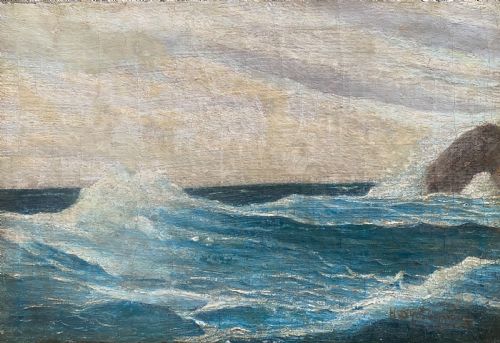
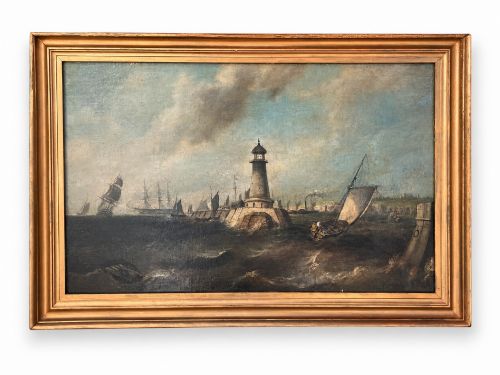
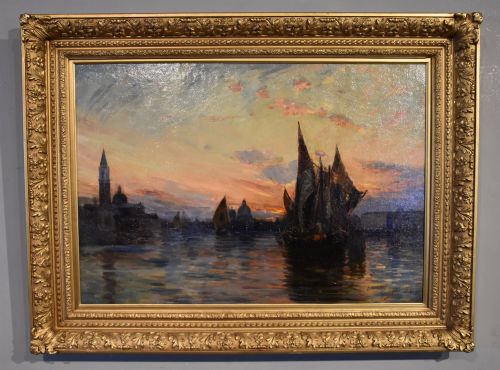
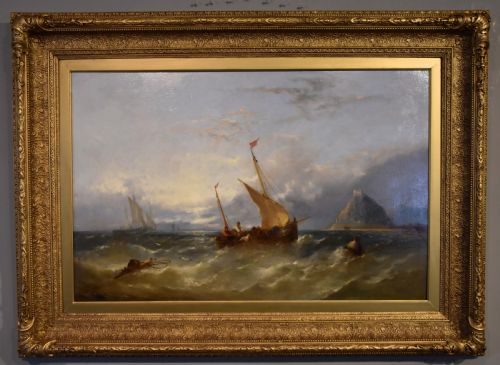
An antique ocean seascape canvas represents a painted study of open water, coastal shores, storms, or harbour shipping. These works focus heavily on atmospheric conditions, capturing everything from calm Venetian lagoons to dramatic waves breaking over rocky sea stacks.
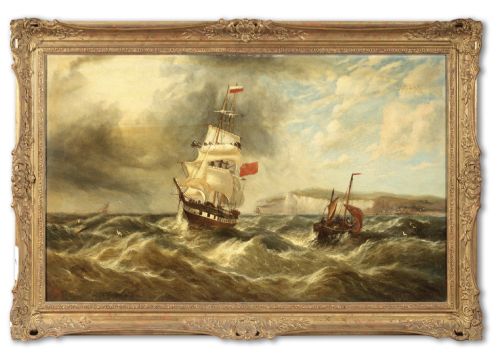
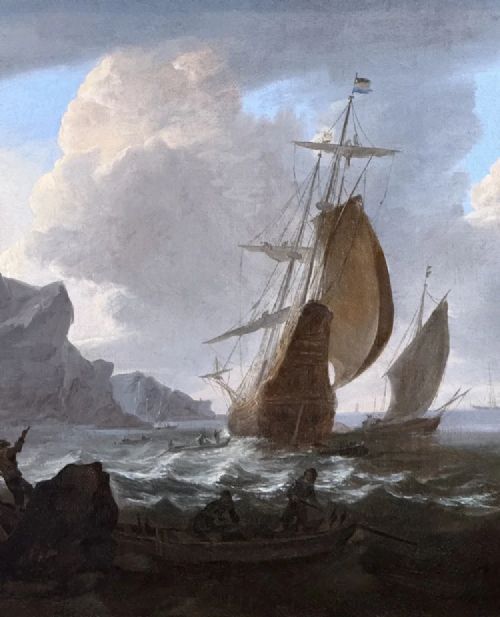
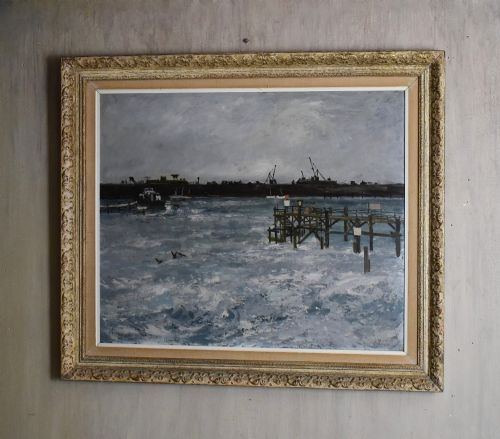
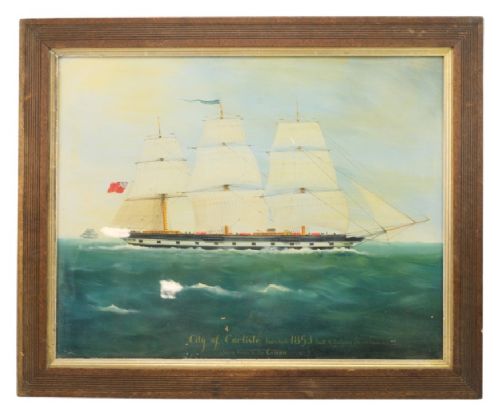
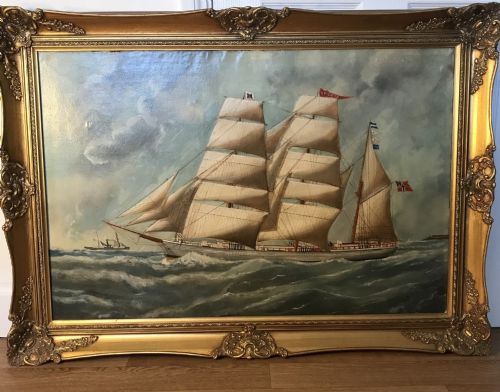
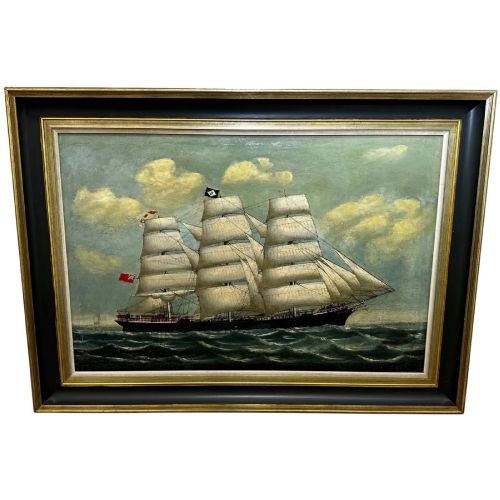
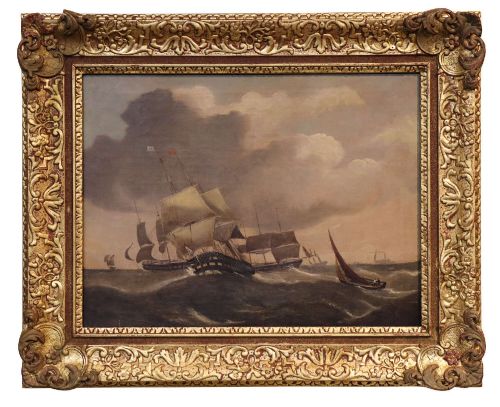
The pieces available here lean strongly towards nineteenth-century Victorian marine art and early twentieth-century impressionism. Buyers frequently encounter depictions of named sailing vessels, Dutch boats in gales, and quiet fishing craft off British and European coasts.
Origins stretch from British and Scottish coastal scenes to Dutch, French, and Russian modernist interpretations of the sea. Such artworks document historical shipping alongside pure artistic explorations of light upon water.
Materials and Technique
Artists painted these works using oil paint applied to stretched woven canvas, often supported by wooden stretcher frames. Many surviving examples retain their period gilt wood and gesso frames, which provide structural support and decorative framing.
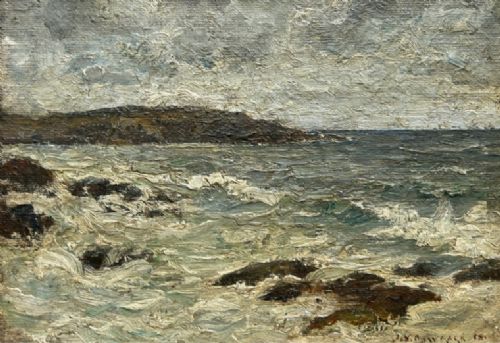
Techniques range from smooth, blended academic brushwork to heavy, textured impasto that gives physical depth to crashing waves and turbulent skies. Painters layered oil pigments to build luminosity, particularly when capturing moonlight or sunlit coastal horizons.
Listings span the nineteenth and twentieth centuries, incorporating oil on canvas, gilt wood frames, and gesso.
Assessing Artistic Merit
Quality in these canvases rests upon the artist's ability to render water convincingly, capturing the weight of the sea and the play of light on spray. Stronger works demonstrate confident brush handling and accurate anatomical depiction of vessels in motion.
Provenance and attribution elevate certain pieces, particularly when signed by known marine specialists of the Victorian and Edwardian eras. Compositional balance and atmospheric depth distinguish masterly creations from more formulaic studio output.
John Rose Miles·Bonaventura Peeters·Thomas Hodgson Liddell·William Henry Williamson·Charles Napier Hemy·Gustave De Bréanski·Daniel Sherrin·William Greaves·Charles Malfroy·Abraham Hulk Snr·Charles Sim Mottram·Claude Thomas Stanfield Moore·Roger de la Corbiere·George Gregory·George Henry Knight·John Callow·E Tucker
The Antique Ocean Seascape Canvas Glossary
- Impasto
- Paint applied thickly to a canvas, standing out in relief from the surface. This technique allows the artist to build texture in crashing waves or billowing sails.
- Gesso
- A plaster-like mixture applied to wooden frames before gilding. It provides a smooth base for gold leaf applications on period frames.
- Sea stack
- A geological landform consisting of a steep and often vertical column or columns of rock in the sea. They frequently appear in nineteenth-century coastal views to emphasise wild terrain.
- Maritime art
- Painting depicting ships, sea, and coastlines. This broad category encompasses historical naval battles, port scenes, and open ocean studies.
Antique Ocean Seascape Canvas: Frequently Asked Questions
What subjects appear in these seascapes?
Paintings depict a wide range of maritime subjects, including commercial sailing ships, fishing boats in heavy seas, shipwrecks, and quiet coastal inlets.
Artists also recorded specific historical vessels, naval shipping, and dramatic coastal landmarks across Britain and Europe.
How do I date a canvas?
Dating relies on stylistic evidence, artist signatures, costume details of any figures present, and the type of canvas or stretcher frame used.
Nineteenth-century works often feature rigid academic realism or romantic drama, whereas twentieth-century pieces lean towards impressionist or modernist interpretations of light.
How should I display an oil painting?
Hang paintings away from direct sunlight and steady heat sources to protect both the oil pigments and the wooden canvas support.
Ensure the wall fixings match the weight of the artwork and its heavy period frame, particularly for large-scale maritime canvases.
What is the significance of signed works?
Signed paintings allow collectors to attribute pieces to specific recorded marine artists working within defined nineteenth and twentieth-century periods.
Signatures often help connect a canvas to regional schools of painting, such as British impressionism or the School of Posillipo.