
Edwardian Sapphire Jewellery
Edwardian sapphire jewellery brings together bright blue gemstones and crisp diamonds, offering the delicate settings and rich character characteristic of the period.
Edwardian Sapphire Jewellery
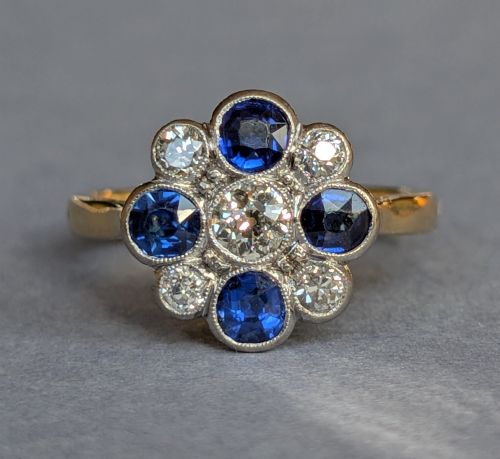
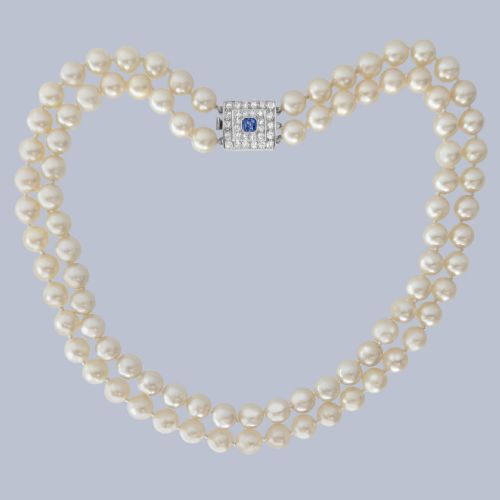
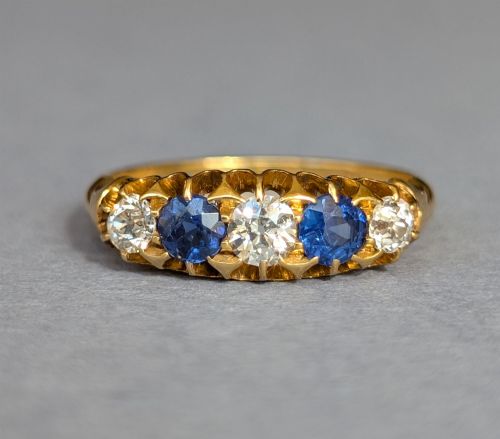
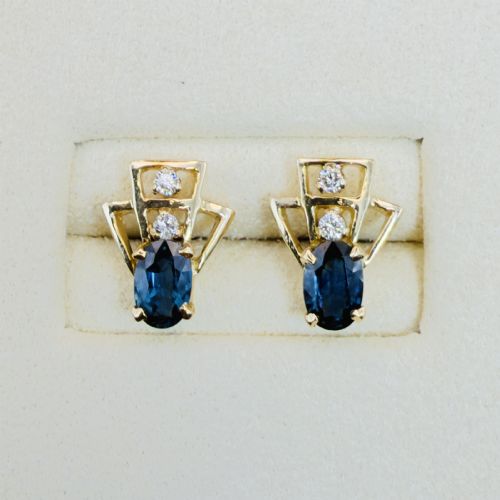
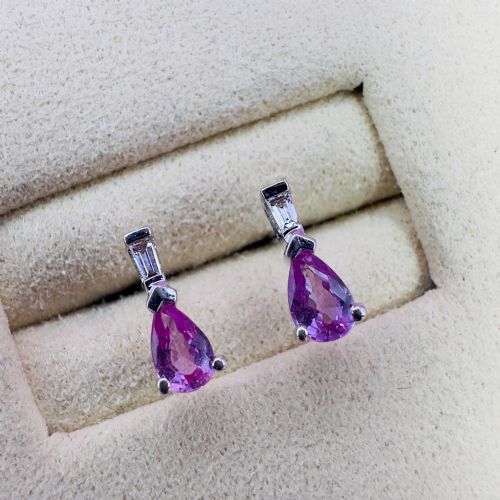
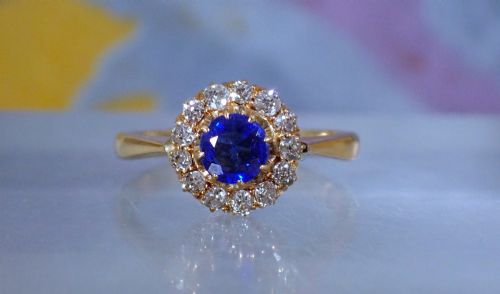
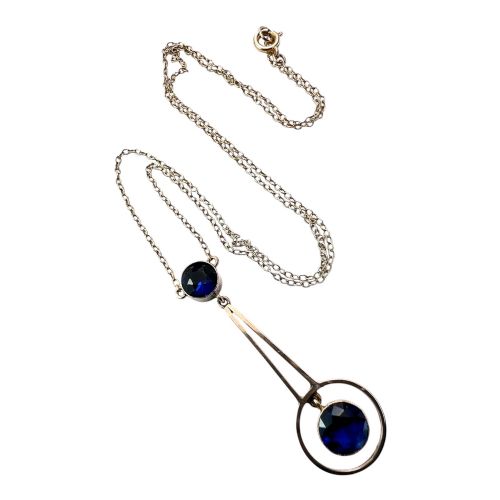
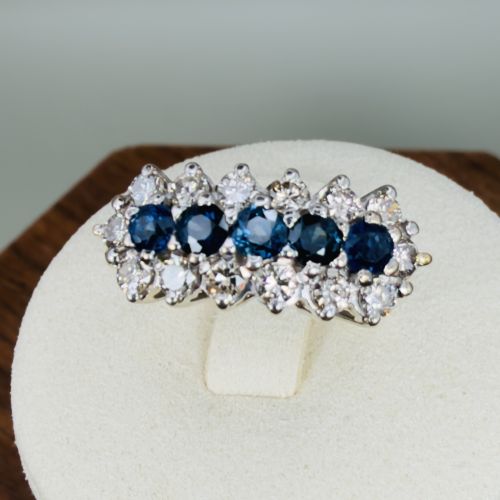
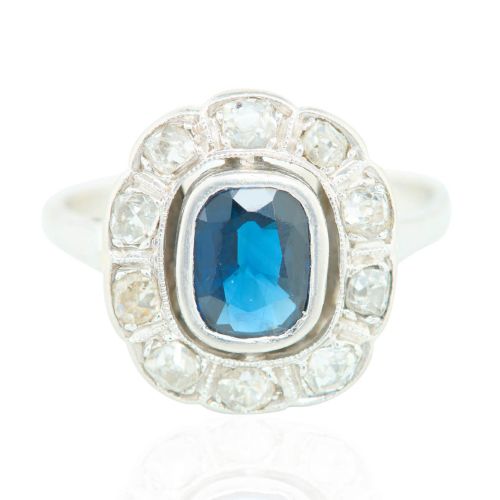
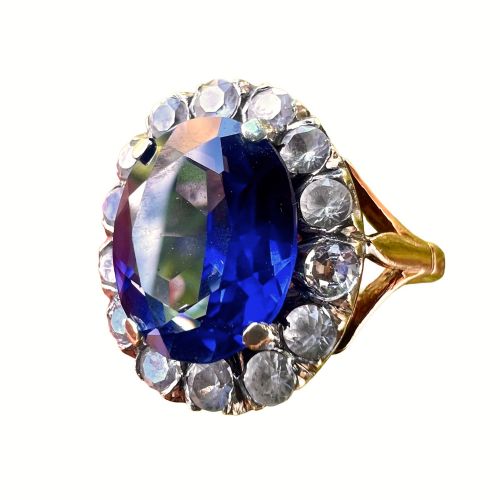
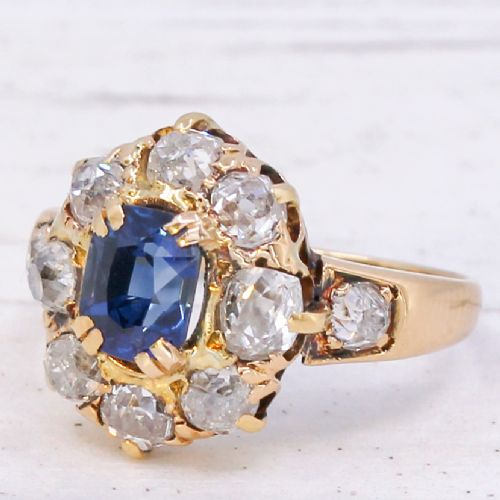
Edwardian sapphire jewellery encompasses rings, necklaces, pendants, bracelets, earrings, and brooches created during the early twentieth century. These pieces frequently pair deep blue sapphires with sparkling diamonds in distinct floral, cluster, or geometric configurations.
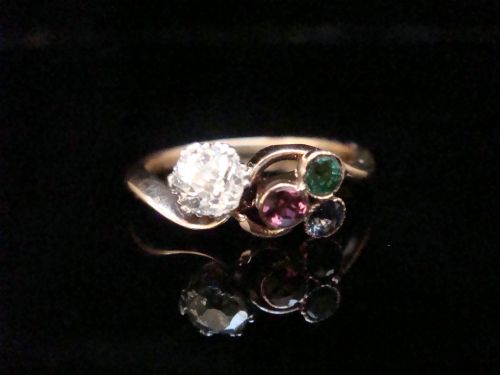
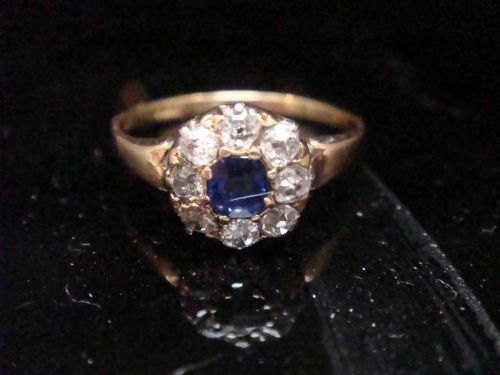
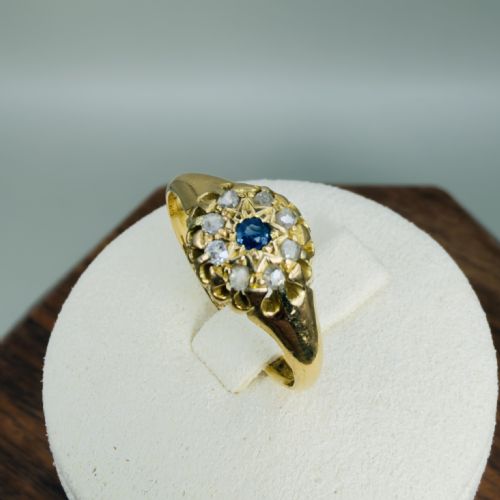
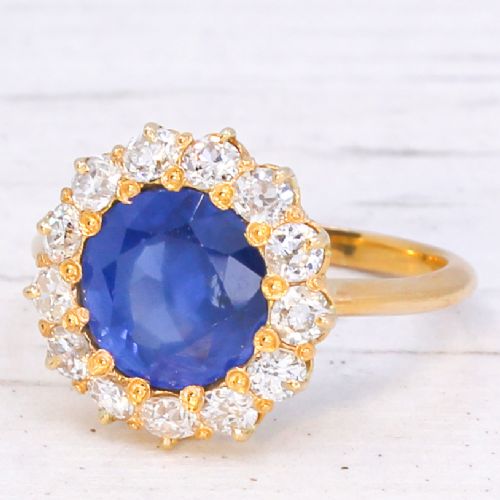
Buyers will most commonly encounter rings featuring central sapphire stones surrounded by old cut diamonds. Alongside authentic Edwardian creations, the selection includes related pieces from the Victorian and Art Deco eras that share similar gemstone combinations and precious metals.
Materials and construction
Makers utilised techniques such as cluster arrangements, daisy motifs, and detailed wirework to maximise the light passing through the gems. Gemstones were secured using meticulous claw or bezel settings designed to highlight the natural colour of the sapphires.
Edwardian Sapphire Jewellery Retail Price Guide 2026
Typical asking prices for edwardian sapphire jewellery among the pieces listed under this phrase on Sellingantiques today, from the lower quarter to the upper quarter. They describe what is for sale here now, not the wider market.
Listings feature edwardian sapphire jewellery alongside pieces from Victorian, Art Deco, and mid-century periods, utilising yellow gold, white gold, and platinum.
Separating the ordinary from the exceptional
Quality in edwardian sapphire jewellery rests upon the natural origin and depth of colour within the sapphires, alongside the cut and clarity of the accompanying diamonds. Stones that display unheated origins or specific geographic provenances distinguish finer examples from standard commercial pieces.
The sophistication of the metalwork influences overall distinction, where intricate platinum or white gold detailing elevates the construction far beyond simple yellow gold settings. Well-preserved hand-finished prongs and balanced proportions indicate superior craftsmanship from the period.
The Edwardian Sapphire Jewellery Glossary
- Cluster ring
- A ring design featuring a central gemstone encircled by a group of smaller stones, typically diamonds surrounding a sapphire.
- Old cut diamond
- A hand-faceted diamond cut popular before modern machinery standardised proportions, characterised by a smaller table and high crown.
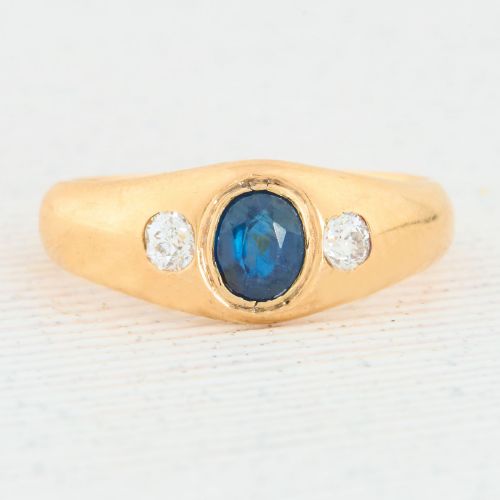
- Gypsy ring
- A style of ring where stones are flush-set directly into the thick metal band rather than held in elevated prongs.
- Calibre cut
- Gemstones specifically shaped and cut to fit tightly together in geometric rows without visible metal partitions.
- Platinum
- A dense, durable white metal utilised in fine jewellery manufacture for its strength in delicate, lace-like settings.
Edwardian Sapphire Jewellery: Frequently Asked Questions
How do I care for edwardian sapphire jewellery?
Clean these delicate items gently using warm water and a soft brush, avoiding harsh ultrasonic cleaners that might damage antique settings.
Store pieces individually in padded boxes to prevent the harder diamonds from scratching neighbouring stones or antique gold.
Can I wear an edwardian sapphire ring daily?
Sapphires possess good durability for everyday wear, but the antique nature of these settings requires mindful handling during physical tasks.
Regular inspection by a jeweller ensures that the tiny claws holding the precious stones remain secure and intact.
What is the difference between edwardian and art deco sapphire pieces?
Edwardian items tend to feature organic motifs like flowers and garlands rendered in yellow gold, platinum, and silver with softer curves.
Art Deco creations transition towards sharp geometric lines, platinum frames, and precise calibre cut stones that reflect a later design language.
Are unheated sapphires common in antique jewellery?
Unheated sapphires occur when stones display their natural colour without undergoing thermal enhancement to improve clarity or hue.
Such stones appear in select antique pieces and are typically confirmed through independent gemological laboratory reports accompanying the item.