



Edwardian Salt Cellars
Edwardian salt cellars bring small-scale elegance to the dining table, combining precious metals with contrasting glass liners.
Edwardian Salt Cellars
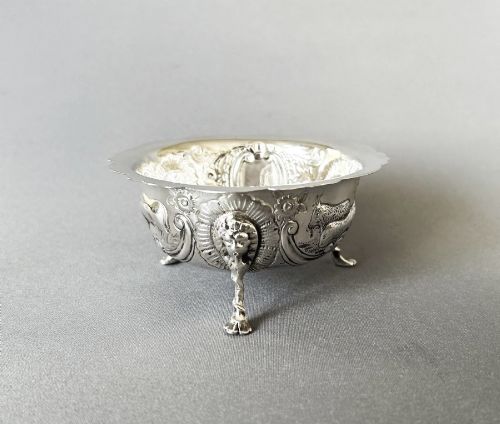
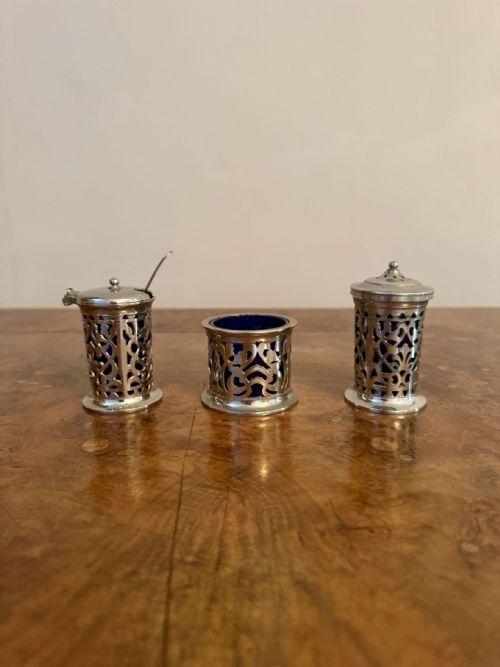
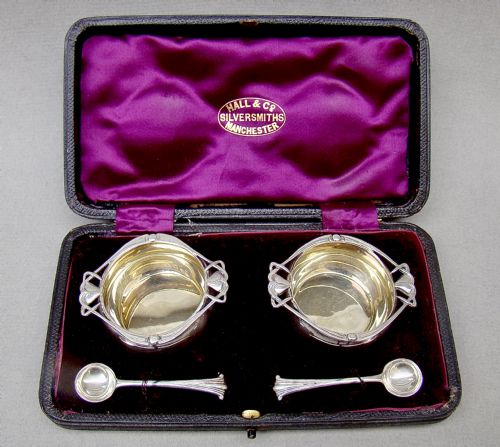
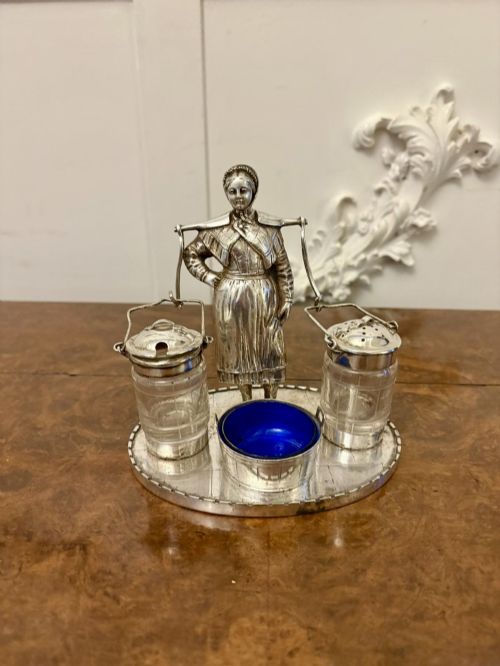
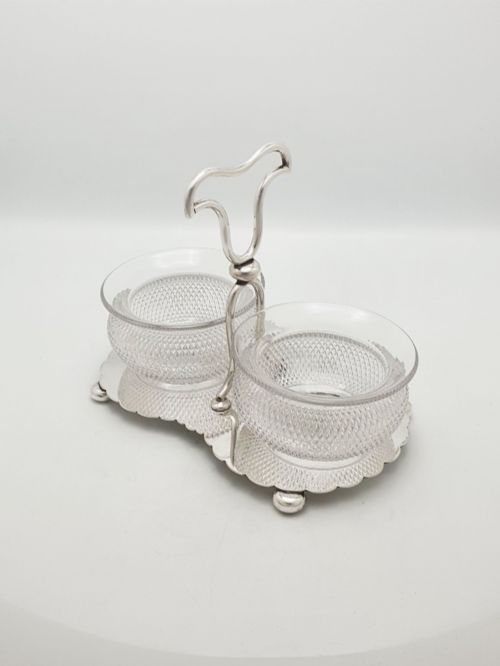
Edwardian salt cellars are small open vessels designed for table service, frequently encountered in pairs or matched sets alongside spoons. The selection spans open salt tubs, wirework frames, and lidded pots made to hold coarse seasonings before domestic salt shakers became universal.
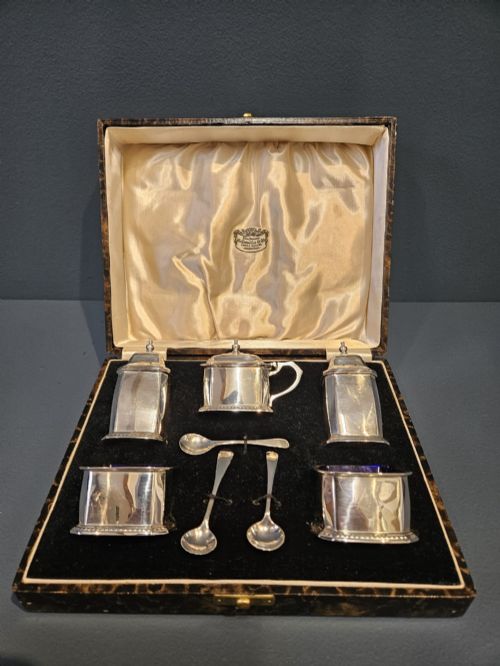
Most examples date from the opening decade of the twentieth century, accompanied by related pieces from late Victorian and subsequent interwar decades. Forms range from simple sterling silver bowls to elaborate condiment stands and fitted cased sets incorporating multiple bottles.
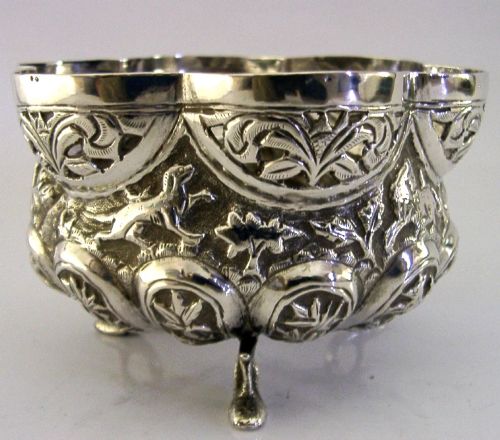
Buyers look for these items to dress a formal dining table or to collect diminutive examples of period silversmithing. The variety extends across sterling silver, silver plate, and Anglo-Indian solid silver.
How they were made
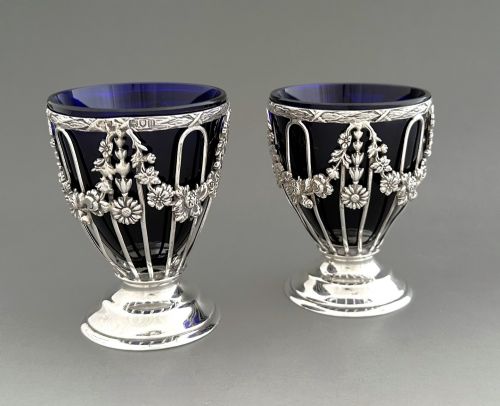
Silversmiths constructed these pieces using sterling silver or silver plate, shaping metal through hammering, casting, and wirework techniques. Pierced frameworks and solid bodies often accommodate removable liners that protect the metal from corrosion.
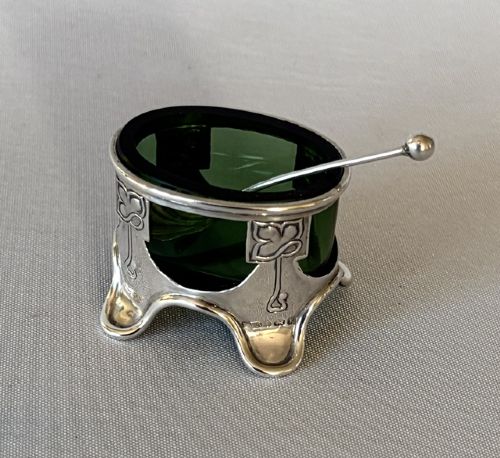
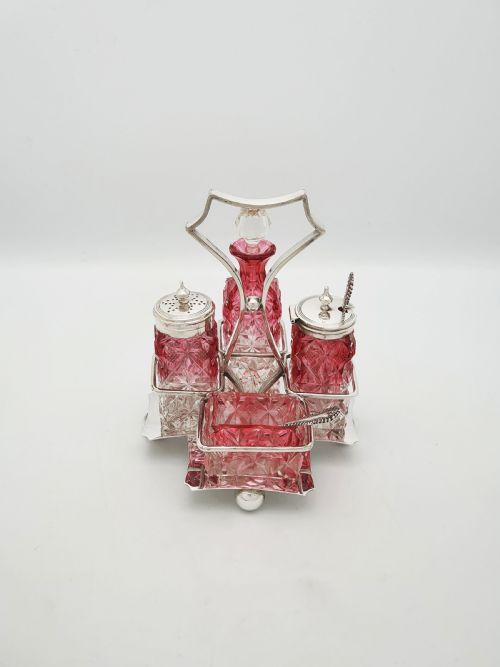
Liners and inserts utilise coloured glass, including cobalt glass, cranberry flashed cut glass, and green glass. Additional textures appear through fitted silk and velvet linings inside presentation cases.
Edwardian Salt Cellars Retail Price Guide 2026
Typical asking prices for edwardian salt cellars among the pieces listed under this phrase on Sellingantiques today, from the lower quarter to the upper quarter. They describe what is for sale here now, not the wider market.
Listings feature sterling silver, silver plate, cobalt glass, and cut glass across periods spanning the Victorian era to the mid-twentieth century.
What varies in quality
Quality rests on the weight of the metal, the clarity of the hallmarks, and the crispness of decorative details such as wirework or cast ornament. Substantial gauge silver and intact, unchipped glass liners distinguish finer examples from standard production.
The presence of original fitted presentation cases and matching spoons elevates the standing of a set. Maker attribution also plays a role, with documented workshops commanding greater attention than unmarked wares.
Goldsmith & Silversmith's·Bricks & Sons·Sampson Mordan·Heath and Middleton
The Edwardian Salt Cellars Glossary
- Salt tub
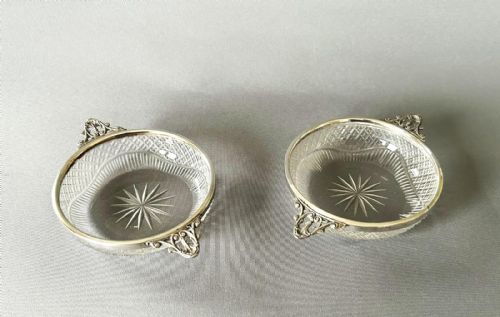
- A small open circular vessel used for holding table salt. These lack the feet of larger pedestal salts and often sit directly on the dining surface.
- Cobalt glass
- Deep blue glass commonly used for removable liners inside silver salt cellars. The dark colour conceals any residue left by damp salt.
- Cruet set
- A matched assembly of containers for condiments such as oil, vinegar, salt, and pepper. They typically rest within a shared metal stand or frame.
- Wirework
- Openwork metal construction formed from soldered silver wires. This technique creates lightweight, airy frames around glass liners.
Edwardian Salt Cellars: Frequently Asked Questions
How were salt cellars used?
Diners used small spoons or pinches of fingers to take salt from the open vessel and sprinkle it over their food.
Before free-flowing table salt existed, these open dishes held coarse crystals at each place setting.
Are glass liners original?
Many salt cellars retain their blown or moulded glass inserts, which protected the metal from the corrosive nature of salt.
Replacements do occur, so buyers examine the fit and colour consistency against the metal frame.
How do I clean silver salt cellars?
Gentle washing in warm soapy water removes residue without damaging the metal or any accompanying glass liners.
Harsh abrasive dips should be avoided, particularly when velvet or silk linings are present in cases.
What styles influence these pieces?
Designs draw upon Art Nouveau curving lines, Arts and Crafts simplicity, and revivals of Georgian and Rococo aesthetics.
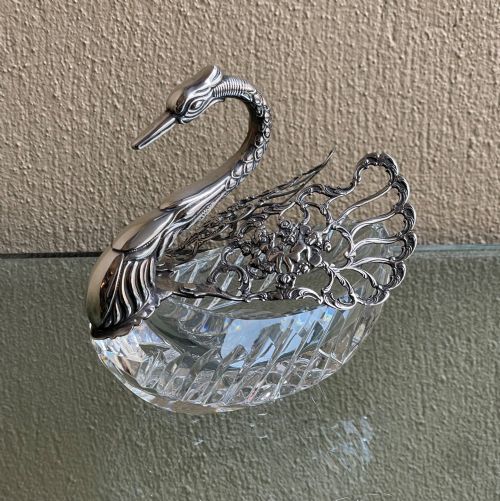
Figural novelty forms modelled as chicks or animals also appear alongside traditional geometric patterns.