




Edwardian Ruby Glass
Edwardian ruby glass pieces combine rich red tones with period mounts, bringing vibrant colour and functional elegance to table settings and dressing tables alike.
Edwardian Ruby Glass
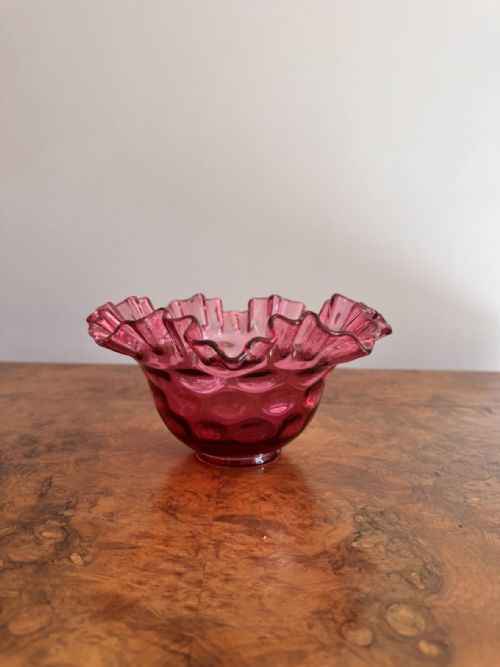
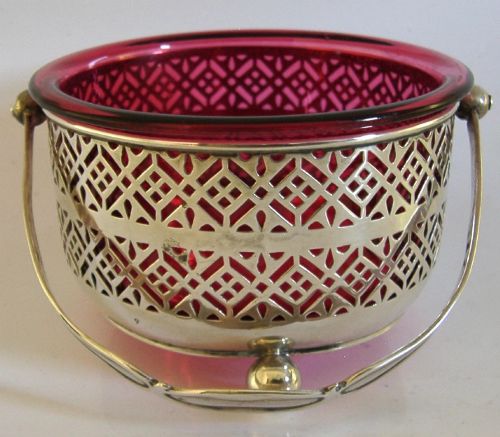
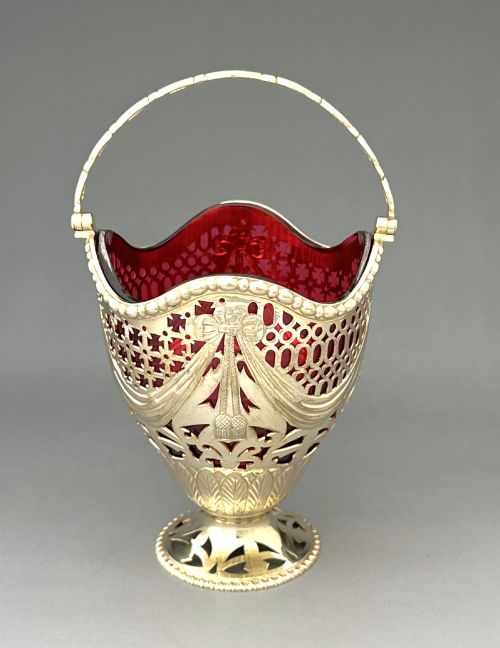
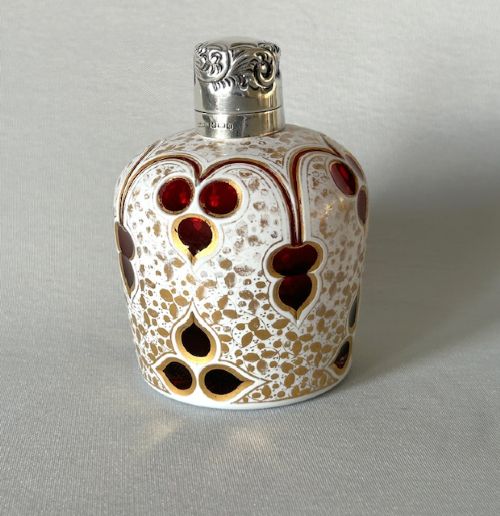
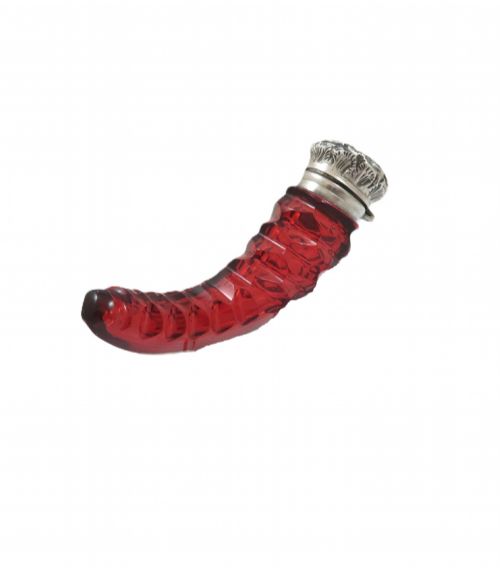
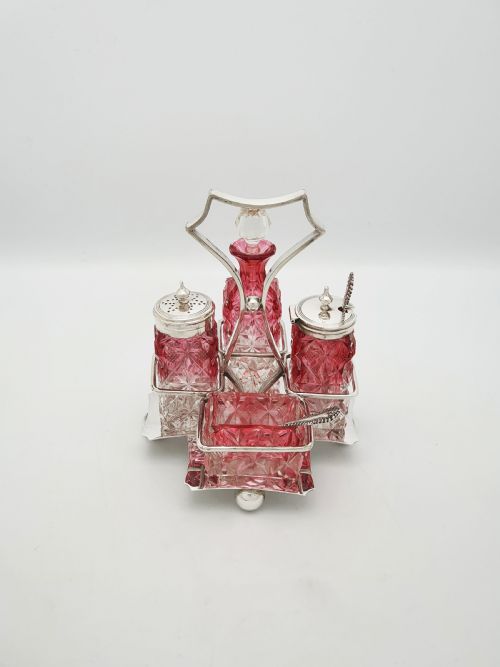
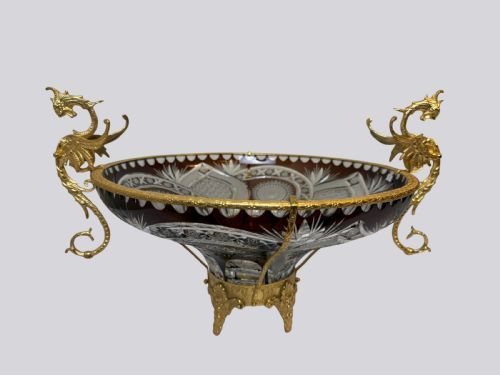
When you search for edwardian ruby glass, you encounter functional and decorative items produced around the turn of the twentieth century. The selection typically includes scent bottles, decanters, sugar baskets, and vases alongside tableware such as preserve bowls and cruet sets.
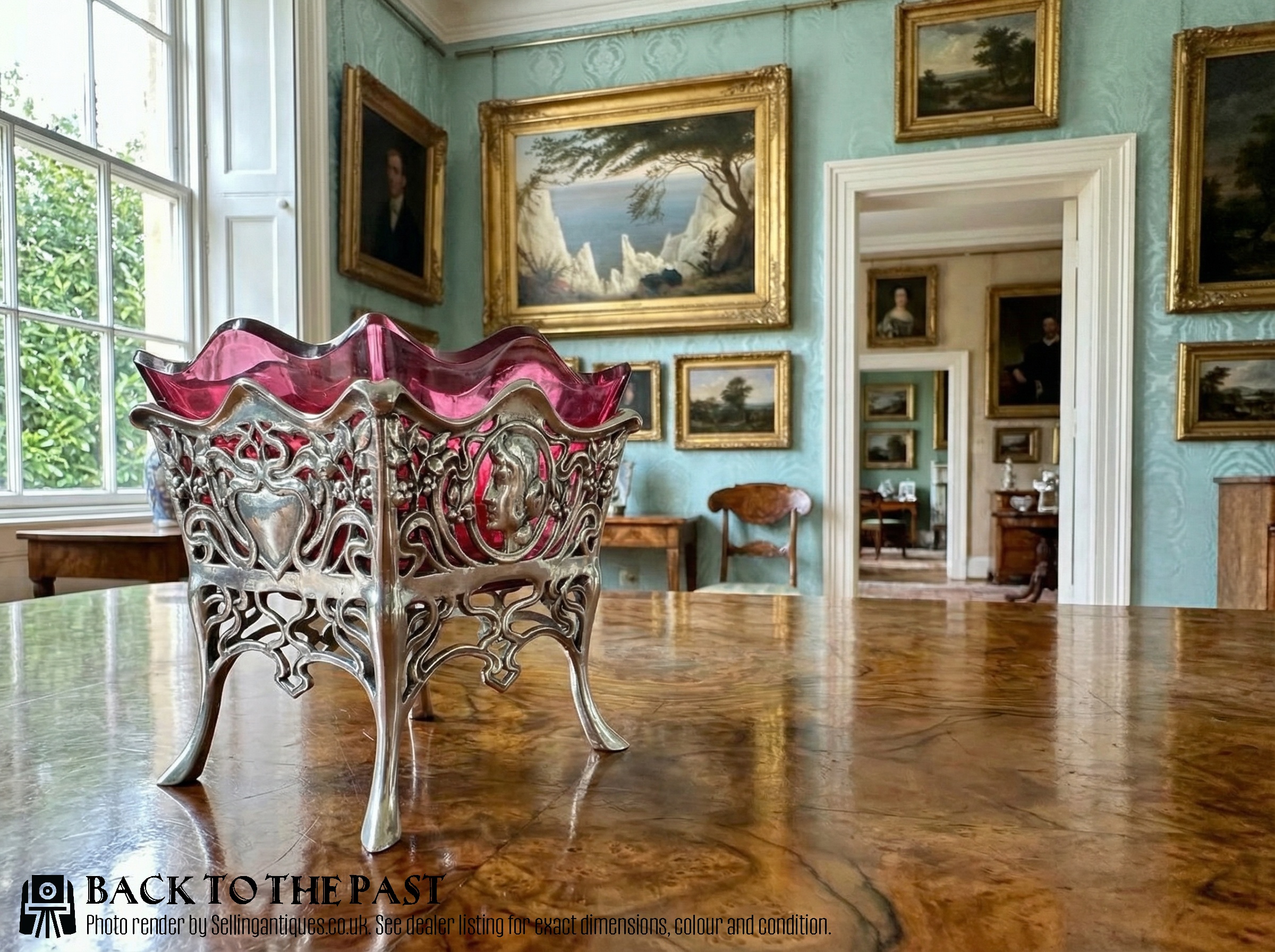
Most examples originate from the Edwardian period and the late Victorian era, with occasional pieces stretching from the late nineteenth century into the nineteen-twenties. These items frequently incorporate contrasting metal elements, pairing deep red vessels with sterling silver, silver plate, or gilt mounts.
How they were made
Makers achieved the distinctive deep red hue of edwardian ruby glass by adding gold chloride or copper to the molten glass batch during production. Artisans then shaped these vessels through free-blowing or mould-blowing techniques, sometimes applying an overlay layer of white or clear glass that was subsequently cut away to reveal the ruby red underneath.
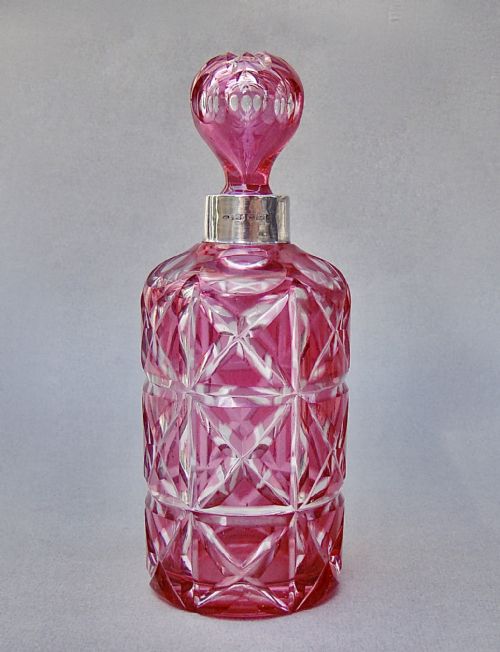
Metalworkers fitted many of these glass bodies with hallmarked sterling silver or silver-plated mounts, creating secure rims, hinged lids, and swing handles. Artisans also decorated the glass surfaces using wheel-cutting, etching, and hand-painted enamel details.
Listings feature items spanning the Victorian, Edwardian, and Art Deco periods, created from cranberry glass, sterling silver, and clear cut glass.
What varies in quality
The sophistication of the glass cutting and the weight of the metal mounts determine the standing of an individual piece. Heavy, sonorous crystal vessels with deeply ground facets and robust sterling silver collars sit at the higher end of the scale.
Proportion and the integration of metalwork to glass dictate overall success. Pieces where the silver mounts are crisply hallmarked, securely fitted, and complemented by delicate piercing or gilding represent superior craftsmanship.
Harold Bushell and Co·WMF
The Edwardian Ruby Glass Glossary
- Cranberry Glass
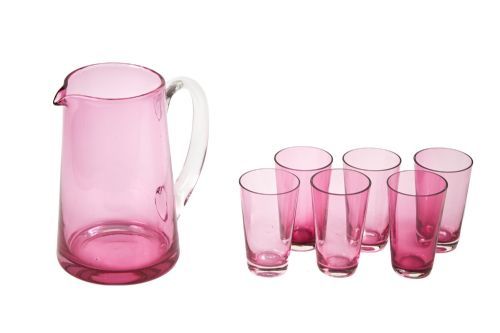
- A type of transparent glass coloured with gold, yielding a rich pinkish-red hue. It appears frequently in nineteenth and early twentieth-century tableware and scent bottles.
- Ruby Glass
- A generic term for deep red glass produced by adding various metallic oxides to the batch. It provides the primary visual characteristic for this category of items.
- Overlay Glass
- A technique where a layer of coloured glass is cased over a body of clear or contrasting glass. Artisans cut through the outer layer to create intricate patterned windows.
- Cruet Set
- A matched collection of small glass bottles or jars held in a metal stand for condiments and oils. These sets often use coloured glass liners.
- Mantle Lustre
- A decorative glass mantelpiece ornament hung with cut glass prisms. These pieces often feature cranberry or ruby coloration.
Edwardian Ruby Glass: Frequently Asked Questions
How do I clean edwardian ruby glass?
Wash these items by hand in lukewarm water using mild washing-up liquid and a soft cloth. Avoid abrasive sponges and do not submerge silver-mounted pieces for extended periods.
Dry the glass immediately with a lint-free cloth to prevent water spots. Keep silver mounts polished separately with a dedicated silver cloth while avoiding contact with the glass.
Were these pieces used daily?
Original owners utilised items such as decanters, cruet sets, and sugar baskets for formal dining and entertaining. Scent bottles and dressing table jars served personal grooming routines in the bedroom.
Many of these objects functioned as high-status display items in dining rooms and drawing rooms. Their survival in good condition suggests careful handling and preservation by successive generations.
How do I tell Victorian from Edwardian pieces?
Victorian examples often feature heavier Victorian ornamentation, such as ornate flash-cut overlays or elaborate Mary Gregory enamel painting. They typically date from the late nineteenth century.
Edwardian items tend to display lighter, more refined silver mounts reflecting Art Nouveau tastes or clean neoclassical lines. Hallmarks on the silver components provide precise dating for the mounted pieces.
Is all red glass cranberry glass?
Not all red glass is cranberry glass, as different chemical agents produce varying shades of red. Cranberry glass specifically relies on gold oxide to achieve its characteristic pinkish-red tone.
Other red glass varieties might use copper or selenium, resulting in a brighter or darker ruby hue. Examining the glass under different lighting conditions helps reveal these compositional differences.