

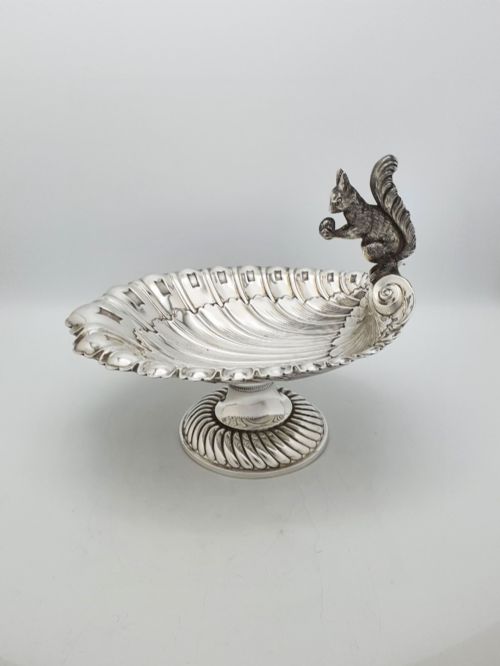


Wmf Silver Plate
Wmf silver plate brings distinctive European metalwork into domestic spaces, uniting functional objects with expressive period design.
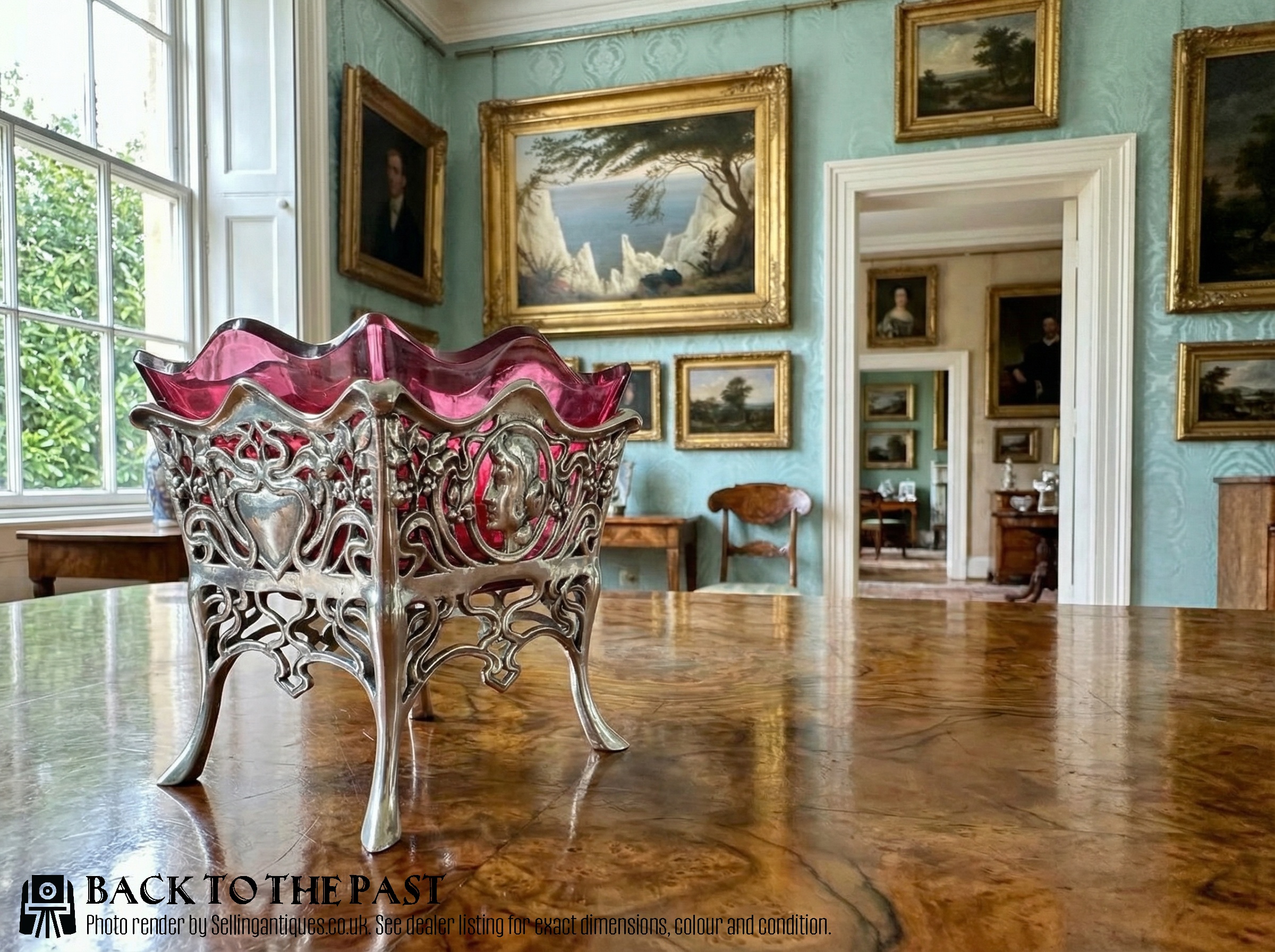
Wmf Silver Plate
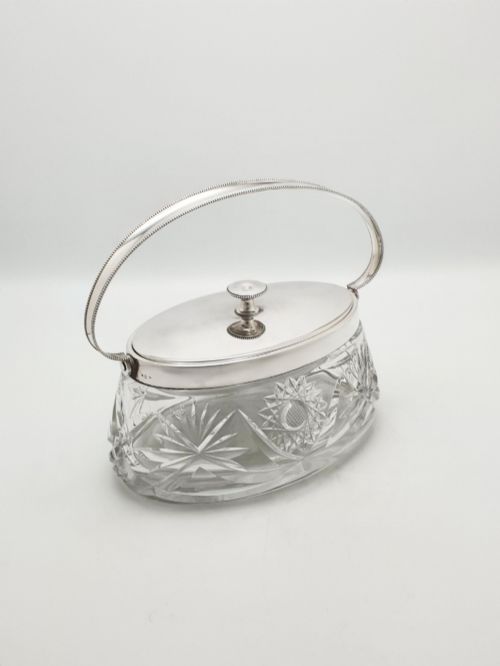
Wmf silver plate encompasses domestic metalware produced by the Württembergische Metallwarenfabrik, ranging from table service items to decorative display pieces. When exploring wmf silver plate, buyers commonly encounter table wares like biscuit barrels, trays, and champagne buckets alongside sculptural centerpieces. These pieces reflect European design shifts spanning the late nineteenth century into the twentieth century, with a strong emphasis on domestic utility.
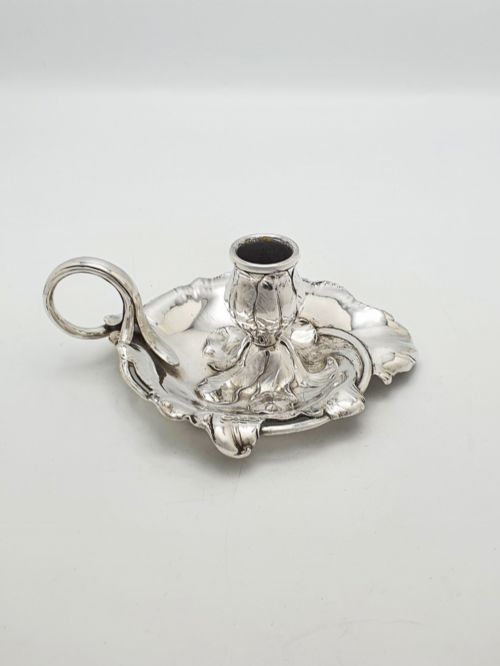
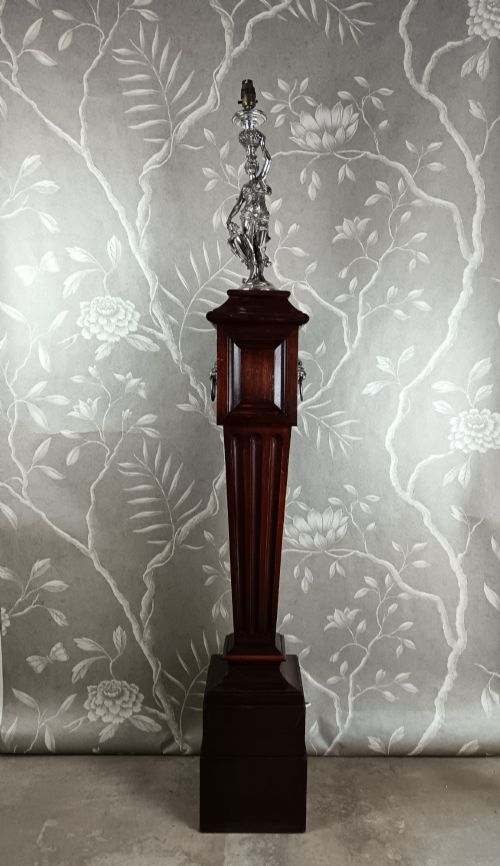
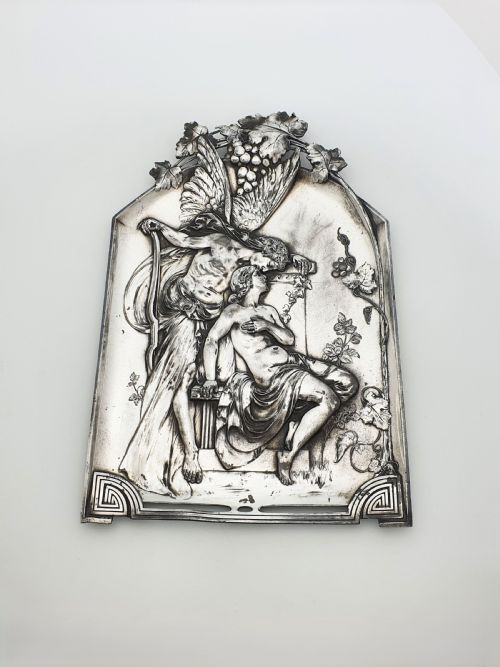
The objects frequently combine metal frames with coloured or clear glass inserts, including bowls, liners, and decanters. Organic motifs such as tendrils, flower heads, and figural maidens appear across diverse functional categories. While production extended into geometric Art Deco styles, the naturalistic aesthetics of Art Nouveau and Jugendstil remain heavily represented.
How they were made
Makers utilised base metals such as Britannia metal and pewter, applying silver plating techniques to achieve a bright finish. Silvered pewter allowed for intricate cast figures and reliefs, giving organic forms sharp definition.
Blown and cut glass elements were integrated directly into metal mounts, creating fitted vessels like claret jugs, butter dishes, and biscuit boxes. Manufacturing combined industrial casting methods with hand-finishing for details on figural components and decorative trays.
Squirrel nut dishes and goat novelty knife rests show that turn-of-the-century dining tables welcomed playful animal subjects.
What varies in quality
Quality depends upon the crispness of the casting in figural and floral elements, where deeply rendered details indicate superior workmanship. Pieces retaining original glass liners, particularly coloured vaseline or ruby glass inserts, command greater completeness.
The durability of the silver plating over the underlying metal base also dictates overall standard. Well-preserved surfaces maintain even coverage without excessive wear on high-relief decoration.
The Wmf Silver Plate Glossary
- Jugendstil
- The German manifestation of Art Nouveau, characterised by flowing organic lines and stylized natural forms. This aesthetic heavily influences turn-of-the-century metalware design.
- Britannia metal
- A tin-based alloy utilised as a base metal for silver plating, offering a lightweight and stable structure for intricate casting. It provides a smooth surface for electroplating.
- Taza
- An ornamental shallow cup or bowl raised on a pedestal, frequently used for serving sweets or displaying fruit. These vessels often feature pierced metalwork or decorative handles.
- Silvered pewter
- Pewter treated with a silver finish to combine the malleable qualities of the alloy with the appearance of solid silver. This material supports complex figural casting.
- Secessionist
- A design movement associated with Central European modernism, emphasising geometric structure alongside stylized floral motifs. It represents a transition toward simpler forms prior to Art Deco.
Wmf Silver Plate: Frequently Asked Questions
What is wmf silver plate?
Wmf silver plate refers to decorative and functional metalware produced by the German manufacturer Württembergische Metallwarenfabrik from the late nineteenth century onward. The production includes tableware, lighting, and sculptural vessels.
These items are known for incorporating prevailing design movements like Art Nouveau, Jugendstil, and Art Deco into everyday domestic objects. Many pieces pair plated metal mounts with coloured or clear glass.
How do you clean wmf silver plate?
Cleaning requires mild silver polish applied gently with a soft cloth to protect the plated surface from abrasion. Avoid harsh chemical dips that strip the underlying finish.
Glass components should be washed separately in warm soapy water. Care must be taken around delicate cast pewter or soldered joints.
How are periods identified?
Periods are determined through stylistic indicators such as the flowing floral motifs of Art Nouveau or the linear geometry of Art Deco. Maker marks stamped on the base also help narrow down the production era.
Material choices, including specific glass colours and alloy types, provide further chronological context. Comparing piece architecture against known catalogue designs confirms the timeline.
How were these items used?
Items served practical dining and entertaining functions in middle and upper-class households, ranging from holding biscuits to chilling champagne. Centerpieces and vases decorated dining tables during formal meals.
Smaller accessories like card trays and trinket boxes were placed on dressing tables or in reception rooms. Their dual role combined utilitarian purpose with artistic display.