
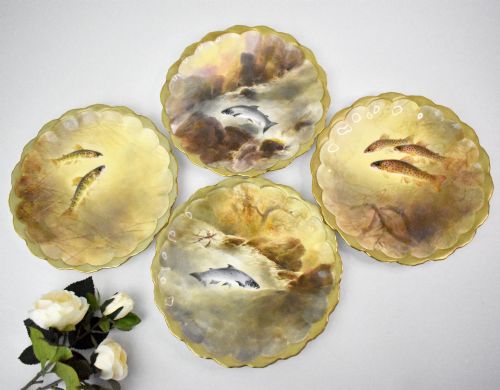


Edwardian Royal Doulton Ceramic
Edwardian royal doulton ceramic pieces bring together vibrant slip glazes and intricate hand-painted motifs that collectors prize for their distinct decorative character.
Edwardian Royal Doulton Ceramic
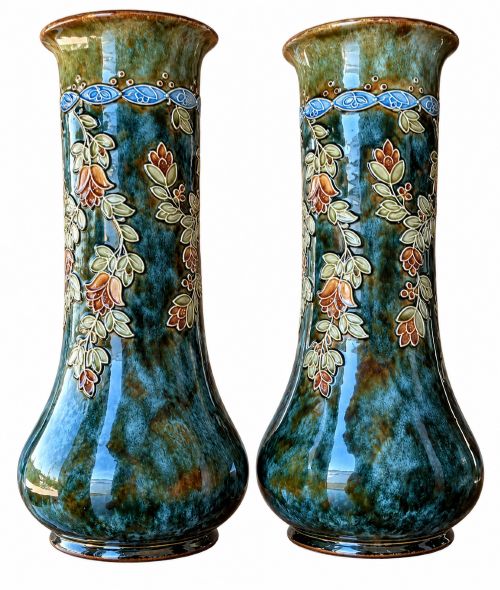
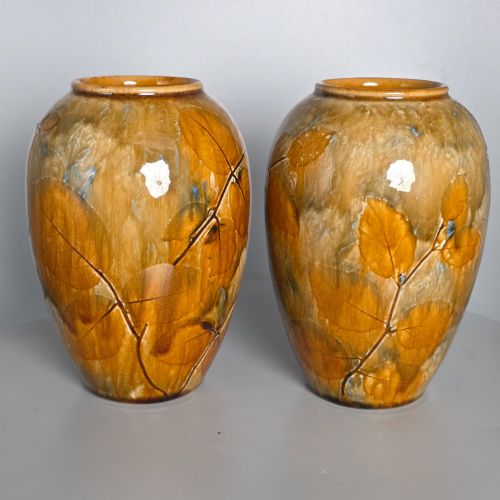
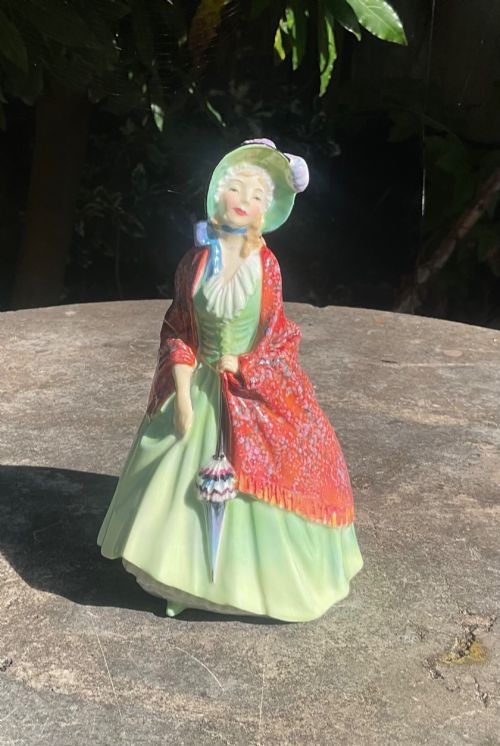
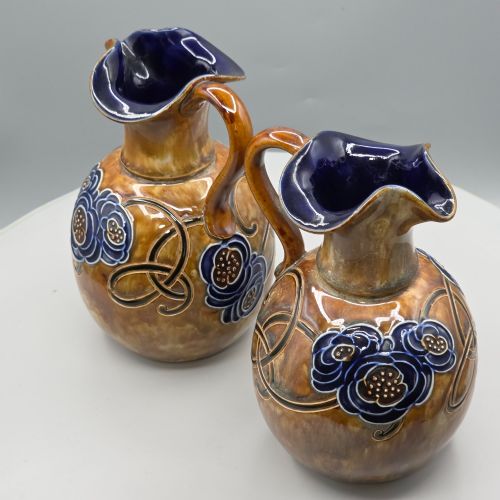
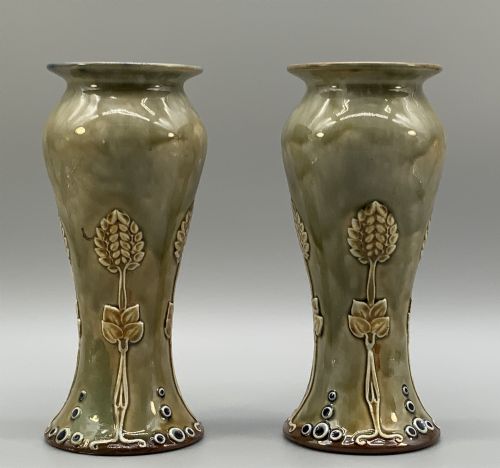
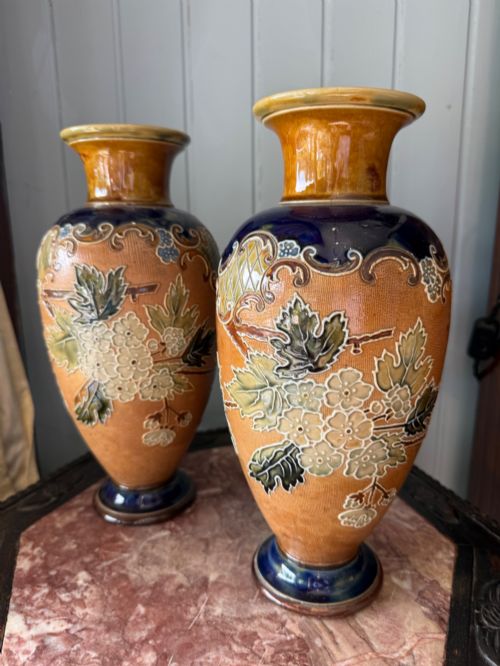
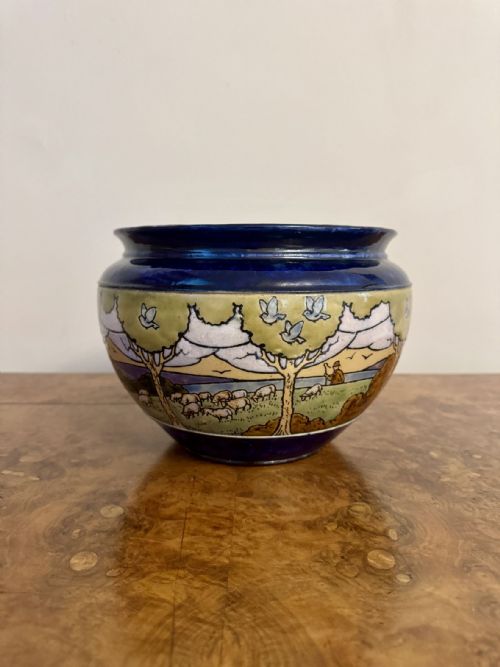
When searching for edwardian royal doulton ceramic items, buyers encounter a diverse range of functional and ornamental forms produced primarily around the turn of the twentieth century. Vases, jugs, cabinet dishes, and tobacco jars dominate the selection, reflecting the prolific output of the Staffordshire potteries and the Lambeth studios during this era. Styles span from strict Victorian revivalism through exuberant Art Nouveau and Arts and Crafts designs, giving domestic interiors a bold splash of colour and texture.
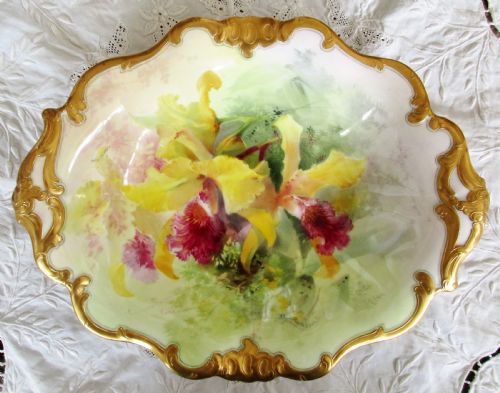
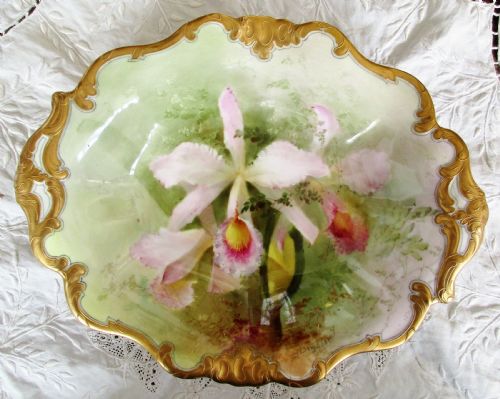
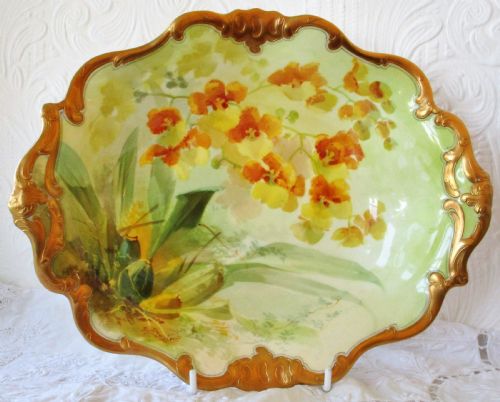
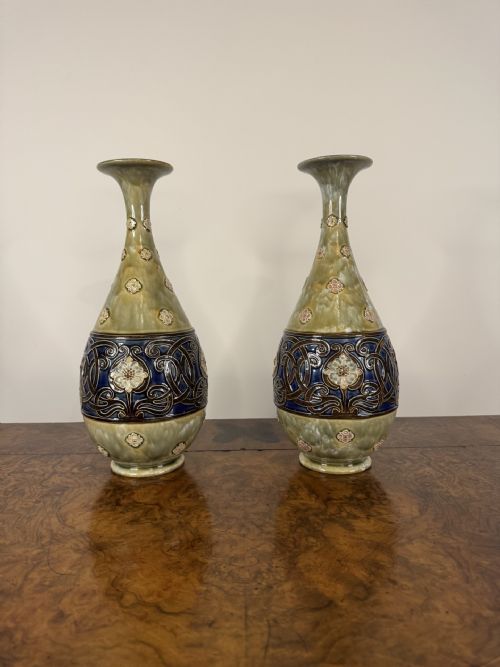
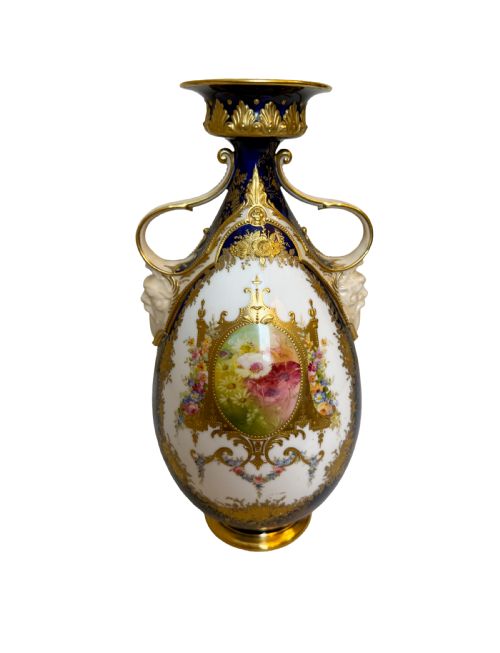
The version most commonly met on this page is the glazed stoneware vase or porcelain cabinet dish, often ornamented with hand-painted flora or textured leaf patterns. Pieces from the Edwardian period sit alongside late Victorian and early Art Deco examples, demonstrating a smooth transition in ceramic manufacturing. These items serve equally well as standalone decorative statements or as part of a broader collection of British art pottery.
How They Were Made
Potters shaped these vessels using traditional throwing and casting methods before applying specialised glazes, enamel, and gilt highlights. Stoneware bodies required high-temperature firing to achieve durability, while bone china and English porcelain pieces underwent multiple kiln cycles to set delicate painted details.
Artisans utilised salt glazing, coloured slips, and impressed patterning techniques, particularly seen in the Lambeth stoneware lines. Hand-painted botanical and landscape scenes required skilled brushwork, often finished with metallic gilding to accentuate moulded or incised contours.
Several tobacco jars found a second life illuminating rooms after being thoughtfully converted into table lamps.
What Varies In Quality
The distinction between standard production wares and top-tier pieces rests heavily on the identity of the artist and the complexity of the hand-decoration. Pieces bearing the signature or monogram of renowned studio painters command greater interest because their brushwork displays superior depth, control, and artistic ambition.
The crispness of the moulded or incised relief work and the richness of the glaze application also determine the overall desirability of an object. Stoneware with intricate enamel floral decor or porcelain painted with precise botanical studies represents the higher echelon of this ceramic tradition.
David Dewsberry·Louisa Wakely·Joseph Birbeck Senior·John H Plant·Ethel Beard·Maud Bowden·Charles Noke
The Edwardian Royal Doulton Ceramic Glossary
- Stoneware
- A dense, vitreous ceramic fired at high temperatures until non-porous. It provides a sturdy body for heavy incising and rich glaze effects.
- Cabinet Dish
- A decorative ceramic plate intended for display in a cabinet rather than for dining use. These often feature elaborate hand-painted scenes.
- Slater's Patent
- A specific textural technique involving lace or fabric pressed into damp clay before firing. This created a distinctive patterned background for subsequent enamel decoration.
- Lambeth
- The London studio location where much of the artistic stoneware and salt-glazed vessels were produced. Lambeth pieces often show strong Arts and Crafts influences.
- Flambé
- A rich, unpredictable glaze effect achieved by firing copper oxides in a reducing atmosphere. It produces mottled red and purple streaks across the ceramic surface.
Edwardian Royal Doulton Ceramic: Frequently Asked Questions
How do I identify a Lambeth piece?
Lambeth pieces typically utilise heavier stoneware bodies with impressed factory marks specific to the London studio. They often feature incised foliage and textured grounds rather than delicate porcelain painting.
Studying the base markings helps confirm the production site, as Doulton operated multiple facilities with distinct stylistic outputs during the period.
Are cabinet dishes meant for food?
Cabinet dishes are strictly ornamental items created for display in cabinets or on sideboard plate rails. Their fine porcelain surfaces and delicate hand-painted motifs make them unsuitable for practical dining use.
Handling these items carefully preserves the original enamel work and gilt borders from unnecessary wear.
What defines Art Nouveau styles here?
Art Nouveau examples display flowing organic lines, stylised plant motifs, and asymmetrical shapes inspired by natural forms. These pieces break away from rigid Victorian symmetry in favour of dynamic curves.
The glazes on these items often mimic natural tones like deep greens, blues, and autumnal browns to complement the botanical themes.
How are tobacco jars used today?
Tobacco jars function primarily as lidded decorative containers or have been converted into table lamps while retaining their original ceramic bodies. Their substantial proportions make them striking accent pieces for side tables or desks.
Collectors appreciate the rich glaze variations and detailed floral decoration that characterise these lidded forms.