
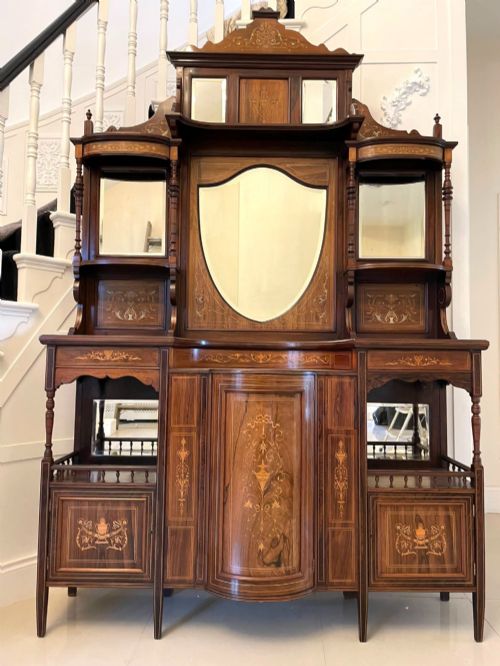
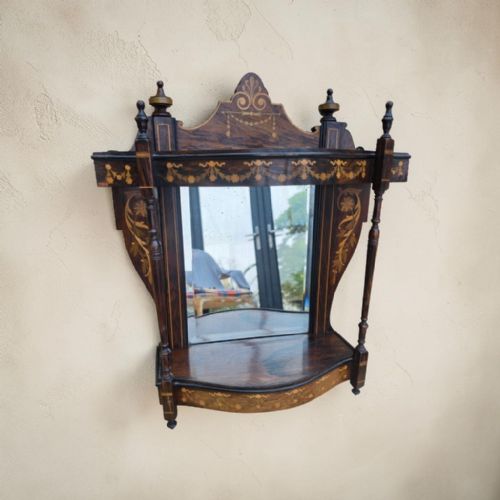
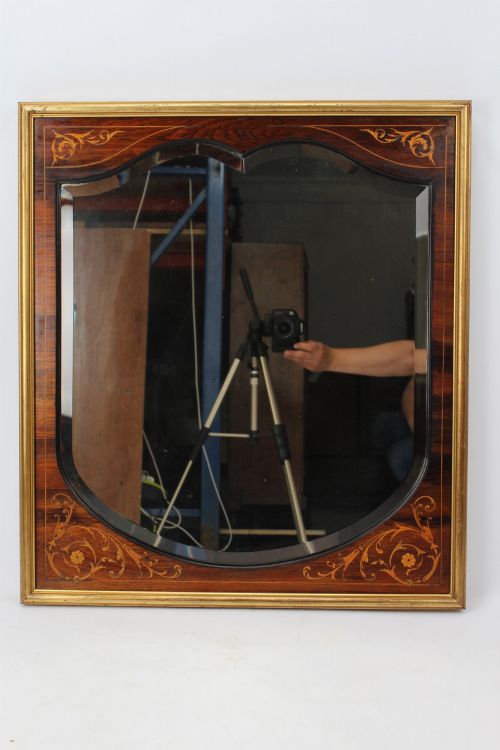
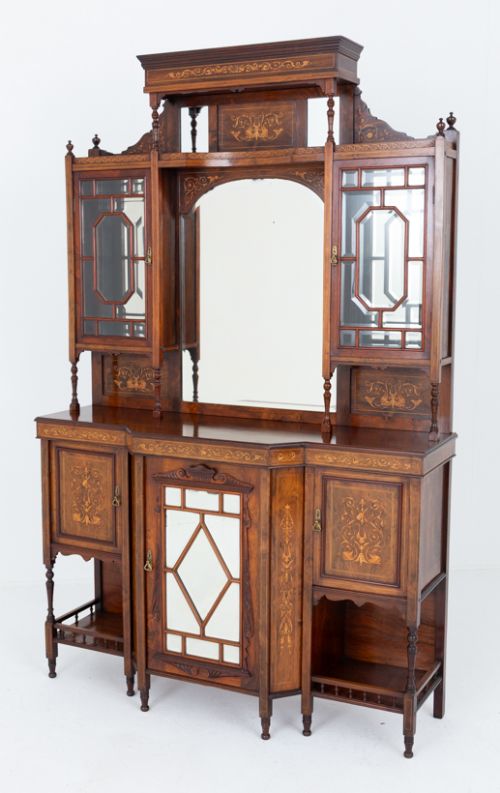


Edwardian Rosewood Mirror
An edwardian rosewood mirror brings rich timber grain and fine stringing into a room, offering both practical reflection and decorative warmth.
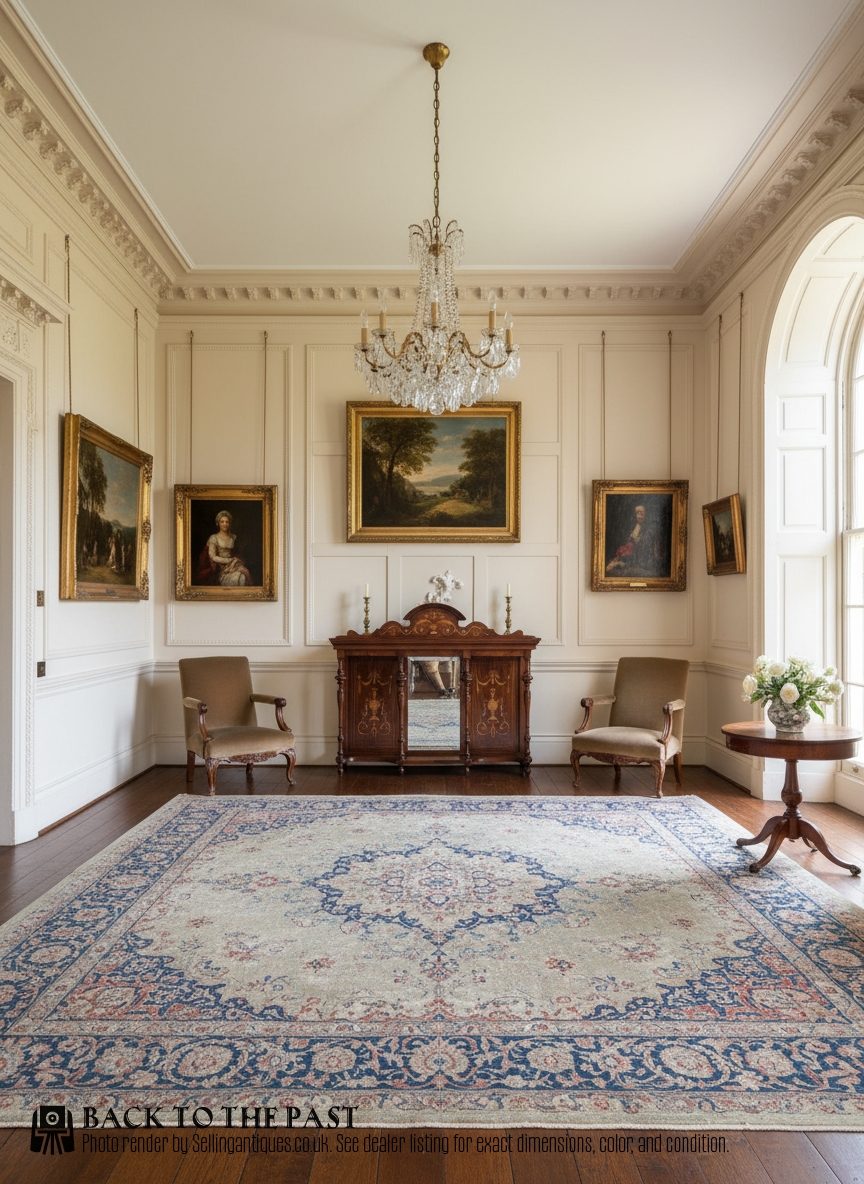
Edwardian Rosewood Mirror
An edwardian rosewood mirror draws on late nineteenth century aesthetic traditions to combine dark exotic timber with delicate light wood details. These pieces include wall-hanging plates, hall mirrors with shelves, and larger overmantel designs intended for principal reception rooms.
The version most commonly met on this page is the compact wall mirror or overmantel piece, often featuring boxwood or satinwood inlay and sometimes incorporating small display shelves. They reflect the lighter domestic tastes of the Edwardian period while retaining the rich colour of earlier Victorian craftsmanship.
Makers of the era also produced related furnishings in the same timber, from cabinets to writing desks, ensuring that a wall mirror can easily be matched with other rosewood pieces in a room.
Materials and Technique
Cabinet makers utilised dense rosewood as a primary timber, frequently selecting cuts that displayed a deep grain and warm natural tone. This dark ground provided a strong visual contrast for lighter contrasting woods.
Decoration relied heavily on marquetry and fine boxwood or satinwood inlay, creating floral or geometric motifs set flush into the surface. Glass plates were bevelled by hand, adding depth to the reflection and catching the light along the polished edges.
Object forms appearing alongside wall mirrors include side cabinets, music cabinets, coal boxes, and bonheur du jour writing desks.
Distinctions in Quality
The standard of an edwardian rosewood mirror rests upon the precision of its marquetry and the crispness of its inlay work. Finer examples display meticulous hand-cut vegetal or linear patterns where lighter woods sit perfectly flush within the dark rosewood ground.
Proportion and structural timber selection also set finer pieces apart, with superior items retaining original bevelled mirror plates and solid secondary framing rather than later replacements or thin veneers.
Jas Shoolbred
The Edwardian Rosewood Mirror Glossary
- Rosewood
- A dense, heavily grained tropical timber prized for its deep brown and reddish hues, frequently polished to a high gloss on nineteenth-century furniture.
- Marquetry
- Decorative veneer work arranged in pictorial or geometric patterns using various coloured woods, shells, or metals set into a solid backing.
- Overmantel Mirror
- A large wall mirror specifically designed to be hung or placed upon the mantelpiece above a fireplace.
- Boxwood Inlay
- Fine lines or small motifs of pale boxwood inserted into grooves cut into a darker wood surface to create crisp linear borders.
- Aesthetic Movement
- A late nineteenth-century design style that emphasised visual beauty and craftsmanship over heavy Victorian moralising, often favouring dark woods and classical or oriental motifs.
Edwardian Rosewood Mirror: Frequently Asked Questions
How do I hang a heavy rosewood mirror safely?
These mirrors possess substantial weight due to dense timber frames and thick glass plates. Secure the hanging wire or brackets directly into wall studs using appropriate fixings.
Avoid relying solely on plaster plugs for larger overmantel pieces, as the combined mass of rosewood and glass requires robust structural support.
Are these mirrors prone to fading in sunlight?
Rosewood contains natural dark pigments that can lighten when exposed to direct, strong sunlight over long periods. Position the piece away from south-facing windows to preserve the deep colour of the timber.
Regular polishing with appropriate wax also helps protect the surface and maintains the rich sheen of the grain.
How can I tell an Edwardian mirror from a Victorian one?
Edwardian examples generally favour lighter proportions and more restrained inlay, reflecting a shift away from heavy high Victorian tastes. Victorian pieces often display more robust mouldings and denser marquetry.
However, stylistic crossover is common in pieces produced around the turn of the century, where makers blended late Victorian aesthetic ideas with Edwardian lightness.
What is the best way to clean the glass and frame?
Use a soft, dry cloth to remove dust from the rosewood frame, applying a quality beeswax sparingly if the wood appears dry. Avoid commercial liquid cleaners near the timber.
Clean the mirror plate with a mild glass cleaner applied to a cloth rather than sprayed directly onto the glass, preventing moisture from seeping behind the bevelled edges.