

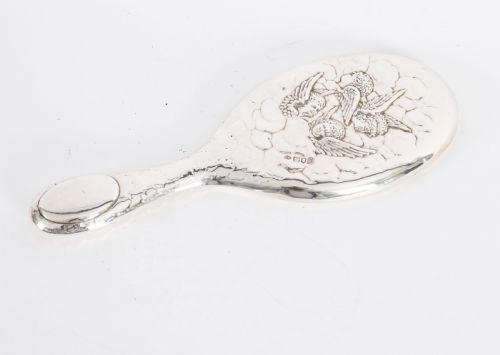


Edwardian Repousse Silver Mirror
These edwardian repousse silver mirror pieces bring unmistakable dressing table elegance, combining chased metalwork with practical glass for daily use.
Edwardian Repousse Silver Mirror
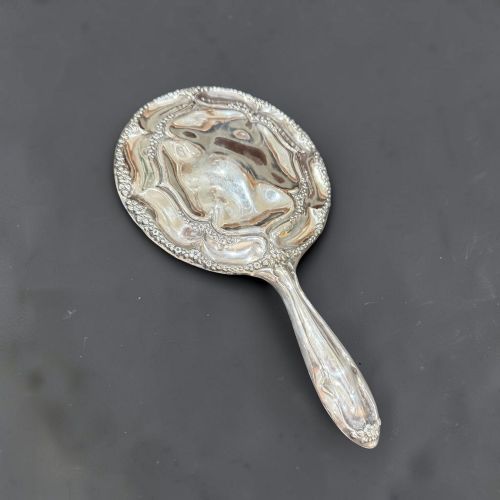
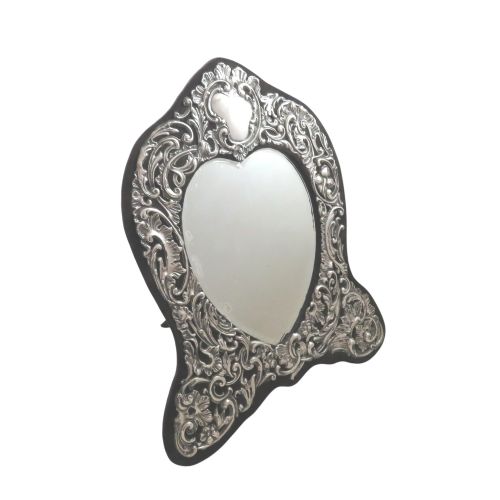
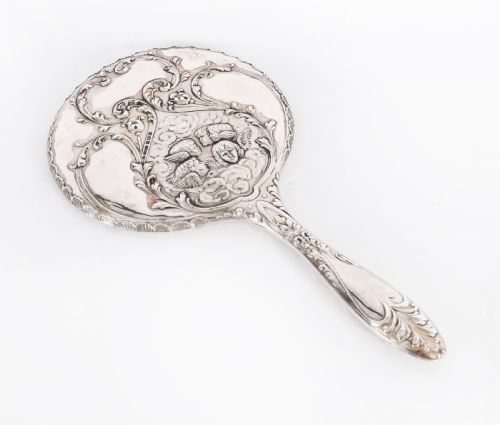
When you search for an edwardian repousse silver mirror, you encounter handheld accessories, dressing table items, and larger tabletop pieces designed for daily grooming. These objects combine reflective glass with ornate metal backs shaped through hammering from the reverse.
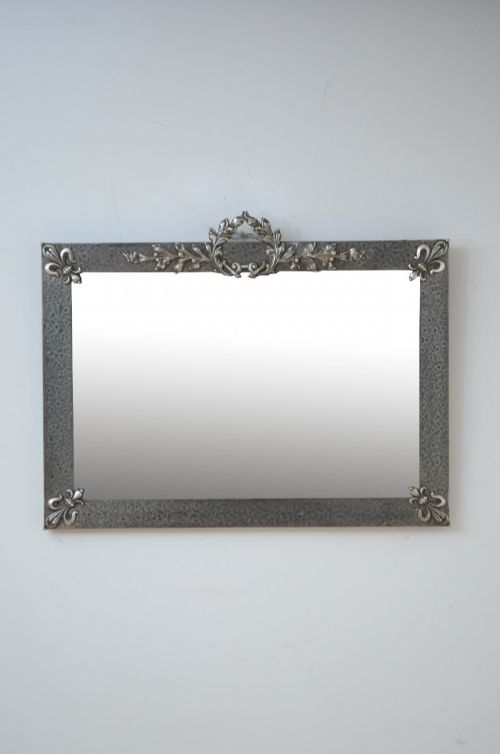
The pieces on this page span the 1900 period alongside Victorian examples, showcasing hand mirrors, vanity mirrors, and wall-hung variants. Sterling silver dominates the selection, occasionally accompanied by silvered copper or pewter alternatives.
Makers utilised embossed and hammered techniques to create floral motifs, cherubs, and stylised seed pods typical of the Arts and Crafts and revival movements. Such items remain sought after for their tactile quality and period charm.
Materials and construction
Artisans formed the characteristic raised decoration by working sheet sterling silver from the reverse side, a technique known as repousse or embossing. This process pushed the metal outward to create three-dimensional floral or figurative designs before final detailing with chasing tools.
The decorated silver plates were then mounted onto supportive wooden or leather backings to provide structural rigidity for everyday handling. Velvet often lined the reverse of table mirrors, whilst bevelled mirror glass was secured within the metal bezel.
Edwardian Repousse Silver Mirror Retail Price Guide 2026
Typical asking prices for edwardian repousse silver mirror among the pieces listed under this phrase on Sellingantiques today, from the lower quarter to the upper quarter. They describe what is for sale here now, not the wider market.
Listings feature sterling silver, silvered copper, and pewter, paired with glass, wood, and velvet across the 1900 and Victorian periods.
Assessing quality and craftsmanship
The depth and crispness of the chased relief define the distinction between standard production and superior craftsmanship. Finer examples retain sharp contours in the floral patterns or cherub faces without flattening from excessive polishing over the decades.
Substance and structural integrity separate robust pieces from lighter alternatives, visible in the gauge of the sterling silver sheet utilised for the frame. Maker marks and clear hallmarks also indicate workshop origin and standard of metal purity.
Charles Boyton·S Blanckensee and Son·William Comyns
The Edwardian Repousse Silver Mirror Glossary
- Repousse
- A metalworking technique where the artisan hammers sheet metal from the reverse side to create a raised design on the front. This method allows for intricate sculptural decoration on flat surfaces.
- Sterling silver
- An alloy consisting of 92.5 percent silver and 7.5 percent other metals, usually copper, chosen for durability. British pieces typically display a lion passant hallmark to confirm this standard.
- Chasing
- The complementary process to repousse, executed from the front side using punches to sink the metal and refine details. It sharpens lines and adds texture to the raised motifs.
- Bevelled glass
- Mirror glass with edges ground and polished to an angled slant, catching the light attractively. This feature often denotes better quality manufacture in period dressing table accessories.
Edwardian Repousse Silver Mirror: Frequently Asked Questions
How do I clean an edwardian repousse silver mirror safely?
Use a soft microfiber cloth and a mild silver polish, taking care to avoid abrasive brushes that can flatten the raised repousse details.
Keep polish away from any exposed wooden or velvet backing materials to prevent staining or moisture damage.
What is the difference between a hand mirror and a vanity mirror?
Hand mirrors feature an integrated handle for personal grooming use, whilst vanity mirrors generally stand independently on a table or dressing surface.
Vanity variants often incorporate an easel back or a weighted frame to support the glass upright.
How can I tell if a mirror is genuinely Edwardian?
Examine the piece for official hallmarks, which often include date letters and assay office symbols corresponding to the early twentieth century.
Stylistic elements such as Arts and Crafts motifs or naturalistic repousse work also help confirm the period of manufacture.
Were these mirrors used daily?
These items were essential accessories on dressing tables in middle and upper-class homes, utilised daily for hair styling and cosmetics.
Despite their decorative embossing, they were built as functional objects rather than purely ornamental display pieces.