
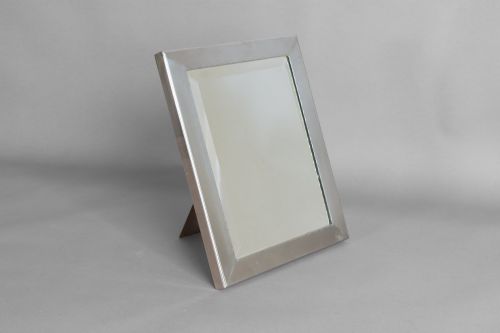


Vintage Silver Plate Mirror
These vintage silver plate mirror examples bring reflective depth and period character to dressing tables and walls alike.
Vintage Silver Plate Mirror
When you search for a vintage silver plate mirror, you encounter a diverse selection of dressing table accessories, easel backs, vanity pieces, and wall-hanging designs. These objects serve practical daily grooming functions while offering decorative appeal through polished metal and reflective glass surfaces.
The pieces on this page span several decades and stylistic movements, from Edwardian elegance and Victorian curves to geometric Art Deco creations. You are most likely to meet vanity mirrors, dressing table mirrors, and wall mirrors shaped by periods ranging from the late nineteenth century through to the mid twentieth century.
Beyond standard wall and dressing table formats, the selection includes related silver plated items such as cake stands, mirror plateaus, and compacts. These variations showcase how silversmiths applied reflective glass and silver plating to diverse domestic objects.
How they were made
Makers constructed these items using a base metal or wood substrate coated in silver plate, paired with glass mirror plates. Some examples incorporate additional decorative elements such as blue enamel, suede linings, or brass framing.
Craftsmen applied techniques including bevelising glass, etching patterns onto the surface, and mounting plates into easel backs or wooden frames. Detail work often involved cast metal figures or decorative borders reflecting prevailing aesthetic movements.
Listings feature silver plate and glass across periods from the Victorian era through the nineteen fifties.
What varies in quality
Quality in a vintage silver plate mirror rests upon the crispness of the metalwork, the weight of the frame, and the preservation of the silver layer. Pieces with substantial metal construction and intact plating demonstrate superior original manufacture.
The condition of the glass plate also determines quality, whether through clear bevelled edges or age-appropriate foxing that adds character. Maker attribution and unusual stylistic forms, such as figural supports or specific regional motifs, elevate certain examples above standard domestic wares.
WMF·Evans·Elkington
The Vintage Silver Plate Mirror Glossary
- Silver Plate
- A base metal coated with a thin layer of silver through electroplating or older methods. This technique allowed manufacturers to produce decorative items at a lower cost than solid silver.
- Easel Back
- A hinged strut attached to the rear of a table mirror allowing it to stand upright on a surface. This support structure is typical of vanity and dressing table pieces.
- Foxing
- Age-related spots and brownish discolouration within the silver backing of a mirror plate. Collectors often view this natural oxidation as a sign of authenticity and age.
- Mirror Plateau
- A table centrepiece featuring a mirrored glass surface set within a silver plated or metal rim. These trays traditionally displayed ornaments or dining table items.
- Art Deco
- A design style popular in the nineteen twenties and thirties characterised by geometric shapes, stylised motifs, and streamlined forms. Pieces from this era frequently utilise metal and enamelling.
Vintage Silver Plate Mirror: Frequently Asked Questions
How do I clean a vintage silver plate mirror?
Use a soft cloth and a gentle metal cleaner specifically formulated for silver plate to maintain the finish without removing the coating. Avoid harsh abrasives that might scratch the surrounding metal or damage any enamel work.
Keep moisture away from the edges of the glass plate to prevent further foxing or deterioration of the backing. Regular dusting with a dry microfiber cloth is generally sufficient for daily maintenance.
What is the difference between a vanity mirror and a dressing table mirror?
Vanity mirrors and dressing table mirrors both serve personal grooming purposes in bedrooms or boudoirs. Dressing table versions often feature triptych panels or fixed stands designed for permanent placement on a piece of furniture.
Vanity mirrors can include handheld options, compacts, or smaller easel designs intended for close-up use. Both types utilise silver plate frames and glass mirror plates across Edwardian and Art Deco styles.
How can I tell an Edwardian mirror from an Art Deco one?
Edwardian mirrors typically display softer, more ornate curves inspired by historical revivals and floral motifs. They often incorporate traditional dressing table stands with refined wooden or silver plated frames.
Art Deco mirrors rely on geometric lines, stepped angles, and stylised ornamentation popular in the nineteen twenties and thirties. Materials in Deco pieces can include coloured enamel or contrasting metal finishes.
Where should I place a mirror plateau in my home?
A mirror plateau serves as a reflective surface traditionally used on dining tables or sideboards to display glassware, candles, or decorative objects. Their silver plated rims and glass bases bounce light around the room.
You can utilise them on a sideboard or coffee table as a decorative tray for smaller items. Ensure the supporting surface is level to protect the glass plate from stress.
What causes foxing on old mirror glass?
Foxing occurs when moisture penetrates the protective backing of the mirror plate, causing the silver coating to oxidise over time. This chemical reaction creates characteristic dark spots and cloudy patches within the glass.
Many collectors appreciate foxing as a natural indicator of age and authenticity on pieces dating from the Victorian and Edwardian periods. It distinguishes antique glass from modern reproductions.