




Edwardian Regulator Clock
An Edwardian regulator clock is a precise timekeeper combining period timber and glass cases with exact movements, prized for accuracy and presence.
Edwardian Regulator Clock
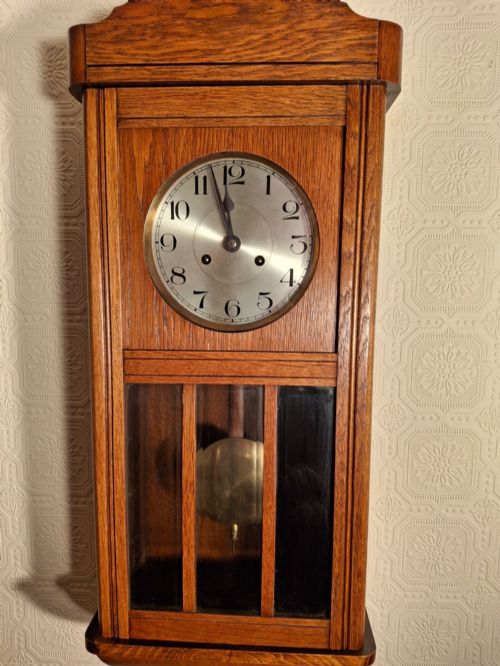
When you search for an edwardian regulator clock, you encounter timepieces spanning mantel, wall, and longcase formats in various woods and metals. These instruments originate from periods including the Edwardian era, 1900, and the 19th Century, showcasing styles such as Arts and Crafts, Victorian, and French Belle Epoque. The pieces reflect a tradition of accurate timekeeping housed in architectural cabinetry designed for domestic and public spaces.
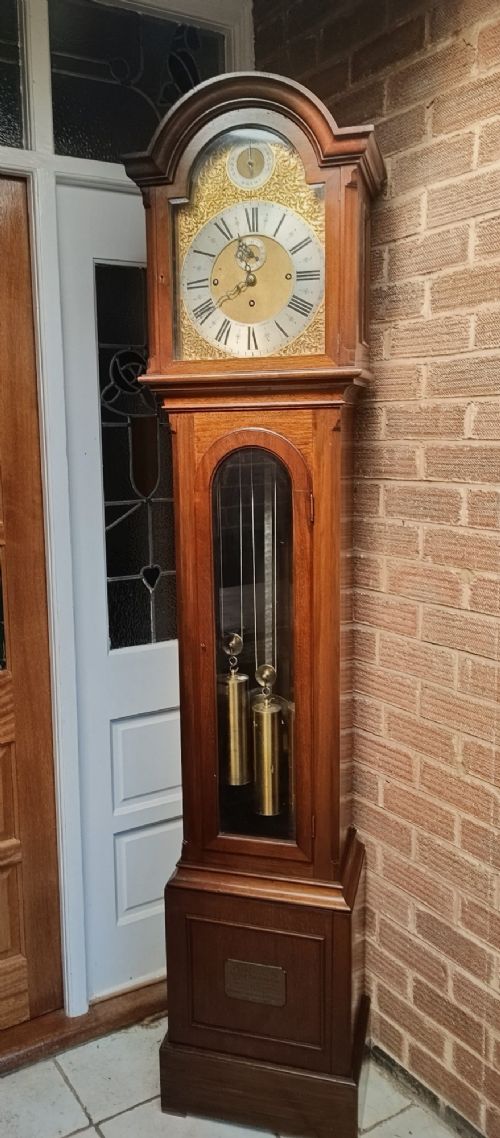
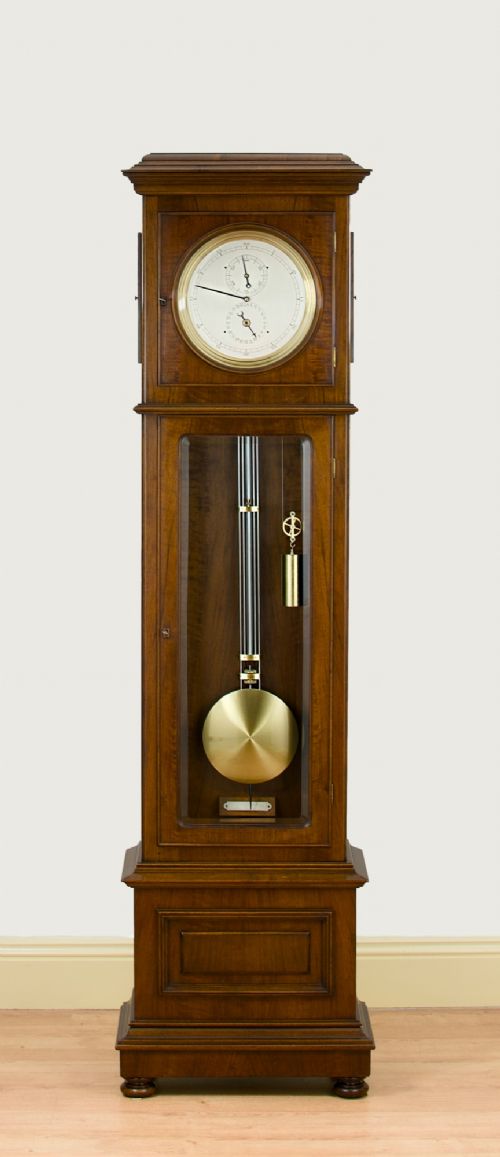
On this page, you are most likely to meet examples housed in mahogany or oak cases, alongside glass and brass enclosures. The selection ranges from wall-mounted units to substantial longcase grandfather clocks and mantel pieces. Makers and workshops from different European traditions contribute to the variety of dial designs and chime configurations available.
How they were made
Cabinetmakers utilised hardwoods such as mahogany, oak, and walnut to construct the architectural housings for these movements. These timbers were selected for stability and finish, often polished to highlight the natural grain of the wood. Brass and gilt brass components formed the bezels, dials, and internal gear trains, ensuring durable mechanical interaction.
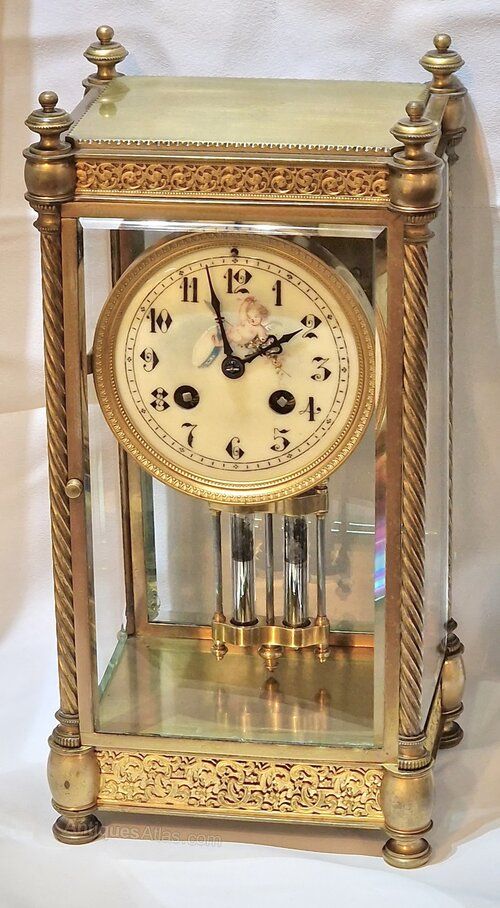
Glazing played a structural role, particularly in multi-glass mantel and wall models that allowed visibility of the pendulum and escapement. Enamel dials, sometimes decorated with hand-painted details or mounted with cherub motifs, provided clear numerical readings. Precision engineering governed the movement construction, allowing longcase and regulator mechanisms to maintain steady time.
Listings for this phrase include examples in mahogany, oak, and walnut, spanning periods from the mid-nineteenth century through the Edwardian era.
What varies in quality
The sophistication of the internal movement separates standard domestic timepieces from precision instruments. Clocks featuring specialised escapements or musical chiming sequences, such as multiple bell systems, represent a higher tier of horological execution. The complexity of the gear train and the reputation of the maker heavily influence the standing of an individual piece.
Cabinetry execution and material selection also define the grade of the clock. Finely figured mahogany or walnut veneers, substantial cast brass mounts, and undamaged enamel or painted dials distinguish superior examples. The integration of the glass panels and the overall proportions of the case reflect the care taken during initial construction.
Elliott·Lenzkirch·Samuel Marti et Cie
The Edwardian Regulator Clock Glossary
- Regulator
- A precision pendulum clock designed to keep exceptionally accurate time, often serving as a standard against which other clocks were set. These movements typically feature a heavy gridiron or compensated pendulum.
- Escapement
- The mechanical linkage that translates the rotatory force of the gear train into impulses to keep the pendulum swinging. It is central to the accuracy of any precision timekeeper.
- Crystal regulator
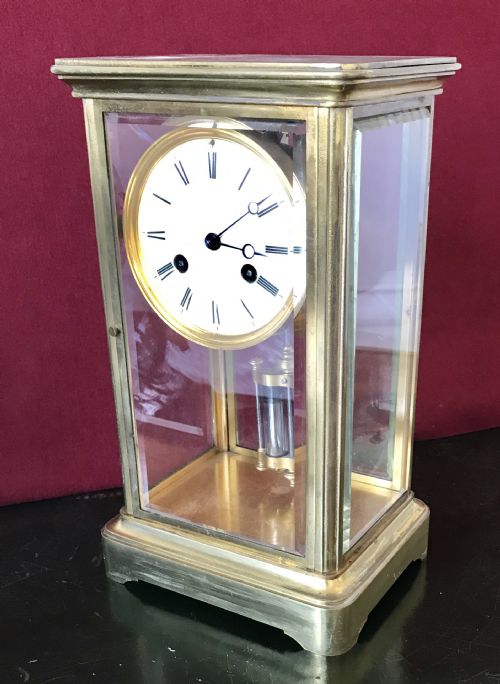
- A mantel clock enclosed in glass panels on all sides, revealing the mechanical movement within. These styles frequently incorporate brass framing and enamel dials.
- Drop dial
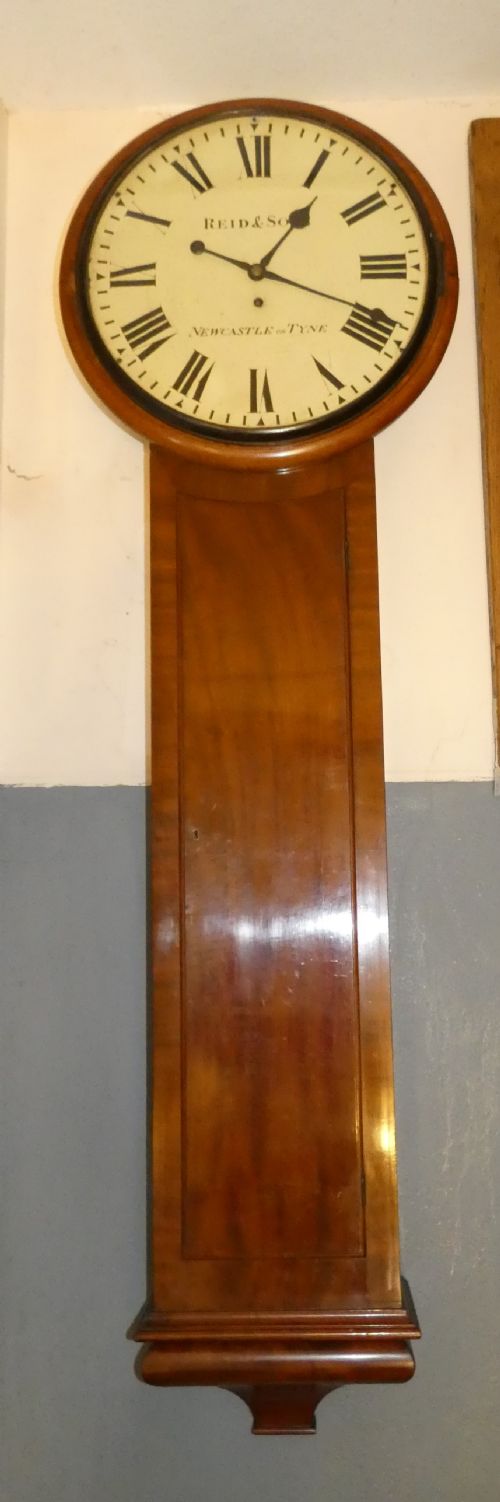
- A wall clock featuring a circular dial face above a short, often glazed trunk that drops down to house the pendulum. This form was common in public and domestic settings during the nineteenth century.
- Longcase clock
- A tall pendulum clock housed in a wooden case consisting of a hood, trunk, and base, commonly referred to as a grandfather clock. These instruments often incorporate musical chimes or extended power reserves.
Edwardian Regulator Clock: Frequently Asked Questions
How do I maintain my regulator clock?
Keep the clock in a stable location away from direct sunlight, drafts, and major temperature fluctuations that can affect wood and metal expansion. Regular professional servicing ensures the mechanical gear trains remain clean and properly lubricated.
Wind the clock with care according to its specific movement type, avoiding overwinding the springs or weights. Ensure the case is levelled properly upon installation to maintain an even beat from the pendulum.
Where should I place a longcase clock?
Position your longcase clock against a sturdy interior wall where it will not experience vibrations from heavy foot traffic or closing doors. A stable, load-bearing floor is essential to keep the tall wooden case upright and the pendulum swinging truly.
Avoid placing tall clocks in damp areas such as unheated hallways or near exterior doors. Maintaining a consistent indoor environment preserves both the timber case and the brass movement.
What is a crystal regulator clock?
A crystal regulator is a mantel clock featuring glass panels on multiple sides, allowing an unobstructed view of the escapement and pendulum. These pieces typically utilise brass or gilt brass frames and feature detailed enamel dials.
Originating largely from French workshops during the nineteenth and early twentieth centuries, these clocks emphasise transparency and mechanical display. They suit tabletop or mantel placement in rooms with good natural light.
How do I identify the period of a clock?
Examine the timber species, construction methods, and stylistic motifs present in the case and dial. Edwardian and Victorian pieces often display distinct decorative treatments, from golden oak Arts and Crafts forms to elaborate French Belle Epoque brasswork.
Maker signatures on the dial or movement backplate provide definitive historical markers. Comparing the style of the numerals, hands, and bevelled glass helps narrow down the production era.