



Edwardian Railway Clock
These edwardian railway clock examples are utilitarian timekeepers built for punctuality, offering robust mechanics and clear dials that anchor a room with industrial history.
Edwardian Railway Clock
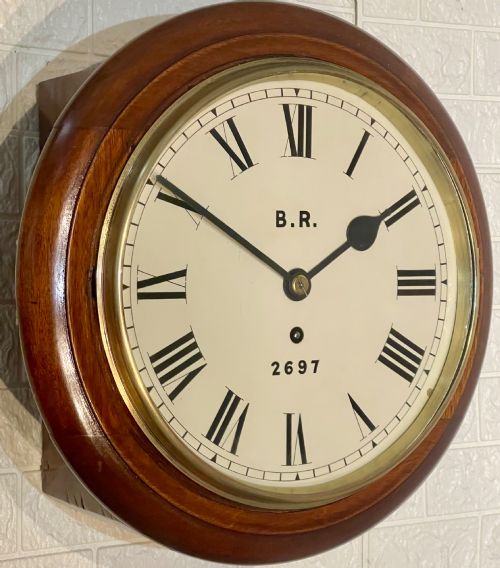
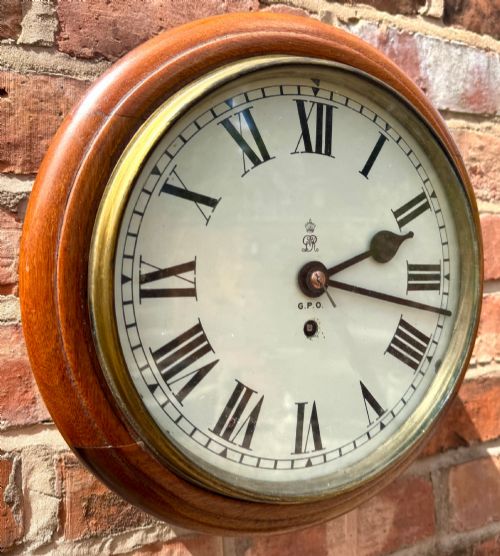
An edwardian railway clock is a heavy-duty wall timekeeper designed for platforms, offices, and station masters, engineered for absolute legibility. Most pieces found here date from the Edwardian era and surrounding decades, reflecting a period of intense railway expansion.
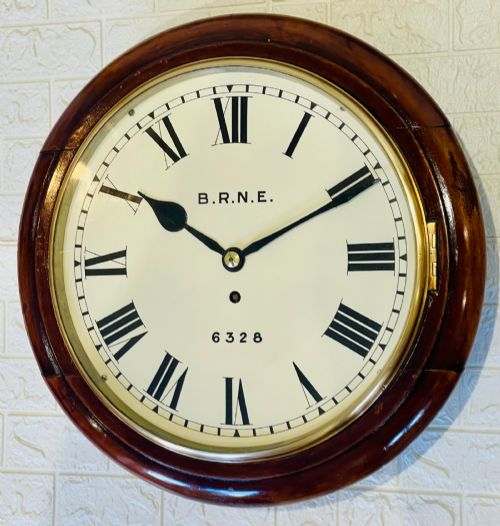
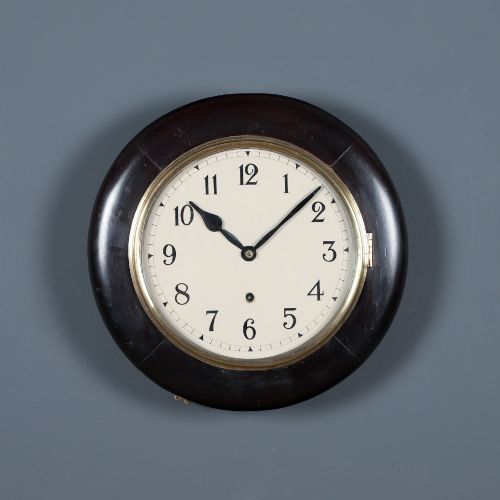
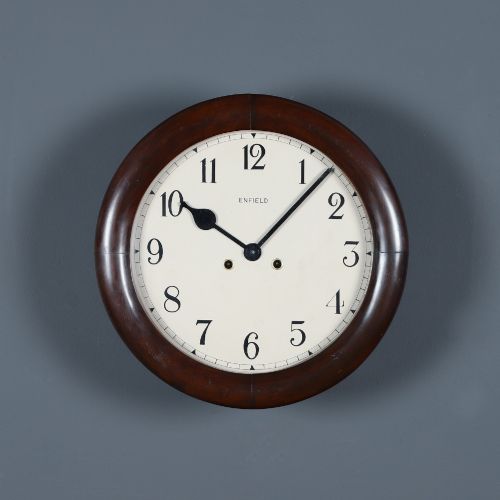
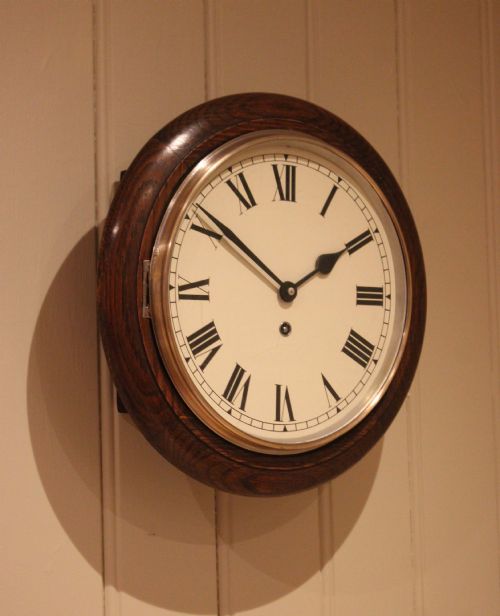
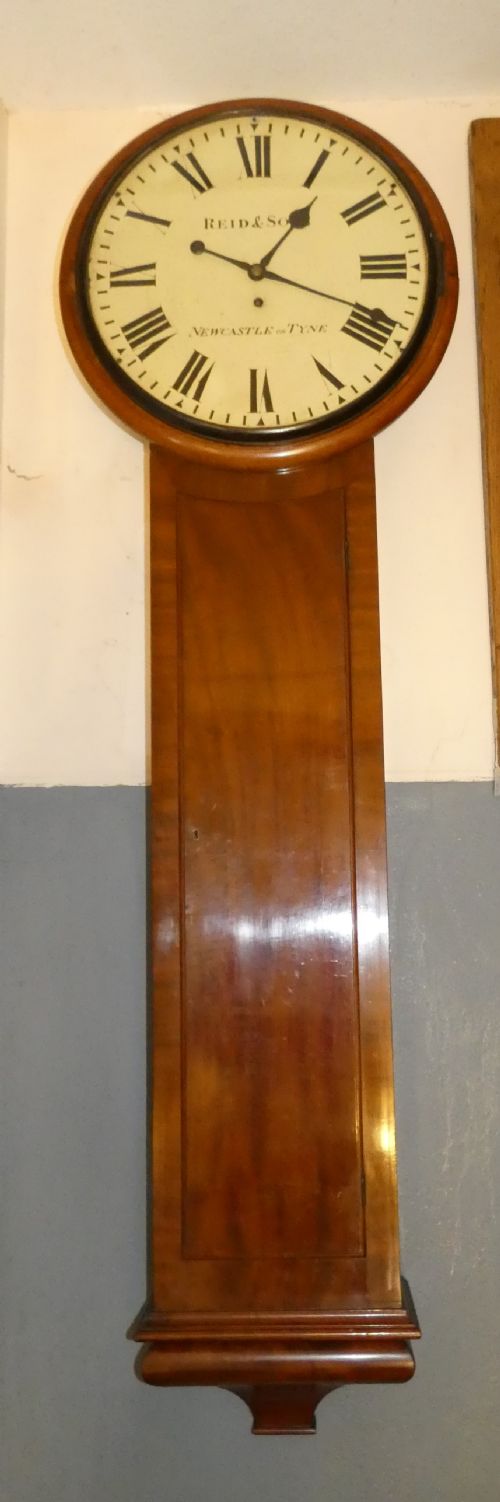
Forms are dominated by round wall clocks with prominent wooden surrounds, housing clear white or convex dials protected by glass. You will encounter variants marked with regional railway company initials such as N.E.R, LMS, and L.N.E.R, tying individual clocks to specific historic transport networks.
The materials reflect practical municipal requirements, pairing sturdy timber cases with reliable mechanical movements. While some pieces carry specific nineteenth-century roots, the prevailing styles bridge Victorian utility and twentieth-century industrial transport design.
How They Were Made
Makers housed these movements in sturdy timber frames turned from mahogany, oak, beech, or birch. These woods were chosen to withstand the vibrations of bustling stations and busy offices without warping or compromising the gear train.
The mechanical heart relies on fusee movements, which use a conical pulley to maintain even tension on the chain as the mainspring unwinds. This complex mechanism ensured the precision required for timetables before the arrival of quartz accuracy.
Protection came from heavy glass covers set into brass bezels, shielding the painted paper or metal dials from dust, smoke, and moisture. Cases often featured side or bottom doors secured with locks to allow easy access for winding and regulation.
Listings span multiple decades from the Victorian era through the Edwardian period into the early twentieth century, utilising mahogany, oak, beech, brass, and iron.
What Varies in Quality
The distinction between standard office timepieces and top-tier railway clocks lies in the provenance and the complexity of the movement. Examples bearing authentic, traceable company stampings or maker signatures command deeper interest than generic school or office wall clocks.
Case construction separates ordinary production from superior workshop output, particularly in the selection of timber and the quality of the brass bezel hinges. Solid mahogany and finely turned bezels demonstrate a higher grade of craftsmanship than simpler utility beech cases.
John Walker·Camerer Cuss And Co·Anglo Swiss Watch Co
The Edwardian Railway Clock Glossary
- Fusee
- A conical pulley connected to the mainspring by a chain or cord, designed to equalise the torque as the spring unwinds. This mechanism is central to achieving high accuracy in antique wall clocks.
- Dial
- The face of the clock where the hours and minutes are displayed, typically featuring bold Arabic or Roman numerals for distant legibility. On railway pieces, these are often protected by heavy glass within a brass bezel.
- Bezel
- The metal ring that holds the glass door in place over the dial. On these clocks, brass bezels are commonly hinged to allow straightforward access for winding and hand-setting.
- Regulator
- A high-precision clock designed for exact timekeeping and often used as a standard against which other clocks were set. They feature specialised movements built for minimal friction and maximum accuracy.
Edwardian Railway Clock: Frequently Asked Questions
How do I wind a fusee railway clock?
You insert the winding key into the dial aperture and turn it gently clockwise until you feel firm resistance from the mainspring. Care must be taken not to overwind the mechanism, as this can strain the chain and fusee.
Most single chain fusee movements require winding once a week to maintain consistent tension and accurate timekeeping. Keeping to a regular winding schedule helps preserve the longevity of the vintage brass gears.
Where were these clocks originally hung?
Railway clocks were mounted high on station walls, ticket offices, and platform shelters where both passengers and staff could consult them instantly. They also served in administrative railway boardrooms and telegraph offices.
At home, their bold proportions and clear dials make them striking focal points in kitchens, hallways, or studies. Their robust industrial aesthetic suits both period properties and contemporary spaces.
How can I tell a railway clock from a school clock?
Authentic railway pieces often feature company lettering or cipher stamps on the dial, movement, or wooden case, linking them to specific historic routes. School and office clocks shared similar case designs but generally lacked these transport authority markings.
Inspect the back of the wooden case for stamped inventory numbers or depot markings left by railway workshops. These service records offer reliable clues to an operational transport background.
What maintenance do these mechanical wall clocks need?
Periodic professional servicing is essential to clean accumulated dust from the brass gear trains and renew the lubricating oils. A clean movement runs with less friction and prevents excessive wear on the pivots.
Between services, keep the clock away from damp walls, direct sunlight, and sources of excessive heat that could warp the timber case. Hanging the clock securely on a solid wall ensures the pendulum beats evenly.