

Edwardian Pocket Watch Fob
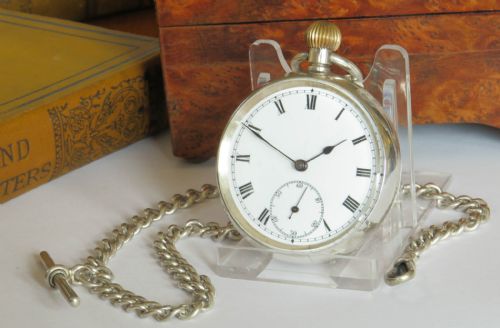
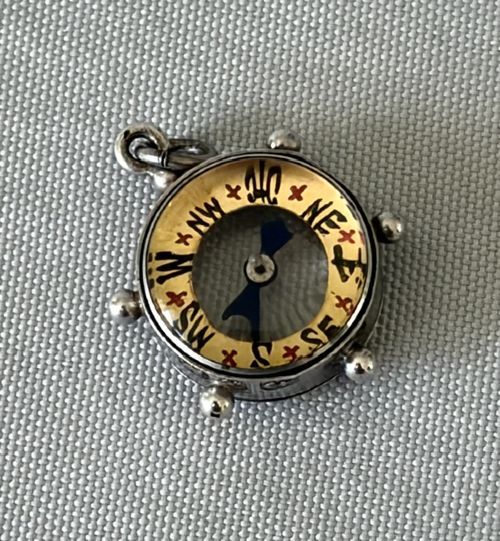
An Edwardian pocket watch fob is a decorative pendant suspended from a watch chain, offering a distinct glimpse into early twentieth-century gentleman's accessories.
Edwardian Pocket Watch Fob
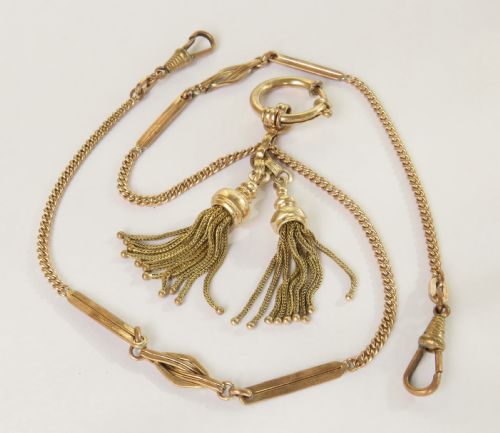
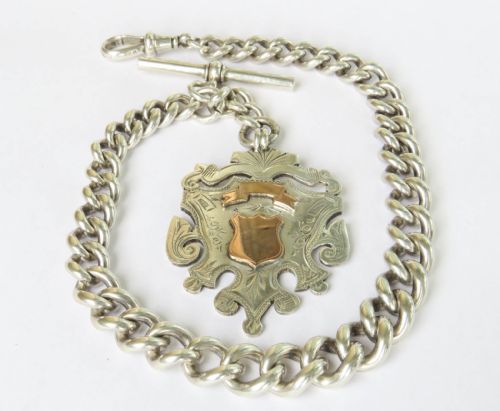
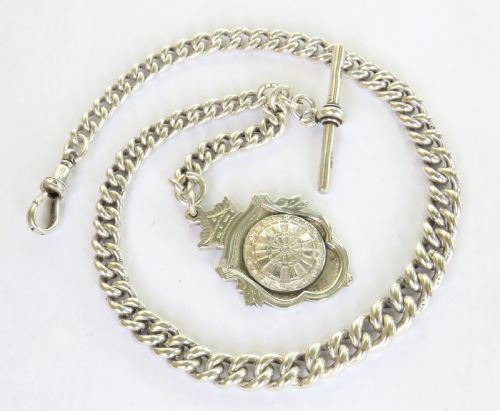
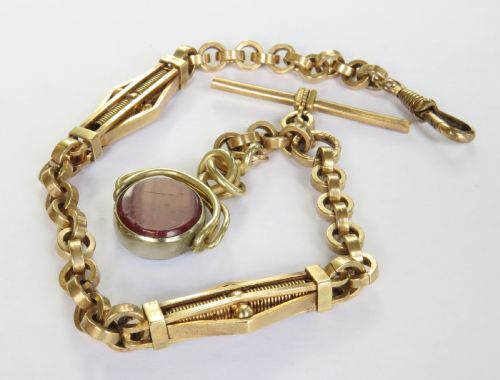
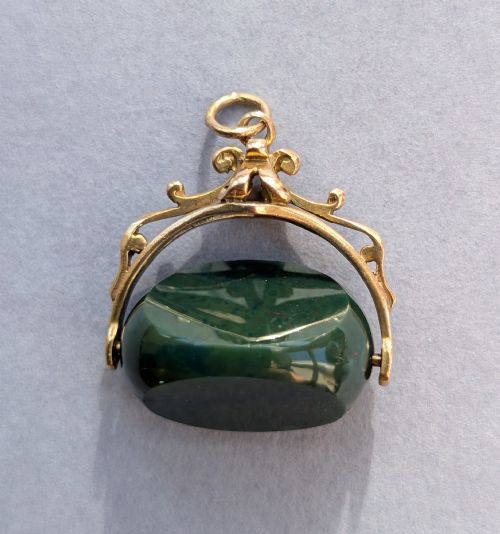
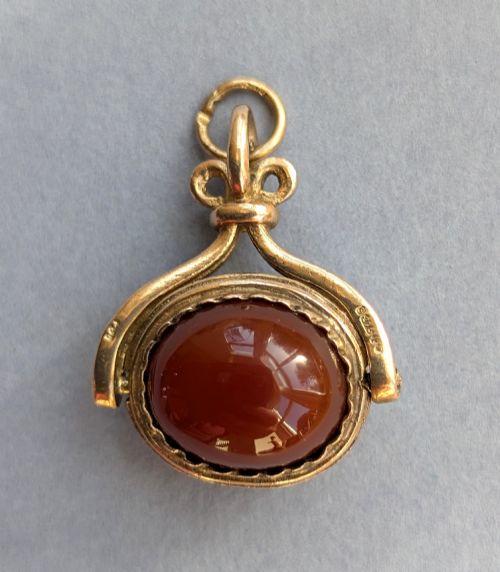
An edwardian pocket watch fob forms part of the traditional paraphernalia attached to waistcoats and watch chains during the early decades of the twentieth century. These pieces encompass various pendant designs, including spinning fobs, seals, and commemorative pieces issued by societies such as the Oddfellows.
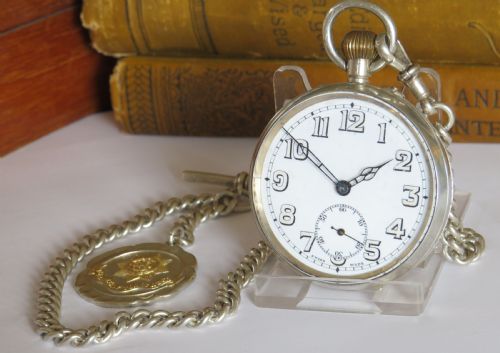
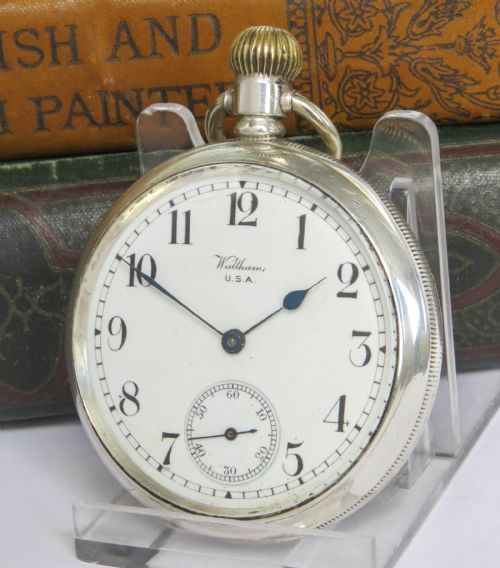
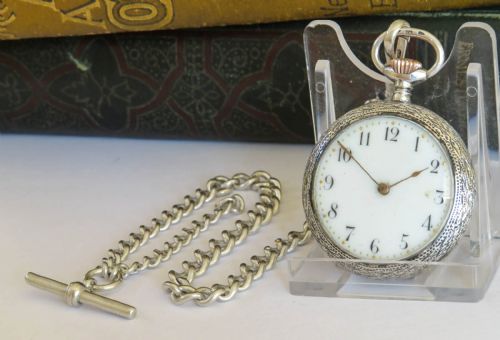
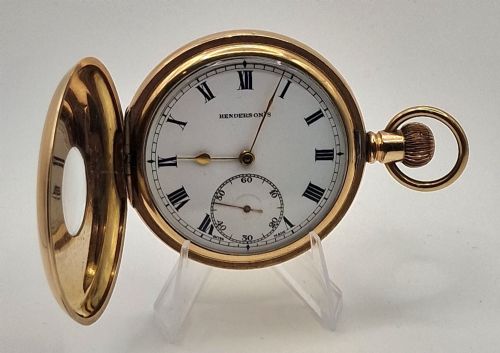
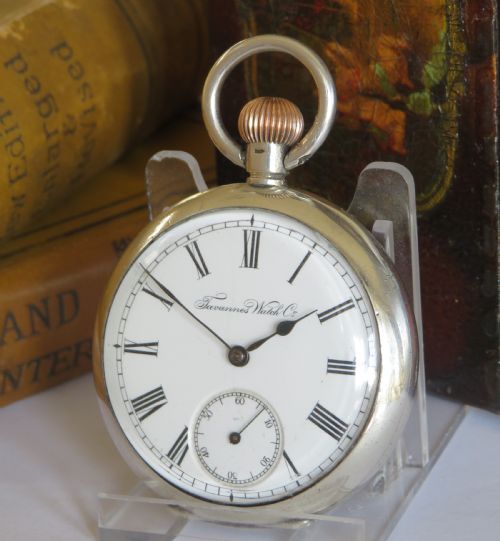
The selections encountered here frequently connect directly to sterling silver or gold albert chains, often accompanying pocket watches ranging from full hunters to half hunters. Originating predominantly from the Edwardian period alongside adjacent eras like the Victorian and Art Deco years, these items reflect the diverse manufacturing output of British assay offices and international watchmakers alike.
How They Were Made
Makers utilised durable precious metals such as sterling silver, 9ct and 18ct rose or yellow gold, alongside rolled gold, brass, and steel for structural components. Intricate links, bar attachments, and mountings were formed through careful metalworking techniques, incorporating trombone or curb links for associated chains.
Decorative elements frequently relied on coloured enamel work, glass inserts, and carved intaglios depicting motifs like hay making. Hallmarks stamped into the metal surface provide precise indicators of origin and assay standards from cities including Birmingham and Chester.
Listings demonstrate materials spanning sterling silver, 9ct gold, enamel, glass, brass, and rolled gold across the Edwardian, Victorian, and Art Deco periods.
What Varies in Quality
The standard of an edwardian pocket watch fob rests primarily upon the weight and purity of the metal employed, distinguishing solid sterling silver and heavy gold specimens from gold-plated or brass alternatives. Superior craftsmanship shows in the crispness of engraving, the stability of rotating spinning fobs, and the intact preservation of coloured enamel or glass details.
Maker attribution and legible hallmarks significantly influence the distinction between standard utilitarian items and superior pieces bearing recognised stamps. The preservation of original matching chains and structural integrity further separates ordinary examples from finer survivals.
Hamilton and Inches·Hinds London·Aaron Lufkin Dennison·Limit Revue·Tavannes·Elgin·Waltham·Acme Lever·H Samuel·Urania·Hebdomas Patent
The Edwardian Pocket Watch Fob Glossary
- Albert Chain
- A watch chain designed to secure a pocket watch to a waistcoat, named after Prince Albert. These chains often feature a T-bar at one end and a drop for a fob.
- Fob
- A small ornament or seal attached to a ribbon or chain connected to a pocket watch. They served both decorative purposes and practical functions such as sealing wax.
- Half Hunter
- A pocket watch featuring a case with a glass or open centre in the front cover, allowing the wearer to view the hands without opening the case.
- Sovereign Case
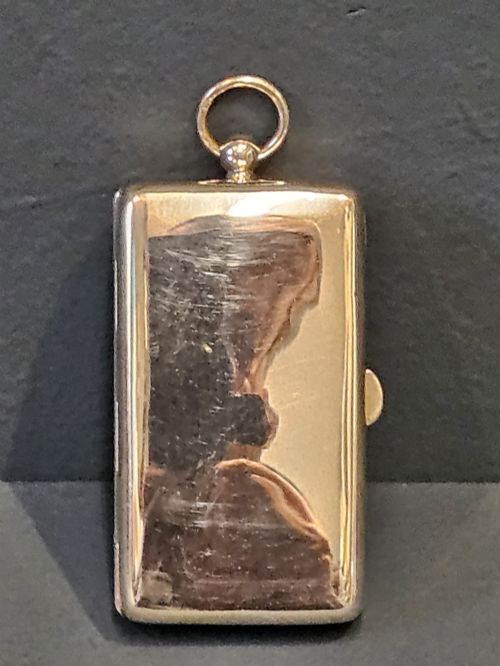
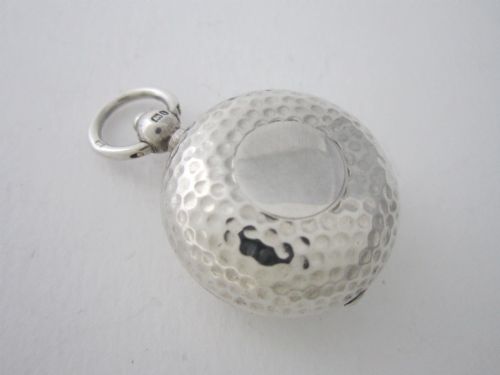
- A small metallic container designed to hold gold sovereign coins safely in a pocket. They frequently accompany watch chains and fobs from the period.
- T-Bar
- A small transverse bar of metal attached to the end of a watch chain. It passes through a waistcoat buttonhole to anchor the chain securely.
Edwardian Pocket Watch Fob: Frequently Asked Questions
What is an edwardian pocket watch fob?
An edwardian pocket watch fob is a decorative pendant attached to a watch chain, typically worn across a waistcoat during the early twentieth century.
These pieces range from spinning metal designs and intaglios to commemorative society badges and seals.
How were they worn originally?
They were suspended from an albert chain anchored by a T-bar passed through a waistcoat buttonhole.
The watch itself rested in one pocket while the fob hung visibly on the outside of the garment.
What is a spinning fob?
A spinning fob is a type of pendant mounted on a swivel axis so the central stone or engraved plate can rotate freely.
They frequently feature different stones or contrasting engraved designs on each side.