

Edwardian Pierced Silver Dish
An edwardian pierced silver dish brings intricate metalwork and refined elegance to a table, offering a decorative vessel suited for serving sweets or displaying fruit.
Edwardian Pierced Silver Dish
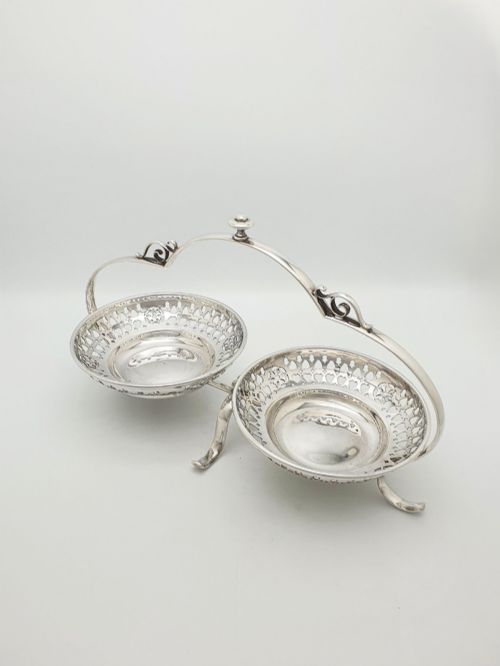
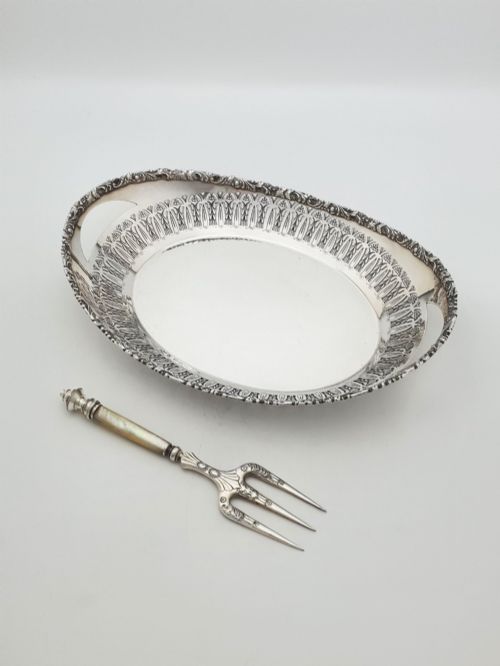
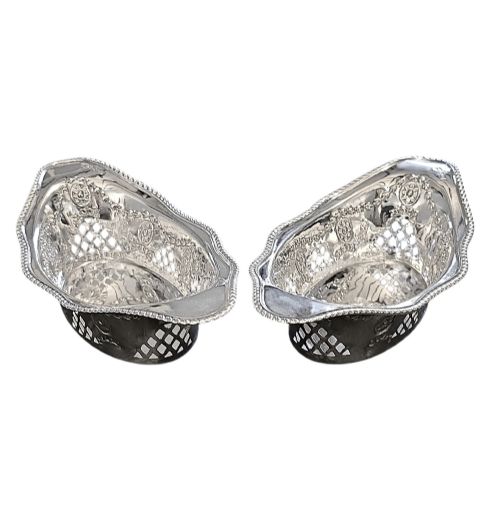
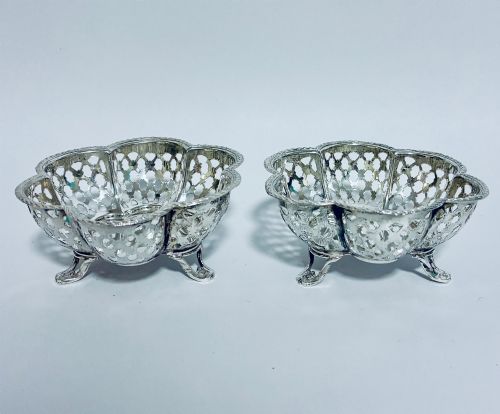
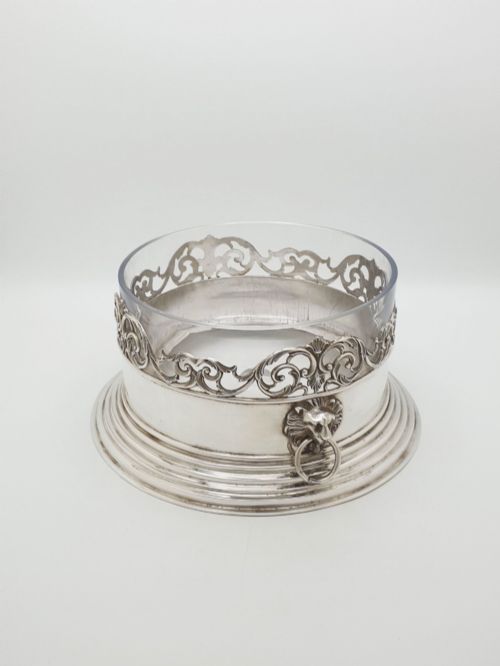
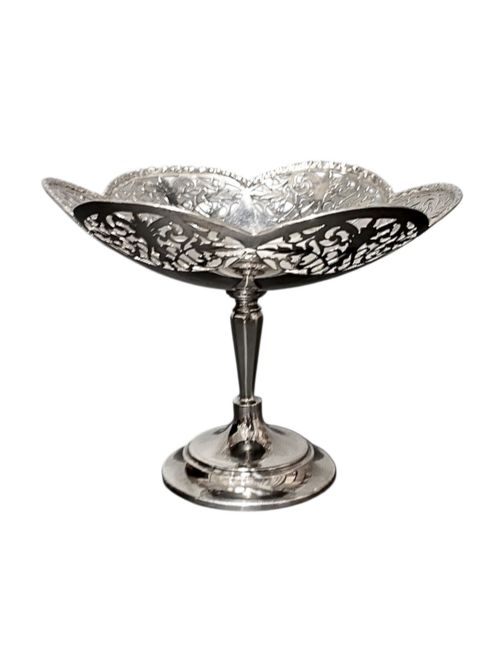
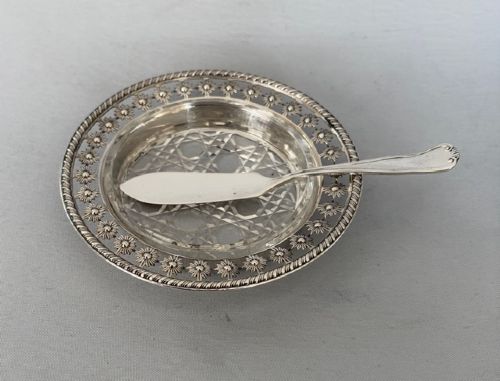
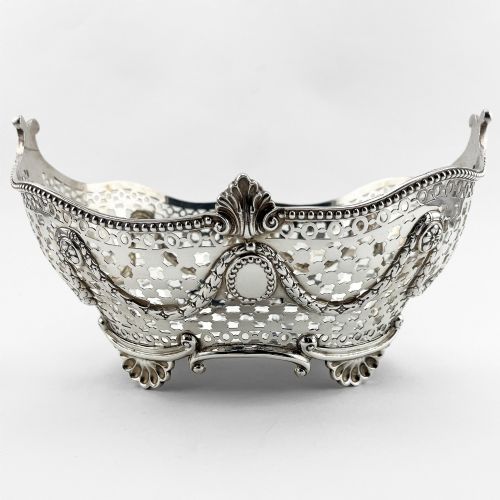
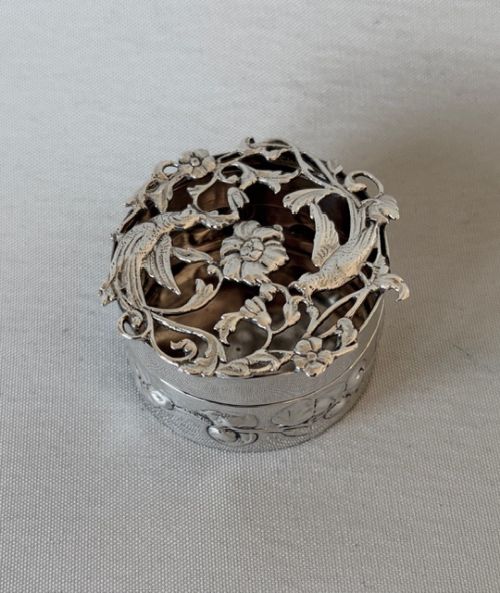
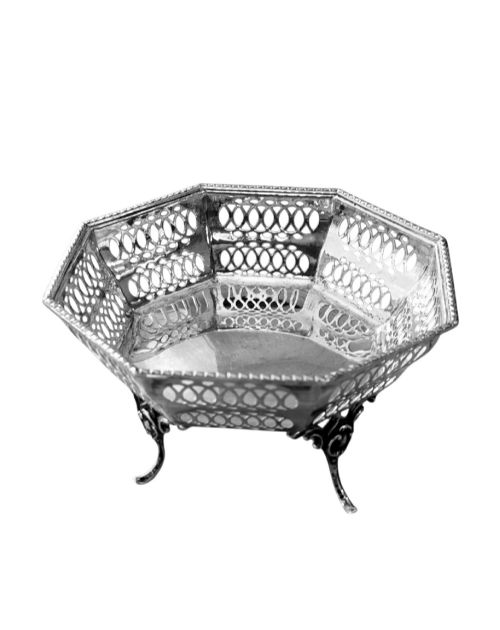
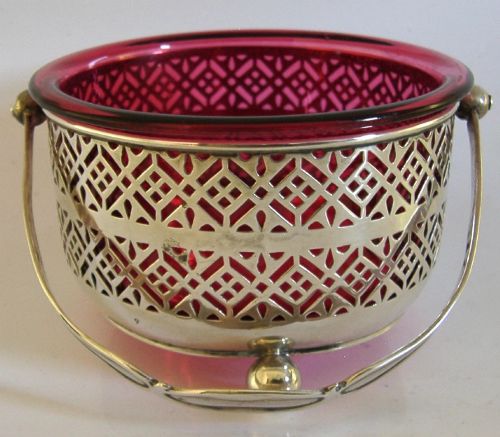
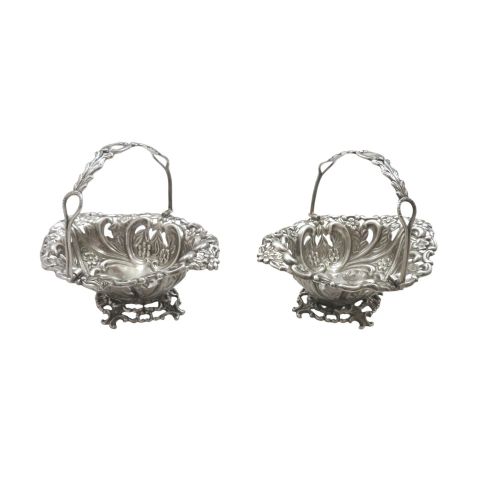
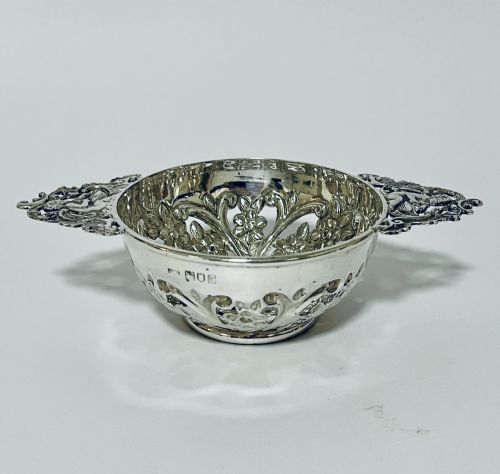
When you search for an edwardian pierced silver dish, you encounter openwork vessels primarily originating from the Edwardian era alongside pieces spanning the Victorian to George V periods and stretching into the mid twentieth century. These items manifest in forms such as bonbon dishes, swing-handled baskets, tazzas, butter dishes with glass liners, and larger centrepieces.
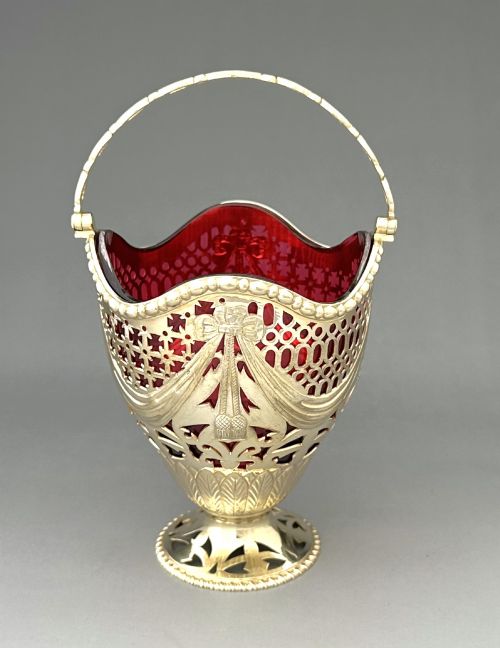
Makers shaped these openwork objects in boat, round, and pedestal shapes, often incorporating Neo-Classical Revival or Rococo Revival motifs. On this page, you are most likely to meet sterling silver or silver-plated baskets and bowls featuring pierced decoration, occasionally combined with cranberry, cobalt blue, or clear cut glass liners.
Materials and Technique
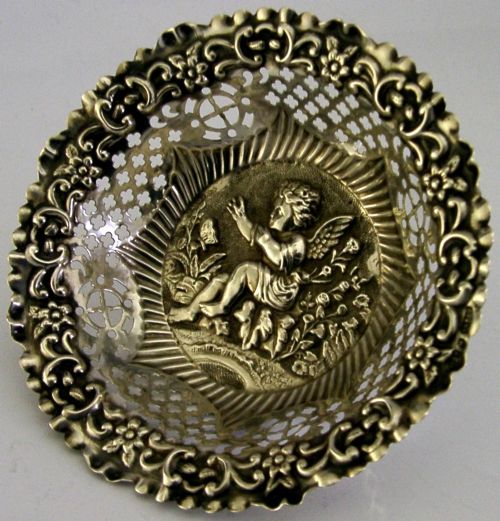
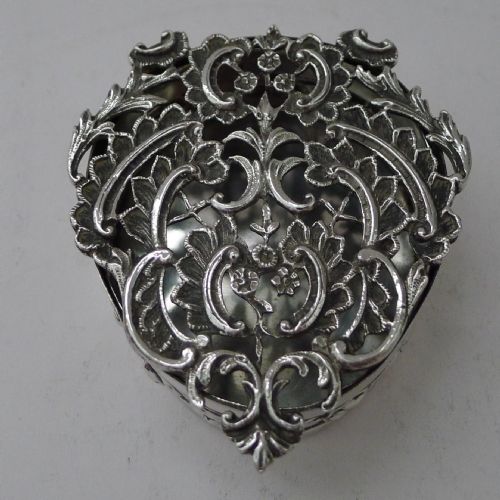
Silversmiths utilised sterling silver or silver plate as the primary metal, employing piercing techniques to cut decorative lattices, scrolls, and geometric patterns directly into the body of the dish. This openwork reduction of the metal required careful control to maintain structural integrity while achieving lightness.
Many examples integrate contrasting materials, pairing the pierced metal framework with coloured glass liners in cranberry or cobalt blue, or fitting the dish with swing handles and cast details such as lion masks or cherubs.
Edwardian Pierced Silver Dish Retail Price Guide 2026
Typical asking prices for edwardian pierced silver dish among the pieces listed under this phrase on Sellingantiques today, from the lower quarter to the upper quarter. They describe what is for sale here now, not the wider market.
Materials recorded across the inventory include sterling silver, silver plate, silver-gilt, and coloured glass.
Assessing the Workmanship
Quality in an edwardian pierced silver dish rests upon the crispness of the pierced metalwork and the gauge of the silver. Finer pieces demonstrate precise, clean piercing without distortion to the surrounding metal walls.
The integration of secondary elements, such as fitted glass liners or cast handles, distinguishes standard production from more ambitious workshop output. Maker marks and clear hallmarks further anchor the provenance and standard of the metal.
Henry Matthews·William Comyns·Synyer and Beddoes·Elkington·Thomas Bradbury·James Dixon and Sons
The Edwardian Pierced Silver Dish Glossary
- Piercing
- The technique of cutting decorative patterns through sheet metal. This method creates lightweight, openwork designs common in baskets and bowls.
- Bonbon dish
- A small vessel designed for holding sweets or small confectionery. These items often stand on small feet or a pedestal base.
- Silver-gilt
- Silver that has been coated with a thin layer of gold on its surface. This treatment provides a warm interior colour within openwork baskets.
- Swing handle
- A movable handle attached to the sides of a basket or dish by pivots. This feature allows the handle to fold down flat against the rim.
- Hallmark
- An official stamp applied to precious metals indicating the standard of purity, the assay office, and the date letter. British pieces frequently display these marks on the rim or base.
Edwardian Pierced Silver Dish: Frequently Asked Questions
What were pierced silver dishes used for?
These vessels served functional roles on dining and drawing room tables, holding sweetmeats, bonbons, fruit, or small cakes during social gatherings.
Over time, their decorative openwork also suited them for display as centrepieces or potpourri containers within domestic interiors.
How do I clean an edwardian pierced silver dish?
Cleaning requires a soft cloth and a gentle silver polish formulated to lift tarnish without abrasive action. Care must be taken around delicate pierced edges and fitted glass liners to prevent damage.
Applying polish sparingly prevents residue from lodging within the intricate openwork patterns of the metal.
How can I tell the period of a silver dish?
Examining the hallmarks stamped on the metal provides the most reliable guide to a piece's date and origin. British silver typically carries assay office symbols and date letters that pinpoint the exact year of manufacture.
Stylistic cues, such as Neo-Classical Revival swags or Art Deco geometry, offer additional context regarding the era of production.
Can I use these antique dishes for serving food?
Solid silver and silver-plated vessels with glass liners remain suitable for serving dry foods, bonbons, or fruit at the table. Regular use requires prompt cleaning after contact with acidic foods to protect the metal surface.
Pieces paired with glass liners allow for safe serving of items that might otherwise stain or interact with older silver.