


Edwardian Perfume Flask
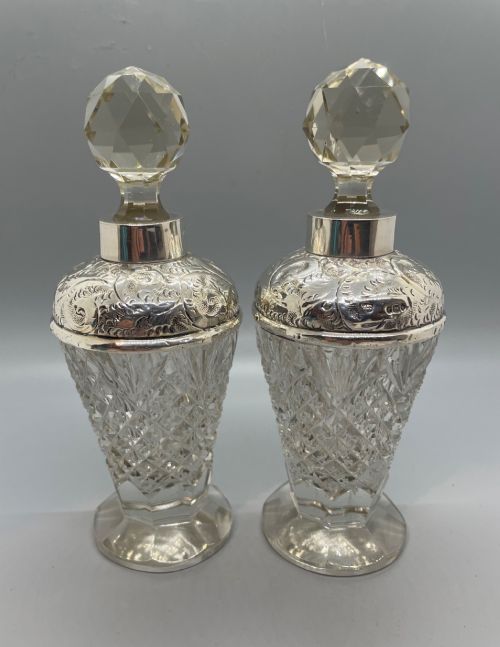
An edwardian perfume flask combines the delicate craft of cut glass and sterling silver mountings to hold personal scent.
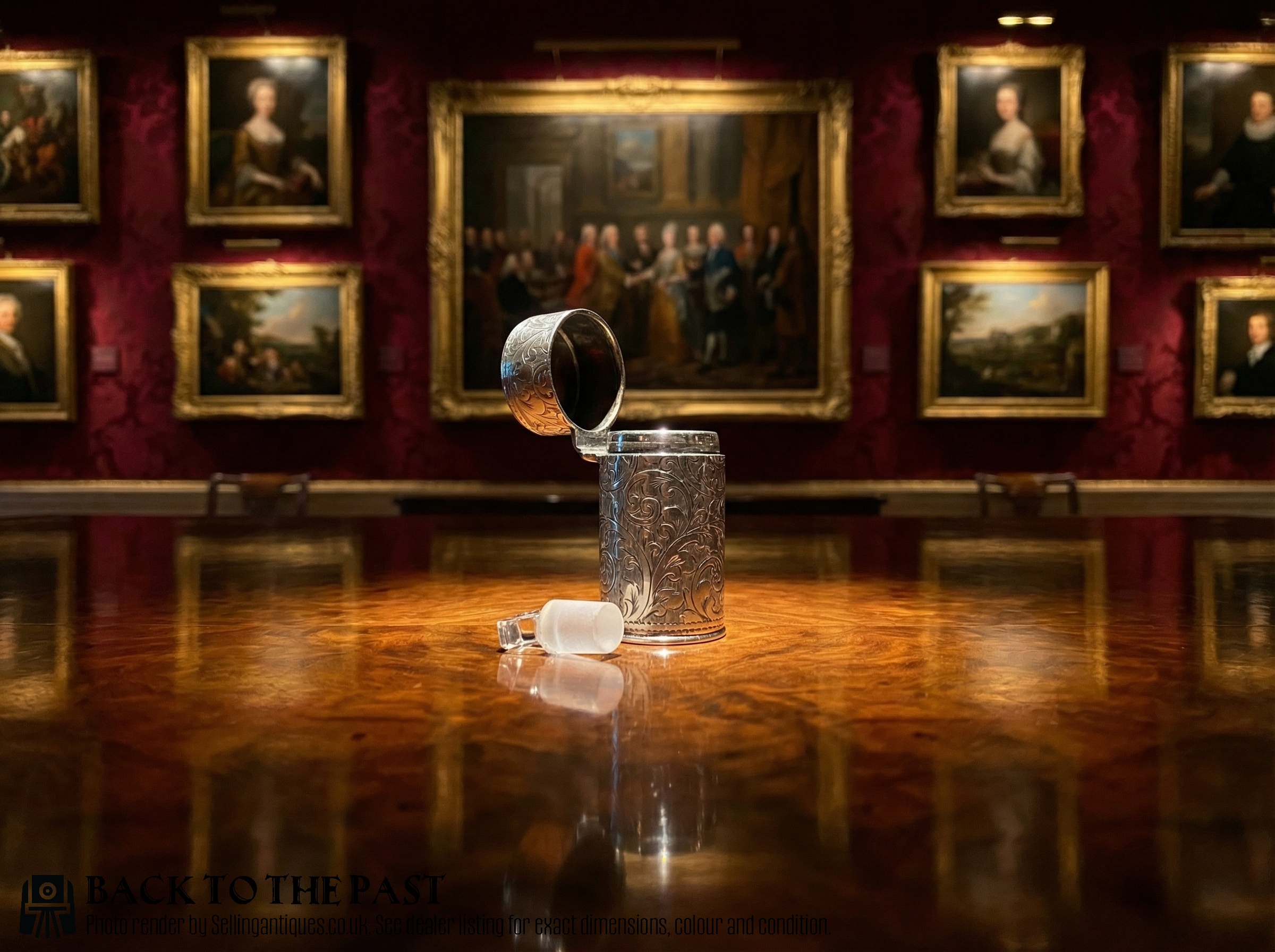
Edwardian Perfume Flask
An edwardian perfume flask represents a portable container designed for carrying liquid fragrance during the early twentieth century. Buyers seeking an edwardian perfume flask will find pieces spanning from the late Victorian era through the Art Deco period, though the defining examples carry characteristic Edwardian lightness and detail.
The selections on this page appear in various configurations, from simple glass vials with sterling silver lids to elaborate overlay glass and guilloche enamel designs. Miniature porcelain vessels and double-ended configurations also emerge within the broader category of scent bottles.
Origins stretch across English workshops, Birmingham manufacturers, and continental makers such as French and Bohemian artisans. These pieces served a daily vanity function for ladies and gentlemen who required personal scent close at hand.
Materials and construction
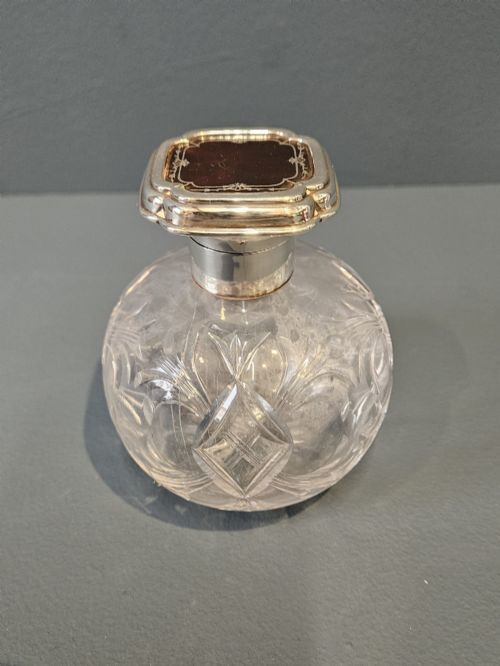
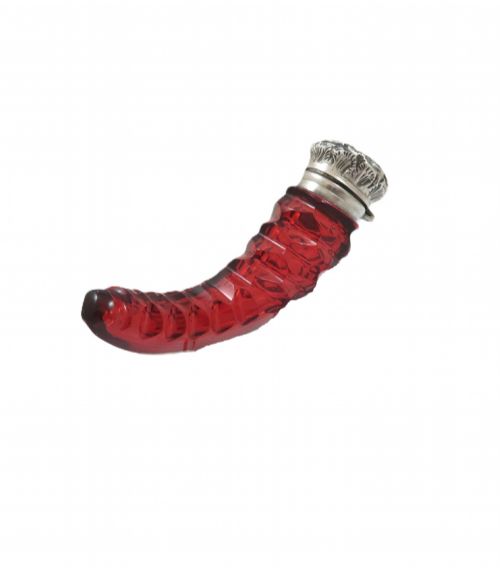
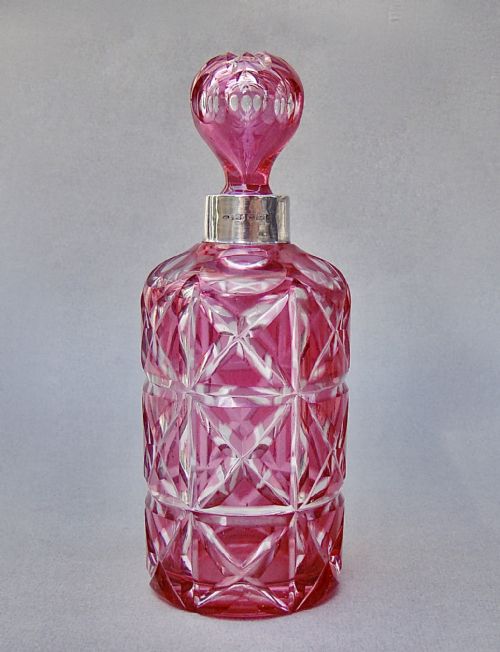
Makers shaped glass through cutting, moulding, and overlay techniques, producing clear, cranberry, green, and ruby vessels that caught the light. Clear cut glass and coloured Bohemian overlay glass form the solid foundation of many surviving examples.
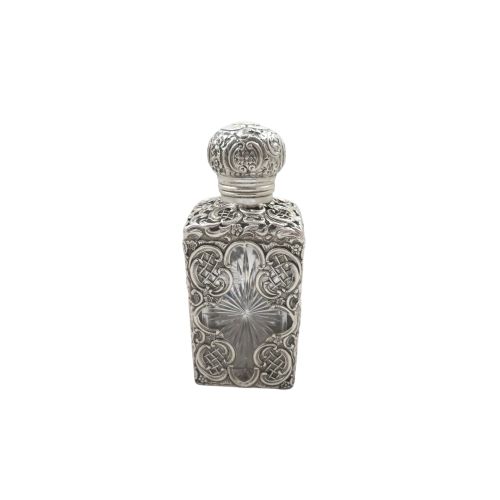
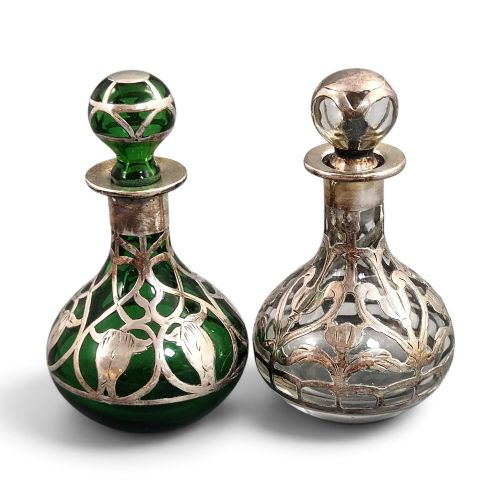
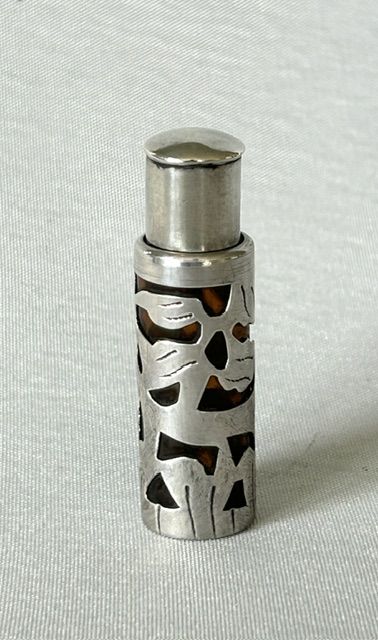
Silversmiths encased, mounted, and capped these glass bodies in sterling silver, frequently adding repoussé work, hinged lids, or intricate silver overlay. Select pieces incorporate tortoise shell, amber, or brightly coloured guilloche enamel panels set into the metal.
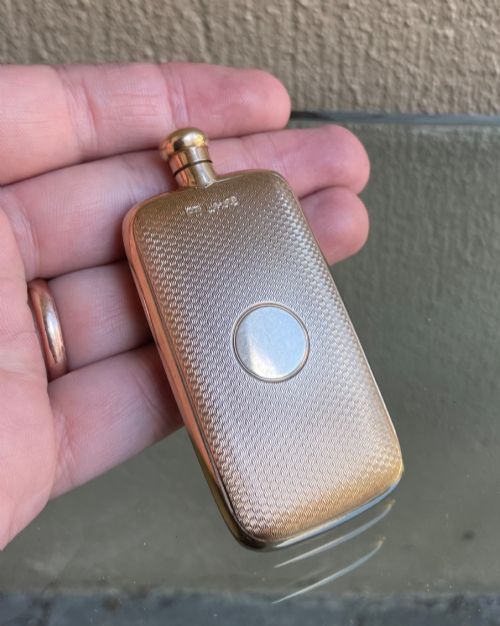
Precious metals extend beyond silver to occasional nine-carat gold examples, while internal stoppers ensure the volatile contents remain secure during travel.
Listings feature sterling silver, cranberry glass, and guilloche enamel across Victorian and Edwardian periods.
Evaluating quality and execution
Quality rests in the crispness of the glass cutting and the weight of the silver mountings rather than mere age alone. Superior examples display deep, sharp facets on the glass and substantial silver gauges that resist denting.
The artistry of the applied decoration dictates desirability, separating standard production items from masterworks featuring detailed guilloche enamel, complex silver overlay, or figurative forms like owls. Maker marks and clear hallmarks add historical weight and confirm the provenance of the metalwork.
Completeness defines value, particularly where internal glass stoppers, matching lids, or original casing mechanisms remain intact and fully functional.
Gorham·Harold Bushell and Co·Crown Staffordshire·Rene Lalique·G H James and Co·Barnsley and Co·Sampson Mordan
The Edwardian Perfume Flask Glossary
- Guilloche enamel
- A decorative technique where an engraved metal surface is covered with translucent enamel, creating geometric patterns that catch the eye. It appears frequently on early twentieth-century vanity items.
- Sterling silver overlay
- A process where thin sheets of silver are bonded or applied to a glass body in intricate patterns, often in Art Nouveau floral designs. This technique marries the brilliance of coloured glass with polished metal.
- Cranberry glass
- A rich pinkish-red glass produced by adding gold chloride to the molten batch during manufacturing. It is a defining material of Victorian and Edwardian decorative glassware.
- Double end perfume bottle
- A symmetrical cylindrical or faceted vessel with hinged lids at both extremities, designed to hold two different scents or salts simultaneously. They were popular during the nineteenth and early twentieth centuries.
- Hallmark
- A series of official marks stamped on precious metals indicating the standard of purity, the assay office, and the year of testing. These marks provide definitive dating for the mountings.
Edwardian Perfume Flask: Frequently Asked Questions
How do I clean the inside of an old scent bottle?
Resin and dried perfume residue often coat the interior of antique glass vessels over decades of storage. Gentle rinsing with warm water and specialised bottle brushes usually clears standard deposits without risking the glass.
Harsh chemical solvents or ultrasonic cleaners should be avoided, particularly on pieces with enamel work or delicate silver mounts that might suffer corrosion.
Were these flasks meant for travel or display?
Most portable scent bottles served dual purposes as dressing table ornaments and travel companions for use in carriages or trains. Secure screw caps and internal stoppers were engineered specifically to prevent leakage inside handbags or luggage.
Gentlemen often carried locking cologne bottles in fitted leather cases, while ladies kept decorative silver-topped flasks within travel valises.
How can I tell a Victorian bottle from an Edwardian one?
Victorian examples tend to feature heavier, more exuberant ornamentation with dark ruby glass and deep relief silver casting. The forms often lean toward dramatic contrast and ornate botanical motifs.
Edwardian and later pieces frequently adopt lighter pastel tones, cleaner lines, and the flowing organic curves associated with the Art Nouveau movement.
Are original stoppers important?
The presence of the original glass or crystal stopper significantly affects the integrity of the piece. Many bottles rely on a ground-in glass stopper beneath the outer metal cap to maintain an airtight seal.
Finding a period-matching replacement proves difficult due to individual hand-ground manufacturing tolerances used by historic glassmakers.