




Cut Glass Vanity Flask
A cut glass vanity flask holds perfume safely on a dressing table, combining heavy faceted crystal with precious metal mounts.
Cut Glass Vanity Flask
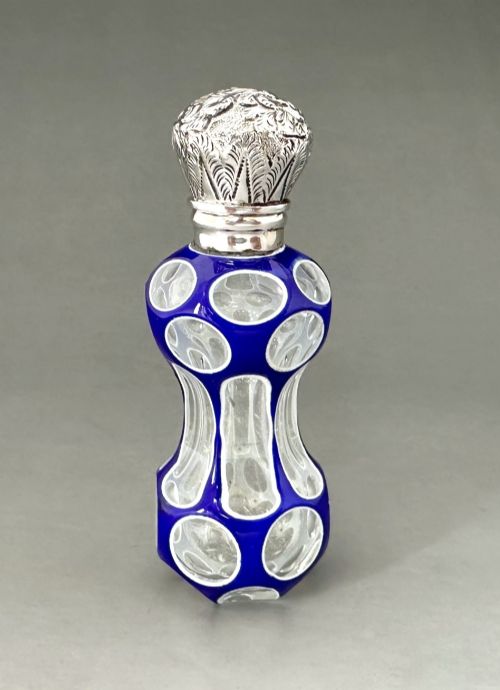
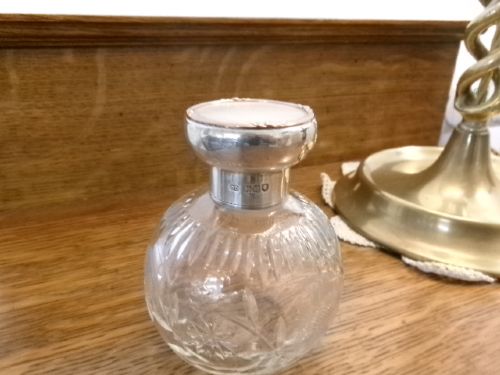
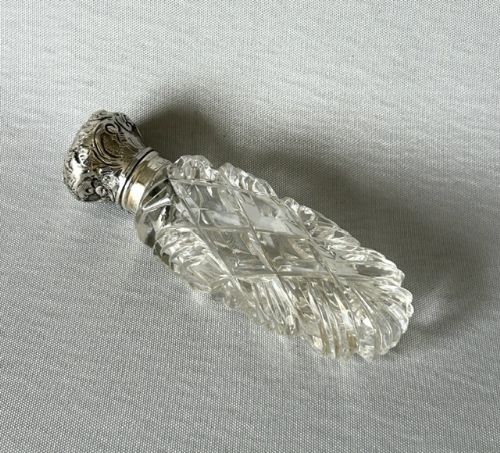
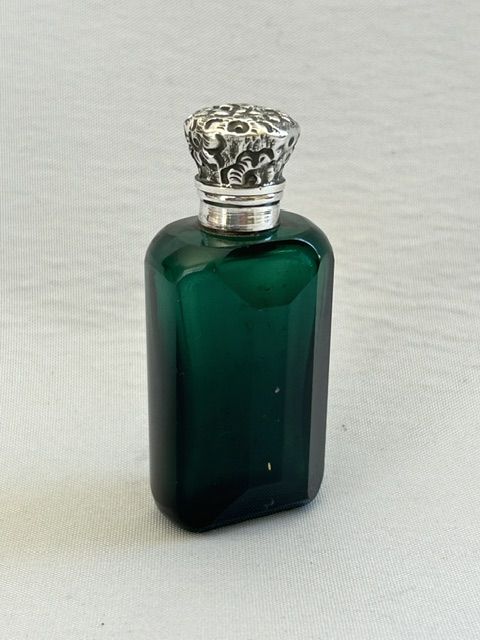
A cut glass vanity flask is a portable vessel designed for perfume, cologne or spirits, commonly encountered from the Victorian, Edwardian and Art Deco periods. These items range from simple clear crystal cylinders to richly coloured vessels styled in Victorian Gothic, French Belle Epoque or geometric Art Deco forms.
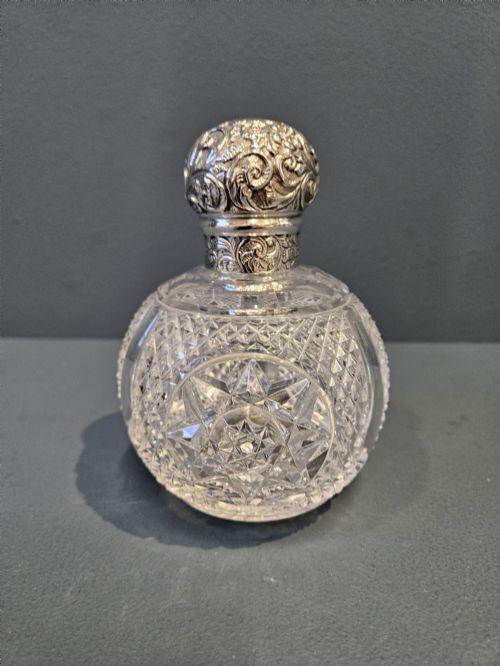
The objects appear in various configurations including scent bottles, cologne flasks and miniature spirit containers. Most examples combine moulded or hand-cut glass bodies with fitted metal components such as screw caps, hinged lids and decorative collars.
How they were made
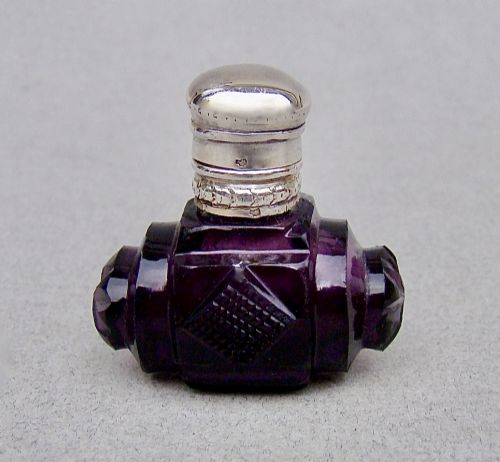
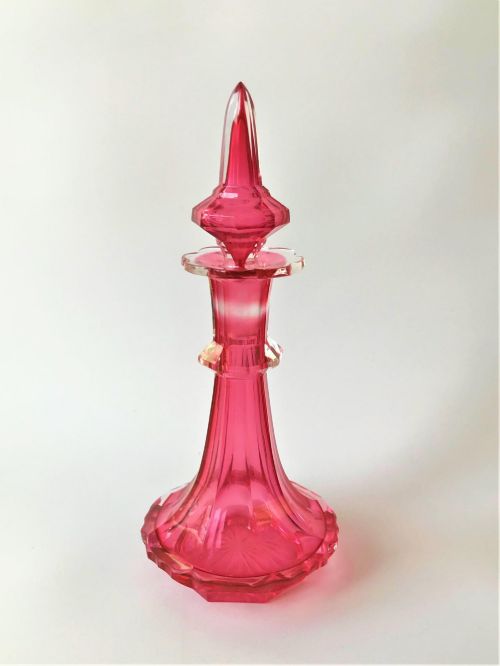
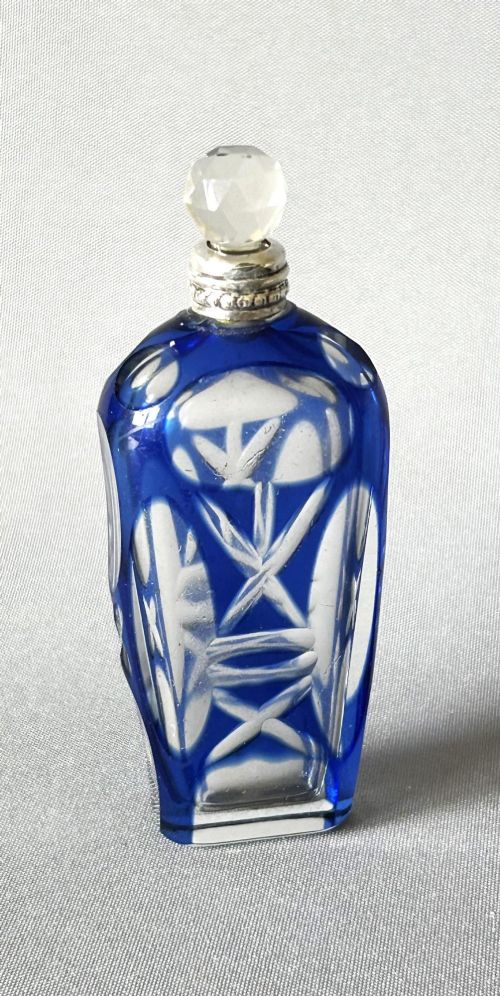
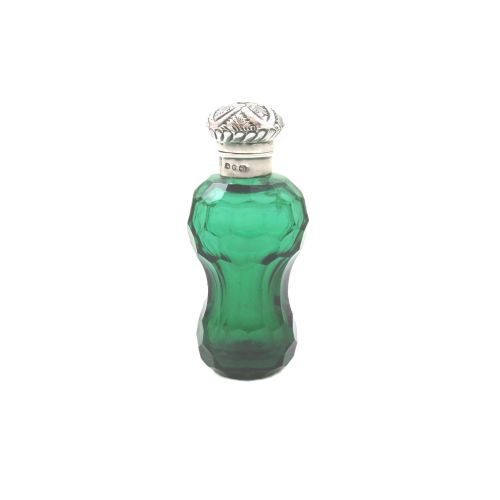
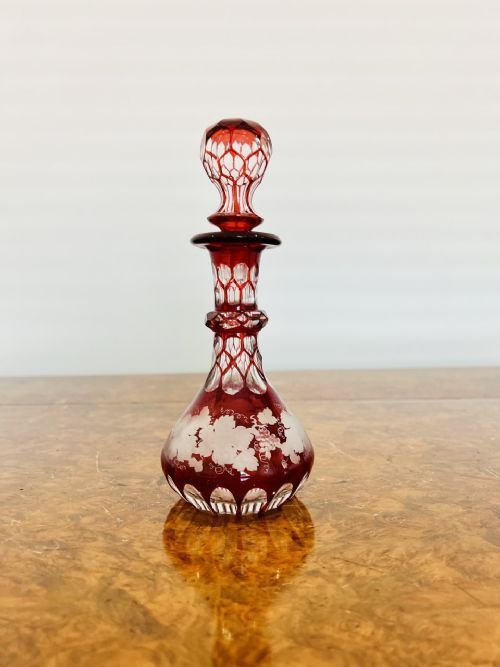
The glass bodies were shaped by blowing or pressing, then finished with hand-cut facets, wheel engraving or layered overlay techniques in colours like cranberry, amethyst and green. Molten glass received detailed geometric patterns before cooling and polishing.
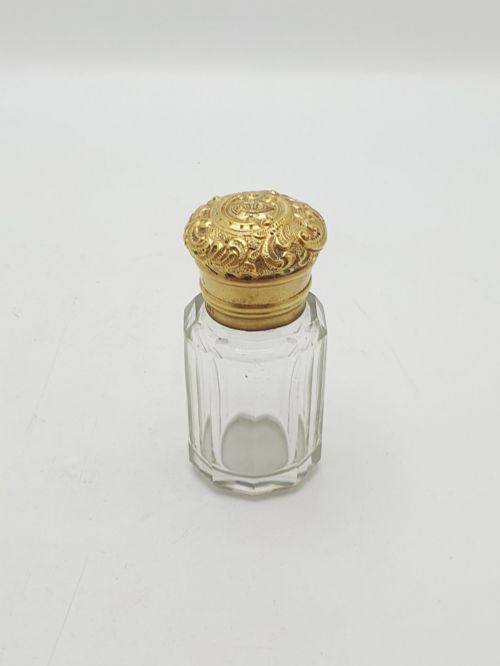
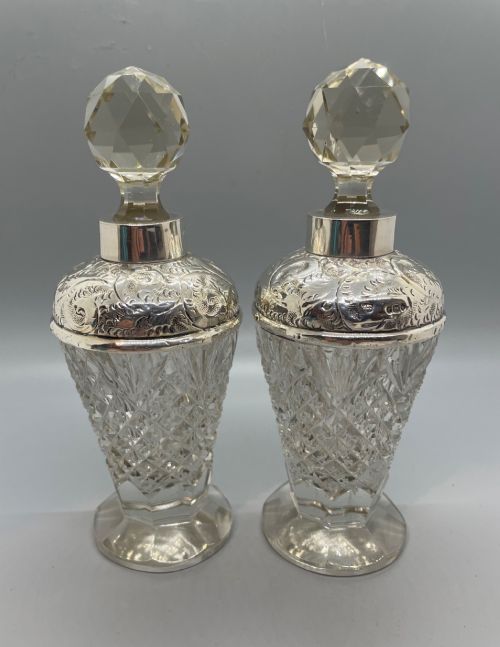
Metal mounts in sterling silver, silver-gilt or base metals were shaped to fit the glass necks precisely, often securing with internal cork stoppers or threaded screw tops. Enamel work, including guilloche patterns, was frequently applied to the silver lids of later twentieth-century pieces.
Cut Glass Vanity Flask Retail Price Guide 2026
Typical asking prices for cut glass vanity flask among the pieces listed under this phrase on Sellingantiques today, from the lower quarter to the upper quarter. They describe what is for sale here now, not the wider market.
Listings feature Victorian, Edwardian and Art Deco periods, utilising sterling silver, clear glass, cranberry glass and guilloche enamel.
What varies in quality
Quality rests upon the crispness of the glass cutting and the weight of the metal mount. Deeper, sharper facets reflect light cleanly, while thick silver or gilt caps demonstrate superior craftsmanship.
The integration between the glass body and the metal collar determines overall structural integrity. Well-made pieces show seamless alignment without excess adhesive or loose fittings.
Harold Bushell And Co·Karl Palda·Henry Perkins·Barnsley And Co·S Morden And Co
The Cut Glass Vanity Flask Glossary
- Cut Glass
- Glass shaped and patterned by holding it against a rotating abrasive wheel. This technique produces sharp facets that catch and refract light.
- Overlay
- A manufacturing method where a layer of coloured glass is fused over a clear or contrasting glass body. Artisans then cut through the outer layer to expose the base colour underneath.
- Guilloche Enamel
- Decorative metalwork featuring precise, repetitive patterns engraved by machine beneath a translucent layer of enamel. This technique creates a radiant, engine-turned background texture.
- Silver-Gilt
- Silver that has been coated with a thin layer of gold on its surface. This finish provides the warm tone of gold while utilising a silver base.
- Bristol Green
- A deep, saturated shade of green glass traditionally produced in English glassworks. The colour remains characteristic of nineteenth-century scent and spirit containers.
Cut Glass Vanity Flask: Frequently Asked Questions
How do I clean a vanity flask?
Clean the glass interior with warm water and a soft bottle brush, avoiding harsh chemical abrasives that might damage historic surfaces. Keep metal mounts dry to preserve silver and enamel components.
Allow the flask to air dry completely before replacing any stopper. Gentle care maintains the clarity of the cut glass and the lustre of the metal.
Were these flasks meant for travel?
Many examples were manufactured with secure screw tops or lockable mechanisms specifically for transport in fitted dressing cases. Their robust glass walls and tight metal lids protected contents during journeys.
Smaller miniature versions suited evening bags, while larger flasks remained stationary on dressing tables. The presence of a tight stopper indicates whether a piece was designed for active use.
How do I date an antique flask?
Dating relies on hallmarks stamped onto the silver mounts, stylistic clues in the glass cutting, and overall form. Victorian pieces often feature heavy Gothic or overlay designs, whereas Art Deco examples display geometric enamel work.
Silver date letters provide precise years of assay for the metal components. Comparing the style of the glass with documented period designs confirms the era.
Can I still use these for perfume?
These flasks function well for holding modern fragrances provided the internal stopper creates a secure seal. Historic stoppers often relied on ground glass or cork to prevent evaporation.
Test the seal with water before filling with valuable perfume. Ensure any old residue is thoroughly cleaned out to avoid altering the scent of new fragrance.