



Edwardian Parlour Sofa
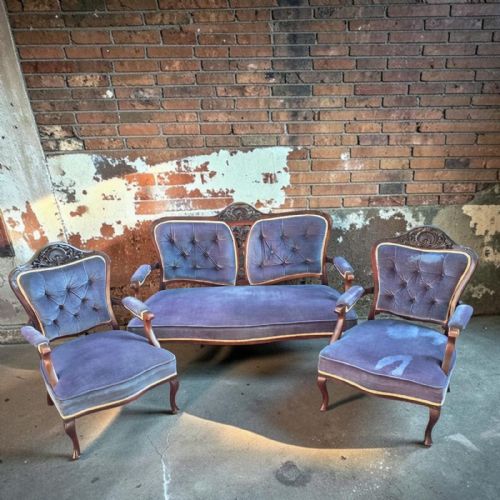
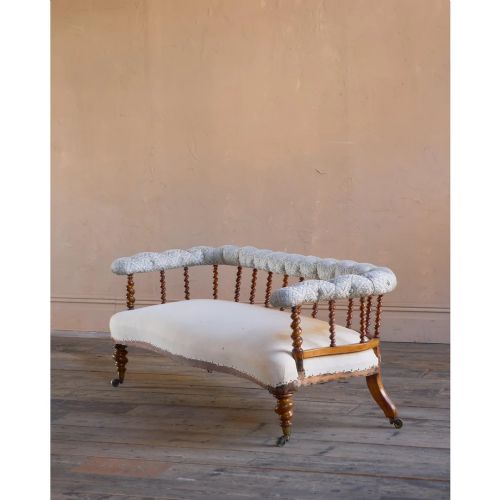
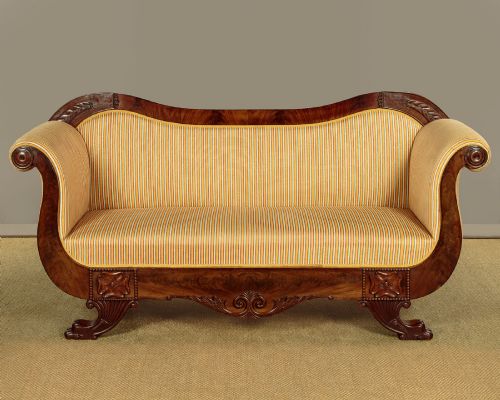
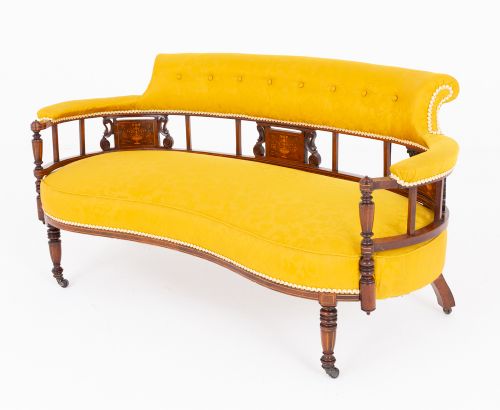
These Edwardian parlour sofa pieces offer timber framing and textile upholstery, bringing period character and seating to a room.
What an Edwardian parlour sofa is
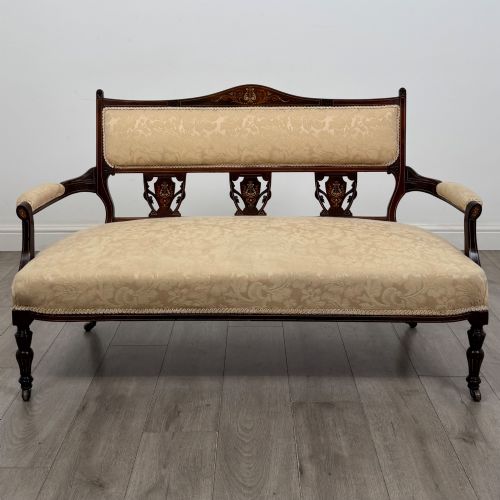
An Edwardian parlour sofa is a seating piece designed for reception rooms, appearing in several forms across this period. Buyers searching for an edwardian parlour sofa will encounter settee, sofa, and chair-back parlour sofa variants.
The material combination typically unites timber frames with textile coverings. Pieces listed span the Edwardian period alongside dates of 1880 and 1900.
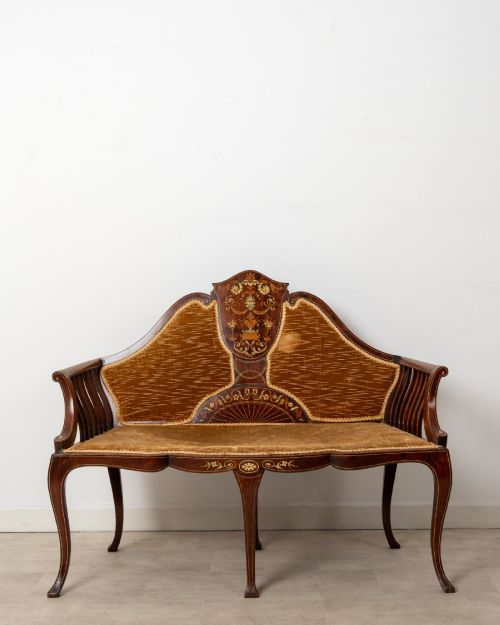
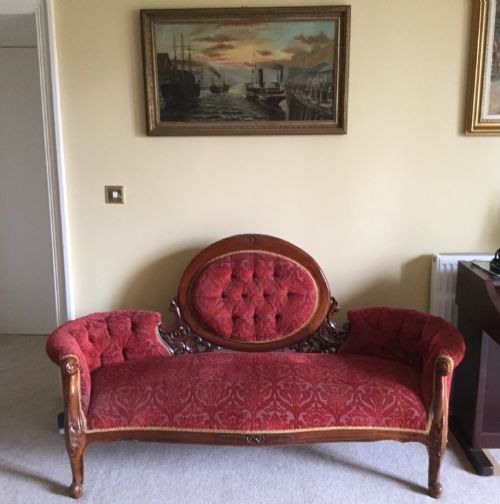
Specific variations include two seater sofa designs and Chesterfield sofa forms. Marquetry and inlaid details frequently decorate the wooden elements.
How they were made
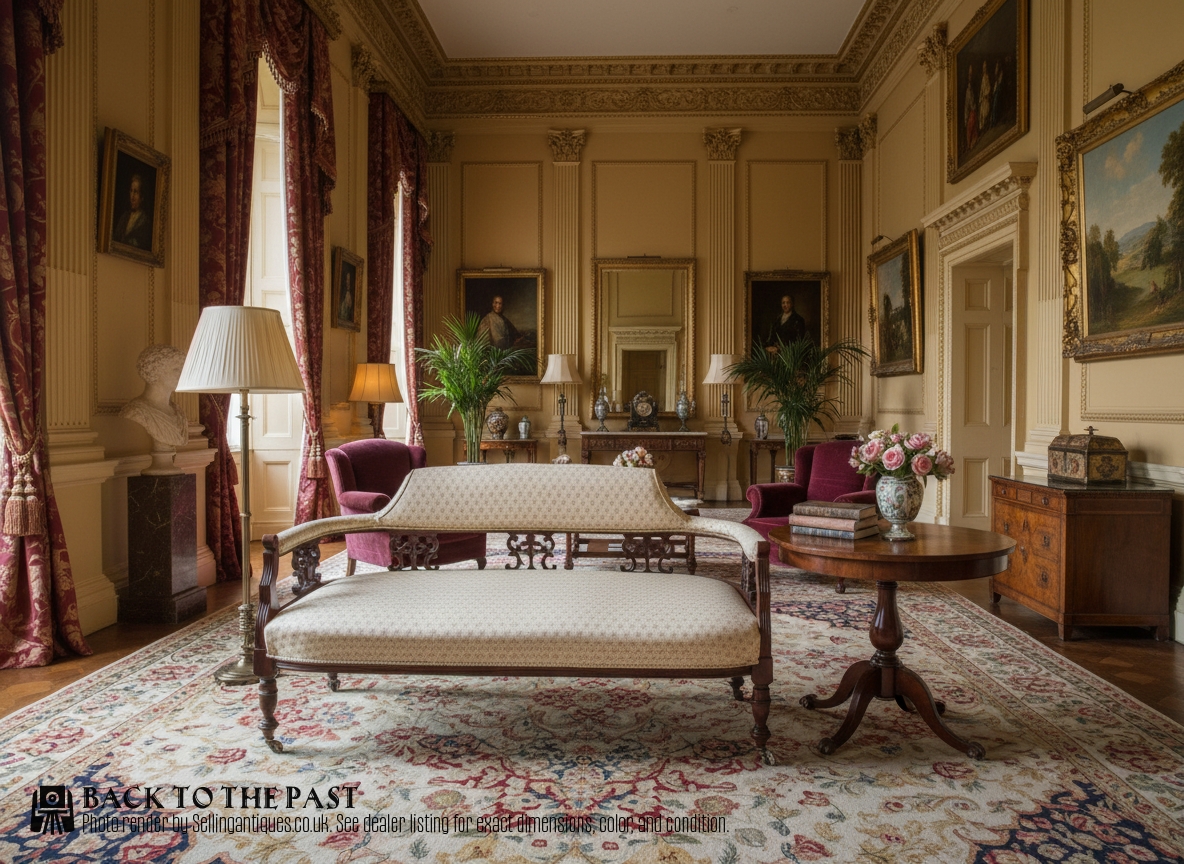
Construction relies upon timber frameworks, specifically mahogany, beech, and satinwood. Woodworking techniques incorporate marquetry and inlay work to adorn the wooden surfaces.
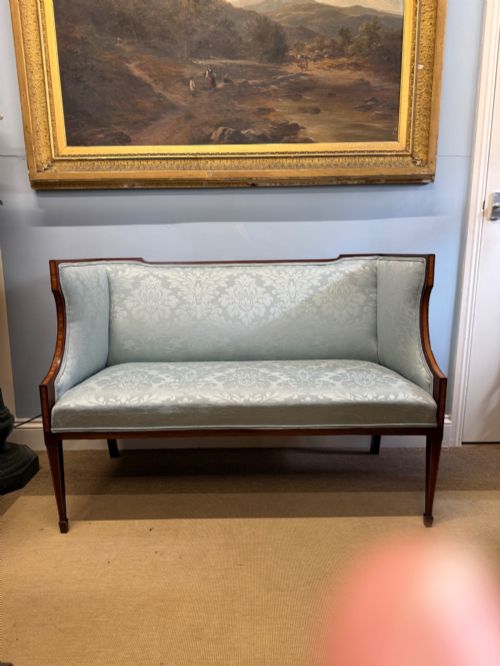
Upholstery uses fabric, damask fabric, and textile materials to cover the seating areas. Brass components appear as structural or decorative fixings within the construction.
Retail Price Guide 2026
Typical UK retail prices for edwardian parlour sofa, calculated from the Sellingantiques database of over a million retail prices indexed since 2003. This retail price guide relies exclusively on Sellingantiques data; no external sources or auction records are used, so the figures do not describe the wider market.
Some parlour sofas arrived with matching chair-backs, ensuring visitors sat completely upright while discussing the weather.
What varies in quality
Quality differences emerge through the execution of the woodwork and inlay. Fine examples feature precise satinwood and marquetry details set into mahogany timber.
The choice and application of upholstery textiles distinguish standard items from finer productions. Intricate fabric choices like damask elevate the textile presentation of the settee.
The Edwardian Parlour Sofa Glossary
- Marquetry
- Decorative veneer work arranged in pictorial patterns on timber surfaces. This technique uses different wood types to create ornamental designs.
- Satinwood
- A lustrous yellow timber utilised for fine furniture inlay. It provides a bright contrast against darker woods like mahogany.
- Damask
- A reversible figured fabric traditionally woven with patterns. This textile is frequently utilised for upholstery on period seating.
- Chesterfield
- A deep buttoned upholstered sofa style with arms and back of the same height. This form offers traditional padded comfort.
Frequently Asked Questions
What is an edwardian parlour sofa?
An edwardian parlour sofa is a timber-framed seating piece upholstered in various textiles. These items served as refined furnishings for period reception rooms.
They appear in forms such as settees, chair-back designs, and Chesterfields. Many examples feature mahogany construction with inlaid decoration.
What materials are used?
Construction relies upon woods such as mahogany, beech, and satinwood. Inlay work and marquetry frequently embellish the wooden frames.
Upholstery materials include general fabrics, damask, and other textiles. Brass elements also appear on certain examples.
How do these sofas differ?
Variations occur across styles, shapes, and decorative techniques. Some examples take the form of chair-back or Chesterfield sofas.
Decoration ranges from plain timber frames to intricate marquetry and satinwood inlay. Upholstery fabrics also vary from simple textiles to damask.
Are these sofas comfortable?
These seating pieces utilise textile and fabric upholstery over timber frames. Padded designs like the Chesterfield specifically prioritise seating comfort.
Different models offer various seating capacities, including two seater sofa formats. The upholstery materials dictate the softness of each piece.